
The sun-drenched archipelago of the Florida Keys, a string of islands stretching southwest from mainland Florida, conjures images of turquoise waters, vibrant coral reefs, and laid-back island living. Visitors flock to this tropical paradise for its unparalleled diving and snorkeling, legendary fishing, and the charming, historic atmosphere of towns like Key West and Marathon. But amidst the allure of pristine beaches and exotic marine life, a question often surfaces for the curious traveler: are there alligators in the Florida Keys?
This inquiry, while perhaps not the first thing on every vacationer’s mind, is a valid one, touching upon the natural history and ecological boundaries of this unique environment. The presence or absence of apex predators like the American alligator can significantly impact the perception of safety and the overall travel experience. For those planning a trip, whether for luxury travel or a more budget travel adventure, understanding the local wildlife is a key component of responsible tourism. This article delves into the fascinating world of the Florida Keys ecosystem to answer the question about alligators definitively and explore what wildlife you can expect to encounter.
The Alligator’s Domain: Mainland vs. Islands
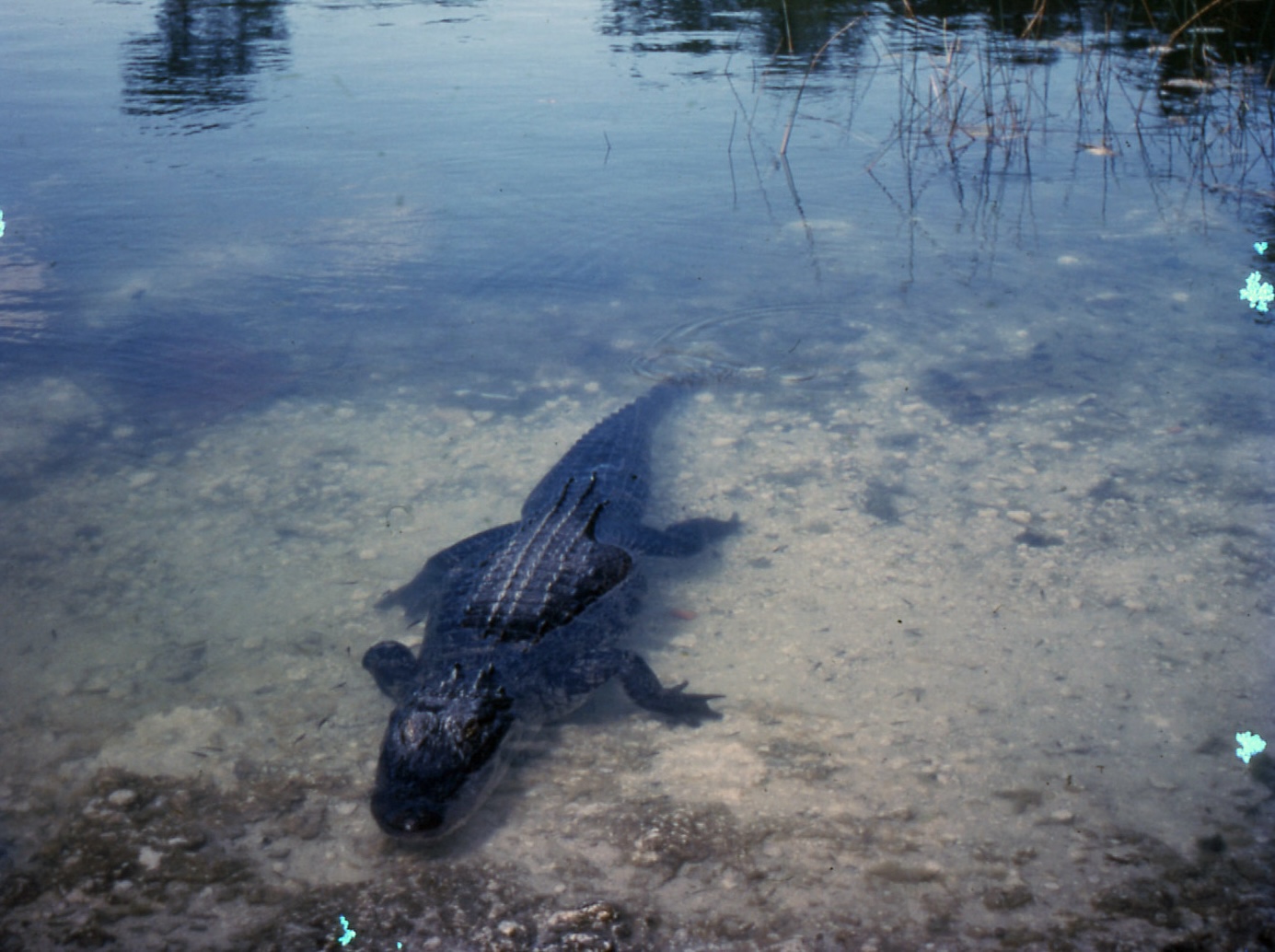
The American alligator, Alligator mississippiensis, is an iconic reptile native to the southeastern United States. Their natural habitat is characterized by freshwater environments, including swamps, marshes, rivers, and lakes. This is a crucial distinction when considering their presence in the Florida Keys.
Mainland Florida’s Alligator Population
Mainland Florida, particularly its vast freshwater wetlands and southern interior, is a prime habitat for alligators. Areas like the Everglades National Park are teeming with these formidable creatures. They thrive in the brackish and freshwater marshes, cypress swamps, and slow-moving rivers that define much of the peninsula’s interior. This abundance of suitable habitat on the mainland means that encountering alligators is a relatively common occurrence for residents and visitors in those regions.
The Unique Environment of the Florida Keys
The Florida Keys present a dramatically different ecological landscape. The islands are predominantly surrounded by saltwater, and their natural water bodies are primarily brackish or saltwater in nature. While some isolated freshwater lenses or small ponds might exist on the larger islands, they are not the extensive, stable freshwater systems that alligators require for survival and successful breeding.
Alligators are primarily freshwater reptiles. While they can tolerate brackish water for short periods, they do not thrive in it. Their physiology is not adapted for prolonged immersion in saltwater, and the salinity can be detrimental to their health. Furthermore, the historical and current geographical isolation of the Keys from the alligator’s core mainland habitats makes natural colonization highly unlikely. The vast expanse of saltwater separating the mainland from the archipelago acts as a significant barrier.
Scientific Consensus and Expert Opinions
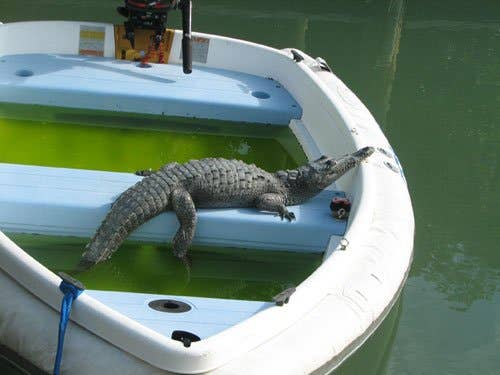
Wildlife biologists and conservationists are in general agreement: alligators are not native to the Florida Keys and are, for all practical purposes, absent from the island chain’s natural ecosystems. While rare, isolated sightings might be reported from time to time, these are almost invariably attributed to escaped pets or captive animals that have managed to survive for a short period before succumbing to the environment or being captured. Such instances do not indicate a breeding population or a natural presence.
The Florida Fish and Wildlife Conservation Commission (FWC) focuses its alligator management and public safety advisories on areas where alligators are naturally occurring. Their guidance for the Florida Keys does not typically include warnings about alligators. Instead, the focus for wildlife encounters in the Keys is overwhelmingly on marine life and the occasional terrestrial animals like raccoons or iguanas.
What Wildlife Will You Encounter in the Florida Keys?
While the thrill of spotting an alligator might be a concern for some, the Florida Keys offer an astonishing array of wildlife that is far more characteristic of this island paradise. The natural wonders here are predominantly marine, but also include a vibrant avian population and unique terrestrial species. Understanding what to expect can enhance your appreciation for the local fauna and ensure your travel experiences are both enjoyable and safe.
The Underwater Spectacle: Marine Life
The primary draw for many visitors to the Florida Keys is undoubtedly its rich marine biodiversity. The warm, clear waters are a sanctuary for an incredible variety of sea creatures.
- Coral Reefs: The Florida Keys National Marine Sanctuary protects the living coral barrier reef, the only one in the continental United States. This vibrant ecosystem is home to an estimated 6,000 species, including brain coral, staghorn coral, and elkhorn coral.
- Fish: Divers and snorkelers are treated to a kaleidoscope of colorful fish. Expect to see parrotfish, angelfish, butterflyfish, snapper, grouper, and barracuda. The more adventurous might spot sharks like nurse sharks and reef sharks, which are generally docile and pose little threat when observed respectfully.
- Turtles: Several species of sea turtles, including loggerheads, green turtles, and hawksbills, frequent the waters around the Florida Keys. Seeing a sea turtle glide through the water is a truly magical experience.
- Dolphins: Bottlenose dolphins are commonly seen in pods, often playing in the wake of boats or leaping out of the water. Various dolphin-watching tours are available for those eager to witness these intelligent mammals up close.
- Manatees: Often referred to as “sea cows,” these gentle giants can sometimes be found in calmer, shallow waters, particularly in mangrove areas. They are herbivores and are a joy to observe.
- Other Marine Life: Beyond these highlights, the waters are alive with countless other creatures, including lobsters, conchs, starfish, and a myriad of invertebrates.
Terrestrial and Avian Visitors
While marine life dominates, the Florida Keys also support a variety of terrestrial animals and a rich bird population.
- Birds: The Keys are a vital stopover point for migratory birds and a year-round home for many species. Birdwatchers can spot magnificent frigatebirds, white pelicans, osprey, bald eagles, and various shorebirds. The mangrove forests and coastal areas are particularly good for bird-watching.
- Iguanas: The green iguana is a common sight throughout the Keys, often basking in the sun on trees, walls, or even roofs. While they are not native and can sometimes be considered a nuisance, they are generally harmless to humans.
- Key Deer: On Big Pine Key and the surrounding lower Keys, you have the unique opportunity to see the endangered Key deer. These small subspecies of white-tailed deer are found nowhere else in the world and are a testament to the unique biodiversity of the region. Observing them from a distance is encouraged to ensure their safety and conservation.
- Raccoons: Like many island environments, raccoons are present and can be quite bold in their search for food, especially in areas with human habitation. It’s important not to feed them, as this can lead to aggressive behavior and health problems.
Planning Your Keys Adventure: Safety and Enjoyment
Understanding the local wildlife, or lack thereof in the case of alligators, is part of a well-informed travel plan. The Florida Keys are renowned for their safety and welcoming atmosphere, making them an ideal destination for families, couples, and solo travelers alike. Whether you’re looking for a luxurious stay at a resort like the Cheeca Lodge & Spa or a cozy apartment for a long-term stay, the islands cater to a diverse range of preferences and budgets.
Tips for a Worry-Free Visit
- Respect Wildlife: Always observe animals from a safe and respectful distance. Never feed wild animals, as this can alter their behavior and pose risks to both the animals and humans. This advice applies to everything from dolphins offshore to iguanas on land.
- Water Safety: The primary safety considerations in the Florida Keys revolve around water activities. Be aware of currents, tides, and weather conditions. Always swim in designated areas and consider wearing a life jacket when boating or engaging in water sports.
- Sun Protection: The tropical sun can be intense. Always use sunscreen, wear a hat, and stay hydrated to avoid sunburn and heatstroke.
- Mosquitoes and No-See-Ums: In certain areas, especially near mangroves and during dawn and dusk, you might encounter mosquitoes and biting midges (no-see-ums). Insect repellent is recommended for comfort.
- Staying Informed: For any concerns regarding wildlife or local conditions, local authorities, park rangers, and your hotel staff are excellent resources for up-to-date information. For instance, if you’re staying in Key Largo, the local visitor center can provide tailored advice.
Embracing the Keys Lifestyle
The allure of the Florida Keys lies in its unique blend of natural beauty, recreational opportunities, and a distinctive island culture. From exploring the historic streets of Key West and visiting iconic landmarks like the Southernmost Point Buoy, to enjoying fresh seafood at a waterfront restaurant or embarking on a sunset cruise, there’s an endless list of experiences to create lasting memories.
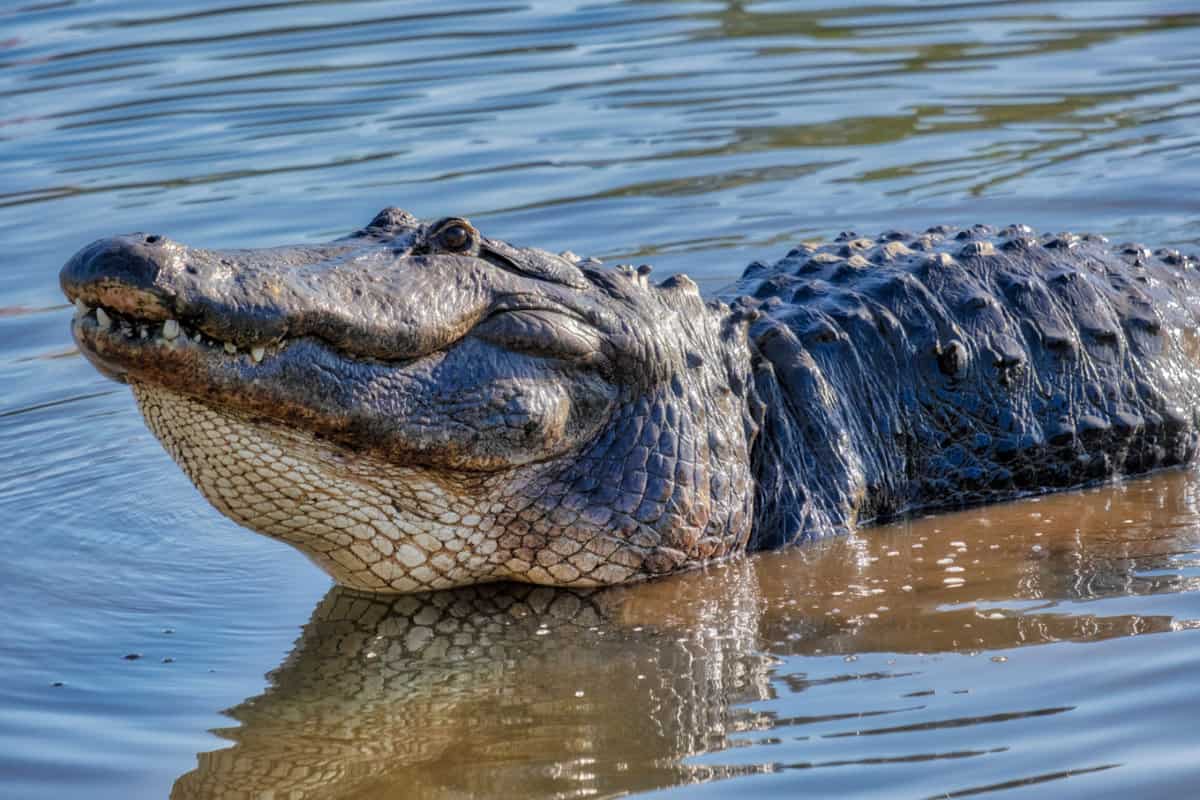
The absence of alligators in the natural environment of the Keys simply means you can focus on enjoying the truly remarkable wildlife that defines this chain of islands. Whether you’re a seasoned diver exploring the depths of the Florida Keys National Marine Sanctuary, a family on a memorable family trip, or a couple seeking a romantic getaway, the Florida Keys offer a safe, spectacular, and unforgettable destination. The real magic here lies in the vibrant life that thrives in the salty embrace of the ocean, waiting to be discovered by those who venture south.
LifeOutOfTheBox is a participant in the Amazon Services LLC Associates Program, an affiliate advertising program designed to provide a means for sites to earn advertising fees by advertising and linking to Amazon.com. Amazon, the Amazon logo, AmazonSupply, and the AmazonSupply logo are trademarks of Amazon.com, Inc. or its affiliates. As an Amazon Associate we earn affiliate commissions from qualifying purchases.