
For the seasoned traveler and the curious explorer alike, understanding local time is a foundational element of any well-planned journey. Yet, when it comes to the Grand Canyon State, the seemingly simple question, “What is the time now in Arizona?” unlocks a fascinating quirk that adds a unique layer to travel planning. Unlike most of the United States, Arizona largely opts out of the biennial time shift, remaining steadfast in its approach to daylight, climate, and the rhythms of its captivating landscapes. This distinct characteristic is more than just a trivial detail; it’s a crucial consideration for anyone planning a visit, booking accommodations, or coordinating activities across the state’s diverse regions.
From the vibrant city life of Phoenix and Scottsdale to the serene spiritual retreats of Sedona and the majestic expanses of the Grand Canyon National Park, every experience in Arizona is subtly influenced by its adherence to a timeless schedule. This article delves deep into Arizona’s unique timekeeping, exploring its implications for tourism, accommodation, and the overall lifestyle of both residents and visitors. We’ll uncover how this single difference can shape your itinerary, impact your bookings, and ultimately enhance your appreciation for this extraordinary destination.

Understanding Arizona’s Unique Relationship with Time
The core of Arizona’s time enigma lies in its decision to largely forgo Daylight Saving Time (DST). This choice, made decades ago, was rooted in the state’s intense climate and the desire to maximize cooler evening hours without artificially shifting the clock. For travelers, this means a consistent time reference point, but one that requires a little forethought, especially when crossing state lines or exploring specific tribal lands.
The Perpetual Mountain Standard Time (MST)
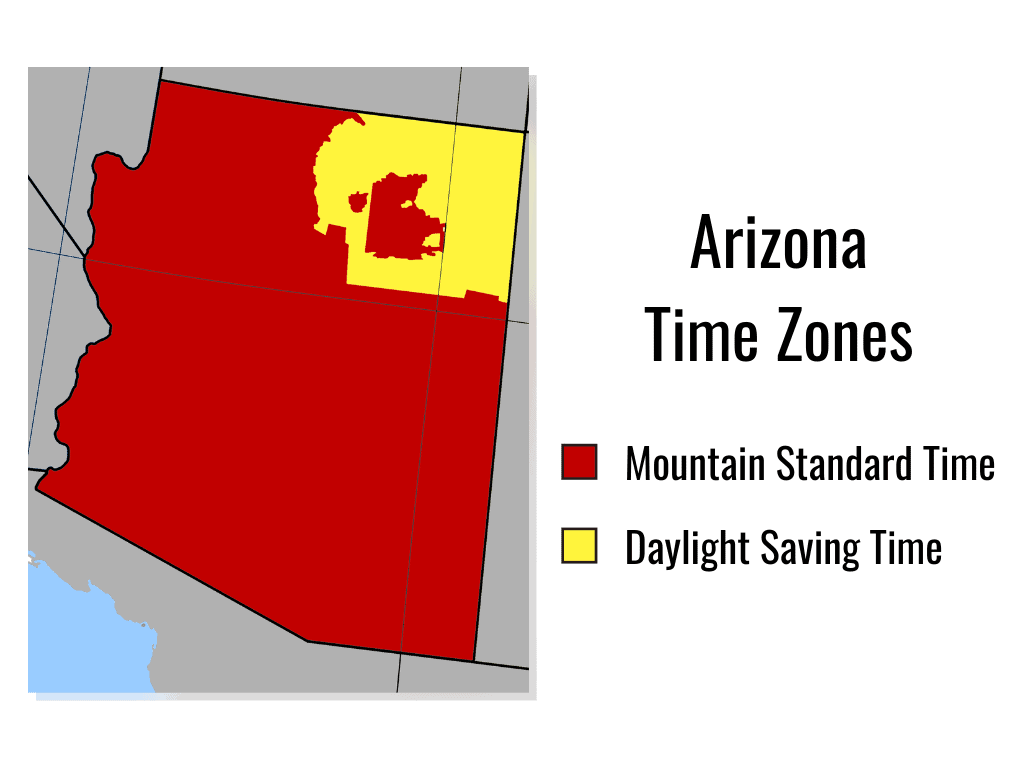
Most of Arizona observes Mountain Standard Time (MST) throughout the year. This means that from March to November, when other states ‘spring forward’ for Daylight Saving Time, Arizona remains on its fixed schedule. Consequently, during these months, Arizona aligns with Pacific Time, essentially running an hour behind its usual Mountain Standard Time neighbors that do observe DST, such as Colorado or Utah. When DST ends in the fall, Arizona then reverts to being one hour ahead of Pacific Time and on the same time as Mountain Standard Time zones.
This perpetual Mountain Standard Time offers several practical benefits, particularly for a state known for its scorching summer temperatures. By not adjusting clocks forward, sunsets occur later by the clock, extending the period of natural light into cooler evening hours. This facilitates outdoor activities, dining, and evening entertainment, providing a more comfortable experience for both residents and tourists. For those traveling from states like California or Nevada (on Pacific Time), the time difference during DST months is non-existent, simplifying cross-border travel significantly. However, visitors from Eastern Time or Central Time zones, whether arriving from New York or Chicago, will need to remember to adjust their internal clocks by two or three hours, respectively, depending on the time of year. This consistent approach makes it easier to predict daylight hours for planning hikes, tours, and photography opportunities, particularly around popular landmarks like Horseshoe Bend or Camelback Mountain.
The Navajo Nation Exception: A Traveler’s Note
While most of Arizona remains on a fixed schedule, there is one significant exception: the Navajo Nation. This vast sovereign territory, spanning parts of northeastern Arizona, Utah, and New Mexico, does observe Daylight Saving Time. This means that during DST months, the Navajo Nation will be one hour ahead of the rest of Arizona.
This time difference is crucial for travelers visiting iconic destinations within the Navajo Nation boundaries, such as Monument Valley, Antelope Canyon, or Canyon de Chelly. A tour booked for 9:00 AM Navajo Nation time would be 8:00 AM Arizona time, leading to potential confusion or missed appointments if not accounted for. Tour operators and guides within the Navajo Nation typically specify their times, but it is always wise for visitors to double-check and clarify whether the stated time is local Navajo Nation time or general Arizona time. This intricate detail adds to the rich cultural tapestry of the state, reminding visitors of the diverse jurisdictions and traditions that shape the experience of traveling through Arizona’s breathtaking landscapes. It also highlights the importance of precise planning for seamless transitions between different parts of your journey.
Planning Your Arizona Adventure: Time-Sensitive Considerations
Navigating Arizona’s unique time zone requires an informed approach to planning. From orchestrating your daily activities to selecting the perfect season for your visit, understanding the state’s relationship with the clock can significantly enhance your travel experience and ensure you make the most of every moment.
Synchronizing with the Grand Canyon State’s Rhythm
The consistent nature of Arizona’s time zone simplifies certain aspects of travel while introducing considerations for others. During the months when other states observe Daylight Saving Time, the longer perceived daylight hours in Arizona allow for extended enjoyment of outdoor activities, especially during the warmer parts of the year. For instance, a sunset hike in the Superstition Mountains or a leisurely evening stroll through Old Town Scottsdale can begin later in the day by the clock, taking advantage of the cooler air and spectacular light.
When booking flights, it’s essential to remember the time difference, particularly if your departure or arrival airport observes Daylight Saving Time. Flights arriving from states on Pacific Time will generally align smoothly, while those from Mountain Standard Time states that observe DST, or Central Time and Eastern Time zones, will require a conscious adjustment. This applies equally to hotel check-in and check-out times, tour schedules, and restaurant reservations. Always confirm the local time standard with your booking confirmations to avoid any last-minute confusion.
Maximizing Your Itinerary Across Diverse Landscapes
Arizona is a land of stunning contrasts, from the saguaro-dotted deserts of Tucson to the pine forests of Flagstaff and the iconic red rock formations of Sedona. Designing an itinerary that spans these diverse landscapes requires careful timing, not just in terms of travel duration but also in considering the optimal time of day for specific experiences.
For example, exploring the Grand Canyon at sunrise or sunset offers unparalleled photographic opportunities and fewer crowds, making an early start or late finish particularly rewarding. Similarly, a hot air balloon ride over Phoenix or Sedona typically requires a pre-dawn wake-up to catch the optimal weather conditions and magical morning light. When planning multi-day trips that include the Navajo Nation, such as a visit to Antelope Canyon from Page, remember the one-hour time difference during DST. Ensure your phone automatically updates its time zone, or manually adjust your watch to stay perfectly in sync with local guides and tour operators. This meticulous planning ensures you can smoothly transition from one captivating experience to the next without missing a beat, truly maximizing your exploration of Arizona’s natural wonders.

Beyond the Clock: Immersive Experiences and Where to Stay
While understanding Arizona’s time zone is practical, the true essence of travel lies in the experiences themselves. The state offers an incredible array of landmarks, activities, and accommodations, each designed to immerse visitors in its unique blend of natural beauty, rich history, and vibrant culture.
Iconic Landmarks and Their Optimal Visiting Hours
Arizona’s landscapes are legendary, and timing your visits to these iconic sites can dramatically enhance your appreciation.
- Grand Canyon National Park: While spectacular at any hour, the Grand Canyon truly comes alive at sunrise and sunset. The low-angle light paints the canyon walls in fiery hues, and the crowds are generally thinner. Plan to arrive well before dawn or stay past dusk for these unforgettable moments. Ranger programs also operate on a fixed schedule, so checking the park’s official website for current times is essential.
- Sedona’s Red Rocks: The red rock formations around Sedona are best enjoyed in the cooler morning hours for hiking or later afternoon for photography as the sun descends. Visiting vortex sites like Airport Mesa or Boynton Canyon during these times offers both comfort and magical lighting.
- Saguaro National Park: Near Tucson, this park is best explored during the cooler parts of the day, early mornings or late afternoons, especially from spring to fall. This is when wildlife is most active and the desert heat is less intense for hiking among the towering saguaro cacti.
- Hoover Dam: A marvel of engineering just a short drive from Las Vegas and easily accessible from northwestern Arizona, tours of the dam have specific start times. Weekdays and early mornings generally see fewer visitors, making for a more relaxed experience.
- Monument Valley and Antelope Canyon: As mentioned, these gems within the Navajo Nation require careful attention to time, especially during DST. For Antelope Canyon, midday tours are often sought after for the famous light beams, so booking well in advance and confirming the local time is paramount.
Accommodating Your Stay: From Desert Resorts to Urban Escapes
Arizona offers an exceptional range of accommodations, catering to every style and budget. The consistency of Arizona’s time zone simplifies booking and planning, ensuring less confusion around check-in and check-out times, regardless of where you’re arriving from.
In the Phoenix/Scottsdale area, you’ll find luxurious resorts like The Phoenician or JW Marriott Scottsdale Camelback Inn Resort & Spa, offering world-class amenities, golf courses, and spa treatments. These establishments often have flexible check-in options, but adherence to the state’s time means a predictable schedule for their services and your arrival.
For a more serene, nature-immersed experience, Sedona boasts spiritual retreats such as Enchantment Resort, which provides stunning views of the red rocks and access to hiking trails. Here, the lack of DST shifts means you can rely on consistent sunrise yoga sessions or planned excursions without worrying about a sudden hour change.
In Tucson, historic hotels and boutique inns offer a blend of Southwestern charm and modern comfort, perfect for exploring the city’s rich cultural heritage. Even for long-term stays or vacation rentals, the stable time zone contributes to a feeling of settled routine, allowing residents and visitors to fully immerse themselves in the local pace of life. Regardless of your chosen lodging, the consistent time in Arizona ensures a smoother, more predictable experience, freeing you to focus on relaxation and exploration rather than time adjustments.
The Arizona Lifestyle: Embracing Every Moment
Beyond the practicalities of time zones and itineraries, Arizona’s unique temporal rhythm subtly shapes its lifestyle, offering a distinct pace that encourages visitors to fully embrace every moment. From vibrant culinary scenes to tranquil stargazing opportunities, the state’s approach to time creates an environment ripe for memorable experiences.
Culinary Delights and Evening Entertainment
Arizona’s culinary landscape is as diverse as its geography, blending traditional Southwestern flavors with innovative farm-to-table concepts. The extended evening daylight during DST months, thanks to Arizona’s fixed Mountain Standard Time, provides ample opportunity for leisurely al fresco dining. Restaurants in Phoenix and Scottsdale with patio seating come alive as the desert heat dissipates, offering stunning sunset views paired with exquisite cuisine.
Nightlife in these urban centers also thrives, with a vibrant array of bars, live music venues, and cultural performances. For a different kind of evening entertainment, Arizona’s designation as a premier stargazing destination truly shines. Dark Sky Communities like Flagstaff offer pristine conditions for admiring the cosmos. The consistent time means predictable sunset and star-rise times, making it easier to plan an evening under the celestial canopy without unexpected clock changes interrupting your cosmic immersion. Whether you’re enjoying a sophisticated meal or marveling at the Milky Way, Arizona’s stable time allows for a relaxed and predictable rhythm to your evenings.
Travel Tips for a Seamless Arizona Journey
To ensure a truly seamless and enjoyable journey through Arizona, here are a few essential tips, with a special emphasis on navigating its unique time landscape:
- Always Confirm Times: For tours, flights, hotel bookings, and especially for activities within the Navajo Nation, always double-check and confirm the local time being used. A quick call or email can save a lot of hassle.
- Stay Hydrated and Sun Protected: Arizona’s climate is dry, and the sun can be intense. Drink plenty of water, wear hats, sunglasses, and sunscreen, especially during outdoor activities, regardless of the time of day.
- Rent a Car: While public transport exists in major cities, exploring Arizona’s vast and diverse landscapes is best done with the flexibility of a rental car. This allows you to set your own pace and reach remote attractions.
- Embrace the Early Morning: Many of Arizona’s most rewarding outdoor experiences, from hiking to photography, are best enjoyed in the cooler, softer light of the early morning. Take advantage of the state’s consistent time to start your days early.
- Enjoy the Extended Evenings: Especially during the summer months, the later sunsets (by the clock) mean more time for evening activities. Plan for relaxing dinners, sunset viewing, or even a dip in the pool after a day of exploration.
In conclusion, while the question “What is the time now in Arizona?” might seem straightforward, its answer reveals a fascinating aspect of the state that impacts every facet of travel. By understanding Arizona’s commitment to Mountain Standard Time and the important exception of the Navajo Nation, you can plan a more relaxed, informed, and ultimately richer adventure. This unique temporal rhythm allows visitors to truly synchronize with the spirit of the Grand Canyon State, ensuring every moment is cherished and every experience unfolds seamlessly in this timeless landscape.
LifeOutOfTheBox is a participant in the Amazon Services LLC Associates Program, an affiliate advertising program designed to provide a means for sites to earn advertising fees by advertising and linking to Amazon.com. Amazon, the Amazon logo, AmazonSupply, and the AmazonSupply logo are trademarks of Amazon.com, Inc. or its affiliates. As an Amazon Associate we earn affiliate commissions from qualifying purchases.