
Arizona, a name that evokes images of vast deserts, towering red rock formations, and endless skies, holds a unique and prominent place on the map of the United States. Often dubbed the “Grand Canyon State,” its geographical position in the southwestern United States is not just a matter of coordinates but a defining characteristic that shapes its climate, culture, and unparalleled appeal as a travel destination. For anyone contemplating a journey to this diverse region, understanding where Arizona lies is the first step toward uncovering its many wonders, from its bustling cities and luxurious resorts to its ancient landmarks and vibrant local culture.
Unveiling Arizona’s Geographic Heart
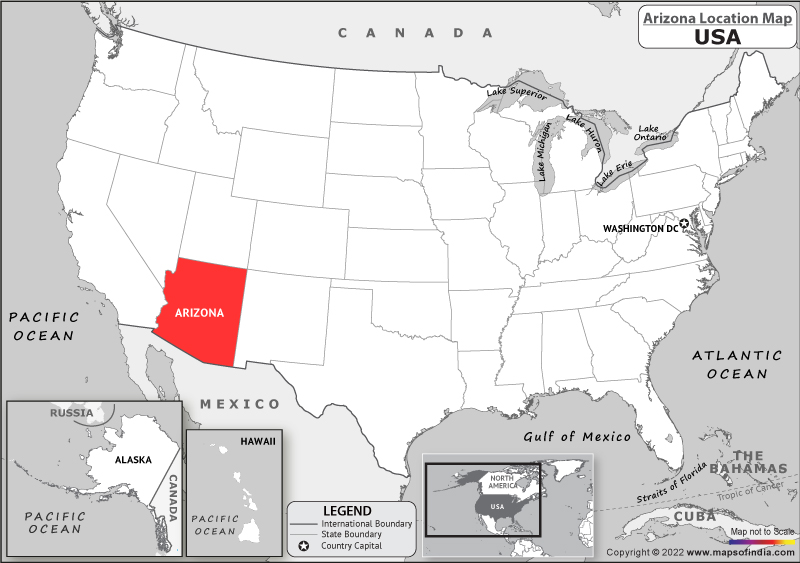
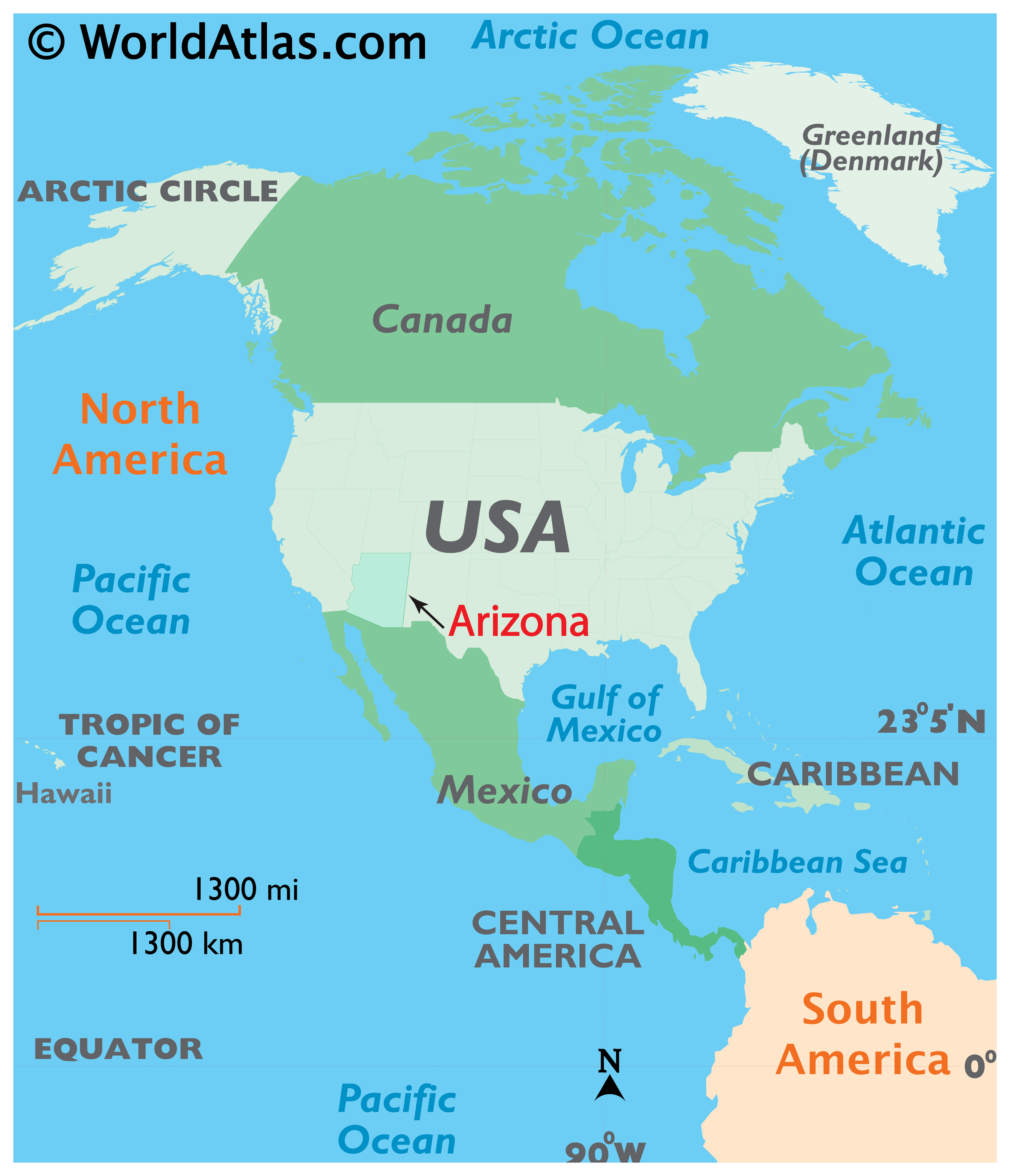
Geographically, Arizona is positioned in the southwestern part of the United States, firmly within the Mountain Standard Time zone. It is the sixth-largest state by area, spanning a remarkable 113,990 square miles. This expansive territory contributes significantly to its diverse landscapes, encompassing everything from scorching deserts to pine-covered mountains. Its location is a crossroads of climate and culture, bordering four other states and an international neighbor.
A Southwestern Gem
Arizona’s identity as a southwestern gem is undeniable. It’s a land where the Sonoran Desert stretches seemingly forever, dotted with iconic saguaro cacti, and where the ancient Colorado River has carved out some of the most spectacular geological formations on Earth. The state’s position places it within a region known for its warm climate, rich Native American heritage, and distinct blend of American and Mexican influences. This unique blend contributes to its vibrant food scene, architecture, and artistic expressions, making it a compelling destination for those seeking an authentic southwestern experience. The clear, sunny days that dominate much of the year are a direct result of its arid to semi-arid climate, making it an attractive escape for visitors from colder regions, especially during the winter months.
Bordering States and Key Regions
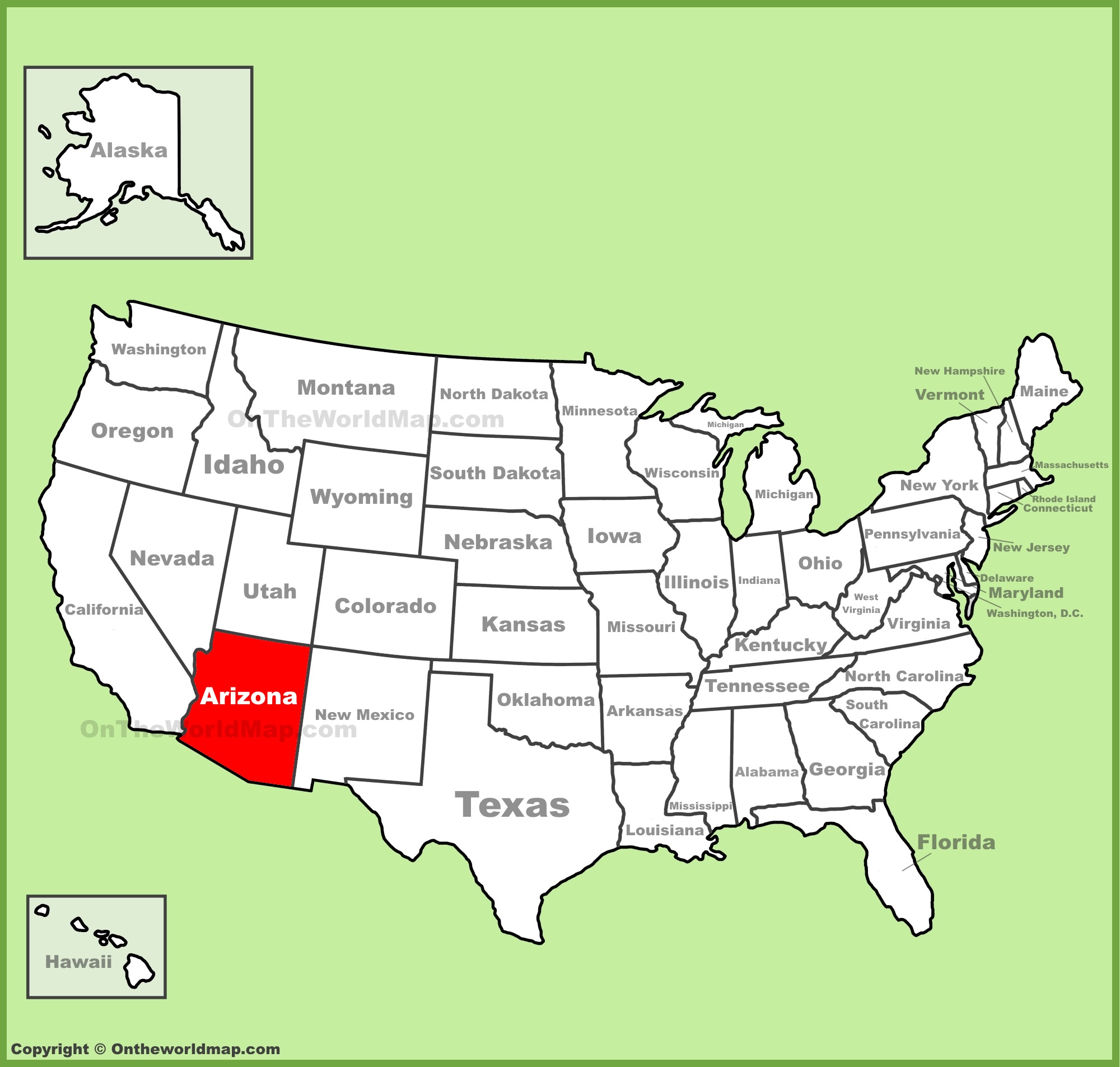
To truly pinpoint Arizona on the map, it’s essential to understand its neighbors. To the west, it shares a long border with California and Nevada, separated in part by the mighty Colorado River and the engineering marvel that is the Hoover Dam. To the north, it borders Utah, while to the east, it connects with New Mexico. To the south, Arizona shares an international border with the Mexican states of Sonora and Baja California.
These borders aren’t just lines on a map; they influence everything from migration patterns of wildlife to cultural exchanges and economic ties. The proximity to California and Nevada makes it a popular road trip destination for residents of those states, while its southern border contributes to a rich Mexican-American culture, particularly evident in cities like Tucson. The state is broadly divided into three main regions: the Basin and Range region in the south (home to Phoenix and Tucson), the Central Highlands, and the Colorado Plateau in the north (where the Grand Canyon resides, along with Flagstaff and Sedona). Each region offers distinct geographical features and unique travel experiences.
A Tapestry of Natural Wonders and Iconic Landmarks
The geological location of Arizona has gifted it with an astonishing array of natural wonders and famous places that draw millions of visitors annually. These landmarks are not merely sights to behold; they are central to the state’s tourism industry, offering a wide range of activities and adventures.
The Grand Canyon: Arizona’s Crowning Jewel
Undoubtedly, the most iconic landmark in Arizona, and indeed one of the most recognized natural wonders globally, is the Grand Canyon National Park. Carved by the Colorado River over millions of years, this immense chasm is approximately 277 miles long, up to 18 miles wide, and over a mile deep. Its sheer scale and breathtaking beauty make it a primary reason for many to visit the state. Tourism around the Grand Canyon offers everything from scenic overlooks at the South and North Rims, accessible hiking trails like the Bright Angel Trail and the South Kaibab Trail, to adventurous whitewater rafting trips on the Colorado River itself. The park provides various accommodation options, including historic lodges like El Tovar Hotel and several campgrounds, catering to different travel styles and budgets. Booking well in advance is highly recommended, especially during peak season.
Beyond the Canyon: Deserts, Forests, and Red Rocks
While the Grand Canyon often takes center stage, Arizona’s natural beauty extends far beyond its depths. The state is a mosaic of diverse ecosystems. In the south, the Sonoran Desert provides a unique ecosystem, home to the saguaro cactus, found nowhere else on Earth. Saguaro National Park near Tucson offers visitors a chance to explore this vibrant desert landscape.
Further north, the red rock country of Sedona captivates with its spiritual vortexes, stunning rock formations, and world-class hiking and mountain biking trails. Sedona is also renowned for its wellness resorts and spas, such as Enchantment Resort, making it a haven for luxury travel and relaxation.
Venturing into the northern part of the state, near Flagstaff, one encounters vast pine forests and even ski resorts like Arizona Snowbowl on the San Francisco Peaks, offering a stark contrast to the desert landscape just a few hours south. Other natural wonders include the otherworldly slot canyons of Antelope Canyon near Page, the ancient dwellings of Montezuma Castle National Monument, and the iconic buttes and mesas of Monument Valley Navajo Tribal Park, often seen in Western films. These diverse environments mean that regardless of the season, there’s always a new part of Arizona’s nature to explore.
Historical and Cultural Richness
Arizona’s history is as rich and varied as its landscapes. It is home to numerous Native American tribes, whose ancient cultures have left an indelible mark on the land and its people. Visitors can explore ancestral Puebloan cliff dwellings at sites like Walnut Canyon National Monument or delve into the vibrant contemporary cultures at various tribal parks and cultural centers. Cities like Tucson boast a deep history, from Spanish missions such as Mission San Xavier del Bac to its designation as a UNESCO City of Gastronomy, reflecting its rich culinary heritage. Phoenix, the state capital, offers a blend of modern amenities with historical insights at sites like the Heard Museum, showcasing Native American art and culture. This deep cultural tapestry ensures that travel to Arizona is not just about scenic beauty but also an immersive journey into the past and present of the Southwest.
Arizona Travel: Experiences for Every Lifestyle
The sheer diversity of Arizona’s geography and culture translates into an equally diverse range of travel experiences, catering to virtually every lifestyle. Whether you’re an adrenaline junkie, a seeker of tranquility, or planning a memorable family trip, Arizona has something compelling to offer.
Adventure and Outdoor Pursuits
For the adventurous spirit, Arizona is an outdoor playground. The Grand Canyon offers unparalleled hiking, from day hikes to challenging multi-day treks down to the Colorado River. Mountain biking is extremely popular in Sedona and Flagstaff, with trails ranging from beginner-friendly to expert-level. Rock climbing and bouldering opportunities abound in areas like the Organ Pipe Cactus National Monument and around Phoenix. Water-based activities include kayaking and paddleboarding on tranquil lakes such as Lake Powell and Lake Havasu, which is also famous for the London Bridge. For those seeking unique experiences, hot air balloon rides over Sedona’s red rocks or desert jeep tours near Scottsdale provide thrilling perspectives on the landscape. The cooler northern regions also cater to winter sports enthusiasts with skiing and snowboarding at Arizona Snowbowl.
Luxury and Relaxation Getaways
Arizona is synonymous with luxury travel, particularly in the Phoenix/Scottsdale area and Sedona. The state boasts an impressive collection of world-class resorts and spas that offer exquisite amenities, championship golf courses, and rejuvenating wellness programs. Establishments like the Arizona Biltmore, A Waldorf Astoria Resort in Phoenix, The Ritz-Carlton, Dove Mountain in Tucson, and L’Auberge de Sedona exemplify the opulent side of Arizona. These properties often feature stunning desert views, gourmet dining, infinity pools, and access to unique local experiences like stargazing or desert foraging. For those seeking privacy and exclusivity, private villas and suites are readily available, promising a tranquil escape amidst beautiful surroundings.
Family-Friendly Explorations
For families, Arizona offers an abundance of engaging activities that cater to all ages. Beyond the awe-inspiring Grand Canyon, children will delight in the interactive exhibits at the Arizona Science Center in Phoenix or the incredible wildlife at the Phoenix Zoo and the Reid Park Zoo in Tucson. The Out of Africa Wildlife Park in Camp Verde provides an immersive safari-like experience. Water parks, splash pads, and resorts with elaborate pool complexes like the Hyatt Regency Scottsdale Resort & Spa at Gainey Ranch ensure endless fun in the sun. Educational opportunities abound with visits to Native American cultural sites and historical landmarks, making Arizona a fantastic destination for combining adventure with learning for the whole family. Many hotels and resorts offer dedicated family packages and kids’ clubs, simplifying travel planning for parents.
Accommodation and Hospitality in the Grand Canyon State
A successful trip to Arizona hinges on comfortable and convenient accommodation. The state’s vibrant tourism sector has developed a comprehensive range of lodging options, from world-renowned hotels and resorts to charming boutique inns and practical apartments, ensuring that every traveler finds their ideal home away from home.
Diverse Lodging Options
Arizona’s lodging scene is as varied as its landscape. In metropolitan areas like Phoenix, Scottsdale, and Tucson, visitors can choose from major international hotel chains, boutique hotels offering unique local flair, and extended-stay apartments for longer visits or business stays. For those seeking a more immersive cultural experience, historic inns and bed & breakfasts in towns like Prescott or Jerome offer charm and personalized service.
Near popular natural attractions like the Grand Canyon, Flagstaff, and Sedona, options range from rustic cabins and national park lodges to luxury resorts with breathtaking views. Vacation rentals, including villas and homes, are also prevalent, especially for families or groups desiring more space and a self-catering option. Travelers on a budget travel can find numerous motels and campgrounds throughout the state, particularly near national parks and forests. Online booking platforms and comparison tools make it easy to find and reserve the perfect spot, and reading reviews can provide valuable insights into specific properties and their amenities.
Top-Tier Resorts and Hotels
Arizona is particularly renowned for its high-end resorts, many of which are destinations in themselves. These properties offer not just a place to sleep, but a comprehensive holiday experience with extensive amenities such as multiple swimming pools, championship golf courses, world-class spas, fine dining restaurants, and curated activities.
In Scottsdale, the Fairmont Scottsdale Princess and The Phoenician, a Luxury Collection Resort, Scottsdale are exemplary, offering lush grounds and exceptional service. The Boulders Resort & Spa Scottsdale, Curio Collection by Hilton in Carefree provides a secluded desert oasis feel with stunning rock formations integrated into its design. In Tucson, the Loews Ventana Canyon Resort and Omni Tucson National Resort are popular choices, boasting excellent golf facilities and scenic mountain backdrops. For a truly unique and luxurious desert retreat, consider Castle Hot Springs, an historic resort located north of Phoenix with natural hot mineral springs. These top-tier hotels provide an unparalleled level of comfort and service, making them perfect for romantic getaways, family vacations, or even long-term stays for those seeking a luxurious winter escape. Many offer attractive packages and special offers that can be found through direct booking or reputable travel guides.
Planning Your Arizona Journey
With its strategic location and wealth of attractions, planning a trip to Arizona requires a bit of foresight to maximize your experience. From understanding the best times to visit to savoring the local culture, a well-researched guide can enhance your journey.
Best Time to Visit and Travel Tips
Due to its diverse climates, the “best” time to visit Arizona depends on your planned activities and preferred region. Generally, the cooler months from October to April are ideal for exploring the southern desert regions around Phoenix and Tucson, where temperatures are pleasant for hiking, golfing, and outdoor festivals. This is also peak season, so expect higher prices and larger crowds. For visiting the Grand Canyon and the northern regions like Flagstaff and Sedona, spring (April-May) and fall (September-October) offer comfortable temperatures and fewer extreme weather conditions. Summer (June-September) in southern Arizona can be intensely hot, making it perfect for water-based activities or seeking refuge in the cooler northern mountains.
Key Travel Tips:
- Rent a Car: Arizona is a large state, and many of its attractions are spread out. A rental car is almost essential for independent exploration.
- Stay Hydrated: Especially in the desert, drink plenty of water, even if you don’t feel thirsty.
- Dress in Layers: Temperatures can fluctuate significantly between day and night, and between different elevations.
- Sun Protection: Sunscreen, hats, and sunglasses are a must year-round.
- Book in Advance: Accommodation and popular tours, especially for the Grand Canyon, fill up quickly, particularly during peak season.
- Respect Native Lands: Many landmarks are on tribal lands. Be mindful of cultural protocols and designated visiting areas.
Culinary Delights and Local Culture
Arizona’s food scene is a delicious reflection of its geographical and cultural melting pot. From authentic Sonoran-style Mexican cuisine, especially renowned in Tucson (the first UNESCO City of Gastronomy in the United States), to upscale Southwestern fusion dining in Phoenix and Scottsdale, there’s a taste for every palate. Don’t miss trying local specialties like chimichangas, prickly pear margaritas, and fry bread. The craft beer and wine scene is also flourishing, with vineyards in areas like Sonoita and Verde Valley producing award-winning varietals.
Beyond food, Arizona’s local culture offers a rich tapestry of experiences. Art galleries, particularly in Sedona and Scottsdale, showcase both contemporary and Native American art. Music festivals, rodeos, and cultural events celebrating everything from cowboy history to indigenous traditions are common throughout the year. Engaging with the local culture through these activities provides deeper insights into the spirit of the state and truly enhances the overall travel experience. This blend of stunning nature, rich history, and vibrant lifestyle solidifies Arizona’s position as a premier destination for travelers from around the globe.
LifeOutOfTheBox is a participant in the Amazon Services LLC Associates Program, an affiliate advertising program designed to provide a means for sites to earn advertising fees by advertising and linking to Amazon.com. Amazon, the Amazon logo, AmazonSupply, and the AmazonSupply logo are trademarks of Amazon.com, Inc. or its affiliates. As an Amazon Associate we earn affiliate commissions from qualifying purchases.