
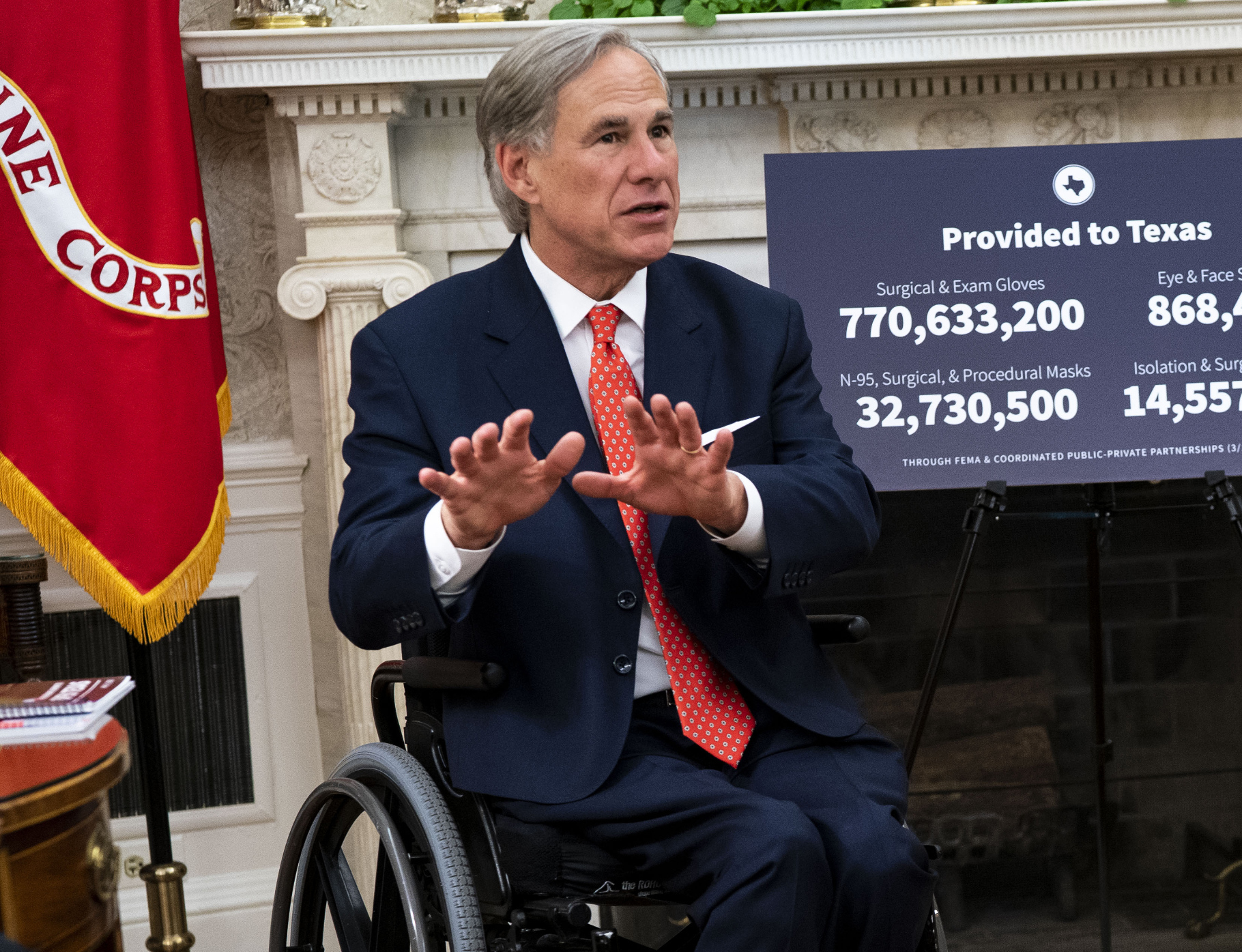
For anyone planning an immersive travel experience in the Lone Star State, understanding the political landscape, particularly the role of the Governor, might not be the first item on your itinerary. However, state leadership plays a profoundly influential, albeit often indirect, role in shaping the very fabric of Texas — from its economic vitality and infrastructure to the preservation of its historical landmarks and the promotion of its vibrant tourism sector. Currently, the Governor of Texas is Greg Abbott. A Republican, he has served in this capacity since 2015, having previously been the state’s Attorney General. While his primary duties revolve around legislative agendas, budget management, and public policy, the decisions made from the Governor’s office in Austin ripple through every aspect of life in Texas, significantly impacting the experience for both residents and the millions of tourists who flock to this diverse state each year.
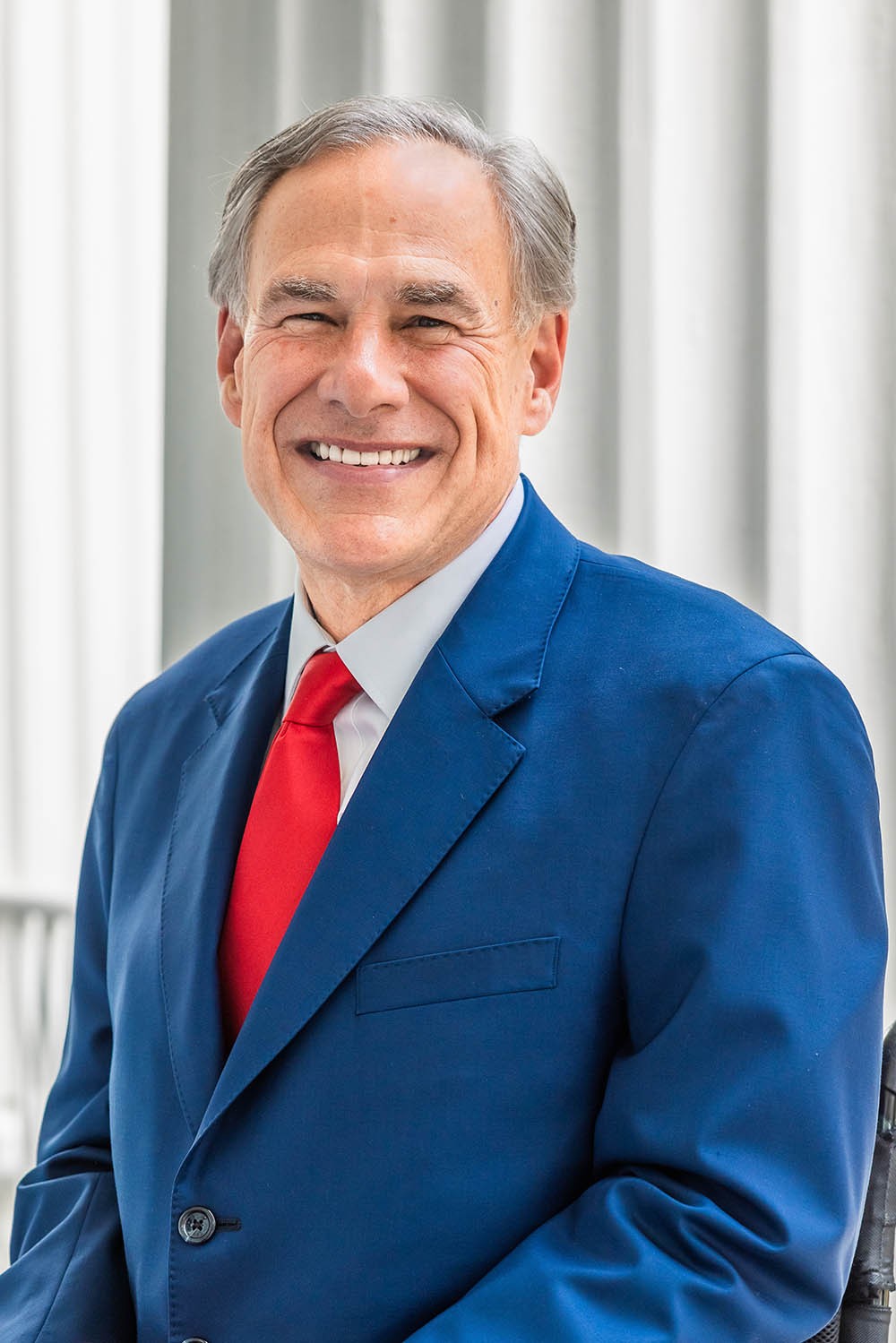
This article delves beyond the mere identification of the Governor, exploring how the state’s leadership influences your travel, accommodation, and lifestyle choices within Texas. From the bustling metropolises of Houston and Dallas to the historic charm of San Antonio and the serene beauty of Big Bend National Park, the policies and priorities set by the Governor and the state legislature contribute to the appeal and accessibility of these destinations. Whether you’re seeking luxury resorts, budget-friendly hotels, unique local cuisine, or family-friendly attractions, the administrative environment in Texas plays a part in fostering the conditions that make such experiences possible and enjoyable.
The Governor’s Seat: A Nexus for Texas Travel and Culture
The very location of the Governor’s office, nestled within the magnificent Texas State Capitol in Austin, immediately highlights the intrinsic connection between governance and tourism. The Capitol building itself is a premier landmark, attracting visitors from around the globe who come to admire its stunning architecture, delve into its rich history, and witness the workings of state government. Guided tours offer insights into the state’s legislative process, the stories behind its grand halls, and the significance of various historical figures, all while presenting a direct link to the state’s political heart.
Austin: The Heart of Texas Governance and a Thriving Tourist Hub
Austin, as the capital city, is far more than just a political center; it’s a dynamic hub of culture, music, and innovation that draws millions of visitors annually. The presence of the Governor and the state apparatus helps to solidify Austin’s prominence, often leading to increased infrastructure development, cultural funding, and heightened national and international visibility. Beyond the Capitol, visitors can explore the Governor’s Mansion, a historic residence that has housed Texas’s first families for over 160 years, offering a glimpse into gubernatorial life and a significant piece of state history. While typically not open for public tours in the same way as the Capitol, its presence adds to the historic ambiance of the downtown area.
Austin’s reputation as the “Live Music Capital of the World” is also indirectly supported by a thriving state economy and a culture that values the arts, both of which are influenced by state leadership. From iconic venues on Sixth Street to the eclectic atmosphere of the South Congress Avenue district, the city offers diverse experiences. Tourism in Austin is further bolstered by annual events like South by Southwest and the Austin City Limits Music Festival, which attract global audiences and contribute significantly to the local economy. State-level support for transportation, public safety, and cultural initiatives helps these events flourish. The city’s burgeoning culinary scene, from upscale dining to famous food trucks, benefits from a robust local economy and a diverse population, both factors influenced by broader state policies. For accommodation, Austin provides a spectrum of choices, from luxury downtown hotels and boutique resorts to budget-friendly apartments and long-term stay options, reflecting a healthy and competitive tourism market often spurred by state-level economic development efforts. The Governor, by fostering a stable and growth-oriented environment, contributes to the overall attractiveness of Austin as a destination for both business and leisure travel.

Shaping the Lone Star State’s Tourism and Economic Landscape
The Governor of Texas, through executive actions, legislative proposals, and budget allocations, plays a critical role in shaping the state’s economic priorities. Given that tourism is a multi-billion-dollar industry in Texas, state leadership’s focus on economic development, infrastructure improvements, and public safety directly impacts the visitor experience. Policies related to transportation, such as highway construction and airport expansion, are crucial for facilitating travel to and within the expansive state. Investment in public services and the promotion of a business-friendly environment also encourage the growth of hotels, resorts, and related tourism businesses.
Policies and Infrastructure: Paving the Way for Seamless Journeys
One of the most tangible impacts of state governance on travelers is infrastructure. Texas is a vast state, and efficient travel relies heavily on well-maintained roads, accessible airports, and robust public transportation systems in major urban centers. Governors like Greg Abbott oversee agencies responsible for these critical services. For instance, the expansion of interstate highways and the modernization of major airports such as Dallas/Fort Worth International Airport (DFW) and George Bush Intercontinental Airport in Houston are essential for welcoming domestic and international tourists. These massive projects require significant state funding and regulatory oversight, ensuring that visitors can reach their destinations comfortably and conveniently.
Furthermore, state policies regarding hospitality and tourism can influence everything from hotel development incentives to regulations affecting short-term rentals, impacting the availability and variety of accommodation options. A proactive state government might offer grants or tax incentives for new resort developments or the restoration of historic hotels, thereby enriching the state’s offerings for travelers. The Governor’s office also supports agencies like Texas Tourism, which actively markets the state as a premier destination, highlighting its diverse attractions, from its vibrant cities to its natural wonders. This promotion helps attract a steady stream of visitors, which in turn supports local businesses, creates jobs, and generates tax revenue that can be reinvested into state services and infrastructure. The overall business climate fostered by the state government also influences the quality and range of dining experiences, local shops, and entertainment venues available across Texas, ensuring a rich and satisfying lifestyle experience for visitors.
Celebrating Texas: From Natural Wonders to Urban Delights
Texas’s immense size translates into an incredible diversity of landscapes and cultural experiences. State leadership is instrumental in the preservation and promotion of these attractions. For instance, the state manages numerous state parks and historic sites, complementing the federal efforts at places like Big Bend National Park and Guadalupe Mountains National Park. These natural treasures offer opportunities for hiking, camping, and wildlife viewing, and their continued accessibility and maintenance depend on state funding and environmental policies. Similarly, the long stretch of the Texas Gulf Coast, with destinations like Galveston and South Padre Island, relies on state environmental protection and tourism promotion to attract beachgoers and marine enthusiasts.
Beyond nature, Texas boasts a wealth of iconic cities, each with its own unique appeal. San Antonio, home to The Alamo and the famous Riverwalk, draws millions seeking history and vibrant culture. State support for historical preservation, urban development, and cultural events helps these landmarks and attractions thrive. Houston, a global city known for its space industry, features the NASA Johnson Space Center, world-class museums, and a diverse culinary scene. Dallas offers sophisticated arts districts, luxury shopping, and a booming business sector. Meanwhile, Fort Worth proudly showcases its Western heritage at the Stockyards National Historic District. The Governor’s initiatives for economic growth and regional development ensure that these urban centers remain attractive for both business travel and leisure. State-level policies on safety, urban planning, and cultural funding directly impact the visitor experience, ensuring that whether you’re exploring the rugged beauty of the Hill Country, the artistic enclave of Marfa, the German heritage of Fredericksburg, or the vibrant Dallas Arts District, your journey is supported by a stable and forward-thinking state administration.
The Texas Lifestyle: Accommodating Every Traveler’s Dream
The diverse offerings of Texas cater to an incredibly broad range of travel lifestyles. From those seeking opulent luxury in Dallas’s high-end hotels and resorts to backpackers exploring the remote corners of Big Bend, the state accommodates every preference. The state’s economic policies and investment climate, influenced by the Governor, directly contribute to this vast array of choices. A healthy economy encourages developers to build new hotels, from international chains offering lavish suites to independent boutique hotels that capture local charm. It also fosters a competitive market, which can translate to better value for travelers across all budget levels.
Where to Stay and What to Experience: A State for Every Style
When planning accommodation in Texas, travelers will find options that perfectly match their lifestyle and budget. For those on a luxury travel quest, major cities like Houston and Dallas boast five-star hotels with world-class amenities, spas, and gourmet dining experiences. Resorts in the Hill Country offer serene escapes with golf courses and vineyard tours. Business travelers often gravitate towards hotels in the thriving downtown districts, offering convenient access to convention centers and corporate offices, many of which benefit from state economic incentives that attract businesses to Texas.
Families on vacation will find numerous family-friendly hotels with pools, kids’ clubs, and proximity to attractions like theme parks or museums. For budget travelers, a wealth of motels, hostels, and vacation rentals are available, particularly in popular tourist destinations and university towns. Long-term stay apartments and villas are also increasingly popular, especially for those relocating for work or enjoying an extended visit, providing a home-away-from-home experience. The regulatory environment for these diverse accommodation types, from safety standards to zoning laws, is largely set at the state level, ensuring quality and visitor protection.
Furthermore, the “lifestyle” aspect of Texas travel extends to the experiences available. Whether you’re indulging in Tex-Mex cuisine and BBQ, exploring the vibrant nightlife in Austin, visiting historical missions, or enjoying outdoor adventures at Padre Island National Seashore, the overarching framework of a welcoming and well-managed state, influenced by its leadership, ensures these experiences are not only possible but continually enhanced. The Governor’s commitment to public safety, economic stability, and the promotion of Texas’s unique culture ultimately contributes to a robust and appealing destination for every kind of traveler.
In conclusion, while Greg Abbott is the current Governor of Texas, his role transcends simple politics when viewed through the lens of travel and tourism. His administration, and indeed any state leadership, profoundly influences the accessibility, appeal, and overall experience of visiting the Lone Star State. From shaping the infrastructure that gets you there, to fostering the economic environment that supports a diverse range of accommodations and attractions, to preserving the landmarks and natural beauty that draw millions, the decisions made in the Texas State Capitol in Austin are deeply intertwined with the vibrant tapestry of Texas travel. Understanding this connection enriches your appreciation for the meticulous planning and governance that make Texas a truly unforgettable destination for every type of explorer.
LifeOutOfTheBox is a participant in the Amazon Services LLC Associates Program, an affiliate advertising program designed to provide a means for sites to earn advertising fees by advertising and linking to Amazon.com. Amazon, the Amazon logo, AmazonSupply, and the AmazonSupply logo are trademarks of Amazon.com, Inc. or its affiliates. As an Amazon Associate we earn affiliate commissions from qualifying purchases.