
Navigating the sunny state of Florida can be a dream, whether you’re embarking on a leisurely road trip to Miami‘s vibrant beaches, exploring the magical theme parks of Orlando, or venturing into the serene natural beauty of the Everglades. As you plan your journey, a practical question often arises for those accustomed to electronic toll payment systems: “Is EZ Pass accepted in Florida?” The answer, while not a simple yes or no, is crucial for ensuring a smooth and hassle-free travel experience across the Sunshine State’s extensive network of toll roads.
Understanding how toll collection works in Florida is key to deciphering the EZ Pass situation. Unlike some other regions in the United States where a single transponder might grant access to all toll facilities, Florida operates its own integrated system, primarily managed by Florida’s Turnpike Enterprise. This means that while your EZ Pass might not be directly swiped at every toll booth, there are indeed ways for EZ Pass holders to pay their tolls in Florida without issue, though it often requires a slightly different approach than what you might be used to. This guide will delve into the intricacies of toll collection in Florida, explaining the primary systems in place, how they interact with out-of-state transponders, and the best strategies for EZ Pass users to navigate the state’s toll roads efficiently.

Understanding Florida’s Toll Collection Systems
Florida boasts a comprehensive toll road system designed to manage traffic flow and fund infrastructure development. The primary entity overseeing these roads is Florida’s Turnpike Enterprise, a division of the Florida Department of Transportation. They operate a vast network, including the iconic Florida’s Turnpike, which stretches across a significant portion of the state, connecting major cities and attractions from the Florida Panhandle down to South Florida. Beyond the Turnpike, numerous other expressways and toll bridges are managed by regional authorities and counties, all of which contribute to the intricate web of tolling.
The technology employed for toll collection in Florida has evolved significantly. Traditionally, toll plazas featured cash lanes and SunPass-only electronic lanes. However, Florida has largely transitioned to all-electronic tolling, meaning that many former toll booths have been replaced by overhead gantries equipped with automated plate readers and transponder readers. This shift towards all-electronic tolling is designed to increase efficiency and reduce congestion, but it necessitates a clear understanding of how your payment method will be recognized.
SunPass: Florida’s Premier Toll Transponder
The dominant electronic toll collection system in Florida is SunPass. This is Florida’s own transponder system, managed by Florida’s Turnpike Enterprise. When you use a toll road in Florida, your SunPass transponder is read by overhead sensors, and the toll is automatically deducted from your linked prepaid account. SunPass is widely accepted across all toll roads operated by Florida’s Turnpike Enterprise, as well as many other toll facilities managed by regional transportation authorities and local governments within the state. For residents and frequent visitors to Florida, a SunPass is often the most straightforward and cost-effective way to pay tolls.
The convenience of SunPass extends to its integration with other states. SunPass is part of an interoperability network. This means that if you have a SunPass transponder, it can be used on toll roads in several other states, including Georgia, North Carolina, and Pennsylvania. This inter-state compatibility is a significant benefit for travelers moving between these regions. Conversely, this interoperability is also the key to understanding how EZ Pass users can navigate Florida.
The Interoperability Agreement: Connecting EZ Pass and SunPass
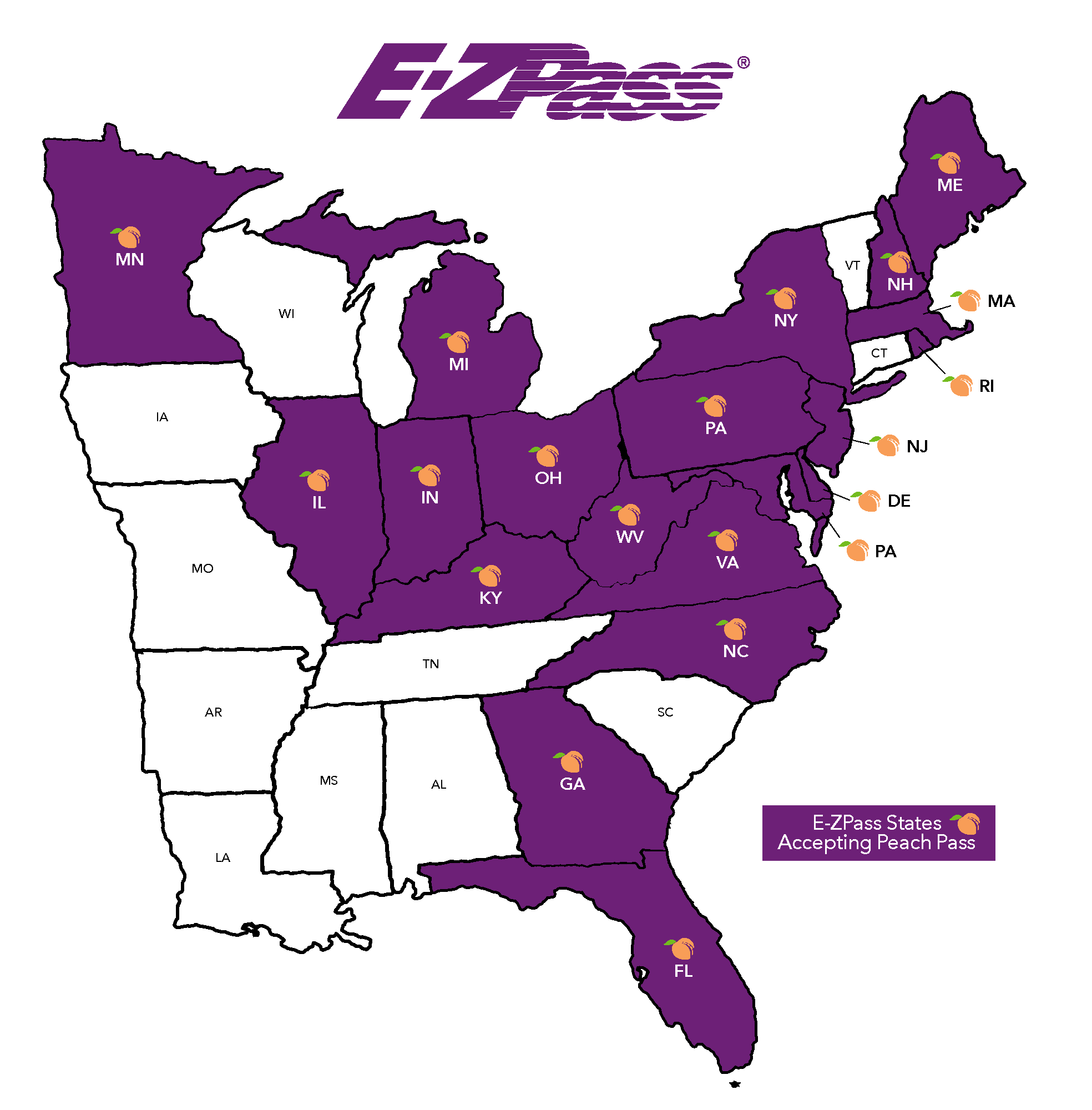
The crucial factor for EZ Pass users traveling to Florida lies in the concept of interoperability between toll collection systems. EZ Pass is a consortium of toll authorities primarily located in the northeastern and midwestern United States. It has established agreements with other electronic tolling systems across the country to allow their transponders to be used on participating toll roads.
Florida’s SunPass system is part of this interoperability network. This means that while EZ Pass itself is not directly issued or managed by Florida, and you cannot purchase an EZ Pass transponder in Florida, your EZ Pass transponder can be recognized and used on Florida’s toll roads. The transaction will be processed through the EZ Pass system, and the toll will be charged to your EZ Pass account, though the rates may differ slightly from those paid by a SunPass holder.
This interoperability is facilitated by agreements between the EZ Pass Group and the SunPass program. When your EZ Pass transponder is read at a toll point in Florida, the data is transmitted back to the EZ Pass system, which then communicates with SunPass to determine the appropriate toll amount. This seamless exchange of information ensures that EZ Pass users can enjoy the benefits of electronic toll payment without needing to switch to a local transponder.
How EZ Pass Users Can Pay Tolls in Florida
Given the interoperability, traveling in Florida with an EZ Pass is generally feasible. However, it’s important to understand the practicalities and potential considerations to ensure you’re not caught off guard by unexpected charges or missed payments. The most common scenarios involve drivers who already possess an EZ Pass transponder from their home state and are traveling to Florida for vacation, business, or relocation.
Using Your Existing EZ Pass Transponder
If you have an active EZ Pass transponder registered with your home toll authority, you can bring it with you to Florida and use it on toll roads. When you approach a toll point, the overhead equipment will scan your transponder. The information will be relayed to the EZ Pass system, and the toll will be charged to your EZ Pass account.
It is highly recommended that before your trip, you verify that your EZ Pass account is up-to-date and that your payment information is current. Ensure your transponder is properly mounted on your vehicle’s windshield as per the manufacturer’s instructions for optimal scanning performance. Also, check your EZ Pass provider’s website for any specific information or limitations regarding travel in Florida, although generally, it’s a straightforward process.
The key benefit here is convenience. You don’t need to purchase a new transponder or worry about setting up a temporary account. Your familiar EZ Pass system handles the payment, allowing you to bypass cash lanes and enjoy the speed and efficiency of electronic tolling.
What Happens if Your EZ Pass Isn’t Read?

Despite the interoperability, there can be instances where your transponder might not be read correctly. This could be due to various factors, such as improper mounting, a dead battery in the transponder, or interference from other electronic devices. In such cases, Florida’s all-electronic tolling system will capture your vehicle’s license plate number using an overhead camera.
If your EZ Pass is not recognized, the toll authority in Florida will attempt to identify the registered owner of the vehicle through license plate recognition. Since Florida is part of the EZ Pass network, it is generally able to send a notice to the EZ Pass system, which will then attempt to match the license plate with an existing EZ Pass account. If a match is found, the toll will be charged to your EZ Pass account.
However, it’s crucial to be aware of potential delays or additional fees. If the license plate cannot be matched to an EZ Pass account, or if there’s a significant delay in the process, you may receive a toll bill by mail from the Florida toll authority. These bills are often for a higher amount than the electronic toll rate and may include administrative fees. To avoid these, it’s best to proactively ensure your EZ Pass account has your current vehicle information, including license plate numbers, linked to it.
Alternatives and What to Do if You Don’t Have EZ Pass
For travelers who do not have an EZ Pass transponder or who are looking for alternative solutions when visiting Florida, there are other options. The primary alternative is to obtain a SunPass transponder. You can purchase a SunPass transponder online through the SunPass website, at authorized retail locations such as CVS Pharmacy or Walgreens, or directly from Florida’s Turnpike Service Plazas. Setting up a SunPass account is relatively easy and can be done online or over the phone.
If you plan to spend a significant amount of time in Florida or anticipate frequent use of toll roads, obtaining a SunPass can be more cost-effective, as you will benefit from the resident toll rates and potentially avoid any interoperability surcharges that might apply to out-of-state transponders.
For short-term visitors who don’t want to purchase a transponder, the “Toll-by-Plate” option is available. As mentioned, if your transponder isn’t read, your license plate will be scanned. You will then receive a bill in the mail to the address associated with the vehicle’s registration. If you are from out of state and receive a toll bill, it is imperative to pay it promptly to avoid escalating fees and potential issues with your vehicle registration. Some Florida toll authorities also offer temporary visitor toll passes that can be purchased in advance, allowing for unlimited toll use over a specific period.
Tips for EZ Pass Users in Florida
To ensure your travels through Florida are as smooth as possible with your EZ Pass, here are some practical tips and considerations:
1. Update Your EZ Pass Account Information
This is perhaps the most critical step. Before embarking on your journey, log in to your EZ Pass account and verify that all your vehicle information is current. This includes the make, model, color, and crucially, the license plate number of the vehicle you will be driving in Florida. If you are driving a rental car, ensure that the license plate of the rental vehicle is added to your EZ Pass account. Many EZ Pass providers allow you to add multiple vehicles to your account. Keeping this information accurate helps the system match your transponder or license plate to your account, preventing potential toll bills or disputes.
2. Ensure Your Transponder is Functioning Correctly
A malfunctioning transponder is a common cause of missed tolls. Check the battery life of your EZ Pass transponder if it’s a model that has a replaceable battery. Ensure the transponder is securely attached to your windshield in the correct position, typically near the rearview mirror, to allow for optimal scanning by the overhead readers. Avoid placing any stickers or tinting on the windshield that might obstruct the transponder’s signal. If you have any doubts about your transponder’s functionality, contact your EZ Pass provider for advice or a replacement.
3. Familiarize Yourself with Florida’s Toll Roads
While your EZ Pass will work on most toll roads, it’s beneficial to have a general understanding of where toll roads are located in Florida. Major routes like I-4, the Sunshine Skyway Bridge, and various expressways in cities like Tampa, Orlando, Miami, and Fort Lauderdale are tolled. Many GPS navigation systems and mapping apps can be configured to alert you to upcoming tolls or to plan routes that avoid tolls altogether, which can be helpful if you’re trying to manage expenses. However, for time efficiency, especially on longer journeys or in congested urban areas, using toll roads is often the best option.
4. Be Aware of Potential Surcharges and Rates
While EZ Pass is accepted, the rates charged may not always be identical to those for SunPass users. Interoperability agreements sometimes include a small surcharge for using an out-of-state transponder. This is usually a minor difference, but it’s good to be aware of. You can often find information on Florida’s Turnpike Enterprise website or by contacting your EZ Pass provider about potential differences in rates for out-of-state transponders.
5. Keep Records of Your Toll Usage
It’s always a good practice to keep records of your toll usage, whether through your EZ Pass online portal or by saving any physical toll bills you might receive. This helps in tracking expenses and resolving any discrepancies that might arise. If you receive a toll bill by mail and believe it’s an error, contact the issuing Florida toll authority promptly.
By following these guidelines, EZ Pass holders can confidently navigate the toll roads of Florida, enjoying the same convenience and efficiency as local SunPass users. The interoperability between systems ensures that the vast and beautiful landscapes of Florida, from the theme parks of Orlando to the beaches of Key West, are accessible without the added stress of toll payment complications. Whether you’re a first-time visitor or a returning traveler, a little preparation goes a long way in making your Florida road trip a memorable and enjoyable experience.
LifeOutOfTheBox is a participant in the Amazon Services LLC Associates Program, an affiliate advertising program designed to provide a means for sites to earn advertising fees by advertising and linking to Amazon.com. Amazon, the Amazon logo, AmazonSupply, and the AmazonSupply logo are trademarks of Amazon.com, Inc. or its affiliates. As an Amazon Associate we earn affiliate commissions from qualifying purchases.