
The question “Where Is The State Of Oregon Located?” might seem straightforward, but delving into its geographical placement unlocks a deeper understanding of its unique character, its connection to the wider world, and the incredible experiences it offers to travelers. Oregon, a state renowned for its breathtaking natural beauty, vibrant cities, and diverse landscapes, occupies a distinctive position within the United States, shaping its climate, its culture, and its appeal as a premier travel destination.
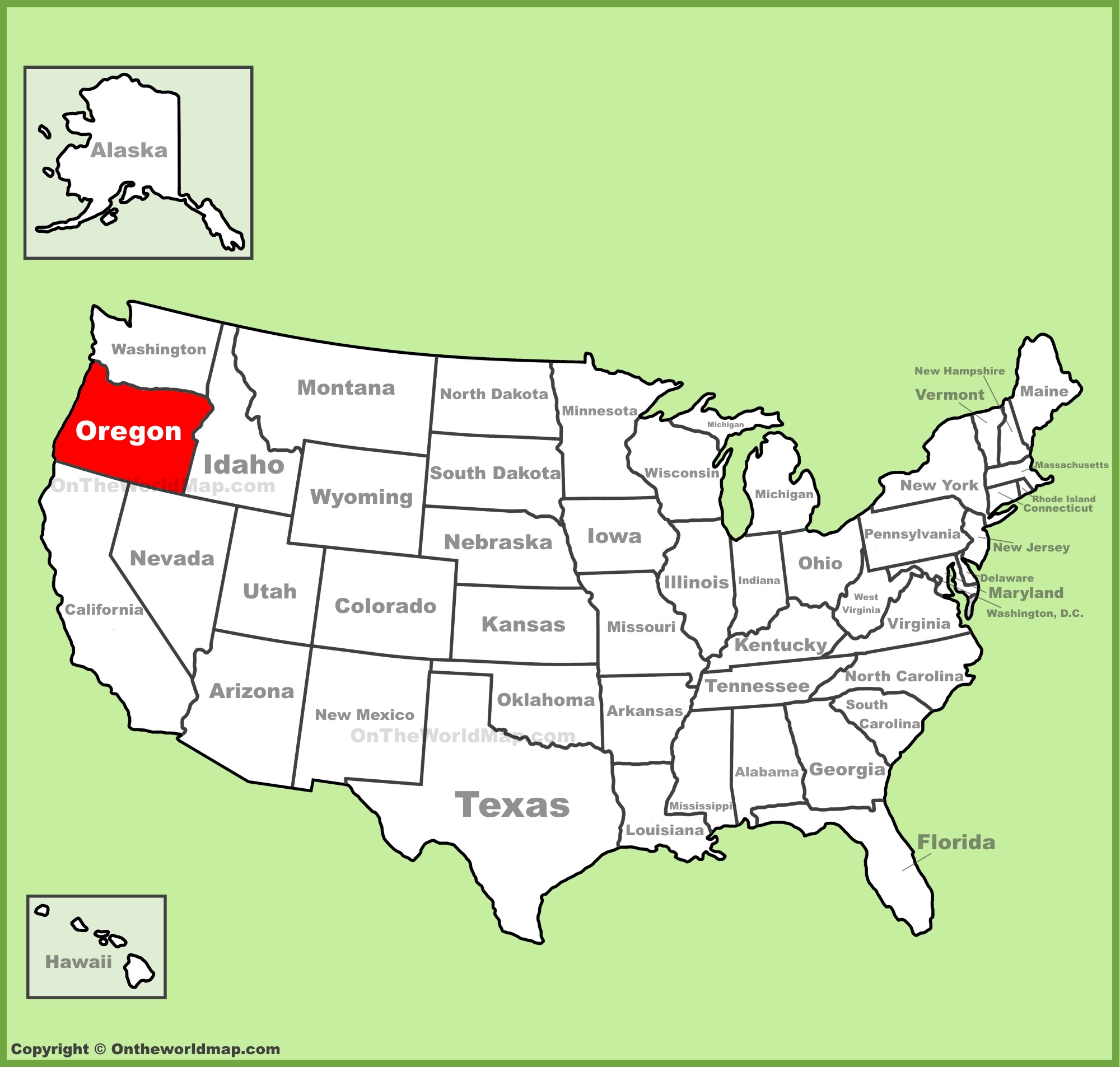
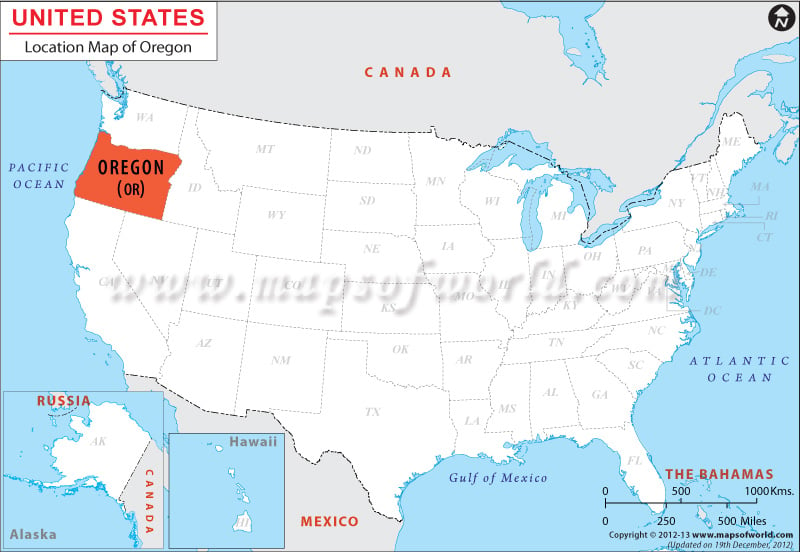
Nestled in the Pacific Northwest region of the United States, Oregon shares borders with several other significant geographical entities. To its north lies the state of Washington, separated for much of its length by the mighty Columbia River. To the east, it is bordered by Idaho, with the Snake River forming part of this boundary. To the south, California and Nevada mark its southern extent. And to the west, the vast and awe-inspiring Pacific Ocean stretches as far as the eye can see, defining Oregon’s dramatic coastline. This strategic location, bridging the fertile valleys of California and the rugged interior of the Pacific Northwest, provides Oregon with a unique blend of influences and opportunities.
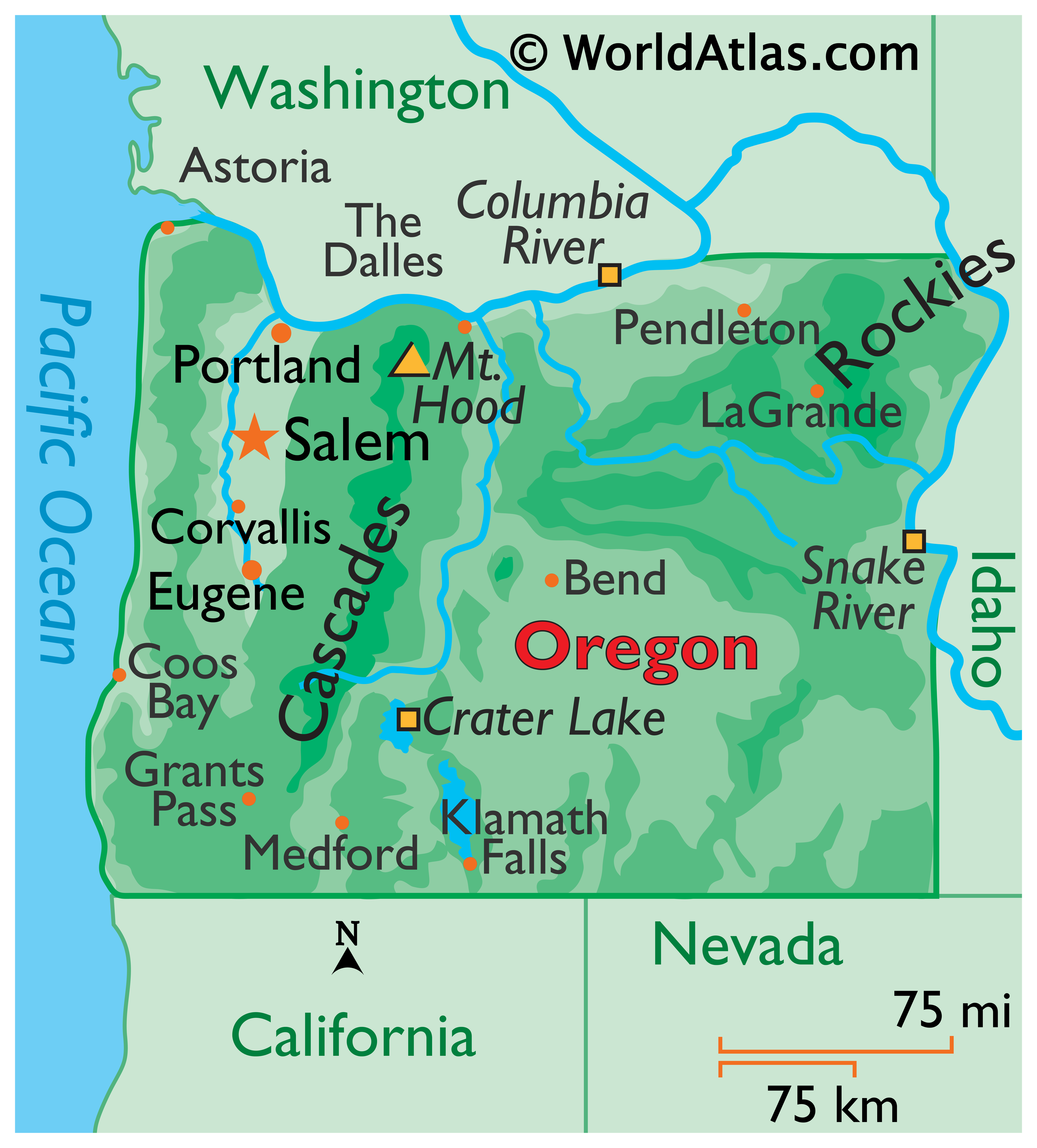
Embracing the Pacific Northwest: Oregon’s Geographical Context
Oregon’s position within the Pacific Northwest is a defining aspect of its identity. This region, characterized by its lush temperate rainforests, volcanic mountain ranges, and a rugged coastline, fosters a distinct lifestyle and a deep appreciation for the outdoors. Oregon, as one of the three core states of this region (alongside Washington and Idaho, and often including parts of Montana and Wyoming), embodies many of these quintessential Pacific Northwest traits.
The state’s latitude, roughly between the 42nd and 46th parallels north, places it in a temperate zone, contributing to its varied climate. However, within Oregon, this temperate climate experiences significant regional variations, largely dictated by the imposing Cascade Range. This volcanic mountain chain, a prominent feature running north-south through the state, acts as a powerful meteorological divider.
West of the Cascades: A Maritime Influence
To the west of the Cascade Range, Oregon experiences a climate heavily influenced by the moderating effect of the Pacific Ocean. This zone, which includes major population centers like Portland, Salem, and Eugene, is characterized by mild, wet winters and cool, dry summers. The abundant rainfall fuels the region’s iconic temperate rainforests, including the dense, moss-draped forests found in areas like the Oregon Coast Range and the Willamette Valley.
The Willamette Valley, in particular, is Oregon’s agricultural heartland and a prime example of how geography influences lifestyle and tourism. Its fertile soil, nourished by the rain and the silt from its namesake river, is renowned for producing world-class wines, particularly Pinot Noir. This has led to the development of a thriving wine tourism industry, with numerous wineries and vineyards offering tastings and tours, drawing visitors from around the globe. Cities within the valley, such as Portland, offer a dynamic urban experience with a strong emphasis on farm-to-table dining, craft breweries, and a vibrant arts scene, all within easy reach of natural wonders.
The Oregon Coast itself is a spectacular attraction, a testament to the Pacific Ocean‘s power and beauty. Here, dramatic sea stacks, sandy beaches, and charming coastal towns like Cannon Beach and Seaside offer a quintessential coastal experience. The ocean’s presence creates a unique microclimate, often characterized by fog and persistent moisture, which contributes to the lushness of the coastal vegetation. For travelers, the Oregon Coast offers opportunities for whale watching, exploring tide pools, hiking along scenic trails, and simply enjoying the invigorating ocean air.
East of the Cascades: A Different World
As one moves east of the Cascade Range, the landscape and climate undergo a dramatic transformation. The mountains act as a rain shadow, creating a much drier environment in the eastern half of the state. This region, often referred to as “High Desert” or “Eastern Oregon,” is characterized by vast expanses of sagebrush, rolling hills, and a more arid, continental climate with hotter summers and colder winters.
The Columbia River Plateau dominates much of this area, carved by ancient lava flows and glacial floods. Towns like Bend, though increasingly popular for its outdoor recreation, sit on the edge of this high desert environment. Eastern Oregon is home to unique natural landmarks, including the striking volcanic formations of the Painted Hills, part of the John Day Fossil Beds National Monument, and the expansive wilderness areas of the Wallowa Mountains, often referred to as the “Swiss Alps of Oregon.”
This starkly beautiful region offers a different kind of travel experience, one focused on solitude, rugged adventure, and a connection to a more untamed natural world. Activities here include hiking, rock climbing, stargazing (due to the minimal light pollution), and exploring the rich paleontological history preserved in the fossil beds. The stark contrasts between the verdant west and the arid east are a key part of what makes Oregon so geographically diverse and appealing to a wide range of visitors.
Oregon’s Place on the World Stage: Connectivity and Access
Understanding where Oregon is located also means considering its connectivity to the rest of the world. Its position on the west coast of the United States makes it a crucial gateway to the Pacific Rim and Asia. The major international airport in Portland serves as a hub for flights across the Pacific, facilitating trade and tourism between North America and Asian destinations.
For travelers planning a visit, Oregon’s location is generally quite accessible. Major interstate highways, including I-5, which runs north-south through the state, connect Oregon to California and Washington, making road trips a popular way to explore. The state also has a robust Amtrak train service, offering scenic journeys through its varied landscapes.
The presence of major metropolitan areas like Portland ensures a wealth of accommodation options, from luxury hotels like the The Nines, a Luxury Collection Hotel, Portland, to boutique inns and budget-friendly motels. The hospitality industry in Oregon is well-equipped to cater to diverse travel needs, whether you’re seeking a family-friendly resort on the coast, a cozy cabin in the mountains, or a sophisticated city stay.
For those interested in the cultural aspects of Oregon, its location influences its heritage. The indigenous peoples who have inhabited this land for millennia have a deep connection to its natural resources. Later, pioneers traveling the Oregon Trail established the foundations of the state’s current population. This history is palpable in the museums, historical sites, and the ongoing cultural practices found throughout Oregon.
Exploring Oregon’s Wonders: From Coastal Shores to Mountain Peaks
The answer to “Where Is The State Of Oregon Located?” is not just about its coordinates on a map; it’s about the experiences that arise from its unique geographical position. Oregon’s diverse landscapes offer an unparalleled array of attractions for any traveler.
For the nature enthusiast:
- Crater Lake National Park: Home to Crater Lake, the deepest lake in the United States, formed in the caldera of a collapsed volcano. Its incredibly blue water is a sight to behold.
- Oregon Coast: Explore iconic formations like Haystack Rock in Cannon Beach, visit charming fishing villages, and discover secluded coves.
- Mount Hood National Forest: The majestic Mount Hood, Oregon’s highest peak, offers year-round recreation, from skiing and snowboarding at Timberline Lodge to hiking and camping in the summer.
- Columbia River Gorge National Scenic Area: This stunning gorge features numerous waterfalls, including the iconic Multnomah Falls, and offers incredible hiking and windsurfing opportunities.
For the urban explorer:
- Portland: Known as the “City of Roses,” Portland boasts a vibrant food scene, numerous bookstores, craft breweries, and a strong independent spirit. Don’t miss the International Rose Test Garden or the Powell’s City of Books.
- Bend: A rapidly growing city in Central Oregon, Bend is an outdoor adventure hub with access to hiking, biking, skiing, and craft breweries.
For the history and culture seeker:
- Oregon Historical Society Museum in Portland: Delve into the state’s rich past.
- Oregon Trail Interpretive Center in Baker City: Learn about the arduous journey of pioneers to the West.
- Tamástslikt Cultural Institute in Pendleton: Explore the history and culture of the Confederated Tribes of the Umatilla Indian Reservation.
In conclusion, Oregon’s location is the key to its extraordinary diversity. Situated in the Pacific Northwest of the United States, bordered by Washington, Idaho, California, Nevada, and the Pacific Ocean, it offers a geographical tapestry that is both dramatic and inviting. Whether you’re drawn by the misty allure of the coast, the rugged beauty of its high desert, the urban sophistication of its cities, or the serene majesty of its mountains, Oregon promises an unforgettable journey, profoundly shaped by its place in the world.
LifeOutOfTheBox is a participant in the Amazon Services LLC Associates Program, an affiliate advertising program designed to provide a means for sites to earn advertising fees by advertising and linking to Amazon.com. Amazon, the Amazon logo, AmazonSupply, and the AmazonSupply logo are trademarks of Amazon.com, Inc. or its affiliates. As an Amazon Associate we earn affiliate commissions from qualifying purchases.