
Florida, a state synonymous with sun-drenched beaches, thrilling theme parks, and vibrant cultural experiences, often finds itself at the forefront of significant legislative changes that can impact the lives of its residents and the experiences of its millions of visitors. Among these, ballot amendments play a crucial role in shaping the state’s future. Understanding these amendments is essential for anyone with a vested interest in the Sunshine State, from long-term residents to seasonal travelers planning their next getaway to destinations like Orlando or the Florida Keys.
Florida Amendment 3, in particular, has been a topic of considerable discussion, primarily due to its implications for gambling within the state. While not directly related to booking a suite at the Ritz-Carlton or navigating the attractions of Walt Disney World Resort, understanding Amendment 3 provides valuable insight into the evolving landscape of Florida’s tourism and entertainment sectors. This amendment, when it has appeared on the ballot, has aimed to give Florida voters the ultimate say in whether to expand or authorize new casino gambling.
The Genesis and Purpose of Florida Amendment 3
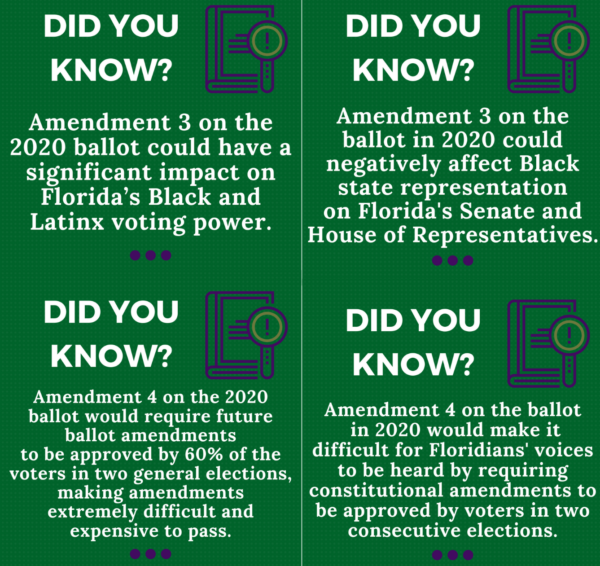
The core objective of Florida Amendment 3 is rooted in the principle of direct democracy, granting citizens the power to decide on significant changes to the state’s gambling regulations. This approach aims to bypass the complex legislative processes and potential lobbying efforts that can influence gambling laws. By requiring a statewide vote, the amendment ensures that any expansion or authorization of new casino-style gambling must have the explicit approval of the majority of Floridians.
Voter Control Over Gambling Expansion
Historically, decisions regarding gambling in Florida have been a complex interplay between the legislature, tribal nations, and existing pari-mutuel facilities. Amendment 3 sought to introduce a clear and direct path for voter approval, ensuring that any new forms of casino gambling, such as those potentially found in integrated resorts or expanded offerings at existing venues, would only be permitted if the voters themselves agreed. This mechanism serves as a safeguard against the incremental expansion of gambling without public consensus.
Distinguishing Casino Gambling from Other Forms
It is important to note the specific focus of Amendment 3. It primarily addresses “casino gambling,” which typically refers to games of chance played in a casino setting, such as slot machines, table games like blackjack and poker, and roulette. This is distinct from other forms of gambling that may be legal in Florida, such as horse racing, greyhound racing, jai alai, or the state lottery. The amendment is concerned with the introduction of new, large-scale casino operations, rather than amendments to existing, non-casino gambling activities.
The Mechanics and Impact of Amendment 3
When Amendment 3 appears on the ballot, it presents voters with a straightforward question: should the state be allowed to authorize new forms of casino gambling? The amendment typically requires a supermajority – often 60% – of the votes cast for it to pass. This higher threshold underscores the intention to ensure broad public support before enacting significant changes to the state’s gambling landscape.
The Supermajority Requirement
The inclusion of a supermajority requirement is a critical feature of Amendment 3. This means that a simple majority is not enough; proponents must garner at least 60% of the votes to see the amendment enacted. This elevated bar reflects the sensitive nature of gambling legislation and the desire for a strong, undeniable mandate from the electorate before any substantial changes are made. This is a common feature in ballot initiatives that seek to enact fundamental policy shifts.
Potential Ramifications for Florida’s Tourism Economy
The passage or failure of Amendment 3 can have significant ripple effects on Florida’s robust tourism industry. Proponents often argue that the authorization of new casino resorts could attract additional tourists, create jobs, and generate substantial tax revenue for the state. These developments could potentially compete with or complement existing attractions like theme parks in Tampa or the beaches of Miami Beach. Conversely, opponents often raise concerns about the potential negative social impacts of expanded gambling, such as increased addiction rates and the strain on local resources.
Implications for Existing Entertainment and Hospitality
The potential for new, large-scale casino developments under Amendment 3 could also influence the competitive landscape for existing entertainment and hospitality businesses. Hotels, resorts, and other leisure establishments that do not directly offer casino gambling might face increased competition for tourist dollars. However, it’s also possible that integrated resorts, combining hotels with casinos and other entertainment options, could create new types of travel experiences and attract a broader range of visitors. Understanding this dynamic is crucial for anyone in the hospitality sector, from boutique inns to sprawling resorts.
The Legislative Journey and Voter Engagement
Florida Amendment 3 is not a static piece of legislation; its journey to the ballot and its potential enactment involve a complex legislative and electoral process. The amendment typically requires sponsorship and passage through the Florida Legislature before it can be presented to the voters. This legislative phase often involves extensive debate, lobbying from various stakeholders, and potential amendments to the proposed text.
The Role of the Florida Legislature
Before any constitutional amendment can be put before the voters, it must first navigate the legislative process. This means that a specific number of legislators in both the Florida House of Representatives and the Florida Senate must vote to approve the amendment. This stage is critical, as it allows for public hearings, committee reviews, and the incorporation of feedback from constituents and interest groups. The legislative path ensures that proposed amendments are subject to scrutiny and debate before they reach the general electorate.
Campaigns for and Against Passage
Once an amendment is certified for the ballot, it often triggers significant public awareness campaigns from both proponents and opponents. Organizations with vested interests in gambling expansion, such as casino operators or tourism boards, will likely advocate for its passage. Conversely, groups concerned about the social and economic consequences of increased gambling will campaign for its defeat. These campaigns involve advertising, public rallies, and the dissemination of information to voters across the state, influencing how residents in cities like Jacksonville or Fort Lauderdale perceive the issue.
The Significance of Voter Turnout
The success of any ballot amendment, including Amendment 3, is heavily dependent on voter turnout. Higher turnout generally means that a broader cross-section of the population is participating in the decision-making process. For an amendment requiring a supermajority, maximizing turnout among supporters is paramount. Conversely, opponents might focus on mobilizing their base to ensure the necessary threshold is not met. This underscores the importance of civic engagement for all Floridians, whether they are permanent residents or frequent visitors who feel a connection to the state’s future.
Understanding Amendment 3: A Key to Florida’s Future
Florida Amendment 3, when it has been presented to voters, represents a significant mechanism for shaping the state’s approach to gambling. Its focus on direct voter control and its requirement for a supermajority underscore the intention to ensure that any expansion of casino gambling has the unequivocal support of the people of Florida. While the amendment’s direct impact might not be on booking a vacation package or choosing a specific resort, its potential to alter the entertainment and economic landscape of the state makes it a crucial piece of legislation for residents and anyone interested in the long-term trajectory of Florida as a premier destination.
The Broader Context of Florida’s Ballot Initiatives
Amendment 3 is part of a larger tradition of direct democracy in Florida, where citizens have the power to propose and vote on changes to the state constitution. Other amendments have addressed issues ranging from property taxes to environmental protections, demonstrating the significant influence of the electorate in shaping state policy. Understanding Amendment 3, therefore, also provides insight into the broader participatory governance structure of Florida.

Informing Travel Decisions and Consumer Choices
While not a direct travel guide, an awareness of Amendment 3 can indirectly inform travel decisions for some individuals. Those who are specifically interested in gambling tourism might find the potential for new casino developments to be an attractive prospect for future trips to the state. Conversely, travelers who prefer a gambling-free vacation experience might also use this information to plan their itineraries, perhaps focusing more on destinations known for their natural beauty, like Everglades National Park, or their cultural offerings in cities like St. Petersburg. This amendment adds another layer of consideration for understanding the diverse attractions and offerings within Florida.
LifeOutOfTheBox is a participant in the Amazon Services LLC Associates Program, an affiliate advertising program designed to provide a means for sites to earn advertising fees by advertising and linking to Amazon.com. Amazon, the Amazon logo, AmazonSupply, and the AmazonSupply logo are trademarks of Amazon.com, Inc. or its affiliates. As an Amazon Associate we earn affiliate commissions from qualifying purchases.