
The question, “Where Was New York Located?” might seem disarmingly simple at first glance, conjuring images of the iconic skyline of modern-day New York City. However, this inquiry delves into a fascinating historical narrative, tracing the origins of one of the world’s most influential metropolises from its humble beginnings to its present-day global stature. The story of New York’s location is not a static one; it’s a tale of exploration, colonization, shifting powers, and persistent growth, deeply intertwined with the broader tapestry of American history and global trade. To truly understand where New York was located, we must journey back in time to its pre-colonial roots, its establishment as a Dutch outpost, its transformation under British rule, and its enduring significance as a nexus of commerce and culture.

The Genesis of a Metropolis: From Indigenous Lands to Dutch Settlement
Long before European ships ever appeared on the horizon, the land that would become New York was home to various Indigenous peoples, primarily the Lenape (also known as the Delaware). These ancestral inhabitants lived in harmony with the natural environment, utilizing the fertile river valleys and abundant coastal resources for sustenance and trade. The island of Manhattan, a crucial strategic and resource-rich area, was a significant part of their ancestral territory. Their presence and relationship with the land laid the foundational understanding of its geographical importance.
The first recorded European exploration of the area was in 1609 by Henry Hudson, an Englishman sailing for the Dutch East India Company. Hudson was tasked with finding a westward passage to Asia, but instead, he navigated the river that now bears his name – the Hudson River. This expedition revealed the immense potential of the region, with its deep waterways offering access to the interior and its lush landscapes promising resources. The Dutch recognized this potential, and shortly after, the Dutch West India Company established a permanent trading post.
New Amsterdam: A Dutch Colonial Hub
In 1624, the Dutch formally established a settlement on the southern tip of Manhattan Island, naming it Nieuw Amsterdam (New Amsterdam). This marked the official beginning of European settlement and the very first “location” of what would eventually become New York. The primary purpose of Nieuw Amsterdam was as a fur trading post, leveraging the river system to collect pelts from Indigenous populations and ship them back to Europe. The settlement quickly grew, attracting merchants, artisans, and settlers from various parts of the Netherlands and beyond.
The location of Nieuw Amsterdam was meticulously chosen for its strategic advantages. Situated on a defensible island with access to the natural harbor of New York Bay, it offered protection from potential attacks and facilitated trade. The East River and the Hudson River provided vital arteries for transportation and exploration, connecting the settlement to the vast interior of the continent. The Dutch West India Company invested in fortifying the settlement, building structures, and establishing governance. This period saw the laying of the groundwork for the city’s future as a significant port and commercial center. The wall at the northern end of the settlement, which gave Wall Street its name, was a physical manifestation of its early efforts to secure its boundaries. The multicultural nature of Nieuw Amsterdam also began to take shape during this era, with people of various ethnicities and religions coexisting, a characteristic that would define New York for centuries to come.
The development of Nieuw Amsterdam wasn’t solely focused on trade. The Dutch also established agricultural practices and began to explore the surrounding territories, including Long Island and parts of what is now New Jersey. The vision was to create a thriving colony that would serve as a linchpin in the Dutch empire’s transatlantic trade network. The early settlers were pragmatic and entrepreneurial, laying the foundation for the city’s enduring spirit of commerce and innovation.
The Transfer of Power: From Dutch Rule to British Dominance
The strategic location and growing prosperity of Nieuw Amsterdam did not escape the attention of other European powers, particularly England. In 1664, during a period of Anglo-Dutch rivalry, an English fleet sailed into the harbor and demanded the surrender of the colony. Despite having a capable governor in Peter Stuyvesant, the settlement was ill-prepared for a protracted siege, and the Dutch authorities ultimately capitulated without a major fight.
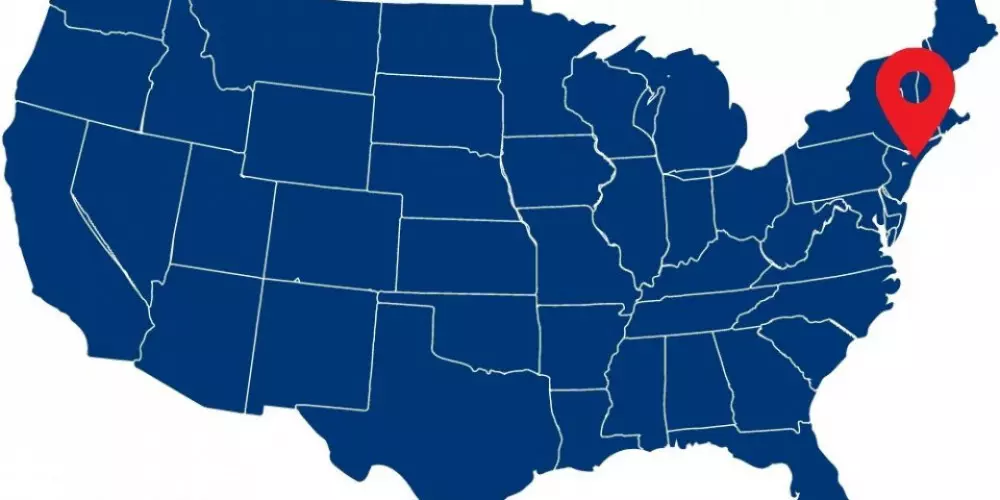
The English, under the command of Colonel Richard Nicolls, took control of the colony and promptly renamed it New York, in honor of the Duke of York, who would later become King James II of England. This marked a pivotal moment in the history of the settlement’s location and its identity. While the name changed, the geographical advantages of the site remained paramount. The harbor, the rivers, and the strategic position continued to make it a highly desirable location.
New York Under British Rule: Expansion and Evolution
Under British rule, New York continued its trajectory of growth and development. The English administration maintained many of the existing Dutch institutions and social structures, recognizing their effectiveness. The port of New York became increasingly important for transatlantic trade, serving as a key destination for British ships and a hub for the exchange of goods. The city’s population grew with the influx of English settlers, as well as immigrants from other parts of Europe.
The geographical location proved instrumental in the city’s role during the American Revolution. New York was strategically important for both the Continental Army and the British Army due to its access to waterways and its position as a major port. While the city was occupied by the British for much of the war, its spirit of independence and its eventual liberation by the Continental Army solidified its place in the narrative of American nationhood. The site’s inherent geographical strengths facilitated military movements and logistical operations, underscoring its enduring strategic value.
The colonial era under the British saw the gradual expansion of New York beyond its original boundaries. Development spread northward along Manhattan Island, and settlements on Long Island and in the surrounding areas also grew. The foundation for the city’s characteristic grid plan began to emerge during this period, reflecting a more organized approach to urban planning. The economic engine of New York was fueled by trade in commodities such as grain, timber, and eventually, enslaved labor.
The 18th century witnessed New York solidify its position as a leading commercial and administrative center within the British colonies. Its harbor was a hive of activity, and its markets attracted traders from far and wide. The city’s diverse population, a legacy of its Dutch origins and ongoing immigration, contributed to its vibrant social fabric and its adaptability. The physical location, with its natural harbor and access to inland waterways, was the constant factor that enabled this sustained prosperity and growth, transcending political changes.
The Enduring Significance of New York’s Location
The question “Where Was New York Located?” ultimately leads us to understand that its location has always been its greatest asset. From the Indigenous lands of the Lenape to the Dutch outpost of Nieuw Amsterdam and the British colony of New York, the geographical advantages of the harbor and the confluence of rivers remained constant. This prime location facilitated trade, enabled exploration, and ultimately, contributed to its rise as a global metropolis.
A Crossroads of Commerce and Culture
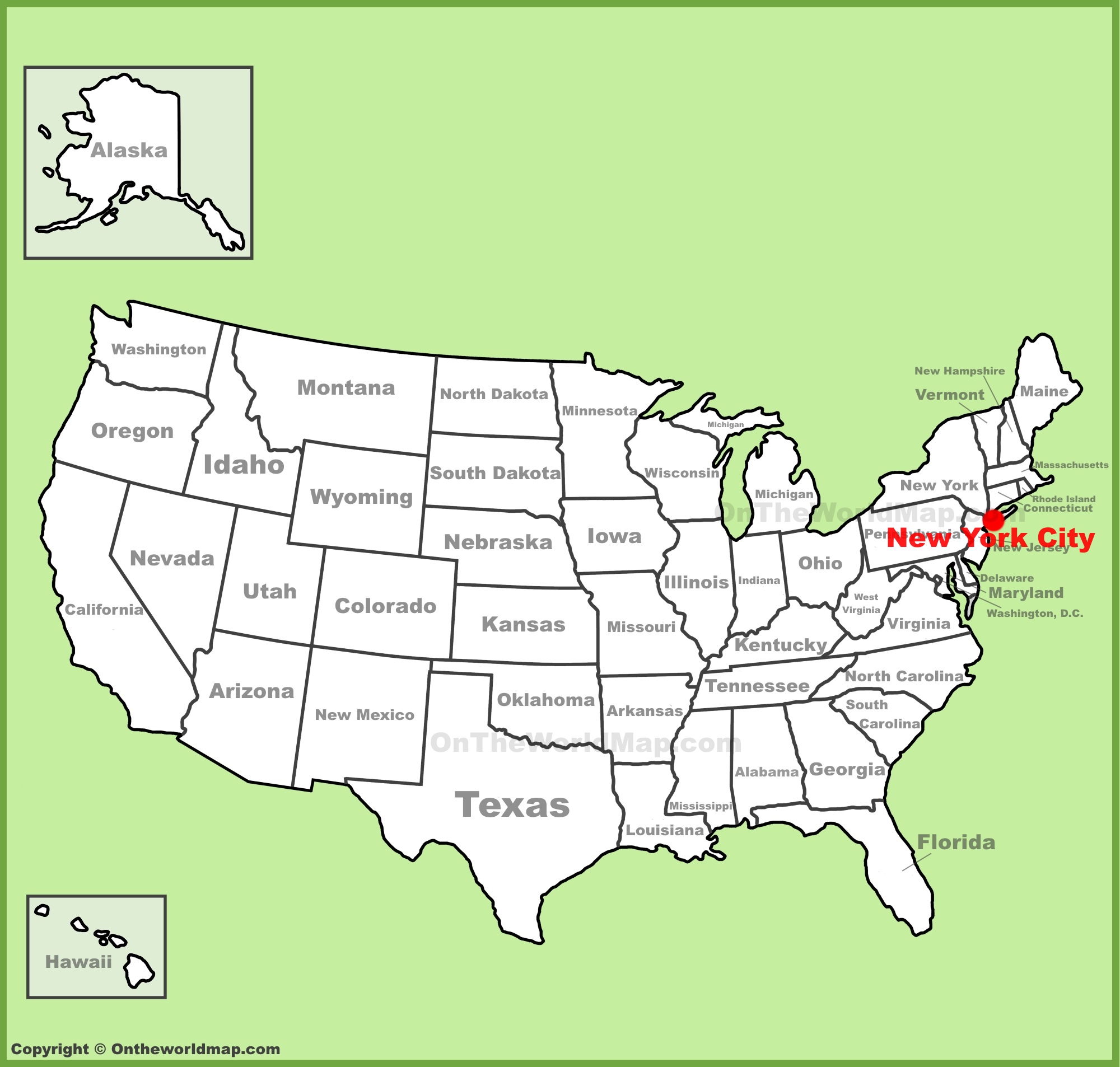
The strategic position of New York at the mouth of the Hudson River and facing the Atlantic Ocean made it a natural gateway between the North American continent and the rest of the world. This geographical endowment has been the driving force behind its economic success throughout its history. Even before the establishment of the United States, New York was a vital hub for transatlantic trade, exchanging goods and ideas between Europe and the Americas.
The construction of infrastructure, such as the Erie Canal in the 19th century, further amplified the benefits of New York‘s location. This engineering marvel connected the Great Lakes to the Atlantic Ocean via the Hudson River, transforming New York City into the undisputed commercial capital of the burgeoning United States. Goods from the interior of the continent could now be efficiently transported to New York for export, and manufactured goods from Europe could be distributed inland. This cemented New York’s role as a logistical powerhouse and a nexus of commerce.
A Global Hub of Opportunity
Today, New York City stands as a testament to the enduring power of its location. It is a global center for finance, fashion, art, and culture, attracting millions of visitors and immigrants each year. The city’s iconic landmarks, from the Statue of Liberty to the Empire State Building, are recognized worldwide, symbolizing opportunity and aspiration. The very act of arriving in New York, whether by sea or by air, reinforces its status as a global crossroads.
The continuous evolution of New York‘s landscape, from the early Dutch settlement to the sprawling urban environment of today, is a story of adaptation and innovation, all anchored to its powerful geographical position. The initial decision by the Dutch West India Company to establish a settlement on Manhattan Island was a strategic masterstroke, capitalizing on natural resources and defensible terrain. This initial spark, nurtured through Dutch and British colonial eras, eventually ignited into the vibrant, dynamic city we know today. The question of “Where Was New York Located?” is thus answered not just by a single point on a map, but by a rich history of human endeavor and geographical advantage that continues to shape its destiny. Its location remains the foundational element, the constant that has enabled its perpetual transformation and its unyielding global significance.
LifeOutOfTheBox is a participant in the Amazon Services LLC Associates Program, an affiliate advertising program designed to provide a means for sites to earn advertising fees by advertising and linking to Amazon.com. Amazon, the Amazon logo, AmazonSupply, and the AmazonSupply logo are trademarks of Amazon.com, Inc. or its affiliates. As an Amazon Associate we earn affiliate commissions from qualifying purchases.