
Florida, a state synonymous with sunshine, theme parks, and a vibrant coastal lifestyle, is a perennial favorite for travelers from across the globe. Whether you’re planning a leisurely escape to the powdery sands of Miami Beach, an adventure through the unique ecosystems of the Everglades, or a family vacation packed with thrilling rides at Walt Disney World Resort, understanding the local time is a fundamental, yet often overlooked, aspect of travel planning. This seemingly simple question, “What is my time zone in Florida?”, has a surprisingly nuanced answer that can impact everything from flight arrivals to dinner reservations and even your ability to catch that coveted sunset.
Navigating Florida’s Time Zones: A Tale of Two Halves
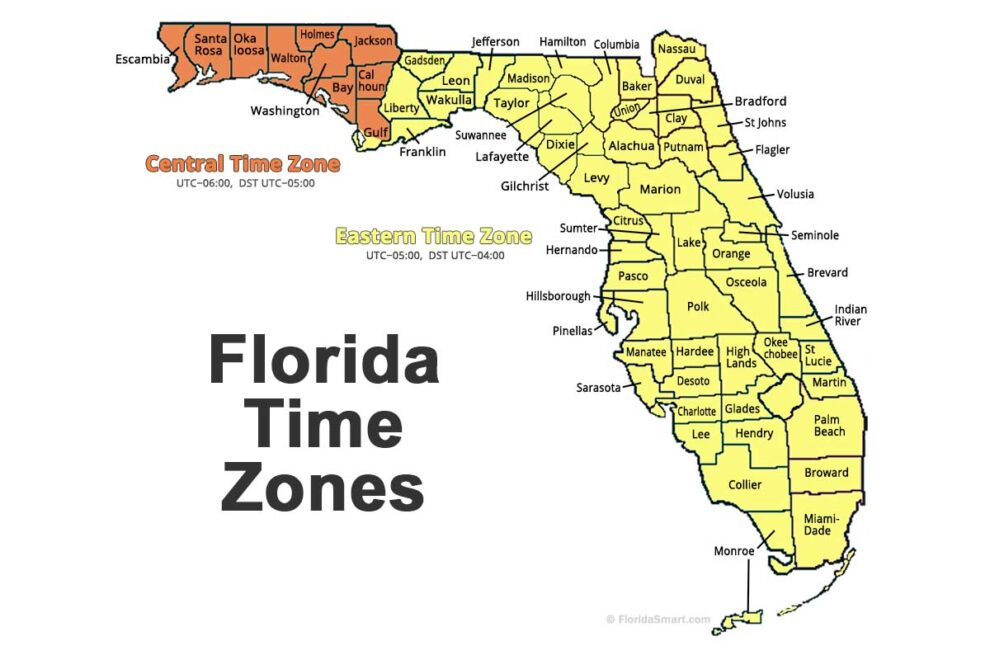
The vast majority of Florida operates within a single, well-defined time zone. However, a small, albeit significant, portion of the state adheres to a different schedule. This geographical division is not arbitrary; it’s deeply rooted in historical and practical considerations that have shaped the daily lives of its residents and the logistical planning for its millions of visitors.
Eastern Time Zone: The Sunshine State’s Dominant Clock
When most people think of Florida, they are envisioning a state firmly planted in the Eastern Time Zone (ET). This encompasses a staggering amount of the state’s most popular tourist destinations and densely populated areas. From the bustling metropolis of Miami and the vibrant nightlife of South Beach to the family-friendly attractions of Orlando and the historic charm of St. Augustine, life unfolds according to ET.
The Eastern Time Zone is further divided into two distinct observances: Eastern Standard Time (EST) and Eastern Daylight Time (EDT).
Eastern Standard Time (EST): The Winter Rhythm
During the fall and winter months, typically from the first Sunday in November to the second Sunday in March, Florida observes Eastern Standard Time. This means the clocks are set back by one hour, aligning with the sun’s position. For travelers, this translates to earlier sunrises and sunsets. Planning your beach walks or sightseeing excursions during these months requires an awareness of EST to maximize daylight hours. For example, a sunrise in Key West during EST will occur approximately an hour earlier than it would during EDT.
Eastern Daylight Time (EDT): Embracing the Summer Sun
As spring approaches, typically around the second Sunday in March, the clocks spring forward by one hour, marking the beginning of Eastern Daylight Time (EDT). This extension of daylight into the evening hours is a welcome change for many, allowing for longer days of exploration, outdoor dining, and enjoying Florida’s abundant recreational activities. From the theme parks of Orlando to the pristine beaches of the Gulf Coast, EDT allows visitors to make the most of every precious moment of sunshine. This time shift is particularly noticeable for those planning activities that extend into the late afternoon and early evening, such as catching a baseball game at Tropicana Field or enjoying a sunset cruise.
Central Time Zone: The Panhandle’s Distinctive Pace
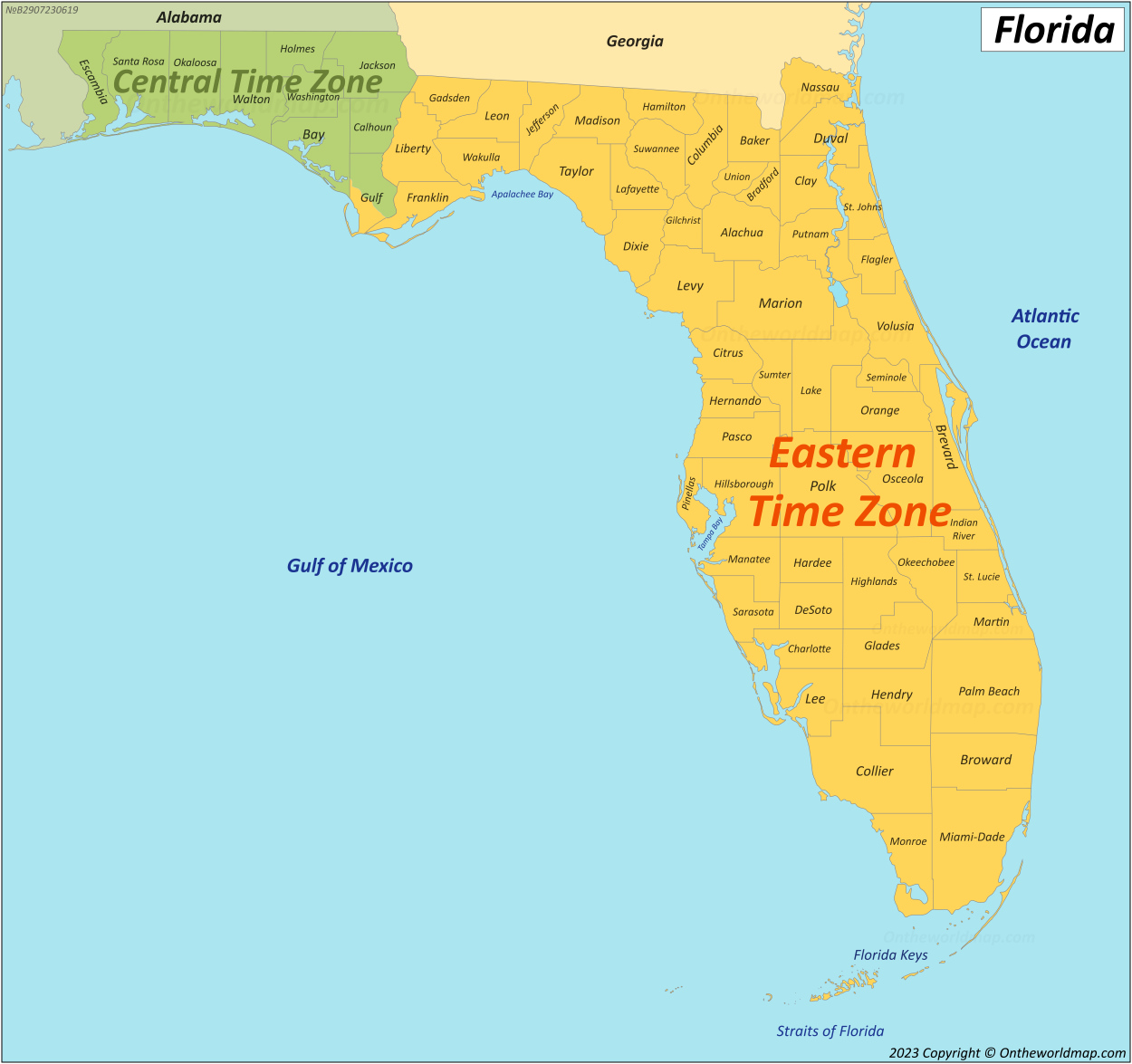
While the Eastern Time Zone governs the majority of Florida, a notable exception lies in the westernmost part of the state, commonly referred to as the Florida Panhandle. This region, extending westward from roughly Apalachicola to the border with Alabama, observes the Central Time Zone (CT). Cities like Pensacola, Fort Walton Beach, and Panama City Beach operate on CT, which is one hour behind ET.
Understanding the CT/ET Divide: A Practical Guide for Travelers
The geographical boundary between the Eastern and Central Time Zones in Florida is not always clearly marked, and this can sometimes lead to confusion for travelers. If your itinerary takes you across this divide, it’s crucial to be aware of the one-hour difference. For instance, if you’re enjoying breakfast in Tallahassee (which is in ET) and then drive west towards Mobile, Alabama (which is in CT), you’ll need to adjust your watch accordingly. Similarly, if you’re staying in a hotel in Destin, which is in CT, and you have a flight departing from Jacksonville International Airport (which is in ET), you’ll need to factor in that hour when planning your travel to the airport.
This time zone difference can impact various aspects of your trip:
- Flights and Transportation: Airline schedules and public transportation timetables will adhere to the local time zone of the departure and arrival points. Ensure you’re checking the correct time for your flights, especially if you’re traveling between different time zones within Florida.
- Attraction Opening Hours: Theme parks, museums, and other attractions generally set their operating hours based on the local time zone. While most major attractions in tourist hubs will align with ET, those further west in the Panhandle will follow CT.
- Dining Reservations: If you’ve booked a dinner reservation, confirming the time in the correct local zone is essential to avoid any awkward waits or missed meals.
- Communication: When contacting businesses or individuals in different time zones within Florida, be mindful of the one-hour discrepancy to ensure you’re not calling too early or too late.
Planning Your Florida Adventure: Time Zone Considerations for Every Traveler
Regardless of whether you’re a luxury traveler seeking opulent resorts in Boca Raton or a budget-conscious explorer venturing through the natural beauty of the Florida Keys, understanding Florida’s time zones is paramount for a seamless experience.
For the Leisure Traveler: Maximizing Your Vacation Time
For those seeking relaxation and rejuvenation, whether it’s lounging by the pool at a Four Seasons Resort or enjoying the vibrant atmosphere of Clearwater Beach, time zone awareness helps optimize your enjoyment.
- Sunrise and Sunset: If you’re an early riser looking to witness a spectacular sunrise over the Atlantic, or a sunset enthusiast eager to capture the golden hour on the Gulf Coast, knowing the local time is key. The one-hour difference in the Panhandle means that sunset will occur earlier in towns like Panama City Beach compared to Miami on the same calendar day.
- Day Trips and Excursions: Planning a day trip from your accommodation in, say, Tampa (ET) to explore the historic forts of St. Marks National Wildlife Refuge (ET) is straightforward. However, if your excursion takes you further west into the CT zone, you’ll need to adjust your timing to account for the time difference. This is especially important for guided tours that have fixed departure and return times.
For the Family on a Budget: Smart Planning for Fun
Families traveling with children often have packed schedules, and every minute counts. Understanding time zones can help prevent meltdowns and ensure maximum enjoyment for everyone.
- Theme Park Strategies: If you’re visiting the world-renowned theme parks in Orlando, like Universal Orlando Resort or SeaWorld Orlando, all operate on ET. However, if your family decides to venture to the beaches near Pensacola, which observes CT, you’ll need to be mindful of the time difference when planning your return to your accommodation or your next activity. This could mean an earlier start to your beach day in the Panhandle if you want to make the most of the daylight hours before heading back.
- Kid-Friendly Activities: Many kid-friendly activities, such as visiting local aquariums or engaging in water sports, are best enjoyed during daylight hours. Being aware of the time zone can help you structure your day effectively, ensuring you don’t miss out on key attractions due to time miscalculations.
For the Business Traveler: Efficiency and Punctuality
For those on business trips, punctuality is non-negotiable. Whether attending a conference in Fort Lauderdale or meeting clients in Jacksonville, accurate timekeeping is essential.
- Meeting Schedules: Confirming meeting times in the correct local time zone is crucial. A meeting scheduled for 10 AM in Tampa (ET) is indeed 10 AM. However, if you have a call with a colleague based in Panama City Beach (CT), their 10 AM is your 11 AM. Avoiding such discrepancies ensures professional courtesy and avoids unnecessary delays.
- Travel Logistics: When booking flights or arranging ground transportation, always double-check the time zones of your departure and arrival airports, especially if your business takes you across the ET/CT divide within Florida. This is particularly important for early morning or late-night travel.
Embracing Florida’s Diverse Appeal: Time Zones as a Tool, Not a Hurdle
Florida’s allure lies in its vast array of experiences, from the tropical allure of the Florida Keys to the historic streets of St. Augustine and the vibrant culture of its cities. Understanding the time zone nuances, while seemingly a minor detail, can significantly enhance your travel planning and overall enjoyment. Whether you are staying in a luxurious villa in Naples or a charming apartment in Key West, knowing the local time ensures you are always in sync with the Sunshine State’s rhythm.

Practical Tips for Time Zone Savvy Travelers
To ensure a smooth and enjoyable trip, consider these practical tips:
- Always Confirm Local Time: When booking accommodations, tours, or making reservations, always confirm the time in the local time zone of your destination within Florida.
- Set Multiple Alarms: If you have early morning flights or important appointments, set alarms on multiple devices and consider setting them a few minutes earlier than necessary as a buffer, especially if you’ve recently crossed a time zone boundary.
- Utilize Smartphone Features: Most smartphones automatically update to the local time zone when you arrive in a new area. However, it’s always a good practice to manually verify this upon arrival, especially if you’re on Wi-Fi or have airplane mode on.
- Communicate Clearly: When arranging meetings or coordinating with others, clearly state the time zone, for example, “10 AM EST” or “2 PM CST.”
- Research Your Specific Destination: Before you travel, a quick search for “[Your Florida Destination] time zone” will provide instant clarity and prevent any potential confusion. For example, searching “What time zone is [Pensacola]?” will confirm it’s CT.
In conclusion, while the question of “What is my time zone in Florida?” might seem straightforward, a deeper understanding reveals the subtle, yet important, distinction between the dominant Eastern Time Zone and the Central Time Zone observed in the Panhandle. By factoring in this knowledge, your Florida adventure, whether it involves exploring the art deco district of Miami Beach, enjoying the tranquility of a resort in Sanibel Island, or experiencing the natural wonders of the Okefenokee Swamp, will be all the more seamless and enjoyable. Embrace the sunshine, savor the experiences, and navigate Florida with time zone confidence.
LifeOutOfTheBox is a participant in the Amazon Services LLC Associates Program, an affiliate advertising program designed to provide a means for sites to earn advertising fees by advertising and linking to Amazon.com. Amazon, the Amazon logo, AmazonSupply, and the AmazonSupply logo are trademarks of Amazon.com, Inc. or its affiliates. As an Amazon Associate we earn affiliate commissions from qualifying purchases.