
The Sunshine State is renowned for its pristine beaches, vibrant theme parks, and rich cultural tapestry. Yet, for many, a fundamental element of its identity remains a mystery: its flag. The flag of Florida is more than just a colorful emblem; it’s a visual narrative steeped in history, symbolism, and the very spirit of the state. Understanding this ensign offers a unique lens through which to appreciate the diverse attractions and experiences that Florida has to offer.
A Deeper Look at Florida’s Official Banner
At first glance, the flag of Florida is striking. It features a white field, a bold crimson saltire (a diagonal cross), and the State Seal of Florida emblazoned in its center. This design, while seemingly simple, carries profound meaning. The crimson saltire, also known as St. Andrew’s Cross, has historical roots connected to Confederate flags, though its adoption by Florida predates the Civil War and its use in a Confederate context. The choice of a white background signifies purity and peace, while the crimson offers a strong contrast, making the flag easily recognizable.

The State Seal of Florida, the focal point of the flag, is where much of the state’s narrative is condensed. It depicts a Seminole woman scattering flowers, a steamboat sailing on a body of water, and a sabal palm. The Seminole woman represents the indigenous heritage of Florida, a testament to the Native American tribes who have long called this land home. The steamboat symbolizes the state’s early transportation and commerce, hinting at its historical development as a hub of trade and travel. The towering sabal palm, the official state tree, embodies the lush and abundant natural environment that is a cornerstone of Florida‘s appeal to tourists and residents alike. The motto surrounding the seal, “In God We Trust,” further underscores the values of the state.
Evolution of Florida’s Flag
The current iteration of the flag of Florida was adopted in 1905, but its journey to this form involved several earlier designs. The original state seal was adopted in 1868, and it was on this seal that the 1905 flag was based. Prior to this, Florida had no official state flag. The 1905 legislation specified that the seal should be placed on a white field with a crimson saltire. This addition of the crimson saltire was a significant change from earlier proposals, which had considered various other designs. The motivation for the crimson saltire is often attributed to Governor Francis P. Fleming, who, in 1899, advocated for its inclusion, citing its presence on the Spanish flag and its historical significance. This period of design evolution reflects Florida‘s ongoing efforts to solidify its visual identity, a process that often mirrors the development of a state’s tourism and cultural landscape.
The 1905 adoption marked a pivotal moment, establishing the iconic design that continues to fly today. It’s a design that has become synonymous with the state, appearing on everything from government buildings in Tallahassee to souvenir shops in Orlando. Its familiarity provides a sense of place and pride for Floridians and acts as a welcoming beacon for visitors exploring the many wonders of the state.
Symbolism and Historical Context
The flag of Florida is a canvas of history and a testament to the state’s multifaceted identity. The crimson saltire, as mentioned, has connections to the Spanish flag, reflecting Florida‘s colonial past. Spain‘s influence is visible in many architectural styles and place names throughout the state, particularly in cities like St. Augustine, the oldest continuously inhabited European-established settlement in the United States. This historical thread emphasizes the deep roots of European exploration and settlement in Florida.
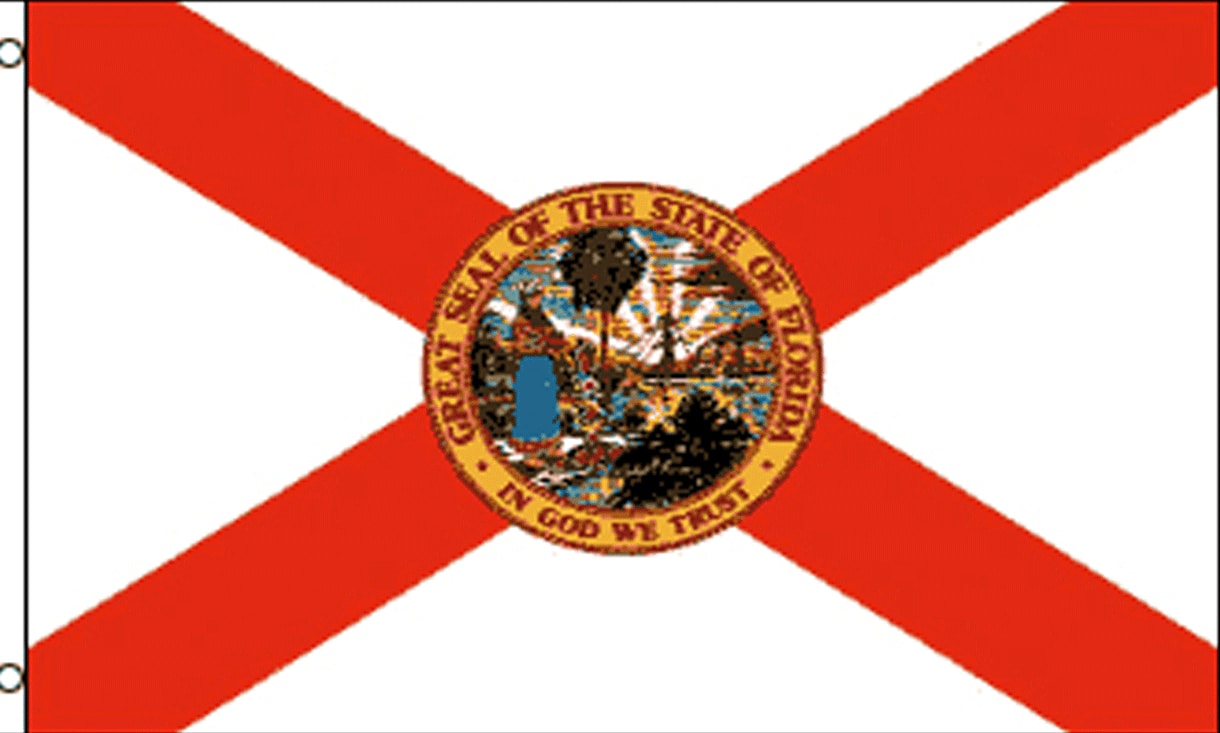
The inclusion of the Seminole people in the state seal is crucial. The Seminole are a Native American tribe with a history of resilience and adaptation in the challenging terrain of the Everglades. Their enduring presence and cultural heritage are integral to the story of Florida, and their representation on the flag acknowledges this vital part of the state’s past and present. For travelers interested in authentic cultural experiences, seeking out Seminole heritage sites and events offers a deeper understanding of Florida‘s indigenous history.
The steamboat on the seal speaks to Florida‘s development as a gateway for trade and tourism. Early steamboat routes along rivers like the St. Johns River were vital for connecting inland communities and bringing goods and people to the burgeoning coastal settlements. This era of exploration and commerce laid the groundwork for Florida‘s future as a major tourist destination, with the arrival of railroads and the development of iconic hotels further solidifying its status.
The sabal palm, a symbol of tropical abundance, perfectly captures the natural beauty that draws millions to Florida each year. From the sugar-white sands of the Emerald Coast to the subtropical allure of Key West, Florida‘s natural landscapes are diverse and breathtaking. The palm tree on the flag is a constant reminder of this environmental richness, encouraging appreciation and conservation of these precious resources.

Florida’s Flag in the Context of Tourism and Lifestyle
The flag of Florida serves as a powerful visual cue for travelers. When you see the crimson saltire and the state seal, you instantly associate it with the unique experiences that Florida offers. It’s a symbol that can evoke images of sunny beaches, thrilling roller coasters at Walt Disney World Resort, the aquatic wonders of SeaWorld Orlando, or the serene beauty of the Everglades National Park.
For those planning a trip, understanding the flag can deepen their connection to the destination. It prompts questions about the history behind the symbols, leading to explorations of Florida‘s past. Visiting historical sites like Fort Pulaski or exploring the charming architecture of Savannah (though Savannah is in Georgia, it’s often part of a larger Florida travel itinerary or comparison) can provide context for the historical elements depicted on the flag.
The lifestyle associated with Florida is often one of leisure, adventure, and relaxation. The flag, with its bright colors and optimistic imagery, complements this lifestyle. It represents a destination that is both vibrant and welcoming. Whether you’re seeking a luxurious resort experience in Miami, a family-friendly adventure in Orlando, or a budget-friendly getaway exploring the natural springs, the flag is a constant reminder of the diverse possibilities that await.
Accommodation options in Florida range from sprawling luxury resorts like the Four Seasons Resort Orlando at Walt Disney World Resort to charming boutique hotels and vacation apartments. The allure of the Sunshine State, underscored by its distinctive flag, makes it a perennially popular choice for vacations, honeymoons, and family trips. The flag’s presence can be seen in promotional materials, hotel lobbies, and even on the license plates of rental cars, weaving it into the fabric of the visitor experience.
Furthermore, the flag’s symbolism extends to Florida‘s burgeoning food scene and local culture. The scattering of flowers on the seal can be seen as a metaphor for the diverse culinary influences that have shaped Florida‘s cuisine, from Cuban flavors in Miami to fresh seafood along the coast. Exploring local farmers’ markets and trying regional specialties are part of immersing oneself in the authentic Florida experience, an experience that the flag subtly represents.
In essence, the flag of Florida is not just a piece of cloth; it’s a narrative. It tells a story of indigenous peoples, colonial exploration, commercial development, and the breathtaking natural beauty that defines this beloved state. For travelers, understanding its meaning can transform a simple visit into a richer, more informed, and more memorable journey through the Sunshine State. It’s a symbol that unites the past, present, and future of Florida, inviting everyone to discover its abundant treasures.
LifeOutOfTheBox is a participant in the Amazon Services LLC Associates Program, an affiliate advertising program designed to provide a means for sites to earn advertising fees by advertising and linking to Amazon.com. Amazon, the Amazon logo, AmazonSupply, and the AmazonSupply logo are trademarks of Amazon.com, Inc. or its affiliates. As an Amazon Associate we earn affiliate commissions from qualifying purchases.