
Alaska, often dubbed the “Last Frontier,” is a land of unparalleled natural beauty and stark contrasts. As the largest state in the United States, its vastness encompasses an incredible diversity of landscapes, from towering mountain ranges and sprawling glaciers to dense forests and treeless tundra. This geographical immensity directly translates into an equally varied climate, making the question “What temperature in Alaska?” far more complex than a simple number. For anyone planning to visit this magnificent part of North America, understanding the temperature variations across its regions and seasons is paramount to ensuring a comfortable, safe, and truly unforgettable experience.
Whether you’re dreaming of a summer cruise through the Inside Passage, an autumn chase of the Northern Lights in Fairbanks, or a winter dog sledding adventure, the climate will shape your journey. This article delves deep into Alaska’s temperatures, helping you prepare for your adventure, optimize your travel plans, and discover the best of what this incredible destination has to offer.
Understanding Alaska’s Diverse Climate
Alaska’s immense size, spanning across several climatic zones, means that temperature isn’t uniform across the state. Instead, it’s a dynamic interplay of latitude, elevation, proximity to the ocean, and mountain barriers. The state stretches from the temperate rainforests of the Southeast to the frigid polar deserts north of the Arctic Circle, leading to three primary climate zones: Maritime, Continental, and Arctic.
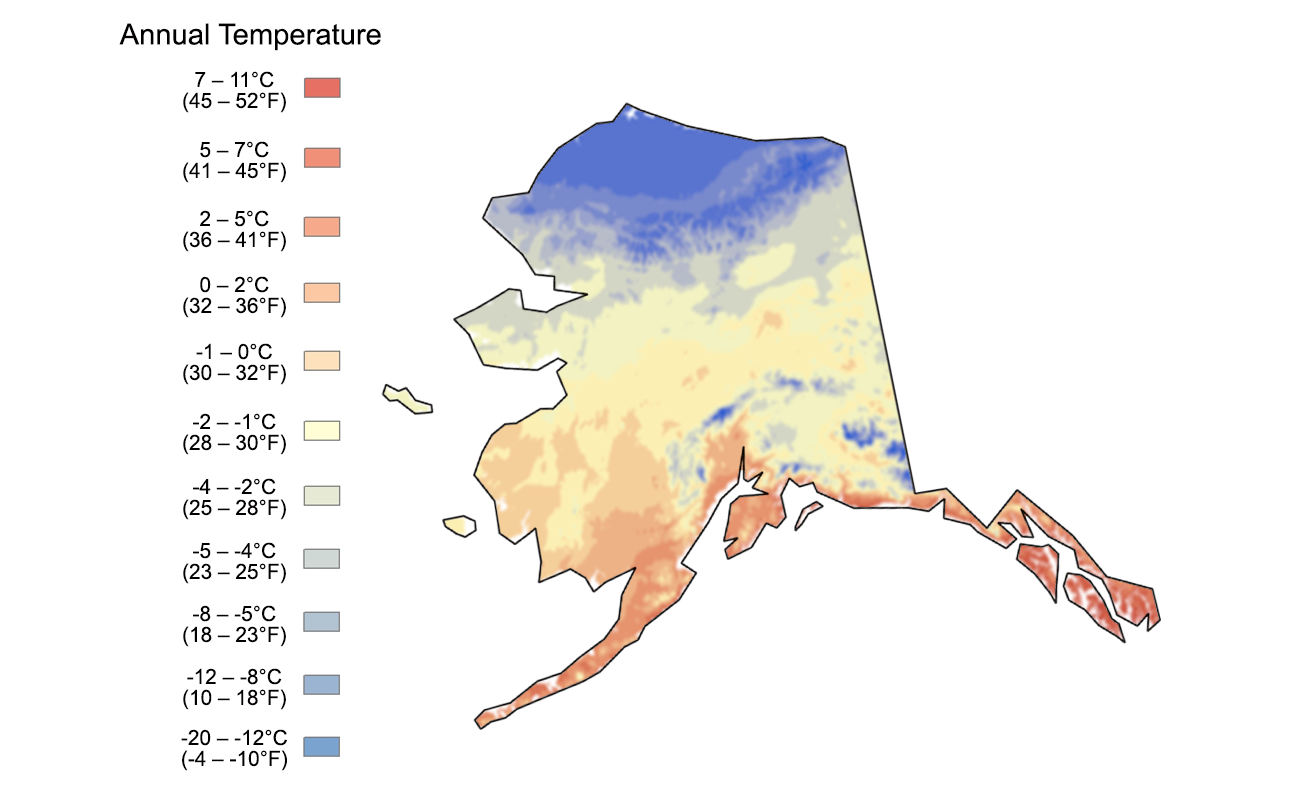
The maritime climate dominates the southern coast and islands, including the Panhandle, Southcentral Alaska, and the Aleutian Islands. This region is characterized by relatively mild winters, cool summers, and abundant precipitation, influenced heavily by the warming effects of the Pacific Ocean. Further inland, a continental climate takes hold, marked by greater extremes: warmer summers and significantly colder winters with less precipitation. This zone includes much of Interior Alaska, where cities like Fairbanks experience dramatic seasonal shifts. Finally, the Arctic climate prevails in the northernmost reaches, north of the Brooks Range, bringing long, brutally cold winters and short, cool summers with permafrost dominating the landscape.
Understanding these broad categories is the first step in decoding Alaska’s temperatures. For travelers planning their dream Alaskan adventure, pinpointing the specific region and time of year is essential for packing appropriately and setting realistic expectations for weather conditions.
Regional Temperature Variations
The topography of Alaska plays a critical role in its temperature zones, creating distinct microclimates that offer varied experiences for visitors.
Coastal Regions: Southeast and Southcentral Alaska
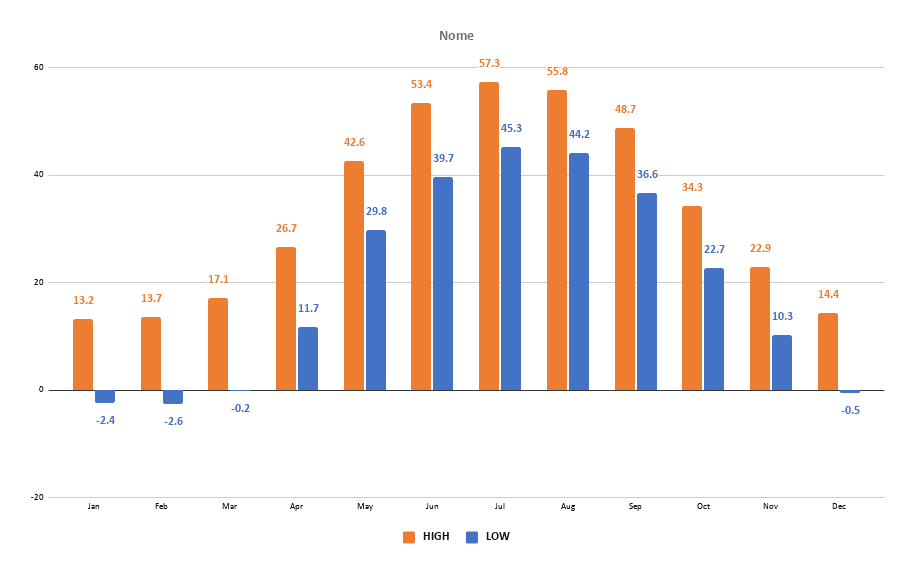
The southeastern part of Alaska, often called the Panhandle, experiences a maritime climate. Cities like Juneau, the state capital, see relatively mild temperatures year-round. In summer (June-August), average temperatures range from 55-65°F (13-18°C), rarely climbing higher, but offering comfortable conditions for exploring temperate rainforests, glaciers like the Mendenhall Glacier, and engaging in wildlife viewing expeditions. Winters are damp but not excessively cold, typically hovering around 25-35°F (-4 to 2°C), with significant snowfall, especially in higher elevations. This region is popular for cruise ship passengers exploring the scenic Inside Passage.
Moving west into Southcentral Alaska, which includes the state’s largest city, Anchorage, the climate remains maritime but with slightly more extreme variations due to its proximity to mountain ranges like the Chugach Mountains and the vastness of the Cook Inlet and Gulf of Alaska. Summer temperatures in Anchorage average 55-70°F (13-21°C), providing ideal weather for hiking, exploring local attractions, and accessing national parks like Kenai Fjords National Park from towns like Seward. Winter temperatures here typically range from 15-30°F (-9 to -1°C), making it a hub for winter sports and culturally significant events like the start of the Iditarod Trail Sled Dog Race.
Interior Alaska
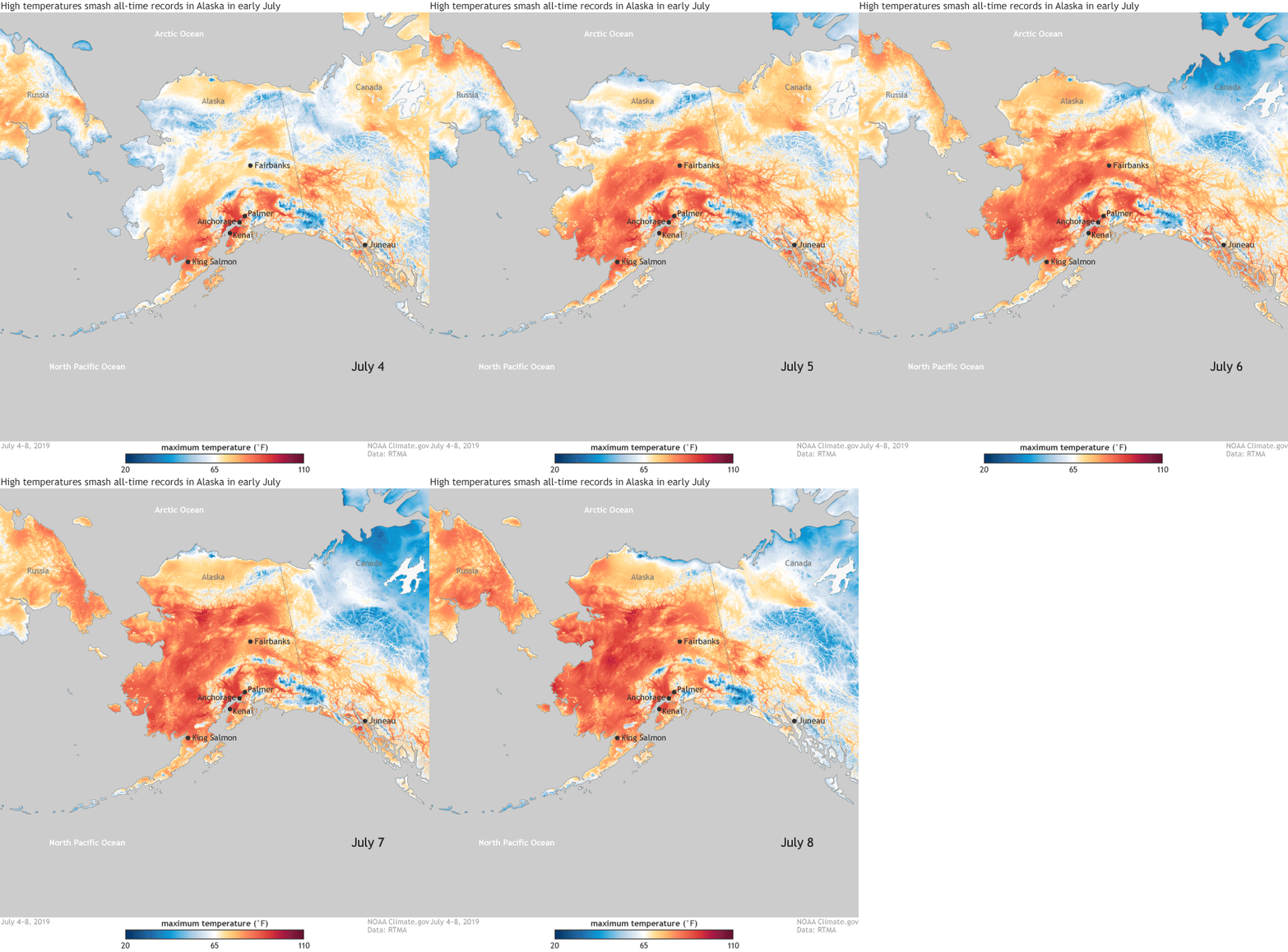
Venture north of the coastal mountains, and you enter Interior Alaska, home to a classic continental climate. Here, the moderating influence of the ocean is blocked by mountain ranges such as the Alaska Range, leading to a much wider temperature swing between seasons. Fairbanks, the second-largest city, exemplifies this. Summers can be surprisingly warm, with average temperatures from 60-75°F (16-24°C), and occasionally soaring into the 80s°F (27°C) or even 90s°F (32°C). This allows for extensive outdoor activities under the “midnight sun.”
However, Interior Alaska is renowned for its brutally cold winters. Average temperatures in Fairbanks from December to February often range from -10 to -25°F (-23 to -32°C), with prolonged periods of -40°F (-40°C) not uncommon. This extreme cold, combined with low humidity, creates perfect conditions for viewing the aurora borealis, making it a prime tourism spot for winter sky-gazers. Towns like Talkeetna, a gateway to Denali National Park and Mount Denali, also experience this continental variability, though elevation can bring cooler temperatures.
Arctic & Western Alaska
Further north, beyond the Brooks Range and stretching to the Arctic Ocean, lies Arctic Alaska. This region experiences a true polar climate, with long, dark, and intensely cold winters, and short, cool summers. Temperatures routinely plummet to -30 to -50°F (-34 to -45°C) in winter, and in some areas, temperatures may not rise above freezing for months. Even in summer, average temperatures rarely exceed 40-50°F (4-10°C). The landscape is dominated by tundra and permafrost, and the region is home to unique indigenous cultures. While challenging to visit due to the extreme conditions, it offers unparalleled experiences for adventurous travelers seeking remote wilderness and wildlife such as polar bears and caribou.
Seasonal Temperature Breakdown and Travel Experiences
Understanding Alaska’s temperatures by season is crucial for planning your journey and choosing the best time to visit based on your interests and tolerance for cold. Each season offers a dramatically different Alaskan experience.
Summer (June – August): The Golden Season
Temperatures: Summer is Alaska’s peak travel season, and for good reason. Most popular tourist destinations experience comfortable temperatures, typically ranging from 50-70°F (10-21°C). In Interior regions like Fairbanks, it’s not uncommon to see temperatures climb into the 80s°F (27°C) or even occasionally higher. The Coastal regions remain cooler and wetter, with averages around 55-65°F (13-18°C).
Daylight: A defining characteristic of Alaskan summer is the “midnight sun,” with nearly 24 hours of daylight in the far north and exceptionally long days throughout the state. This maximizes time for outdoor activities.
Activities: This is the ideal time for hiking through lush landscapes, fishing for salmon and halibut, taking wildlife cruises to spot whales and puffins, and exploring national parks like Denali National Park and Glacier Bay National Park. It’s also prime time for scenic drives and flightseeing tours.
Travel Considerations: Summer is the most popular time, meaning higher prices for accommodation, flights, and tours. Booking well in advance is essential, especially for hotels and resorts in prime locations.
What to Pack: Layers are key. Think moisture-wicking base layers, a fleece or wool mid-layer, and a waterproof and windproof outer shell. Bring comfortable hiking shoes, sun protection (even with clouds, UV can be strong), and essential insect repellent for mosquitoes, which can be prevalent.
Fall (September – October): A Colorful Transition
Temperatures: As summer wanes, temperatures begin to drop. Coastal areas might see averages around 35-55°F (2-13°C), while Interior regions cool more rapidly, often dipping into the 20s-40s°F (-6 to 4°C). The first snows typically dust the mountain peaks in September.
Daylight: Daylight hours begin to noticeably shorten, especially in October. This reduction in light, combined with clear skies, creates optimal conditions for aurora borealis viewing, particularly in Interior Alaska.
Activities: Fall is spectacular for vibrant fall foliage, especially in late August and early September when the tundra turns brilliant hues of red, orange, and gold. It’s an excellent time for salmon fishing (late runs), wildlife photography as animals prepare for winter, and chasing the Northern Lights. Crowds are thinner, offering a more serene travel experience.
Travel Considerations: This is a shoulder season, meaning better deals on hotels and fewer crowds. However, some seasonal attractions and services might begin to close by late September or early October.
What to Pack: Warmer layers are a must, including hats, gloves, and scarves. Waterproof outerwear is still important, as rain and early snow can occur. Insulated boots are advisable.
Winter (November – March): A Wonderland of Ice and Snow
Temperatures: Winter in Alaska varies dramatically by region. Coastal areas like Anchorage hover around 15-30°F (-9 to -1°C). Interior cities like Fairbanks are significantly colder, often experiencing consistent temperatures of 0 to -25°F (-18 to -32°C), with extremes sometimes reaching -40°F (-40°C) or colder. The Arctic regions endure even more extreme cold, often -30 to -50°F (-34 to -45°C).
Daylight: Days are short, particularly in December and January. North of the Arctic Circle, some areas experience polar night, where the sun does not rise above the horizon for weeks.
Activities: Winter transforms Alaska into a magical, quiet wonderland. This is the prime season for viewing the spectacular Northern Lights, dog sledding, snowmobiling, ice fishing, cross-country skiing, and downhill skiing. Unique cultural festivals and the world-famous Iditarod Trail Sled Dog Race also take place.
Travel Considerations: While offering unique experiences, winter travel requires careful planning and specialized gear. Some remote areas may be inaccessible. However, it’s also a time of fewer tourists and often more affordable accommodation and travel packages.
What to Pack: Extreme cold weather gear is essential for Interior and Arctic trips. Think multiple layers of thermal underwear, insulated pants, a heavy-duty parka (down-filled is ideal), insulated, waterproof boots rated for very cold temperatures, thick wool socks, a warm hat, neck gaiter/balaclava, and insulated gloves or mittens. Hand and foot warmers are also highly recommended.
Spring (April – May): Thawing and Reawakening
Temperatures: Spring is a season of transition, marked by rising temperatures. Coastal areas see averages of 30-50°F (-1 to 10°C), while Interior Alaska warms to 30-55°F (-1 to 13°C). The snow melts, leading to “break-up” season on rivers.
Daylight: Daylight hours rapidly increase, bringing more sunshine and longer days for exploration.
Activities: Spring is excellent for wildlife viewing as bears emerge from hibernation and migratory birds return. Early spring offers a mix of winter and summer activities – you might still be able to cross-country ski in the morning and hike in the afternoon. It’s also a great time for fishing as ice breaks up.
Travel Considerations: This is another shoulder season, offering good value and fewer crowds than summer. However, conditions can be variable – trails can be muddy from melting snow, and some higher-elevation roads may still be closed.
What to Pack: Layers are still key, with an emphasis on waterproof footwear and outerwear for wet conditions. Bring warm hats and gloves for cooler mornings and evenings, but lighter layers for warmer midday temperatures.
Preparing for Your Alaskan Adventure: Practical Tips
Regardless of when you choose to visit, preparing for Alaska’s unique climate is paramount. The difference between a comfortable adventure and a miserable one often comes down to proper planning and packing.
- Packing Essentials: Embrace the art of layering. A three-layer system (base, mid, outer) is universally recommended for all seasons.
- Base Layer: Moisture-wicking fabrics (synthetic or wool) to keep sweat away from your skin.
- Mid-Layer: Insulating layer like fleece or down for warmth.
- Outer Layer: Waterproof and windproof jacket and pants to protect against rain, snow, and wind.
- Always include sturdy, waterproof footwear, a warm hat, gloves or mittens, and good quality socks. Don’t forget sunglasses and sunscreen, as the sun can be intense even on cloudy days, and insect repellent during warmer months.
- Accommodation Choices: Alaska offers a wide range of accommodation options to suit every lifestyle and budget. From luxurious resorts and full-service hotels in major cities like Anchorage and Fairbanks to charming boutique hotels, rustic lodges in remote wilderness areas, and cozy bed and breakfasts, you’ll find diverse choices. Many establishments, especially outside the peak summer months, offer attractive rates. Booking in advance is highly recommended, particularly for popular destinations and during high season.
- Transportation: While rental cars are an option for exploring Southcentral and Interior Alaska in summer, many visitors opt for cruises along the Inside Passage, guided tours, or travel on the historic Alaska Railroad for scenic views and comfort. Small plane charters are also popular for reaching remote areas and flightseeing.
- Safety: Always inform someone of your travel plans, especially if venturing into wilderness areas. Be aware of wildlife and know how to react in an encounter. Carry emergency supplies, and understand that weather conditions can change rapidly and unpredictably, necessitating flexibility in your itinerary.
- Embrace the Local Culture: Alaska’s local culture is as diverse as its landscape, influenced by its indigenous peoples and pioneer spirit. Engage with local communities, try local food like fresh salmon and king crab, and learn about the unique lifestyle of those who call this rugged land home. Museums and cultural centers in cities like Anchorage and Fairbanks offer fascinating insights into Alaska’s rich history and heritage.
Making the Most of Your Alaskan Journey
Ultimately, the best temperature in Alaska depends entirely on your personal preferences and the type of adventure you seek. If long days, lush landscapes, and easy access to outdoor activities are your priority, then the mild summers are ideal. If you dream of snow-covered landscapes, the enchanting dance of the aurora borealis, and thrilling winter sports, then the colder months will offer an unparalleled experience.
Alaska is a land of extremes, and its temperatures are a testament to its wild, untamed spirit. By understanding the regional and seasonal variations, packing smartly, and staying flexible, you can fully embrace whatever temperatures come your way. This incredible travel destination promises a journey filled with awe-inspiring landmarks, unforgettable experiences, and memories that will last a lifetime, regardless of the thermometer’s reading. Your Alaskan adventure awaits, and knowing what temperatures to expect is your first step towards conquering the Last Frontier.
LifeOutOfTheBox is a participant in the Amazon Services LLC Associates Program, an affiliate advertising program designed to provide a means for sites to earn advertising fees by advertising and linking to Amazon.com. Amazon, the Amazon logo, AmazonSupply, and the AmazonSupply logo are trademarks of Amazon.com, Inc. or its affiliates. As an Amazon Associate we earn affiliate commissions from qualifying purchases.