
The allure of a beach vacation often hinges on favorable weather, and when considering a trip to the picturesque shores of Panama City, Florida, understanding the prevailing temperatures is paramount. Whether you’re dreaming of basking in the summer sun, enjoying a mild autumn escape, or planning a spring getaway filled with outdoor activities, knowing what to expect temperature-wise will significantly enhance your travel experience. Panama City is a vibrant coastal destination renowned for its stunning white-sand beaches, emerald waters, and a plethora of attractions that cater to every type of traveler, from families seeking fun-filled adventures to couples looking for a romantic retreat.
This guide delves into the typical temperatures experienced throughout the year in Panama City, Florida, offering insights that will help you pack appropriately, plan your itinerary, and maximize your enjoyment of this beloved Florida Panhandle gem. Beyond just the numbers, we’ll explore how these temperatures influence the local lifestyle, the types of activities best suited for each season, and what you can anticipate in terms of weather phenomena. From the heat of July to the cooler, more comfortable days of November, understanding the climate is your first step towards an unforgettable vacation.
Understanding Panama City, Florida’s Climate: A Year-Round Perspective
Panama City, Florida, experiences a humid subtropical climate, characterized by hot, humid summers and mild winters. This means that while you can generally expect pleasant conditions for much of the year, there are distinct seasonal shifts that influence the overall atmosphere and the types of activities you might engage in. The proximity to the Gulf of Mexico plays a significant role in moderating temperatures, preventing extreme cold in the winter and contributing to the characteristic humidity in the summer.
The city’s average annual temperature hovers around 70°F (21°C), but this average masks the significant variations experienced across the seasons. Understanding these nuances is key to planning a trip that aligns with your personal preferences for weather and activities.
Summer in Panama City: Embracing the Heat
Summer in Panama City, Florida, typically runs from June through August, and these months are defined by warmth and sunshine. The average daily temperature during this period often ranges from the high 80s to the low 90s Fahrenheit (around 31-33°C), with afternoon highs frequently pushing into the mid-90s. The humidity levels are also at their peak during the summer, which can make the “feels like” temperature even higher. Mornings are generally warm and muggy, often starting in the mid-70s (around 24°C), and steadily climbing throughout the day.
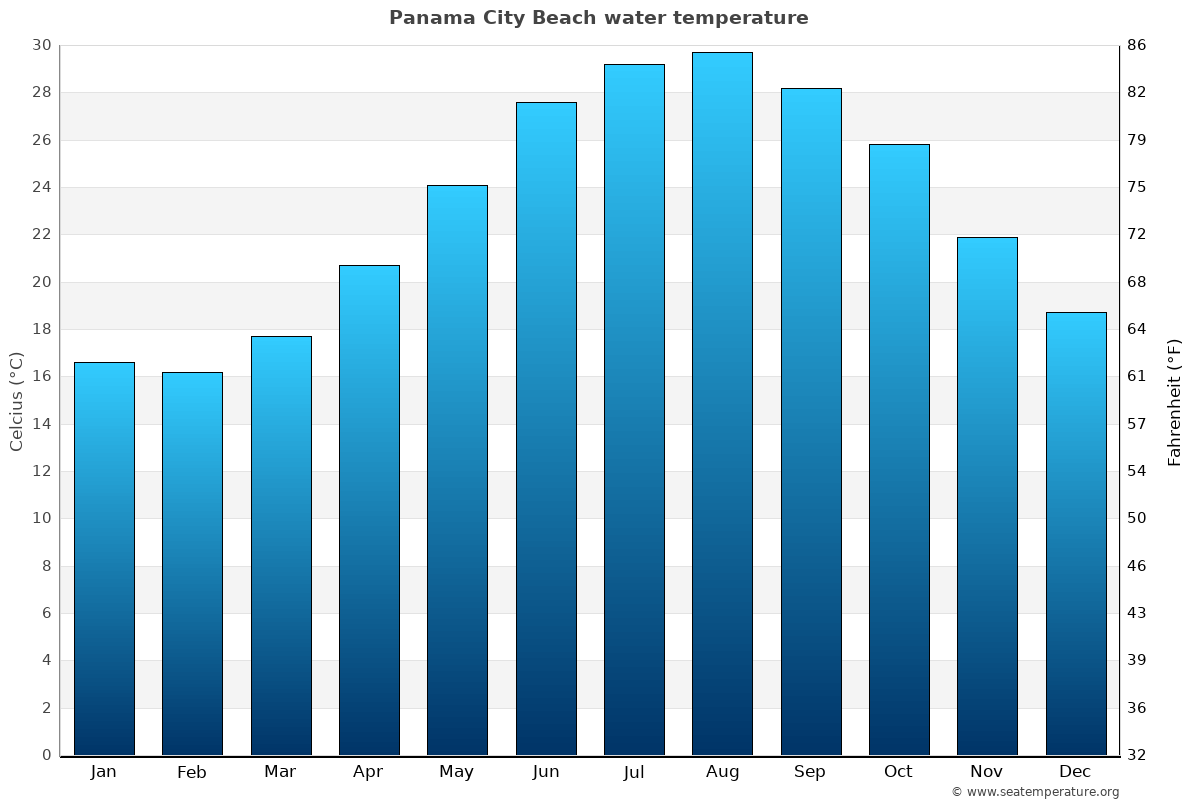
The ocean temperatures are wonderfully warm during the summer, making it the ideal time for swimming, sunbathing, and enjoying various water sports. The average water temperature can reach the high 80s Fahrenheit (around 30-31°C). While the heat can be intense, particularly in the afternoon, the consistent sunshine and warm waters make Panama City Beach a prime destination for those seeking a classic summer beach experience.
It’s important to note that summer is also the season for thunderstorms. These are often brief but can be intense, typically occurring in the late afternoon or early evening. They are usually accompanied by heavy rain and lightning, but they tend to pass quickly, leaving behind cooler, fresher air. Despite the occasional downpour, the sunshine hours remain plentiful.
For travelers planning a summer visit, packing light, breathable clothing is essential. Swimwear, shorts, t-shirts, sundresses, and a wide-brimmed hat are must-haves. Sunscreen with a high SPF, sunglasses, and plenty of water to stay hydrated are also crucial. Evenings offer a welcome respite from the peak daytime heat, with temperatures often cooling down to the low 70s Fahrenheit (around 22°C), making it pleasant for dining al fresco or enjoying a stroll along the beach.
Autumn in Panama City: A Season of Pleasant Temperatures
As the summer heat begins to wane, Panama City, Florida, ushers in a delightful autumn season, typically from September through November. This period is often considered one of the most pleasant times to visit, as the oppressive humidity of summer subsides, and the temperatures become more moderate.
September can still hold onto some of the summer warmth, with average daily temperatures often in the high 80s Fahrenheit (around 31°C). However, as the season progresses into October and November, a noticeable cooling trend emerges. Average daily temperatures in October often fall into the low 80s Fahrenheit (around 27-28°C), and by November, they are typically in the high 60s to low 70s Fahrenheit (around 20-22°C). Evenings become noticeably cooler, often dipping into the 50s Fahrenheit (around 10-15°C) in late November, making a light jacket or sweater a welcome addition to your packing list.
The ocean temperature remains inviting for swimming well into the fall, particularly in September and October, as the water retains much of the summer’s warmth. By November, the water begins to cool, but it’s often still comfortable for those who don’t mind a bit of a chill.

Autumn in Panama City is perfect for exploring the numerous attractions beyond the beach. With milder temperatures, activities like visiting St. Andrews State Park, exploring the shops and restaurants in downtown Panama City, or enjoying scenic drives along Highway 30A become even more enjoyable. The fall foliage, though not as dramatic as in some other parts of the country, can still offer a beautiful display of colors in the surrounding natural areas. This season is ideal for those who prefer outdoor activities without the intense heat of summer.
Spring in Panama City: A Refreshing Transition
Spring in Panama City, Florida, usually spans from March through May, and it marks a welcome transition from the cooler winter months to the warmth of summer. The temperatures gradually increase throughout the season, offering a perfect balance of sunshine and comfortable warmth for a wide range of outdoor pursuits.
March typically sees average daily temperatures in the mid-60s Fahrenheit (around 18-19°C), with highs often reaching the low 70s. As you move into April, temperatures climb, with averages in the low 70s Fahrenheit (around 22°C) and highs frequently in the mid-80s. By May, spring is in full swing, with average daily temperatures in the mid-80s Fahrenheit (around 29°C) and highs often reaching the upper 80s. The humidity starts to build in May, a precursor to the summer months.
The ocean temperatures also begin to warm up significantly during the spring. While March and April might still feel a bit cool for some in the water, by May, the Gulf of Mexico is generally pleasant for swimming, with temperatures often reaching the mid-70s Fahrenheit (around 24°C).
Spring is an excellent time for visiting Panama City if you want to avoid the peak summer crowds and experience generally ideal weather. It’s perfect for a variety of activities, from exploring the natural beauty of areas like Shell Island to enjoying family-friendly attractions such as Gulf World Marine Park or Shipwreck Island Waterpark before the summer rush. The blooming flowers and lush greenery add to the picturesque scenery. This season is also great for fishing, boating, and simply enjoying the beautiful coastline. Packing for spring should include a mix of lighter clothing for warmer days and a light jacket or cardigan for cooler mornings and evenings.
Winter in Panama City: Mild and Inviting
Winter in Panama City, Florida, generally runs from December through February, and it is characterized by mild temperatures and less humidity compared to the summer months. While it is winter, the term “cold” is relative here, as freezing temperatures are rare. The average daily temperature during the winter months typically hovers between the high 50s and low 60s Fahrenheit (around 15-17°C). Daytime highs often reach the pleasant 60s Fahrenheit (around 16-21°C), making it comfortable for many outdoor activities.
Evenings and early mornings can be cooler, with temperatures sometimes dipping into the 40s Fahrenheit (around 4-9°C). Therefore, packing a light jacket, sweater, or a pair of long pants is advisable. However, the sunshine is often abundant, making even these cooler days feel quite pleasant.
The Gulf of Mexico water temperature in the winter will be considerably cooler, typically in the 50s to low 60s Fahrenheit (around 10-17°C). While not ideal for extended swimming for most, it can still be suitable for shorter dips or for those who enjoy cooler water activities like kayaking or paddleboarding, especially on a sunny day.
Winter is a wonderful time to visit Panama City for travelers seeking a more relaxed pace and a break from the summer heat. It’s an excellent period for exploring the local culture, visiting historical sites, enjoying the numerous restaurants, or taking leisurely walks along the beach without the need for constant shade. The natural beauty of the area remains, and the fewer crowds can offer a more intimate experience with the destination. Fishing charters often report excellent success during the winter months. For those looking to escape colder climates elsewhere, Panama City offers a welcoming and mild winter retreat.

Factors Influencing Panama City’s Temperature
Several geographical and meteorological factors contribute to the unique climate experienced in Panama City, Florida. The most significant influence is its coastal location on the Gulf of Mexico. The vast body of water acts as a natural temperature regulator. In the summer, it absorbs heat, helping to moderate the extreme temperatures that might otherwise occur inland. In the winter, the ocean releases stored heat, preventing the air from becoming too cold. This maritime influence results in less extreme temperature fluctuations throughout the year.
Humidity is another key characteristic of the Florida Panhandle climate. The warm waters of the Gulf of Mexico lead to high evaporation rates, which in turn increase the moisture content in the air. This is most pronounced during the summer months, contributing to the feeling of oppressive heat.
Furthermore, Panama City is part of a region that can be influenced by weather systems originating over the Atlantic Ocean and the Gulf. While these can bring rain and occasional storms, they also contribute to the overall moisture in the atmosphere, impacting temperature and humidity. The subtropical high-pressure systems also play a role, generally bringing warm, moist air into the region for much of the year.
The interplay of these factors creates a climate that is generally warm and inviting, with distinct seasonal variations that offer different experiences for visitors throughout the year. Understanding these influences helps paint a more comprehensive picture of what to expect when planning your trip to this beautiful Florida destination.
LifeOutOfTheBox is a participant in the Amazon Services LLC Associates Program, an affiliate advertising program designed to provide a means for sites to earn advertising fees by advertising and linking to Amazon.com. Amazon, the Amazon logo, AmazonSupply, and the AmazonSupply logo are trademarks of Amazon.com, Inc. or its affiliates. As an Amazon Associate we earn affiliate commissions from qualifying purchases.