
The question “Is Texas East Or West Coast?” is one that often sparks curiosity, particularly among those less familiar with the expansive geography of the United States. While the phrase immediately brings to mind images of Californian beaches or the bustling metropolises of the Northeastern Seaboard, Texas proudly occupies a unique and distinct position on the nation’s map. Far from being a West Coast or East Coast state, Texas boasts its own vibrant coastline along the Gulf of Mexico, earning it the affectionate moniker of the “Third Coast.” This designation is not merely a geographical fact; it embodies a rich tapestry of culture, history, natural beauty, and economic significance that sets the Lone Star State apart.

Understanding where Texas truly sits involves appreciating the immense scale of the United States and the diverse landscapes it encompasses. From its sun-drenched beaches to its sprawling deserts, bustling cities, and rolling Hill Country, Texas offers an unparalleled variety of experiences for every type of traveler. This article delves into Texas’s geographical identity, explores its compelling coastal attractions, and provides a comprehensive guide to navigating the state’s incredible travel and tourism offerings, ensuring your next Texas adventure is as informed as it is unforgettable.
Defining the Coasts: Where Does Texas Fit?
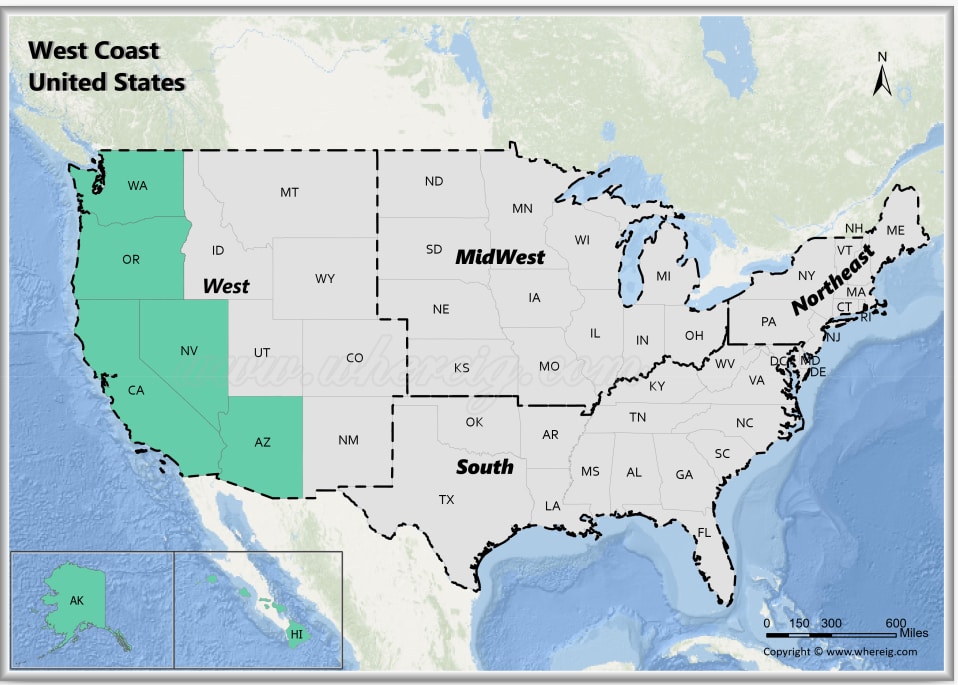
The common perception of American coasts typically revolves around two major boundaries: the Atlantic Ocean to the east and the Pacific Ocean to the west. States like California, Oregon, and Washington define the West Coast, known for their dramatic cliffs, redwood forests, and tech innovation hubs. On the other side, the East Coast stretches from Maine down to Florida, characterized by historic cities, rocky shorelines, and sandy beaches. So, where does Texas, with its vast expanse and unique character, fit into this coastal dichotomy? The answer lies in recognizing a third, equally significant, and undeniably vibrant coastline.
The Geographical Reality: A Lone Star State Perspective
Geographically, Texas is located in the south-central United States. It shares a border with Mexico to the south and west, and with the states of New Mexico to the west, Oklahoma to the north, Arkansas to the northeast, and Louisiana to the east. Its southeastern flank is defined by a significant shoreline stretching for over 370 miles along the Gulf of Mexico, creating what is distinctively known as the Gulf Coast. This places Texas squarely in a category of its own, separate from either the East or West Coast narratives. The state’s geography is incredibly diverse, transitioning from coastal plains and marshes in the southeast to sprawling prairies in the north, arid deserts in the west, and rolling hills in the central region. This vastness contributes to its distinct identity, fostering varied ecosystems and cultural landscapes.
The “Third Coast” Identity: More Than Just a Gulf State
The term “Third Coast” isn’t just a label; it’s a testament to the distinct economic, cultural, and environmental significance of the Gulf Coast region, which extends beyond Texas to include parts of Louisiana, Mississippi, Alabama, and Florida. For Texas, this identity is particularly pronounced. The Texas Gulf Coast is a vital corridor for international trade, home to some of the nation’s busiest ports and a cornerstone of the energy industry. Culturally, it’s a vibrant melting pot, influenced by Spanish, Mexican, and Cajun traditions, alongside classic Southern charm. This unique blend manifests in its distinctive cuisine, music, and way of life, offering an experience vastly different from its East or West Coast counterparts. Travelers seeking authentic experiences, from fresh seafood feasts to lively festivals, will find the Third Coast an intriguing and rewarding destination.
Unveiling Texas’s Coastal Charms: Beyond the Stereotypes
While Texas might be famous for its cowboys, oil rigs, and barbecue, its coastal regions offer a surprisingly diverse array of attractions. The Texas Gulf Coast provides a different kind of Texan experience, one defined by salty air, sandy beaches, and a relaxed pace. This often-overlooked aspect of the state is a treasure trove for travelers interested in marine life, water sports, historical sites, and delectable seafood.
Sun-Kissed Beaches and Island Escapes
The Texas coast is dotted with charming beach towns and barrier islands, each offering its own unique appeal.
- Galveston Island: A historic gem, Galveston combines beautiful beaches with Victorian architecture and a rich past. Visitors can explore the Historic Pleasure Pier, stroll along the Strand National Historic Landmark District, or discover the wonders of Moody Gardens, an educational and entertainment complex featuring pyramids housing an aquarium, rainforest, and discovery museum. For accommodation, Galveston offers a range from historic hotels like the Hotel Galvez & Spa to modern resorts and cozy vacation rentals.
- South Padre Island: Located at the southernmost tip of Texas, South Padre Island is renowned for its pristine white-sand beaches, crystal-clear waters, and vibrant spring break scene. Beyond the party atmosphere, it’s a haven for nature lovers, offering opportunities for birdwatching, dolphin watching tours, and sea turtle rescues at Sea Turtle, Inc.. Luxury resorts and family-friendly hotels abound, providing beachfront access and amenities for all types of travelers.
- Port Aransas: Known as “Port A,” this barrier island community is a favorite for fishing enthusiasts, birdwatchers, and families. Its laid-back vibe and abundant wildlife, including the rare whooping crane, make it a perfect escape. Accommodation ranges from charming beach houses to comfortable hotels and RV parks, catering to a budget-friendly and relaxed travel style.
- Corpus Christi: A larger coastal city, Corpus Christi offers a blend of urban amenities and natural beauty. It’s home to the USS Lexington Museum on the Bay, a historic aircraft carrier, and the Texas State Aquarium, showcasing marine life from the Gulf of Mexico and beyond. The nearby Padre Island National Seashore offers miles of undeveloped beaches, perfect for camping, fishing, and shelling.
Coastal Culture, Cuisine, and Communities
The Texas Gulf Coast is a culinary delight, particularly for seafood lovers. Freshly caught shrimp, oysters, crab, and various fish are staples, often prepared with a unique Tex-Mex or Southern twist. Local seafood shacks and upscale restaurants alike serve up delicious dishes that reflect the region’s bounty. Beyond food, the coastal communities celebrate their heritage through lively festivals, live music events, and a strong sense of community. Fishing tournaments, shrimp festivals, and Mardi Gras celebrations (especially in Galveston) add to the vibrant local culture, offering authentic experiences that are a world away from typical tourist traps. These coastal towns embody a laid-back lifestyle, making them ideal for those seeking to unwind and connect with nature and local traditions.
Exploring the Diverse Landscapes of Texas: An Inland Journey
To truly understand Texas, one must venture beyond its coasts. The state’s vast interior is a mosaic of different regions, each with its own character, attractions, and opportunities for adventure. From sprawling urban centers to serene natural parks and historic towns, Texas offers a comprehensive travel experience.
From Big Cities to Hill Country Retreats
- Houston: As the largest city in Texas and the fourth largest in the United States, Houston is a global hub for energy, healthcare, and aerospace. It’s home to Space Center Houston, the official visitor center for NASA’s Johnson Space Center, offering an immersive look into space exploration. The city’s Museum District boasts world-class institutions, while its diverse culinary scene is unmatched. For accommodation, Houston provides everything from luxury downtown hotels to boutique stays and extended-stay apartments.
- Dallas: A dynamic metropolis, Dallas is known for its impressive skyline, thriving arts scene, and rich historical significance. Visitors can explore the Sixth Floor Museum at Dealey Plaza, delve into the Dallas Arts District, or enjoy upscale shopping and dining. Dallas also offers numerous luxury hotels and convention-ready resorts, ideal for both leisure and business travelers.
- Austin: The state capital and self-proclaimed “Live Music Capital of the World,” Austin is a vibrant city with a unique blend of creativity, outdoor activities, and technological innovation. From kayaking on Lady Bird Lake to exploring the Texas State Capitol building and enjoying its famous food truck scene, Austin offers an energetic atmosphere. Boutique hotels, eco-friendly accommodations, and trendy downtown stays are popular choices here.
- San Antonio: Steeped in history and Spanish colonial heritage, San Antonio is a city of timeless charm. It’s home to The Alamo, a UNESCO World Heritage Site and symbol of Texan independence, and the iconic San Antonio Riverwalk, a network of walkable paths along the San Antonio River lined with shops, restaurants, and hotels. Hotels along the Riverwalk provide picturesque views and convenient access to attractions.
- Texas Hill Country: Located west of Austin and San Antonio, the Texas Hill Country is a scenic region characterized by rolling hills, spring-fed rivers, charming small towns like Fredericksburg (known for its wineries), and abundant natural beauty. It’s an ideal destination for wine tasting, scenic drives, hiking, and enjoying a peaceful retreat. Boutique inns, bed and breakfasts, and rustic cabins provide unique accommodation options here.
Historical Riches and Natural Wonders
Texas’s inland areas are rich with history and breathtaking natural landmarks. Beyond The Alamo, the state offers numerous historical sites, including mission trails and frontier forts, allowing visitors to step back in time. For nature enthusiasts, Big Bend National Park, located in the remote western part of the state, offers spectacular desert and mountain landscapes, ideal for hiking, stargazing, and exploring the Rio Grande. Other natural wonders include Guadalupe Mountains National Park, home to Texas’s highest peak, and numerous state parks with opportunities for camping, swimming, and outdoor recreation. The combination of historical depth and natural splendor ensures that an inland Texas journey is just as captivating as its coastal adventures.
Planning Your Texas Adventure: Accommodation and Experiences
Whether you’re drawn to the coastal breeze or the urban hum, planning your trip to Texas involves selecting the right accommodations and crafting an itinerary that matches your lifestyle and interests. The state’s tourism infrastructure is robust, offering options for every budget and preference.
Where to Stay: Hotels, Resorts, and Unique Accommodations
Texas prides itself on its hospitality, offering a vast array of accommodation choices:
- Luxury Resorts: From beachfront properties on South Padre Island to opulent city hotels in Dallas or Houston, Texas caters to luxury travelers with world-class amenities, fine dining, and exceptional service. Brands like Four Seasons, Ritz-Carlton, and independent luxury boutiques are prevalent.
- Boutique Hotels: In cities like Austin and San Antonio, boutique hotels offer unique character, personalized service, and a distinct local flavor, often housed in historic buildings or featuring contemporary design.
- Budget-Friendly Options: Major hotel chains, motels, and hostels provide comfortable and affordable stays across the state, particularly appealing for budget travelers or long-term stays. These are often found near major attractions or business districts.
- Vacation Rentals and Apartments: For families, groups, or those seeking a more home-like experience, vacation rentals (houses, condos, apartments) are widely available, especially in coastal towns and the Hill Country. These offer flexibility, privacy, and often include amenities like kitchens and multiple bedrooms, ideal for extended trips.
- Unique Stays: Texas also offers quirky accommodations like glamping sites in natural parks, charming bed and breakfasts in small towns, or even dude ranches for an authentic cowboy experience, aligning with different lifestyle preferences.
Booking in advance, especially during peak seasons (like spring break on the coast or during major festivals in Austin), is always recommended to secure the best rates and availability. Online comparison tools and reviews can help travelers find the perfect fit for their needs.
Crafting Your Ideal Texas Itinerary
Whether your interest lies in cultural immersion, outdoor adventure, or a relaxing getaway, Texas has something for everyone.
- Family Trips: Focus on attractions like Space Center Houston, Moody Gardens in Galveston, or the theme parks around Dallas and San Antonio. Beach vacations on South Padre Island are also very popular for families.
- Business Stays: The major cities of Houston, Dallas, and Austin are well-equipped with convention centers, business-friendly hotels, and extensive transport networks. Many hotels offer suites and business amenities catering specifically to professional travelers.
- Adventure Travel: Explore Big Bend National Park for hiking and river trips, or enjoy water sports along the Gulf Coast and in the Hill Country’s numerous lakes and rivers.
- Cultural Exploration: Dive into the history of San Antonio, experience the vibrant music scene of Austin, or discover the art and museum districts of Houston and Dallas. Don’t forget to sample authentic Tex-Mex and barbecue everywhere you go.
Local guides and travel blogs are excellent resources for discovering hidden gems and getting insider tips on the best activities, dining spots, and cultural events. Texas’s vastness means that a single trip might only scratch the surface, encouraging repeat visits to explore different regions and experiences.
In conclusion, the question “Is Texas East Or West Coast?” is best answered by recognizing its unique status as the heart of the “Third Coast.” Texas offers a truly unparalleled travel experience, blending coastal charm with urban sophistication, historical depth with natural grandeur, and a culture that is distinctly its own. From its sun-kissed beaches along the Gulf of Mexico to its iconic cities and rugged national parks, Texas is a destination that defies simple categorization and promises a memorable adventure for every visitor. It is a state of boundless horizons, where every journey unveils a new facet of its unrivaled diversity.
LifeOutOfTheBox is a participant in the Amazon Services LLC Associates Program, an affiliate advertising program designed to provide a means for sites to earn advertising fees by advertising and linking to Amazon.com. Amazon, the Amazon logo, AmazonSupply, and the AmazonSupply logo are trademarks of Amazon.com, Inc. or its affiliates. As an Amazon Associate we earn affiliate commissions from qualifying purchases.