
The Boston Marathon is not just a race; it’s a monumental journey, a test of endurance, and an iconic fixture in the world of long-distance running. Every year, thousands of athletes converge on the historic routes of Massachusetts, each striving to conquer its famous hills and cross the finish line in Copley Square. For both seasoned runners and curious spectators planning a travel experience, one fundamental question often arises: exactly how many miles are in the Boston Marathon?
The answer, steeped in history and international standards, is 26.2 miles, or precisely 42.195 kilometers. This seemingly specific distance isn’t arbitrary; it’s a testament to a captivating story that traces back to ancient Greece and the early days of modern Olympic competition. Understanding this distance, and the challenging course it covers, is the first step in appreciating the sheer scale and profound legacy of this incredible event.
Beyond the physical challenge, the Boston Marathon offers a compelling reason to immerse oneself in the vibrant culture and rich history of Boston. Whether you’re traveling as a participant, a supporter, or simply a tourist drawn by the electric atmosphere, the race weekend transforms the city into a global hub of athleticism, community, and celebration. This article delves into the exact mileage, the iconic course, and how to make the most of your visit to Boston, transforming a marathon viewing into an unforgettable travel and lifestyle experience.
The Enduring Challenge: Unpacking the Boston Marathon Distance
The distance of 26.2 miles is synonymous with the marathon itself, a standard that has been adopted by races worldwide. However, the precise history of this measurement is particularly relevant to the Boston Marathon, which has been run annually since 1897.
The Standard Bearer: 26.2 Miles of History
The marathon distance traces its origins to the legendary run of Pheidippides, an ancient Greek messenger who, according to legend, ran from the battlefield of Marathon to Athens to announce the Greek victory over the Persians in 490 BC, before collapsing and dying. The actual distance of this legendary run is estimated to be around 25 miles (approximately 40 kilometers).
When the modern Olympic Games were revived in 1896 in Athens, the organizers sought to commemorate Pheidippides’s feat by including a race from Marathon to Athens. The distance for this inaugural Olympic marathon was approximately 40 kilometers. The Boston Marathon, inspired by the success of the 1896 Olympic event, adopted a similar distance for its first race in 1897.
The now-standard 26.2 miles (42.195 kilometers) wasn’t universally adopted until the 1908 London Olympic Games. The course was set to start at Windsor Castle and finish at the Royal Box in London’s White City Stadium. The precise measurement for this route came out to be 26 miles and 385 yards, which was then converted to 26.2 miles. This specific distance gained prominence due to the drama and popularity of that particular Olympic race, and it was officially standardized by the International Amateur Athletic Federation (now World Athletics) in 1921, making it the globally recognized length for all marathons, including the historic Boston Marathon.
An Iconic Journey: Navigating the Course
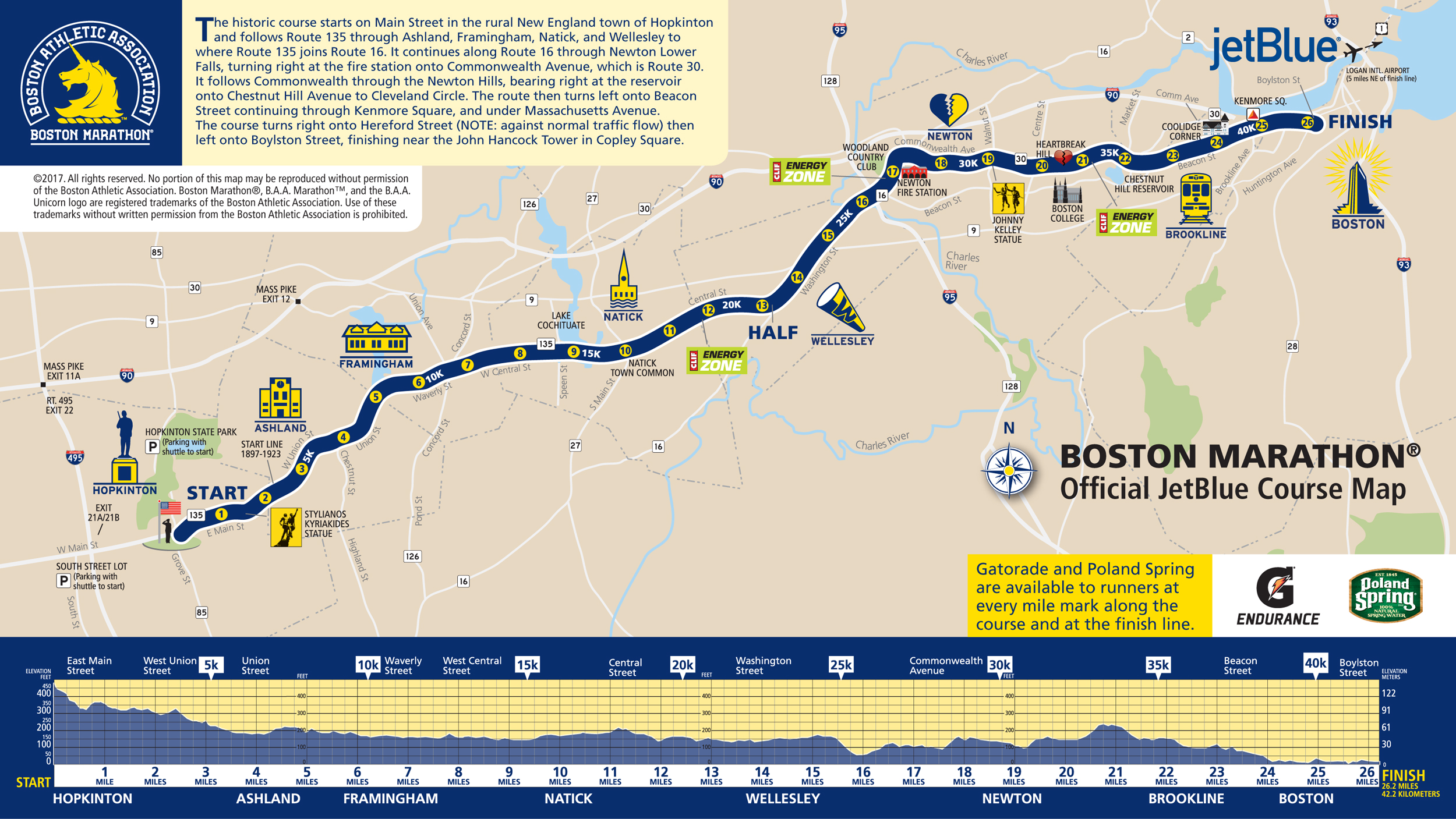
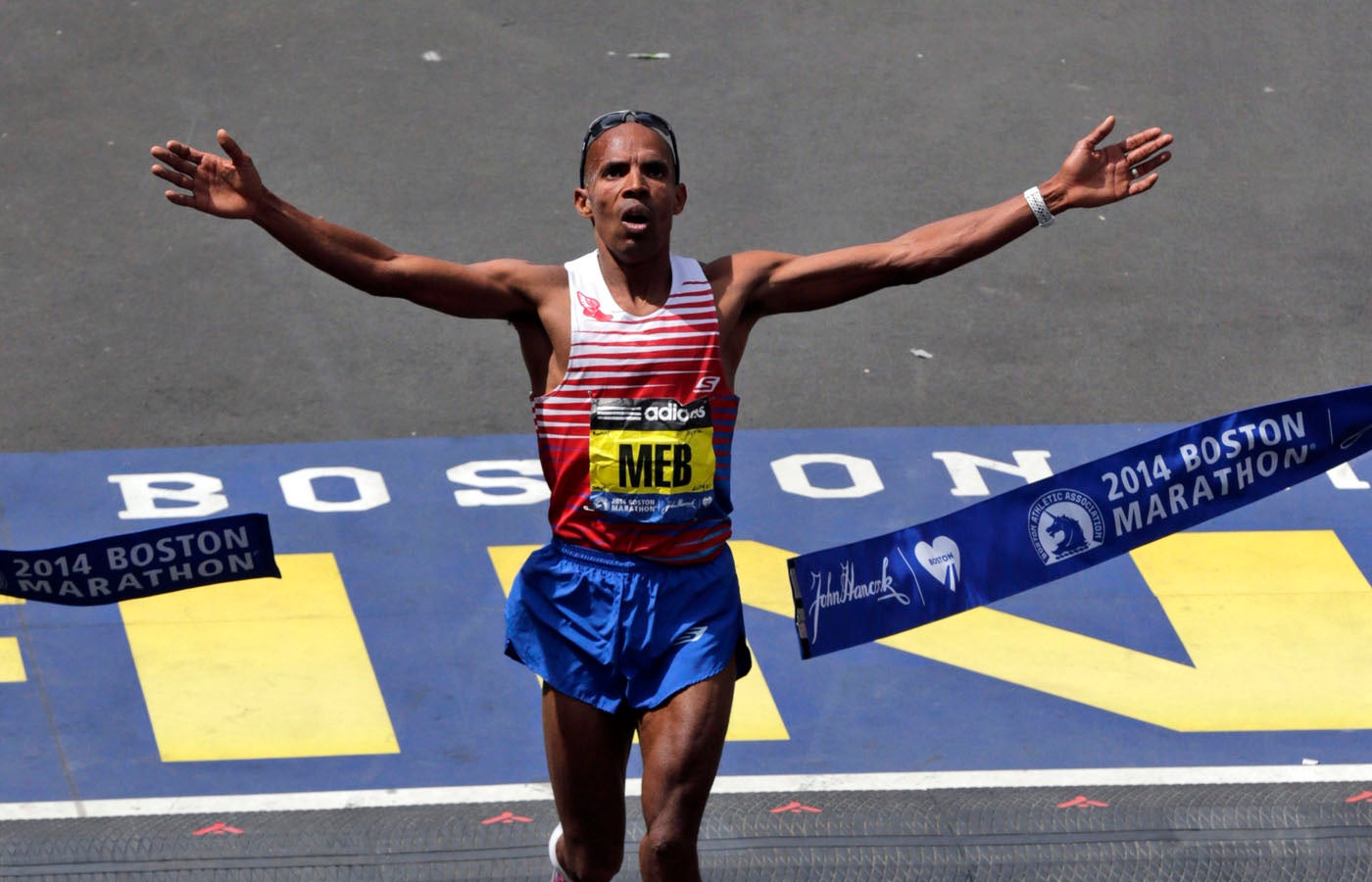
The 26.2 miles of the Boston Marathon is much more than a mere number; it represents a challenging, point-to-point course that winds through eight Massachusetts cities and towns, starting in the quaint town of Hopkinton and concluding in the heart of Boston. As a World Marathon Major and the world’s oldest annual marathon, its course is steeped in lore and famous for its unique topography.
The race begins with a largely downhill stretch for the first few miles, offering a swift start through Ashland and Framingham. Runners often find themselves flying down these initial segments, but this early speed can be deceptive, as the real challenges lie ahead. The mid-section, transitioning through Natick and Wellesley, is characterized by rolling hills, which can start to wear on a runner’s legs. The famous “Scream Tunnel” at Wellesley College, where students cheer with incredible enthusiasm, provides a much-needed boost of energy and is a highlight for both participants and spectators.
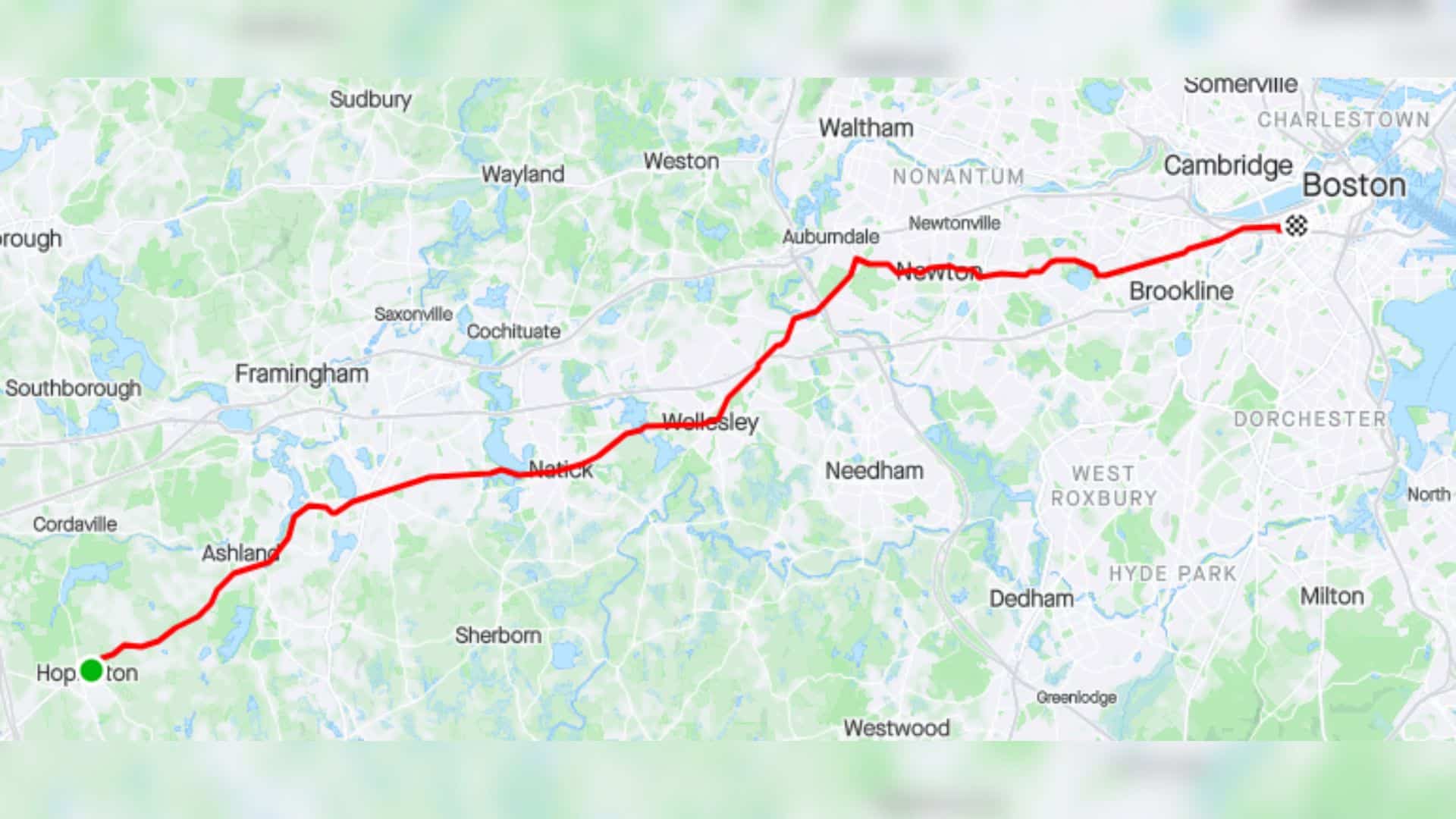
The latter part of the race, particularly as it enters Newton, is where the “hills” truly begin. This series of ascents, famously culminating in Heartbreak Hill around mile 20-21, is legendary. Heartbreak Hill is not the steepest climb, but its timing in the race – when runners are already exhausted – makes it a monumental mental and physical hurdle. Conquering Heartbreak Hill is often considered the final significant challenge before the relatively downhill run into the city.
After the hills, the course flattens out as it passes through Brookline and enters the vibrant streets of Boston. The sight of the iconic Citgo Sign above Fenway Park signals that the finish line is tantalizingly close, just a couple of miles away. The final stretch down Boylston Street towards the finish in Copley Square, lined with roaring crowds, is an emotional and exhilarating experience, marking the culmination of months of training and enduring determination.
Planning Your Race Weekend: A Comprehensive Travel Guide
Visiting Boston for the marathon, whether as a runner or a spectator, offers a fantastic opportunity to combine an iconic sporting event with an enriching travel experience. Effective planning is crucial, especially regarding accommodation and transportation, given the influx of visitors.
Securing Your Stay: Boston’s Diverse Accommodation Options
When it comes to accommodation, Boston offers a spectrum of choices to suit every preference and budget, from luxury hotels to charming boutique stays and convenient serviced apartments. The key is to book well in advance, as rooms fill up quickly and prices surge around Patriots’ Day weekend, when the marathon is held.
For those seeking proximity to the finish line and a taste of urban sophistication, staying in the Back Bay area is ideal. This neighborhood boasts numerous upscale hotels, many offering views of the marathon route itself. The Fairmont Copley Plaza, Mandarin Oriental, Boston, and Boston Marriott Copley Place are popular choices, providing luxurious amenities and easy access to Copley Square and surrounding attractions. Many of these establishments offer special marathon packages, enhancing the lifestyle aspect of your trip.
Alternatively, Downtown Boston offers a blend of historical charm and modern conveniences, with hotels ranging from elegant historic properties like Omni Parker House to contemporary high-rises. This area is well-connected by public transport and provides excellent access to sights like the Freedom Trail.
For travelers on a more modest budget or those preferring a quieter ambiance, consider areas like Cambridge, just across the Charles River. Cambridge offers a range of hotels and is home to renowned institutions like Harvard University and the Massachusetts Institute of Technology (MIT). It’s easily accessible to Boston via the MBTA (the “T” subway system). Serviced apartments or villas booked through platforms focusing on long-term accommodation can also be a cost-effective and comfortable option, especially for families or larger groups. Regardless of your choice, early booking ensures the best rates and availability, turning potential stress into a seamless experience.
Getting There and Around: Seamless Transportation
Traveling to and navigating Boston during marathon weekend requires strategic planning. Most international and domestic visitors will arrive at Logan International Airport (BOS). From the airport, various options are available to reach your accommodation, including taxis, rideshares, and the convenient MBTA Silver Line bus service, which connects directly to South Station and other key points.
Once in Boston, the city’s public transportation system, the MBTA, is your best friend. Known as “the T,” it comprises subway lines, buses, and commuter rail services, making it easy to reach various parts of the city and its surrounding areas without the hassle of driving and parking, which can be particularly challenging during marathon events. Consider purchasing a CharlieCard or CharlieTicket for easy access to the system.
For spectators, using the T is essential for getting to various viewing spots along the race course. While driving is generally discouraged due to extensive road closures and heavy traffic, limited commuter rail services might connect to certain towns along the route. However, walking and the subway remain the most efficient ways to experience the marathon festivities and explore Boston’s landmarks. Many areas, particularly Downtown and Back Bay, are highly walkable, allowing you to soak in the atmosphere and discover hidden gems on foot.
Beyond the Finish Line: Exploring Boston’s Rich Tapestry
While the marathon is the main draw, Boston is a city brimming with history, culture, and culinary delights that merit exploration. Incorporating these elements into your itinerary enhances your travel experience, transforming a sports trip into a comprehensive tourism adventure.
A Walk Through History: The Freedom Trail and Historic Landmarks
Boston is arguably one of America’s most historically significant cities, playing a pivotal role in the American Revolution. The best way to experience this rich heritage is by walking the Freedom Trail, a 2.5-mile red-lined path that leads to 16 historically important sites. Starting at Boston Common, the oldest city park in the United States, and continuing to the Bunker Hill Monument in Charlestown, the trail offers a captivating journey through pivotal moments in American history.
Along the Freedom Trail, you’ll encounter iconic landmarks such as the Massachusetts State House, Park Street Church, Granary Burying Ground (resting place of Paul Revere and Samuel Adams), King’s Chapel, and the site of the Boston Massacre. Further along, you’ll find Faneuil Hall, a historic marketplace and meeting place, and the Old North Church, famous for its “one if by land, two if by sea” lanterns that signaled Paul Revere’s ride. Completing the trail takes you through the charming North End to the Paul Revere House and the USS Constitution at Charlestown Navy Yard. Beyond the trail, other significant landmarks include the Boston Public Library in Copley Square, an architectural masterpiece, and the tranquil Boston Public Garden, perfect for a leisurely stroll or a ride on the famous Swan Boats.
Cultural Immersion and Culinary Delights
Boston’s cultural scene is as vibrant as its history. Art enthusiasts should visit the renowned Museum of Fine Arts, home to an extensive collection spanning various cultures and periods, or the Isabella Stewart Gardner Museum, a Venetian-style palace housing an eclectic array of art, textiles, and furniture around a stunning courtyard. For those interested in science and technology, the Museum of Science offers interactive exhibits for all ages.
No visit to Boston is complete without indulging in its distinctive culinary scene. The city is famous for its fresh seafood, particularly New England Clam Chowder and delectable lobster rolls. Head to Legal Sea Foods for classic seafood dishes, or explore the bustling Quincy Market for a variety of quick and tasty options.
For an authentic Italian experience, spend an evening in the North End. This historic neighborhood is packed with trattorias, bakeries, and cafes. Be sure to try the cannoli at either Mike’s Pastry or Modern Pastry – a friendly rivalry that adds to the charm. Boston also offers an array of international cuisine and fine dining establishments, catering to diverse palates. Combining the excitement of the marathon with these cultural and gastronomic explorations creates a holistic and unforgettable travel memory, truly encapsulating a luxury travel or family trip experience.
The Boston Marathon Experience: A Lifestyle Perspective
The Boston Marathon is more than just a race; it’s a global phenomenon that brings together diverse communities and embodies a unique lifestyle. For runners, it’s the culmination of rigorous training and a deep personal commitment. For spectators, it’s an opportunity to witness human perseverance and immerse themselves in an unparalleled atmosphere of camaraderie and celebration.
Spectator’s Guide and Runner’s Insights
For spectators, experiencing the Boston Marathon is about choosing your vantage points wisely. The initial miles in Hopkinton offer a chance to see the elite runners at their freshest, but require early morning travel. The “Scream Tunnel” at Wellesley College is a bucket-list experience for many, full of boisterous student cheers. For those wanting to witness the monumental struggle of Heartbreak Hill, the area around Boston College in Newton is prime. However, the most electric atmosphere is found in the final miles along Commonwealth Avenue and particularly Boylston Street in Back Bay, where the crowds are thickest and the energy is palpable. Arrive early to secure a good spot, and use the MBTA to move between viewing areas. Bringing water, snacks, and dressing in layers for changeable New England weather are essential tips for any spectator.
For runners, qualifying for Boston is an achievement in itself, requiring strict qualifying times based on age and gender. The journey of training for the 26.2 miles is a significant lifestyle commitment, demanding dedication, discipline, and often, extensive travel for training runs or tune-up races. Once in Boston, attending the Marathon Expo at the Hynes Convention Center is a must for packet pickup and to soak in the pre-race excitement. On race day, focus on hydration, fueling, and sticking to your race plan. Remember that the course’s notorious hills are front-loaded, so conserve energy. The encouragement from the crowds, especially along Boylston Street, will be an unforgettable motivator through the last challenging miles.
The Spirit of Patriots’ Day
The Boston Marathon is traditionally held on Patriots’ Day, a Massachusetts state holiday commemorating the battles of Lexington and Concord, which marked the start of the American Revolutionary War. This unique timing imbues the marathon with an added layer of historical significance and local pride. The holiday atmosphere extends beyond the race, with various events and celebrations happening across the city. This fusion of sport and history makes the [Boston Marathon](https://lifeoutofthebox.com/boston-marathon] weekend a distinct tourism offering, appealing to those interested in both athletic achievement and cultural heritage.
The resilience and community spirit displayed after tragic events have also cemented the marathon’s place in the hearts of many, symbolizing triumph over adversity and the enduring strength of the human spirit. Participating in or even just witnessing the Boston Marathon is a profound experience, connecting individuals to a rich tapestry of history, personal achievement, and collective celebration. It’s a testament to the power of human endeavor, played out over 26.2 iconic miles, against the backdrop of one of America’s most beloved cities, offering a truly inspiring travel and lifestyle adventure.
LifeOutOfTheBox is a participant in the Amazon Services LLC Associates Program, an affiliate advertising program designed to provide a means for sites to earn advertising fees by advertising and linking to Amazon.com. Amazon, the Amazon logo, AmazonSupply, and the AmazonSupply logo are trademarks of Amazon.com, Inc. or its affiliates. As an Amazon Associate we earn affiliate commissions from qualifying purchases.