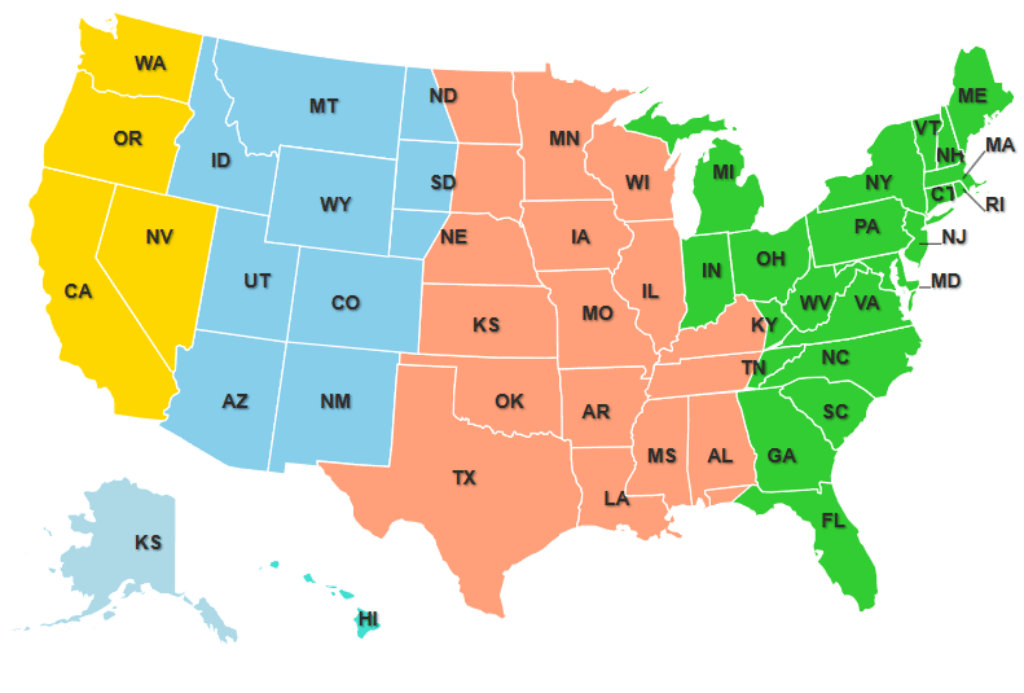
For travelers planning a visit to the colossal state of [Texas], one of the most fundamental questions, beyond what to see and where to stay, often revolves around a seemingly simple query: “What time is it in [Texas]?” While the question itself is straightforward, the answer, much like [Texas] itself, has a little more depth due to the state’s immense size and geographical spread. Understanding the time zones is crucial for seamless travel planning, from booking flights and tours to coordinating meetings or simply knowing when to call home. But beyond the mere ticking of clocks, [Texas] offers a timeless journey through diverse landscapes, vibrant cities, rich history, and unparalleled cultural experiences that make every moment spent here truly count. This comprehensive guide will not only clarify [Texas]’s time zones but also delve into why this magnificent state is a destination where time seems to slow down, inviting visitors to savor every experience.
Understanding Texas’s Time Zones
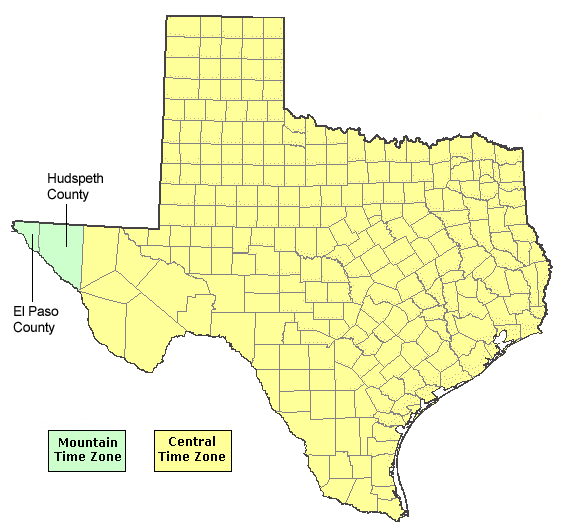
Despite its vastness, the majority of [Texas] operates within a single primary time zone, simplifying planning for most visitors. However, a significant exception in its westernmost reaches requires careful consideration, especially for those embarking on cross-state adventures.
Central Standard Time (CST) and Central Daylight Time (CDT)
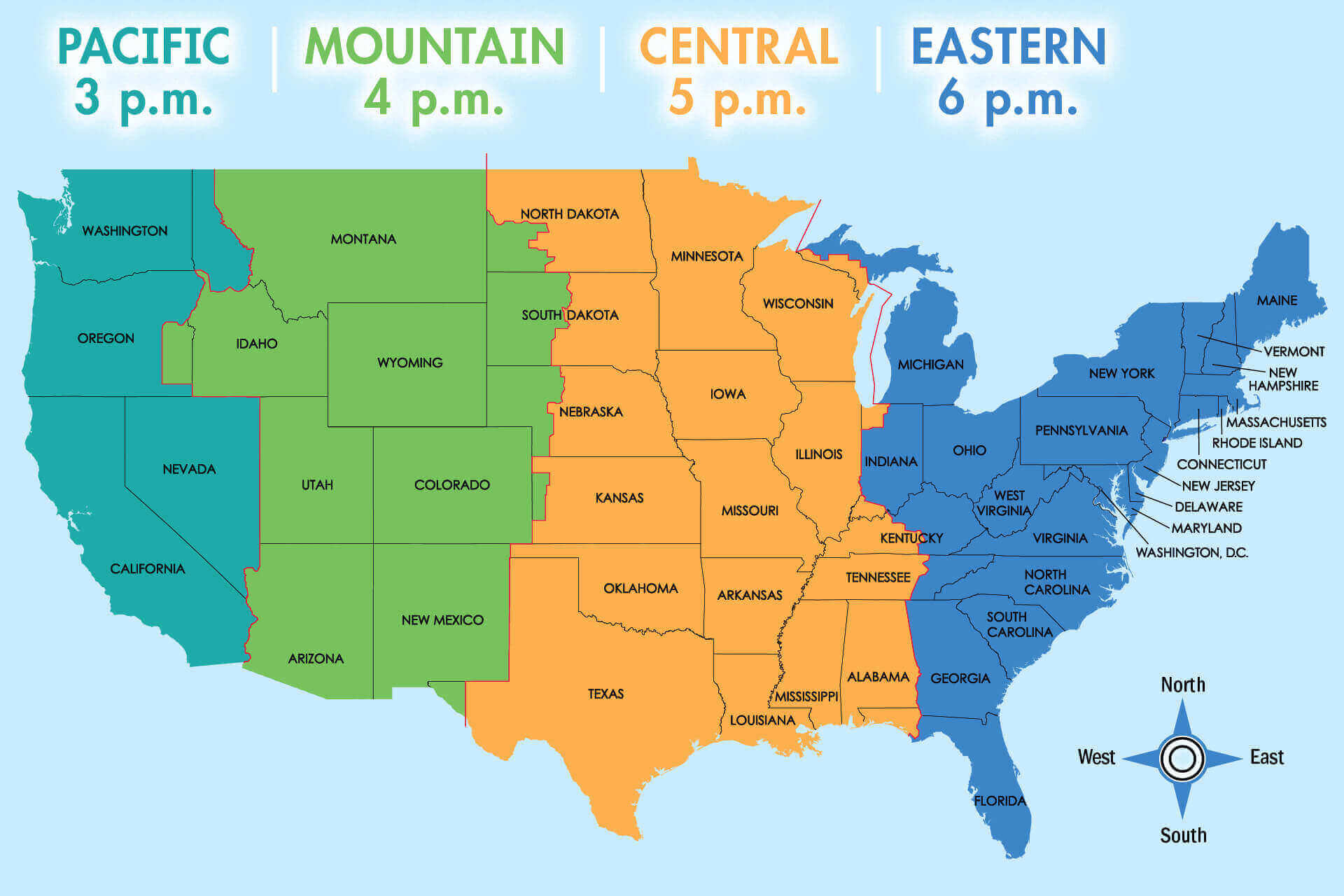
The vast majority of [Texas], including major metropolitan areas like [Houston], [Dallas], [Austin], and [San Antonio], observes Central Standard Time (CST) during the fall and winter months. CST is six hours behind Coordinated Universal Time (UTC-6). When Daylight Saving Time comes into effect, typically beginning on the second Sunday in March and ending on the first Sunday in November, these areas switch to Central Daylight Time (CDT), which is five hours behind Coordinated Universal Time (UTC-5). This transition means clocks are moved forward by one hour in spring and back by one hour in fall.
For most travelers, knowing that cities such as [Houston] with its [NASA Johnson Space Center] and vibrant [Museum District], [Dallas] with its sophisticated [Dallas Arts District] and historical [Sixth Floor Museum at Dealey Plaza], [Austin] famed for its live music scene and refreshing [Barton Springs Pool] in [Zilker Park], and [San Antonio] home to [The Alamo] and the picturesque [San Antonio River Walk], all share the same time zone simplifies itinerary planning immensely. Whether you’re exploring the bustling streets of [Dallas], catching a concert in [Austin], or delving into the history of [San Antonio], you can generally assume you’re operating on Central Time.
The El Paso Exception: Mountain Time Zone (MT)
The exception to this rule lies in the far western corner of [Texas], specifically the city of [El Paso] and its surrounding county. This region observes the Mountain Time Zone (MT). During standard time, [El Paso] is seven hours behind Coordinated Universal Time (UTC-7), and when Daylight Saving Time is in effect, it switches to Mountain Daylight Time (MDT), which is six hours behind Coordinated Universal Time (UTC-6).
This means that [El Paso] is consistently one hour behind the rest of [Texas] that observes Central Time. For travelers driving across the state from east to west or vice-versa, remembering this time zone change is vital. Failing to account for it could lead to missed appointments, delayed check-ins, or confusion with transportation schedules. For instance, if you depart from [Houston] at 9:00 AM CDT heading towards [El Paso], you would arrive in [El Paso] at what would be 8:00 AM MDT relative to their local time, effectively “gaining” an hour upon crossing the time zone boundary. Conversely, traveling from [El Paso] to [Dallas] would mean “losing” an hour. Always confirm the local time for your specific destination within [Texas] to avoid any disruptions, especially when journeying to or from the [El Paso] area.
Beyond the Clock: Why Texas is a Timeless Destination
While understanding the exact time is practical, the true essence of visiting [Texas] lies in how you choose to spend your time. [Texas] isn’t just a state; it’s a universe of experiences, a mosaic of cultures, and a testament to natural grandeur that invites exploration without the constant glance at the clock. From bustling metropolises to serene natural parks, its diverse offerings cater to every type of traveler, making every moment an investment in unforgettable memories.
Iconic Cities and Their Charms
Each major city in [Texas] offers a distinct personality and a wealth of attractions, making them essential stops on any comprehensive tour.
- [Houston]: As the largest city in [Texas], [Houston] is a global hub for space exploration, energy, and a melting pot of cultures. Beyond the iconic [NASA Johnson Space Center], visitors can explore the world-class institutions in the [Museum District], unwind in the sprawling urban green space of [Buffalo Bayou Park], or indulge in its renowned culinary scene, which spans from international fine dining to authentic Tex-Mex. The city’s diverse neighborhoods offer unique shopping, art galleries, and live entertainment, reflecting its vibrant and forward-thinking spirit.
- [Dallas]: A symbol of modern sophistication and historical depth, [Dallas] boasts an impressive skyline and a thriving arts scene centered around the [Dallas Arts District], home to multiple museums and performing arts venues. Shoppers will delight in its upscale boutiques, while history buffs can delve into the impactful events at the [Sixth Floor Museum at Dealey Plaza]. Don’t miss the chance to relax at [Klyde Warren Park], an urban oasis built over a freeway, or explore the trendy galleries and eateries of the [Bishop Arts District].
- [Austin]: Known as the “Live Music Capital of the World,” [Austin] exudes a quirky, energetic vibe that sets it apart. The city’s vibrant music scene thrives on [Sixth Street] and throughout its numerous venues, including the legendary [Continental Club]. Outdoor enthusiasts can enjoy kayaking on Lady Bird Lake, swimming in the natural spring-fed [Barton Springs Pool], or hiking in [Zilker Park]. A visit to the majestic [Texas State Capitol] offers a glimpse into state history, while the city’s burgeoning food truck culture provides an endless array of culinary delights.
- [San Antonio]: Steeped in history and rich Spanish colonial heritage, [San Antonio] offers a profoundly unique cultural experience. The legendary [The Alamo] stands as a testament to [Texas]’s fight for independence, while the serene [San Antonio River Walk] provides a beautiful setting for dining, shopping, and leisurely strolls. The city is also home to [San Antonio Missions National Historical Park], a UNESCO World Heritage Site comprising five historic Spanish frontier missions, offering a deep dive into the region’s past.
- [Galveston]: For a refreshing coastal escape, [Galveston] Island offers historic charm, beautiful beaches, and family-friendly attractions. Its [Strand Historic District] is lined with Victorian architecture, unique shops, and restaurants, while attractions like [Moody Gardens] provide entertainment with pyramids housing a rainforest, aquarium, and discovery museum.
Natural Wonders and Outdoor Adventures
Beyond its urban centers, [Texas] is a treasure trove of natural beauty, offering adventurers and nature lovers a diverse playground.
- [Big Bend National Park]: Located in the remote western part of [Texas], this park is a vast expanse of Chihuahuan Desert, rugged mountains, and dramatic canyons carved by the [Rio Grande]. It’s a haven for hikers, stargazers, and those seeking solitude amidst stunning landscapes. The park’s diverse ecosystems support a wide array of plant and animal life, making it a truly unique outdoor experience.
- [Guadalupe Mountains National Park]: Home to the highest peak in [Texas], Guadalupe Peak, this park offers challenging hikes, stunning desert landscapes, and a glimpse into ancient marine fossils. Its diverse habitats include gypsum dunes, wooded canyons, and high-desert plateaus.
- [Padre Island National Seashore]: As the longest undeveloped barrier island in the world, [Padre Island National Seashore] is a sanctuary for migratory birds and sea turtles. Visitors can enjoy pristine beaches, excellent birdwatching, fishing, and camping in a truly wild coastal environment.
- [Texas Hill Country]: This picturesque region of rolling hills, spring-fed rivers, and charming small towns offers a scenic escape. Known for its burgeoning wine industry, visitors can tour vineyards and taste local wines in towns like [Fredericksburg]. The Frio and Comal Rivers are popular for tubing, while historic settlements like [Gruene] offer a glimpse into the past with live music and quaint shops.
Planning Your Texas Trip: Accommodation and Experiences
Successfully navigating a trip to [Texas] involves not only knowing the time but also carefully planning your stay and activities to make the most of every precious moment. With such vast distances and a plethora of options, smart planning ensures a rewarding journey.
Diverse Accommodation Options
[Texas] offers an incredibly broad spectrum of accommodation options, catering to every preference and budget, from opulent resorts to charming boutique hotels and family-friendly lodges.- Luxury Stays: For those seeking unparalleled comfort and world-class amenities, [Texas]’s major cities boast a selection of high-end hotels. Examples include [The Post Oak Hotel at Uptown Houston], known for its sophisticated design and exquisite service; [Hotel ZaZa Dallas], offering themed suites and vibrant nightlife; and the expansive [JW Marriott San Antonio Hill Country Resort & Spa], providing a luxurious retreat with golf courses and a vast water park. These establishments typically offer fine dining, spa services, fitness centers, and concierge assistance to enhance your travel experience.
- Boutique Hotels: To immerse yourself in local culture and enjoy unique, personalized service, boutique hotels are an excellent choice. [Hotel Emma] at the Pearl in [San Antonio], a former 19th-century brewery, is renowned for its industrial-chic design and exceptional culinary experiences. In [Austin], the [South Congress Hotel] captures the city’s eclectic spirit with its stylish rooms, popular restaurants, and lively atmosphere. These properties often emphasize local art, design, and a strong sense of place.
- Family-Friendly Resorts: Traveling with family requires accommodations that cater to all ages. The [Gaylord Texan Resort & Convention Center] in [Grapevine] offers lavish surroundings with an indoor and outdoor water park, diverse dining, and activities for children. Also in [Grapevine], [Great Wolf Lodge] is a popular choice for families, famous for its indoor water park and kid-centric entertainment.
- Budget-Friendly Options: For travelers minding their budget, [Texas] provides numerous chain hotels, motels, and vacation rentals. Websites offering comparisons and booking platforms are invaluable tools for finding the best deals. Consider staying slightly outside major city centers for more affordable rates, often with easy access to attractions.
- Unique Stays: For an unforgettable experience, consider glamping in the [Texas Hill Country], staying in a cozy cabin near a state park, or even a ranch stay to experience authentic cowboy life. These options provide a different perspective on [Texas], allowing for deeper connection with its natural beauty and local charm.
Immersive Cultural and Culinary Experiences
Spending time in [Texas] also means delving into its rich tapestry of culture and savoring its distinctive culinary landscape.
- Food: No visit to [Texas] is complete without indulging in its legendary barbecue. Iconic spots like [Franklin Barbecue] in [Austin] and [Salt Lick BBQ] outside of [Austin] draw crowds for their mouth-watering brisket. Beyond BBQ, [Texas] is famous for its Tex-Mex cuisine, offering a delicious fusion of American and Mexican flavors. Don’t forget to try a kolache, a sweet pastry brought by Czech immigrants, or the comforting classic, chicken-fried steak. Food tours can be an excellent way to sample a variety of local delicacies and learn about their origins.
- Music: [Texas]’s musical heritage is as vast as the state itself. While [Austin] is synonymous with live music, you’ll find everything from country and blues to rock and Tejano music across the state. Exploring local venues, attending music festivals, or simply enjoying street performers can be a highlight.
- Rodeos and Western Culture: To truly experience the “Old West,” head to the [Fort Worth Stockyards National Historic District] in [Fort Worth]. Here, you can witness the cattle drive, explore Western-themed shops, and even catch a rodeo. This area offers an authentic glimpse into [Texas]’s cowboy legacy.
- Museums and Arts: [Texas] boasts an impressive array of museums and art galleries. The [Museum of Fine Arts, Houston] and the [Kimbell Art Museum] and [Amon Carter Museum of American Art] in [Fort Worth] house significant collections, while smaller, local museums preserve specific regional histories and cultures.
Practical Tips for Texas Travelers
To ensure your journey through [Texas] is as smooth as possible, keep these practical considerations in mind.
- Best Time to Visit: Spring (March to May) and Fall (September to November) generally offer the most pleasant weather for exploring [Texas], with mild temperatures perfect for outdoor activities. Summers (June to August) can be intensely hot, especially in inland areas, though coastal regions like [Galveston] offer sea breezes. Winters are typically mild but can see occasional cold fronts, particularly in the northern parts of the state.
- Transportation: Given the immense distances between destinations in [Texas], a car is almost essential for independent travel and exploring at your own pace. Renting a car at major airports is straightforward. For very long distances, domestic flights between major cities like [Houston], [Dallas], and [Austin] can save significant travel time.
- Packing Essentials: Regardless of the season, packing layers is advisable due to fluctuating temperatures and air-conditioned interiors. Sunscreen, a wide-brimmed hat, and sunglasses are crucial, especially during summer and for extended outdoor activities. Comfortable walking shoes are a must for exploring cities and parks.
- Local Etiquette: [Texas] is known for its friendly, hospitable locals. A polite greeting and a genuine smile go a long way. “Southern hospitality” is a real thing here, and people are generally happy to help or chat.
- Staying Connected: Mobile phone coverage is generally excellent in urban and populated areas. Many hotels, restaurants, and attractions offer free Wi-Fi, making it easy to stay connected and share your [Texas] adventures.
In conclusion, understanding “What is the time in [Texas] [America]?” is merely the first step in planning an extraordinary journey. While the distinction between Central and Mountain Time is a practical necessity for accurate scheduling, the true measure of time in [Texas] is found in the moments you spend immersing yourself in its diverse offerings. From the bustling energy of its cities to the serene majesty of its national parks, the warmth of its hospitality, and the richness of its culture, [Texas] provides a boundless canvas for exploration. Every second, minute, and hour invested in discovering this remarkable state promises a lifetime of cherished memories, making your time in [Texas] an truly invaluable experience.