
Florida, often lauded as the Sunshine State, beckons millions annually with its sun-drenched beaches, world-class theme parks, and vibrant cultural tapestry. From the bustling streets of Miami to the serene wetlands of the Everglades, the state offers a diverse array of experiences for every traveler. While its allure is undeniable, a persistent question has been brewing in the minds of many, both residents and visitors alike: when will recreational marijuana become legal in Florida? This query touches upon not just a shift in state law, but also the potential ripple effects on tourism, lifestyle choices, and the broader economic landscape of this popular destination.

The journey towards marijuana legalization in Florida has been a complex and protracted one, marked by legislative hurdles, citizen initiatives, and evolving public opinion. Unlike some of its neighboring states, Florida has maintained a more cautious approach, prioritizing medical marijuana access before considering broader legalization for adult recreational use. This measured pace reflects a blend of deeply ingrained societal views and the significant economic and political considerations involved in such a monumental policy change. For those planning a trip to Orlando to visit the Walt Disney World Resort, or seeking a luxurious escape at a Key West resort, understanding the current legal status and potential future changes is crucial for a smooth and enjoyable experience.
The Evolving Landscape of Cannabis in Florida
Florida’s engagement with cannabis policy has seen significant evolution, particularly over the past decade. The state first legalized medical marijuana in 2016 through a voter-approved constitutional amendment. This landmark decision opened the door for patients with qualifying conditions to access cannabis for therapeutic purposes. However, the implementation of this amendment was not without its challenges, leading to extensive regulatory frameworks and ongoing debates about accessibility and product availability.
Medical Marijuana: The First Step
The establishment of a robust medical marijuana program in Florida was a pivotal moment. Patients diagnosed with conditions such as epilepsy, multiple sclerosis, cancer, and chronic pain can now legally obtain cannabis through licensed dispensaries. This has brought relief to thousands, but it also created a distinct legal dichotomy: medical use is permitted under strict guidelines, while recreational use remains prohibited. This distinction is vital for tourists and business travelers who may be accustomed to different legal environments in their home states or countries. For instance, a traveler seeking a relaxing spa experience at a Naples resort might be unaware of the nuances of Florida’s current cannabis laws, potentially leading to confusion or unintended legal issues.
The Push for Recreational Legalization
The success of the medical marijuana initiative emboldened advocates for recreational legalization. Several attempts have been made to place this issue before Florida voters via ballot initiatives. These efforts, however, have faced significant legal and procedural obstacles, primarily related to the wording of the proposed amendments and the required signature thresholds. The Florida Supreme Court has, on occasion, ruled that certain proposed amendments did not meet the constitutional requirements for ballot inclusion. These legal challenges highlight the intricate political landscape surrounding cannabis legalization in the state, often involving powerful opposition from various interest groups.
The debate often centers on several key arguments. Proponents of recreational legalization point to the potential economic benefits, including tax revenue that could fund public services, job creation in cultivation and retail sectors, and a reduction in law enforcement resources spent on marijuana-related offenses. They also emphasize personal liberty and the belief that adults should have the freedom to make choices about their own bodies.
Conversely, opponents raise concerns about public health and safety, potential increases in impaired driving incidents, and the impact on youth. They also highlight the ongoing federal prohibition of marijuana, which creates complexities for businesses operating in the state. The intricate balance of these arguments, coupled with lobbying efforts from both sides, has contributed to the slow pace of progress on recreational legalization.
Potential Impacts on Florida’s Tourism and Lifestyle Sectors
The legalization of recreational marijuana in Florida could have profound implications for its dominant tourism industry, as well as its broader lifestyle offerings. The Sunshine State attracts over 100 million visitors annually, seeking a diverse range of experiences from the family-friendly attractions of Tampa to the sophisticated nightlife of South Beach. A shift in cannabis policy could reshape these experiences in several ways.
Tourism and Cannabis: A New Frontier?
States that have legalized recreational marijuana have often seen an increase in tourism, with “cannabis tourism” emerging as a niche market. Visitors may be attracted to the novelty of legal access, seeking out dispensaries, cannabis-friendly accommodations, and related experiences. For Florida, a state that thrives on its welcoming atmosphere, the introduction of legal recreational cannabis could attract a new demographic of travelers or cater to existing ones who appreciate the relaxed environment.
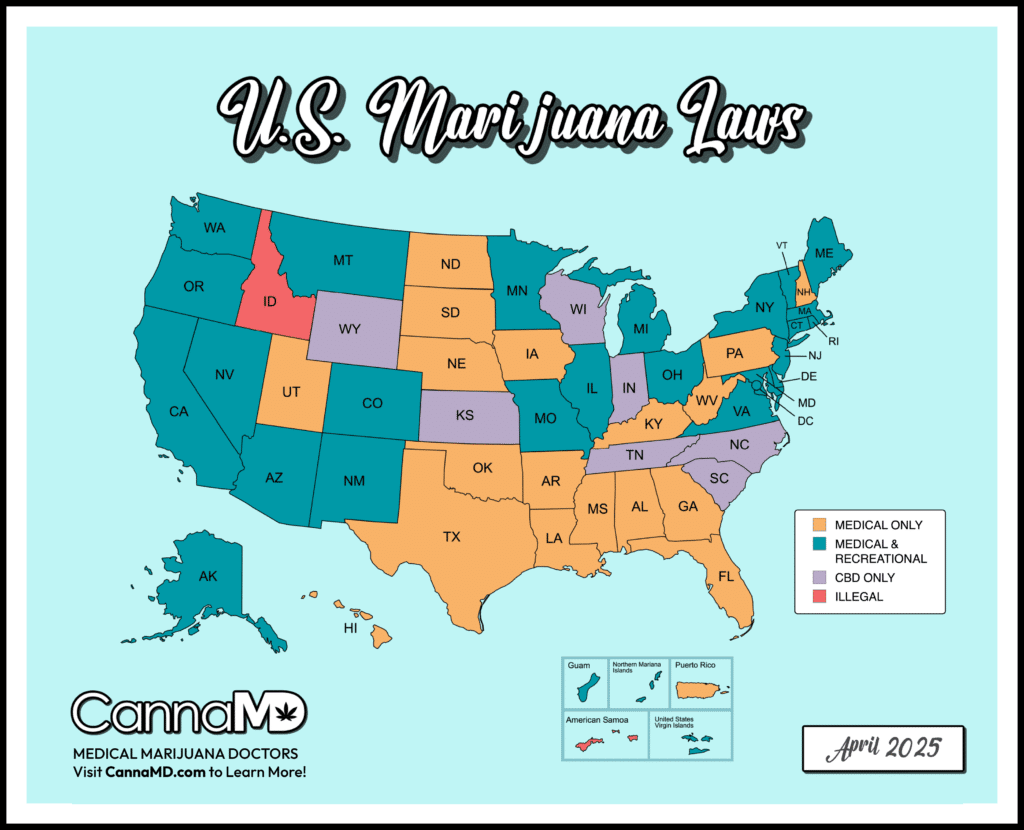
However, integrating cannabis into the tourism landscape also presents challenges. Many hotels and resorts, particularly those catering to families or those with strict brand standards, may choose to remain non-cannabis friendly. This could lead to a segmentation of the market, with dedicated cannabis-friendly establishments emerging, while mainstream tourism operations maintain a distance. Understanding local ordinances and specific hotel policies regarding cannabis consumption would become an essential part of travel planning. For example, a vacationer looking for a secluded villa in the Florida Keys might need to investigate whether the rental property and the surrounding areas permit cannabis use.
The impact on attractions like theme parks in [Orlando] or the historic sites in St. Augustine remains a significant question. While direct consumption within these venues would likely be prohibited, the overall ambiance and legal framework of the state could subtly influence visitor perceptions and choices. The potential for increased revenue through tourism taxes on cannabis sales is also a compelling argument for policymakers, especially for a state heavily reliant on the tourism dollar.
Lifestyle and Accommodation: Adapting to Change
Beyond tourism, the legalization of recreational marijuana could influence the lifestyle choices of Florida residents and long-term stay visitors. The availability of legal cannabis could lead to an increased demand for specific types of accommodation or amenities that cater to a cannabis-friendly lifestyle. This might include properties with enhanced ventilation, private outdoor spaces, or proximity to dispensaries.
For those seeking extended stays, perhaps for business or retirement, the legal status of cannabis could become a factor in choosing where to reside. Communities that embrace a more progressive approach to cannabis may attract a particular demographic. This could also influence the rental market, with landlords needing to decide on their policies regarding cannabis use on their properties.
The culinary scene, a significant draw for many visiting Florida, could also see innovation with the advent of cannabis-infused edibles. While medical patients already have access to such products, broader legalization could lead to a wider array of gourmet cannabis-infused dining experiences and products, further diversifying the state’s lifestyle offerings.
The Road Ahead: When Might Florida See Legal Recreational Pot?
Predicting the exact timeline for recreational marijuana legalization in Florida is challenging, given the legislative complexities and the unpredictable nature of voter initiatives. However, several factors can shed light on the potential path forward.
Political Will and Legislative Pathways
The primary route to legalization, outside of a successful ballot initiative, is through legislative action. This would require significant consensus building among Florida’s lawmakers, navigating the diverse interests of various stakeholders. Currently, there is no widespread bipartisan support for immediate recreational legalization, although individual lawmakers have expressed openness to the idea. The upcoming legislative sessions will be crucial in observing whether any concrete proposals gain traction.
A key indicator will be the progress of future ballot initiatives. If a well-crafted and constitutionally sound amendment garners sufficient public support and clears the necessary legal reviews, it could be placed before voters in a future election. The success of similar initiatives in other states, coupled with Florida’s established medical marijuana market, could build momentum for a recreational vote. Many are watching closely to see if another initiative will be put forth for the 2024 or subsequent election cycles, potentially following the successful outcome of the adult-use cannabis initiative in Ohio as an example of evolving voter sentiment.

Public Opinion and Market Trends
Public opinion in Florida has been steadily shifting in favor of marijuana legalization, mirroring national trends. As more states legalize, and as the economic and social impacts are observed, public perception tends to become more favorable. This evolving public sentiment can exert pressure on lawmakers to act. Moreover, the success of the medical marijuana industry in Florida has provided a tangible example of how regulated cannabis can operate within the state’s existing framework, potentially easing some of the fears associated with broader legalization.
The experience of other states, such as Colorado and California, offers valuable lessons. Their experiences with tax revenue generation, regulatory challenges, and social impacts can inform Florida’s decision-making process. As the cannabis industry matures, so too does the understanding of its potential benefits and drawbacks, allowing for more informed policy discussions.
In conclusion, while the question of “When Will Pot Be Legal In Florida?” remains unanswered with a definitive date, the trajectory suggests a gradual but likely movement towards eventual recreational legalization. The existing medical marijuana program, evolving public opinion, and the economic allure of a regulated cannabis market are all significant drivers. For travelers, business owners, and residents alike, staying informed about legislative developments and upcoming ballot initiatives will be key to navigating the changing landscape of the Sunshine State. The potential impacts on tourism, accommodation, and the overall lifestyle of Florida promise to be substantial, marking a new chapter in the state’s dynamic evolution.
LifeOutOfTheBox is a participant in the Amazon Services LLC Associates Program, an affiliate advertising program designed to provide a means for sites to earn advertising fees by advertising and linking to Amazon.com. Amazon, the Amazon logo, AmazonSupply, and the AmazonSupply logo are trademarks of Amazon.com, Inc. or its affiliates. As an Amazon Associate we earn affiliate commissions from qualifying purchases.