
For many travelers dreaming of the Sunshine State, images of pristine beaches, bustling theme parks, and vibrant cityscapes immediately come to mind. Yet, nestled away in Florida’s panhandle, far from the well-trodden tourist paths, lies a region that offers a starkly different, yet equally captivating, experience. This is the Florida Big Bend, a vast, largely undeveloped coastal area that embodies the wild, untamed spirit of the state. It’s a place where nature reigns supreme, offering unparalleled opportunities for outdoor adventure, ecological exploration, and a profound connection with the natural world.
The moniker “Big Bend” refers to the distinctive curve of Florida’s coastline as it transitions from the Gulf Coast’s sandy shores to the more marshy, estuarine environment of the Panhandle. This region is characterized by its extensive salt marshes, tidal flats, mangrove forests, and shallow, tannin-stained waters, creating a unique and ecologically rich habitat. It’s a destination that appeals to those seeking an authentic escape, a chance to disconnect from the digital world and immerse themselves in a landscape that feels ancient and untouched.

Understanding the Geography of Florida’s Big Bend
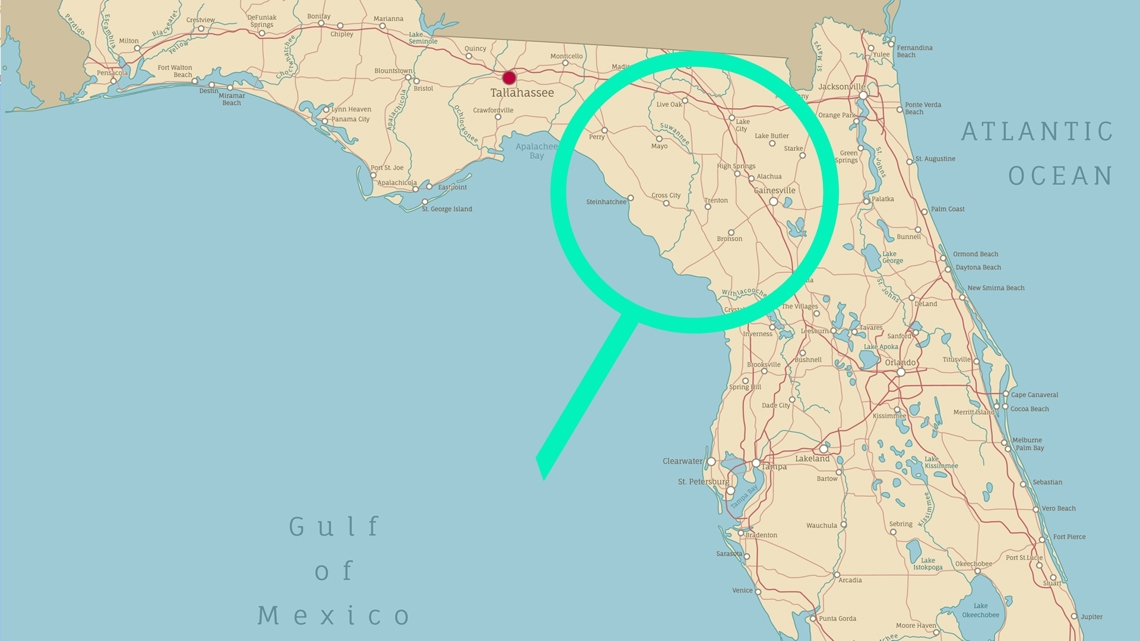
The Florida Big Bend is not a single, defined city or town, but rather an expansive geographical area that stretches along the northeastern coast of the Gulf of Mexico. Its precise boundaries can be somewhat fluid, but it is generally understood to encompass the coastal counties of the Florida Panhandle that form the characteristic curve of the shoreline. This includes areas from roughly the vicinity of Suwannee River in the west, extending eastward to include the northernmost reaches of the Gulf Coast, often touching the outskirts of the Tampa Bay area in its southern sweep.
Coastal Charm and Ecological Significance
The defining feature of the Florida Big Bend is its magnificent coastline. Unlike the sugar-white sands of the Panhandle’s western beaches or the developed shores of Southwest Florida, the Big Bend coast is a mosaic of ecosystems. Vast expanses of salt marsh dominate, serving as critical nurseries for countless marine species, including commercially important fish and shellfish. These marshes are interspersed with shallow bays, oyster reefs, and tidal creeks, creating a complex and dynamic aquatic environment.
Further inland, the region transitions into dense pine forests, palmetto scrub, and bottomland hardwoods, supporting a rich diversity of terrestrial wildlife. The shallow, brackish waters are a haven for wading birds, shorebirds, and a variety of fish species, making it a paradise for birdwatchers and anglers alike. The ecological significance of the Florida Big Bend cannot be overstated; it is one of the last remaining large-scale coastal estuarine systems in the United States, playing a vital role in supporting biodiversity and providing essential ecosystem services.
Key Counties and Communities
While the Florida Big Bend is more of a natural region than a political one, several counties form its core. These include Taylor County, Dixie County, Levy County, and Citrus County, among others. Each of these counties boasts its own unique character and attractions, contributing to the overall charm of the region.
- Taylor County: Known for its rugged coastline and the gateway it provides to the Aucilla River and Wacissa River areas, offering excellent opportunities for paddling and wildlife viewing.
- Dixie County: Home to the expansive Steinhatchee River, a popular spot for fishing and scalloping, and the small but charming fishing village of Steinhatchee.
- Levy County: Features the protected shores of Cedar Key, a picturesque historic island community renowned for its seafood, birdwatching, and tranquil atmosphere. It also includes the Lower Withlacoochee River area.
- Citrus County: While beginning to show more development than its northern neighbors, it retains significant natural areas, including the Homosassa Springs Wildlife State Park, where visitors can observe manatees and other native Florida wildlife. The Crystal River area is also renowned for its unique opportunities to swim with manatees.
Exploring the Natural Wonders of Big Bend
The allure of the Florida Big Bend lies in its pristine natural environment and the myriad of outdoor activities it offers. It’s a destination for those who appreciate the quiet grandeur of nature, the thrill of exploration, and the chance to encounter wildlife in its natural habitat.
Kayaking and Paddling Adventures
The calm, shallow waters of the Florida Big Bend are ideal for kayaking and paddleboarding. Navigating the intricate network of tidal creeks, sheltered bays, and mangrove tunnels provides an intimate perspective of the region’s delicate ecosystems. Paddlers can explore remote shorelines, discover hidden coves, and observe marine life up close.
- The Wacissa River: This spring-fed river offers exceptionally clear water, making it perfect for observing the diverse aquatic life below. Its gentle current makes it suitable for paddlers of all skill levels.
- The Steinhatchee River: A popular destination for both freshwater and saltwater excursions. During scalloping season, the river and its surrounding bays teem with these delicious mollusks, offering a fun and rewarding activity for families.
- The waters around Cedar Key: The sheltered bays and numerous small islands surrounding Cedar Key provide a stunning backdrop for kayaking. Paddlers can explore mangrove habitats, spot dolphins, and enjoy the serene beauty of the Gulf.
Birdwatching and Wildlife Encounters
The Florida Big Bend is a migratory stopover and a year-round haven for an astonishing array of birdlife. The vast salt marshes and shallow waters attract numerous species, from majestic wading birds to diminutive shorebirds.
- Roseate Spoonbills: These vibrantly colored birds are a highlight of the Big Bend, often seen foraging in the shallow waters.
- Ospreys and Eagles: These magnificent raptors are common sights, soaring overhead or perched on trees along the coast.
- Shorebirds and Waders: Species such as egrets, herons, sandpipers, and plovers are abundant, showcasing the health and productivity of the estuarine environment.
- Manatees: In the warmer months, the calm, shallow waters are also frequented by gentle giants – the West Indian manatee. Areas like Homosassa Springs Wildlife State Park and the Crystal River are renowned for allowing visitors to observe these creatures in their natural habitat, often with guided tours that prioritize their well-being.
Fishing and Boating
The Florida Big Bend is a renowned fishing destination, offering opportunities for both recreational and serious anglers. The shallow bays and estuaries are teeming with a variety of fish, including redfish, speckled trout, flounder, and tarpon.
- Inshore Fishing: The shallow flats and oyster beds are prime locations for targeting redfish and speckled trout. Many local guides specialize in inshore fishing excursions, providing invaluable knowledge of the best spots and techniques.
- Offshore Excursions: While the Big Bend is known for its inshore opportunities, deeper waters further offshore offer the chance to catch larger pelagic species.
- Boating and Cruising: The network of waterways also makes for excellent boating. Exploring the coast by boat allows for a broader appreciation of the landscape and the discovery of secluded beaches and fishing spots.
Experiencing the Culture and Charm of Big Bend Communities
Beyond its natural splendor, the Florida Big Bend is characterized by its quaint fishing villages, rich history, and a laid-back atmosphere that harks back to a simpler time. The communities here are deeply connected to the land and sea, offering visitors a glimpse into an authentic Florida lifestyle.
Cedar Key: A Coastal Gem
Perhaps the most well-known community in the Florida Big Bend is Cedar Key. This historic island city, located on the western edge of Levy County, is a charming collection of islands connected by bridges. It’s a place where golf carts often replace cars, and life moves at a gentle pace.
- Seafood Delicacies: Cedar Key is famous for its clams. The briny, delicious clams are harvested from the surrounding waters and are a must-try for any visitor. Numerous restaurants offer fresh, locally sourced seafood, from clam chowder to grilled oysters.
- Artisan Culture: The island boasts a thriving arts scene, with local galleries and studios showcasing the work of regional artists. Visitors can browse unique crafts, paintings, and sculptures inspired by the natural beauty of the Florida Big Bend.
- Nature and History: Explore the Cedar Keys National Wildlife Refuge by boat or kayak, discover the remnants of ancient Timucuan settlements, or simply enjoy a sunset stroll along the waterfront.
Steinhatchee and Surrounding Areas
Further north, along the Dixie County coast, lies Steinhatchee, a vibrant fishing village that serves as a gateway to excellent angling and scalloping opportunities. The Steinhatchee River provides a scenic backdrop, and the town offers a welcoming atmosphere for visitors.
- Scalloping Capital: Steinhatchee is often referred to as the “Scalloping Capital of the World.” During the season, the shallow bays and flats are filled with bay scallops, making it a prime destination for this fun, family-friendly activity.
- Fishing Charters: The area is well-equipped with experienced fishing guides and charter services, catering to all levels of anglers eager to explore the rich fishing grounds of the Big Bend.
- Small-Town Charm: Explore the local bait shops, enjoy fresh seafood at casual waterfront eateries, and soak in the authentic ambiance of a working fishing community.
Planning Your Visit to the Florida Big Bend
A visit to the Florida Big Bend requires a different approach than planning a trip to more developed tourist destinations. It’s a region best explored with a spirit of adventure and an appreciation for its unspoiled nature.
When to Visit
The Florida Big Bend can be enjoyed year-round, with each season offering unique experiences.
- Spring (March-May): Pleasant temperatures, ideal for outdoor activities, and the beginning of the fishing and birdwatching seasons.
- Summer (June-August): Warm and humid, with afternoon thunderstorms being common. This is the prime season for scalloping and enjoying the water.
- Fall (September-November): Cooler temperatures, less humidity, and excellent fishing and birdwatching opportunities as migratory species pass through.
- Winter (December-February): Mild temperatures, making it perfect for exploring the natural areas without the summer heat. It’s also a good time for manatee viewing in the warmer spring-fed waters near Crystal River.
Accommodation Options
Accommodation in the Florida Big Bend tends to be more rustic and nature-focused than luxury resorts. Visitors will find a range of options that cater to outdoor enthusiasts.
- Vacation Rentals: Many private homes and cottages are available for rent in coastal towns and along the waterways, offering a comfortable and private base.
- Motels and Inns: Small, independent motels and inns are common in the communities, offering straightforward and affordable lodging.
- Campgrounds: For the truly adventurous, numerous campgrounds are available, providing an immersive experience in nature, often with waterfront access.
- Houseboats and Yurts: Some areas offer unique lodging experiences like houseboats or yurts, providing an unforgettable way to connect with the environment.
Packing Essentials
Given the focus on outdoor activities, packing wisely is key to enjoying the Florida Big Bend.
- Sun Protection: High SPF sunscreen, hats, and sunglasses are essential due to the strong Florida sun.
- Insect Repellent: Mosquitoes and other biting insects can be present, especially during warmer months.
- Appropriate Footwear: Water shoes, sturdy sandals, and comfortable walking shoes are recommended.
- Binoculars: A must-have for birdwatching and wildlife spotting.
- Rain Gear: Lightweight rain jackets are advisable, especially during the summer and fall.
- Fishing Gear and Licenses: If planning to fish, ensure you have the necessary equipment and a valid Florida fishing license.
The Florida Big Bend remains one of the state’s best-kept secrets, a treasure trove of natural beauty and authentic experiences. It’s a place that rewards those who venture off the beaten path, offering a profound connection to the wild heart of Florida.
LifeOutOfTheBox is a participant in the Amazon Services LLC Associates Program, an affiliate advertising program designed to provide a means for sites to earn advertising fees by advertising and linking to Amazon.com. Amazon, the Amazon logo, AmazonSupply, and the AmazonSupply logo are trademarks of Amazon.com, Inc. or its affiliates. As an Amazon Associate we earn affiliate commissions from qualifying purchases.