
The simple question, “What time is it in Boston?”, often elicits a straightforward answer: it’s currently whatever hour and minute it happens to be in the Eastern Time Zone. However, for the discerning traveler, planning a trip, or even considering a longer stay, the concept of “time” in Boston is far more multifaceted. It encompasses everything from understanding time zones and managing jet lag to optimizing itineraries, experiencing seasonal changes, and aligning with the city’s unique historical rhythms and modern pulse. Far beyond a mere timestamp, knowing “what time it is in Boston” means unlocking a deeper understanding of how to best explore its vibrant neighborhoods, immerse oneself in its rich culture, and make every moment count in this iconic Massachusetts metropolis.
This guide delves into the essence of time in Boston, providing insights that extend beyond the clock face. We’ll explore the practicalities of time zones, the strategic planning required for seamless travel, how seasonal variations influence experiences, and the best ways to synchronize your visit with the city’s myriad attractions, culinary delights, and lifestyle offerings. Whether you’re a first-time visitor or a returning enthusiast, understanding the nuances of time will undoubtedly enhance your Boston adventure, transforming it from a mere trip into an unforgettable journey.

Navigating Boston’s Clock: Time Zones and Practicalities
For many travelers, the first encounter with “time” in Boston is often a direct result of its geographical location and the implications of crossing different time zones. A well-planned approach to understanding and adapting to Boston’s time is paramount for a smooth and enjoyable visit.
Understanding Eastern Time (ET)
Boston operates within the Eastern Time Zone (ET), which observes Eastern Standard Time (EST) during the colder months (UTC-5) and Eastern Daylight Time (EDT) during the warmer months (UTC-4). This shift, commonly known as Daylight Saving Time, typically occurs on the second Sunday in March when clocks “spring forward” an hour, and on the first Sunday in November when they “fall back.” For travelers arriving from outside the Eastern Time Zone, particularly those from international destinations or the Pacific and Mountain regions of the United States, this can lead to jet lag.
Jet lag, a temporary sleep disorder caused by rapid travel across multiple time zones, can significantly impact the initial days of a trip. Symptoms range from fatigue and insomnia to difficulty concentrating and digestive issues. To mitigate its effects, experts recommend gradually adjusting your sleep schedule a few days before departure, staying hydrated during your flight, and exposing yourself to natural light upon arrival in Boston to help reset your body clock. Resisting the urge to nap immediately and instead trying to stay awake until local bedtime can also aid in a quicker adjustment. Familiarizing yourself with the current EST/EDT status before your trip is a simple yet crucial step in preparation.

Strategic Planning for Arrival and Departure
The timing of your arrival and departure in Boston extends beyond just catching a flight; it involves carefully orchestrating your entire travel experience from touchdown to takeoff. Most flights arrive at Logan International Airport (BOS), which is conveniently located just a few miles from downtown.
Flight Times: When booking flights, consider the impact on your sleep schedule. Arriving in the late afternoon or early evening might allow you to check into your accommodation, have a light dinner, and head straight to bed, thereby forcing your body to adapt to the local time more quickly. Conversely, a morning arrival grants you a full day to explore, but might necessitate fighting off fatigue.
Hotel Check-in/Check-out: Standard hotel check-in times are typically between 3:00 PM and 4:00 PM, with check-out usually around 11:00 AM or 12:00 PM. If your flight arrives early, inquire about early check-in options. While not always guaranteed, many hotels, especially those catering to business or luxury travelers, will accommodate if rooms are available, sometimes for an additional fee. Alternatively, leverage the hotel’s luggage storage services to drop off your bags and immediately begin exploring, rather than waiting idle in the lobby. For late departures, a similar approach applies; ask about late check-out or utilize luggage storage to maximize your final day in the city. Some hotels may offer day rates for a few extra hours of room use.
Transportation: Factor in travel time from Logan International Airport to your accommodation. Depending on traffic, public transportation (the MBTA Blue Line), ride-shares, or taxis, this can range from 15 minutes to an hour or more. Peak commuting hours, typically 7:00 AM to 9:00 AM and 4:00 PM to 6:00 PM on weekdays, will significantly impact travel duration. Planning your airport transfers around these times can save valuable minutes and reduce stress.
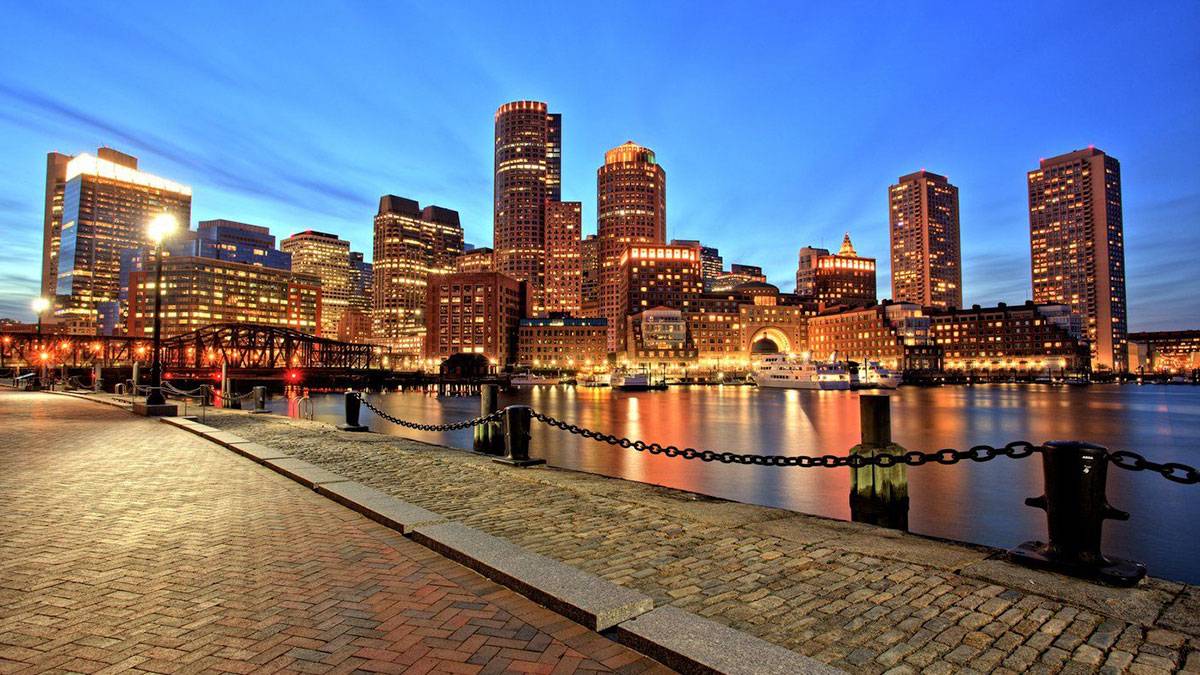
Making the Most of Your Boston Hours: A Traveler’s Guide
Beyond simply knowing the time, understanding how to strategically allocate your hours is key to unlocking the full potential of a Boston visit. The city offers a dynamic range of experiences, each best enjoyed at certain times of the day, week, or year.
Optimal Seasons and Events
Boston’s charm evolves with each season, offering distinct advantages and experiences for travelers.
- Spring (April – May): As the city thaws, Boston Common and the Public Garden burst into bloom, offering picturesque strolls. Temperatures are mild, making it ideal for walking tours like the Freedom Trail. This season also famously hosts the Boston Marathon in April, drawing massive crowds and creating an electric atmosphere.
- Summer (June – August): Warm weather makes Boston a bustling hub for outdoor activities. Harbor cruises, al fresco dining on Newbury Street, and baseball games at Fenway Park are popular. The Fourth of July celebrations, particularly the Boston Pops Fireworks Spectacular along the Charles River, are world-renowned but require early planning and positioning. While vibrant, Summer is also peak tourist season, meaning higher prices and larger crowds.
- Fall (September – October): Often considered the most beautiful time to visit, Fall brings crisp air, stunning foliage across New England, and a lively academic energy as students return to universities like Harvard University and MIT in nearby Cambridge. It’s perfect for exploring historical sites and enjoying apple picking just outside the city.
- Winter (November – March): While cold and prone to snow, Winter in Boston offers a cozy charm. Ice skating on the Frog Pond in Boston Common, exploring festive markets, and enjoying the holiday lights (especially around Christmas and New Year’s Eve) are highlights. This is generally the off-peak season, meaning fewer crowds and potentially better deals on accommodations.
Timing Your Exploration of Boston’s Iconic Landmarks
Boston’s rich history and cultural attractions demand thoughtful timing to avoid crowds and maximize enjoyment.
- Freedom Trail: This 2.5-mile red-lined path connects 16 historically significant sites. Start early in the morning (before 9:00 AM) to beat the tour groups, especially at popular spots like Faneuil Hall Marketplace and the Old North Church. Allow at least half a day, or a full day if you plan to enter most of the sites.
- Museums: Institutions like the Museum of Fine Arts (MFA), the Isabella Stewart Gardner Museum, and the Museum of Science often have specific opening hours and sometimes offer late-night access on certain days, which can be a great way to experience them with fewer people. Check their websites for current hours and consider purchasing timed-entry tickets online in advance to save time.
- New England Aquarium: Weekday mornings right at opening are usually the least crowded. Avoid rainy days and school holidays if possible, as it’s a popular family destination.
- Faneuil Hall Marketplace & Quincy Market: While lively at any time, these spots can become overwhelmingly crowded during lunchtime and early evenings, especially on weekends. Visit earlier in the morning for a more relaxed experience or embrace the bustling atmosphere during peak hours for street performers and a vibrant scene.
Culinary Timings and Cultural Experiences
Boston’s food scene and cultural calendar also adhere to specific timings.
- Dining: Brunch is a beloved Boston tradition, particularly on weekends, so make reservations well in advance for popular spots in neighborhoods like the South End or Back Bay. Dinner reservations, especially at high-demand restaurants, are essential, particularly between 6:00 PM and 9:00 PM. Consider earlier or later dining slots for easier bookings or potential pre-fixe menus. Happy hour specials (typically 4:00 PM – 6:00 PM on weekdays) offer a budget-friendly way to sample local flavors.
- Theatre District: Catching a show in Boston’s vibrant Theater District requires planning. Matinee performances are usually on weekend afternoons, while evening shows typically start between 7:00 PM and 8:00 PM. Book tickets in advance, especially for popular Broadway productions or local premieres.
- Boston Public Market: For fresh produce and local artisan goods, weekday mornings are best for a relaxed browse. Weekends bring more vendors and a lively atmosphere, but also larger crowds.
- Seasonal Festivals and Events: Beyond the major holidays, Boston hosts numerous smaller festivals throughout the year, celebrating everything from seafood to arts and music. Check local event calendars before your trip to see if your visit aligns with any unique local happenings.
Beyond the Clock: Accommodations and Lifestyle Timings
The concept of time in Boston extends deeply into decisions regarding accommodations and how different traveler lifestyles intersect with the city’s rhythms. From securing the perfect stay to crafting an itinerary that matches your personal pace and budget, strategic timing is a cornerstone of a successful Boston experience.
Accommodations and the Art of Timely Booking
Securing the right accommodation in Boston at the right price often comes down to when you book and what kind of stay you’re seeking. Boston offers a diverse range of options, from historic boutique hotels to modern luxury resorts and budget-friendly apartments.
When to Book:
- Peak Season (Summer, Fall foliage, major events like the Boston Marathon or university graduations): During these high-demand periods, hotel prices can surge dramatically, and availability dwindles quickly. It is highly recommended to book 6-12 months in advance, especially for desirable locations or specific types of rooms. Last-minute bookings during peak season are typically expensive and offer limited choice.
- Shoulder Seasons (Spring before Summer rates, late Fall after peak foliage): Booking 3-6 months out usually offers a good balance of choice and competitive pricing.
- Off-Peak Season (Winter, excluding holidays): You might find good deals booking 1-3 months in advance, and sometimes even last-minute discounts are available. However, always check for unexpected conventions or events that could temporarily drive up prices.
Types of Stays:
- Luxury Hotels & Resorts: Boston boasts a selection of world-class luxury accommodations such as the Omni Parker House, famous for its history and Boston Cream Pie; the Four Seasons Hotel Boston, offering exquisite service and views of the Public Garden; and The Langham Boston, set in a former Federal Reserve Bank. The Ritz-Carlton Boston also offers unparalleled elegance. These establishments often have premium amenities like spas, fine dining, and concierge services, which can enhance longer stays. Booking suites with ample space is advisable for families or those seeking extra comfort.
- Boutique Hotels: For a more intimate and unique experience, consider boutique options scattered throughout neighborhoods like Beacon Hill or the South End. These often reflect local character and may require booking further in advance due to limited room numbers.
- Apartments & Extended Stays: For longer visits, or for travelers who prefer a home-away-from-home feel, serviced apartments or vacation rentals offer kitchens and more living space. These are particularly popular for families or business travelers on extended assignments. Booking platforms often show greater availability and better rates when booked several months out.
Comparing options, reading reviews, and understanding booking policies (cancellation, payment terms) are crucial regardless of when you book. Flexibility with your travel dates, even by a day or two, can sometimes yield significant savings.
Tailoring Your Boston Schedule to Your Lifestyle
Understanding “what time it is” in Boston isn’t just about the clock; it’s about how you choose to spend your valuable time based on your travel style and priorities.
- The Luxury Traveler: For those seeking an opulent experience, time is often about exclusivity and seamless service. This might mean booking private, chauffeured tours to avoid crowds and adhere to a personalized schedule. Dining at Boston’s Michelin-starred or high-end restaurants will require prime-time reservations weeks in advance. Spa treatments at luxury hotels, VIP access to cultural events, or private shopping experiences on Newbury Street can be pre-arranged to maximize leisure and minimize waiting. Time is curated for enjoyment and comfort.
- The Budget Traveler: Maximizing time on a budget means smart planning. Take advantage of free attractions like walking the Freedom Trail or exploring Boston Common. Utilize the efficient MBTA public transportation system, being mindful of rush hour delays. Visit museums during free admission hours (if offered) or on specific free days. Early bird or happy hour dining deals can save money, and packing picnics for lunch can stretch your budget further. Timing your visit during the off-peak season (winter) can lead to significant savings on flights and accommodation.
- Family Trips: Traveling with children requires a different rhythm. Early mornings for popular attractions like the New England Aquarium or the Boston Children’s Museum help avoid the biggest crowds and align with children’s energy levels. Incorporate nap times or quiet periods back at the hotel. Plan for early dinners before restaurants get too busy, and seek out playgrounds or open spaces for kids to burn off energy. Booking family-friendly hotels or apartments with separate sleeping areas is crucial for maintaining everyone’s schedule.
- Business Stays: For the business traveler, time is currency. Efficiency is key. Staying in hotels with good connectivity to the financial district or conference centers (Boston Convention and Exhibition Center) is paramount. Scheduling meetings during regular business hours (9:00 AM – 5:00 PM) allows for networking events or client dinners in the evening. Quick, pre-booked airport transfers and knowledge of the fastest routes around the city can save precious minutes. Evenings might be used for a quick cultural immersion, catching a Red Sox game, or enjoying a meal in a walkable neighborhood like the North End to unwind.
- Long-term Stay: Individuals on extended stays have the luxury of adapting to local rhythms more deeply. This means exploring neighborhoods at a slower pace, discovering hidden gems, and participating in recurring local events like farmers’ markets or community gatherings. It allows for a more immersive cultural experience, from learning the best times for a quiet walk along the Charles River Esplanade to understanding the ebb and flow of daily life in Boston.
In essence, “what time it is in Boston” is a dynamic concept that shapes every facet of your journey. From the minute you land to your departure, understanding and proactively managing your time — be it the actual hour, the season, or the rhythm of your chosen lifestyle — is the ultimate key to a truly enriched and memorable Boston adventure. This strategic approach transforms your visit from a series of events into a deeply personal and engaging experience, allowing you to fully absorb the charm, history, and vibrant contemporary spirit of this remarkable city.
LifeOutOfTheBox is a participant in the Amazon Services LLC Associates Program, an affiliate advertising program designed to provide a means for sites to earn advertising fees by advertising and linking to Amazon.com. Amazon, the Amazon logo, AmazonSupply, and the AmazonSupply logo are trademarks of Amazon.com, Inc. or its affiliates. As an Amazon Associate we earn affiliate commissions from qualifying purchases.