
Florida, the Sunshine State, is synonymous with pristine beaches, vibrant cities, and, perhaps most famously, its incredible wildlife. Among its most iconic residents, the American Alligator (Alligator mississippiensis) reigns supreme. These ancient reptiles are not just a curiosity; they are a fundamental part of Florida’s ecosystem, history, and cultural identity. For many travelers planning a trip to this diverse state, the question inevitably arises: how many alligators are actually in Florida, and where can one safely observe these magnificent creatures?
The sheer number of alligators in Florida might surprise even seasoned visitors. Estimates from the Florida Fish and Wildlife Conservation Commission (FWC) typically place the alligator population at around 1.3 million, or even slightly more. This means that, on average, there’s roughly one alligator for every 15-20 residents of the state, though their distribution is far from even. These reptiles inhabit virtually every wetland environment across the state, from the sprawling marshes of the Everglades National Park to retention ponds in suburban developments, and from vast freshwater lakes like Lake Okeechobee to slow-moving rivers such as the St. Johns River. Their prevalence is a testament to the state’s abundant wetlands and successful conservation efforts following their near extinction in the mid-20th century. For anyone traveling to Florida, understanding the presence and habits of these fascinating animals is key to a safe and enriching experience.
The Alligator Population: A Thriving Emblem of Florida’s Wilds
The story of the American Alligator in Florida is one of remarkable ecological recovery. Once hunted to the brink for their hides and meat, alligators were granted federal protection under the Endangered Species Act in 1967. This crucial intervention allowed their numbers to rebound dramatically, leading to their removal from the endangered species list in 1987. Today, they are a conservation success story, thriving across their natural range. Their robust population is a clear indicator of the health of Florida’s wetland ecosystems, serving as an apex predator that plays a vital role in maintaining the balance of their habitats.
The American Alligator: A Success Story
The resurgence of the American Alligator is a testament to dedicated conservation efforts and the resilience of nature when given a chance. These cold-blooded reptiles are incredibly adaptable, capable of surviving in a variety of freshwater and brackish environments. Their diet consists largely of fish, turtles, snakes, small mammals, and birds, helping to regulate these populations and prevent overgrazing or overpopulation in their respective food chains. For tourists and locals alike, the sight of a large alligator basking in the sun or gliding silently through the water is a powerful reminder of Florida’s untamed beauty. This success story also provides valuable lessons in how tourism can coexist with wildlife, offering educational experiences that highlight the importance of biodiversity.
Where Do All the Alligators Live?
Alligators are ubiquitous throughout Florida’s freshwater systems. While they can be found statewide, their populations are densest in the state’s vast network of wetlands, swamps, rivers, and lakes. The Everglades National Park is arguably the most famous habitat, offering unparalleled opportunities for viewing these reptiles in their natural environment. Other significant alligator strongholds include the Big Cypress National Preserve, the expansive waters of Lake Okeechobee in Central Florida, and various rivers such as the St. Johns River which meanders through North Florida.
Even cities and suburban areas are not immune to alligator sightings, as ponds, canals, and drainage ditches provide suitable habitats. It’s not uncommon for residents of Orlando, Miami, or Naples to encounter an alligator in a golf course water hazard or a local park. This widespread distribution underscores the importance of public awareness and respect for these powerful animals. Understanding their preferred habitats can significantly enhance a traveler’s chances of spotting them safely, adding an exciting dimension to their Florida travel itinerary, whether it’s a luxury escape or a budget-friendly family adventure.
Encountering Alligators: A Tourist’s Guide to Florida’s Wildlife
For many visitors, seeing an alligator in the wild is a quintessential Florida experience, an opportunity to connect with nature that is both thrilling and awe-inspiring. The key to enjoying these encounters responsibly lies in knowing where to go and how to behave in alligator country. Florida’s tourism industry has developed numerous attractions and tours designed to provide safe and educational alligator viewing opportunities, catering to various interests and travel styles, from guided airboat tours to dedicated wildlife parks.
Top Destinations for Alligator Spotting
To maximize your chances of seeing alligators in their natural habitat, consider visiting these prime locations:
- Everglades National Park: As a UNESCO World Heritage Site and International Biosphere Reserve, the Everglades is the undisputed king of alligator viewing. Boardwalk trails like the Anhinga Trail, visitor centers, and boat tours offer close-up views. Airboat rides through the ‘River of Grass’ provide an exhilarating way to explore the vast wetlands and spot numerous gators.
- Gatorland (Orlando): Known as the “Alligator Capital of the World,” Gatorland is a 110-acre theme park and wildlife preserve located in Orlando. It features thousands of alligators and crocodiles, thrilling shows, a breeding marsh, and unique experiences like the Screamin’ Gator Zip Line which soars over gator-filled ponds. It’s an excellent option for families and those who prefer a guaranteed sighting in a controlled environment.
- Big Cypress National Preserve: Adjacent to the Everglades, this preserve offers a more rugged, less-trafficked wilderness experience. Loop Road Scenic Drive provides numerous roadside pullovers where alligators are frequently seen in canals and swamps.
- St. Johns River: Running through Central Florida and North Florida, the St. Johns River basin is rich in alligator populations. Boat tours from towns like Sanford or Palatka often guarantee sightings.
- Lake Kissimmee State Park (Kissimmee): Located near Kissimmee, this park offers hiking, camping, and excellent opportunities to see alligators in the lake and surrounding marshlands.
- Wakulla Springs State Park (Tallahassee): In North Florida, this park is home to one of the world’s largest and deepest freshwater springs. A riverboat tour on the Wakulla River (which forms from the spring) frequently offers sightings of alligators, manatees, and various bird species.
Beyond these specific locations, many state parks and wildlife management areas across Florida will have resident alligator populations. Always check park websites or consult local guides for the best current viewing conditions.
Safety Tips for Coexisting with Gators
While alligator attacks on humans are rare, they do happen, primarily when alligators lose their natural fear of people, often due to being fed. Responsible tourism and respectful behavior are paramount. Here are essential safety tips for anyone traveling in Florida:
- Never Feed Alligators: This is the golden rule. Feeding alligators habituates them to humans and teaches them to associate people with food, making them dangerous. It is illegal and carries stiff penalties.
- Keep Your Distance: Always maintain a safe distance from alligators, especially females guarding nests or young. A general rule of thumb is at least 15-20 feet (5-6 meters). Use binoculars or zoom lenses for close-up viewing.
- Swim in Designated Areas Only: Alligators are most active in water. Swim only in lakes, rivers, or canals that are designated as safe for swimming. Avoid swimming at dawn, dusk, or night when alligators are most active and harder to see.
- Keep Pets on a Leash and Away from Water: Pets, particularly small dogs, resemble the natural prey of alligators. Never allow pets to swim or drink near waters where alligators might be present.
- Be Aware of Your Surroundings: When near water, be mindful of your environment. Alligators can be well-camouflaged.
- Don’t Provoke or Harass Alligators: Treat alligators with respect. Do not attempt to capture, tease, or bother them.
- If an Alligator Approaches: Back away slowly and calmly. If an alligator hisses or lunges, it’s a warning. Do not run, as this might trigger a chase response.
- Report Dangerous Alligators: If you encounter an alligator that is acting aggressively, seems unafraid of humans, or is in an unusual location (like a busy residential area), contact the FWC’s Nuisance Alligator Hotline.
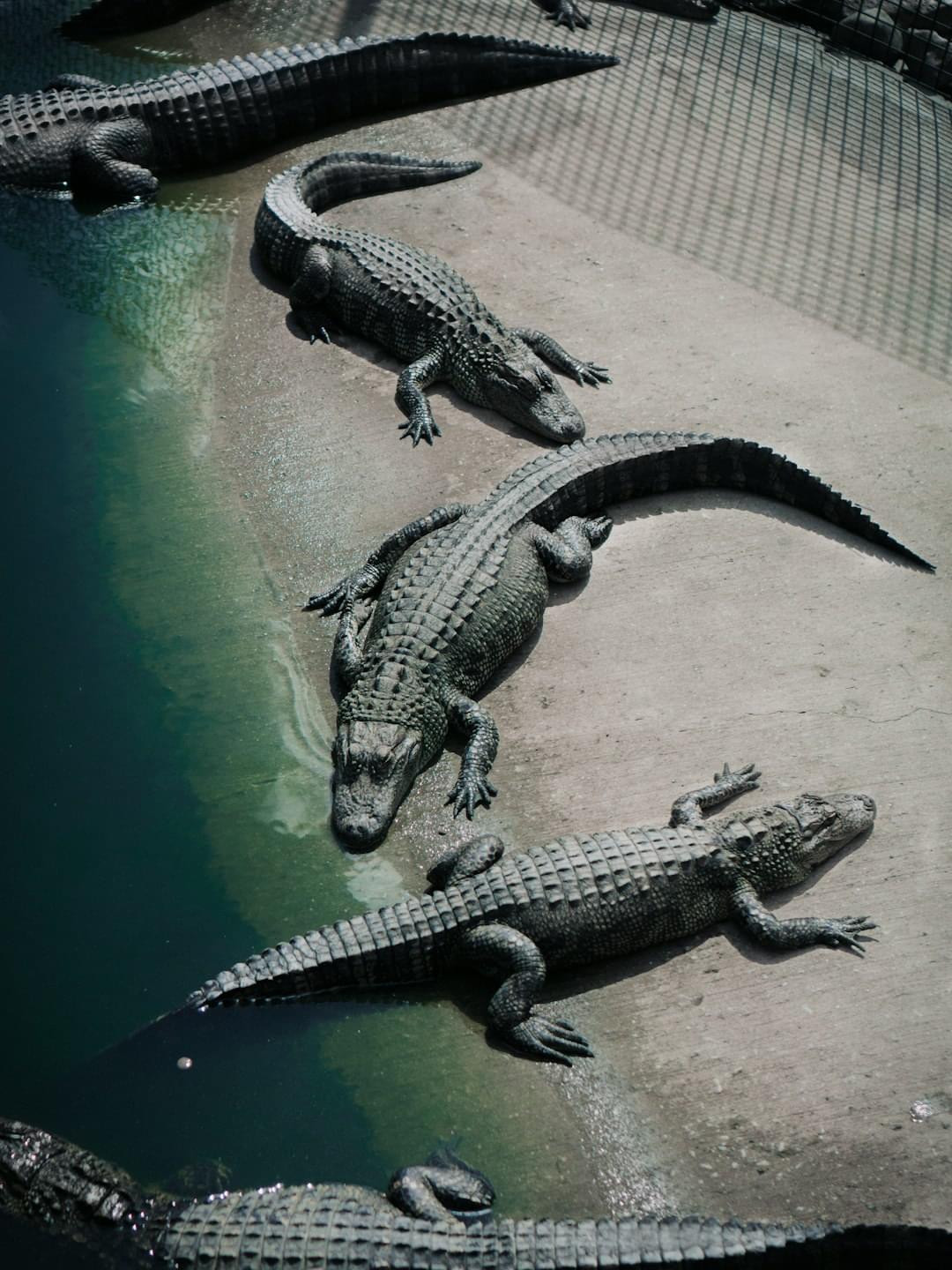
Following these guidelines ensures that your encounters with Florida’s wild residents are memorable for all the right reasons, allowing you to fully appreciate the unique natural environment that defines the state.
Beyond the Snapshot: Alligators and Florida’s Ecosystem & Economy
The alligator’s impact on Florida extends far beyond its impressive numbers and photo opportunities. As a keystone species, it plays an indispensable role in maintaining the health and biodiversity of the state’s wetland ecosystems. Furthermore, its iconic status makes it a significant draw for tourism, contributing substantially to the local economy and shaping the travel experiences offered across the state. Understanding these broader implications provides a deeper appreciation for the presence of these ancient reptiles.
The Role of Alligators in Florida’s Wetlands
Alligators are a keystone species, meaning their presence has a disproportionately large effect on their natural environment relative to their abundance. During dry seasons, alligators dig “gator holes” which retain water, providing crucial refuges for fish, insects, crustaceans, and other wildlife. These holes become oases of biodiversity, allowing many species to survive drought periods. When the wet season returns, these species disperse, repopulating the surrounding areas. This “ecosystem engineering” by alligators is vital for the survival of countless other plants and animals in the unique wetland ecosystems of places like the Everglades.
As apex predators, alligators also help regulate populations of various species, from fish to smaller mammals, preventing any one species from dominating the ecosystem. Their presence contributes to the overall health and stability of the Florida wetlands, making them a natural indicator of environmental well-being. Conservation efforts that protect alligators ultimately benefit the entire interconnected web of life in Florida’s freshwater habitats.
Alligators and the Tourism Industry
The allure of the American Alligator is a powerful magnet for tourism. For many international and domestic travelers, a trip to Florida is incomplete without seeing a gator. This fascination fuels a significant segment of the tourism economy, from ecotourism ventures like airboat tours and guided swamp walks to dedicated wildlife attractions. Locations such as Gatorland and the various visitor centers in the Everglades National Park directly benefit from this interest, providing jobs and generating revenue that often feeds back into conservation initiatives.
Beyond direct attractions, the alligator’s image is interwoven with Florida’s branding, appearing on souvenirs, sports mascots (like the University of Florida Gators in Gainesville), and promotional materials. This cultural integration highlights how deeply the alligator is embedded in the state’s identity and its appeal as a travel destination. For budget travelers, a simple drive through a state park might offer a free sighting, while luxury travelers might opt for private eco-tours or stays at resorts that offer guided wildlife experiences. The presence of these captivating creatures makes Florida a truly unique destination for wildlife enthusiasts and casual tourists alike, reinforcing its status as a premier spot for nature-based experiences within the wider context of travel and lifestyle.
Planning Your Florida Adventure: Accommodations and Experiences
When planning a trip to Florida with an interest in its incredible wildlife, including its numerous alligators, the choice of accommodation and planned activities can greatly enhance your experience. Whether you’re seeking a luxurious retreat, a family-friendly resort, or a budget-conscious stay, Florida offers a vast array of options that can place you closer to nature’s wonders or provide convenient access to wildlife attractions.
Choosing Your Stay Near Florida’s Natural Wonders
For those hoping to immerse themselves in Florida’s natural environment and increase their chances of spotting alligators and other wildlife, selecting the right accommodation is crucial.
- Eco-Lodges and Resorts: In areas like South Florida, near the Everglades and Big Cypress National Preserve, you can find unique eco-lodges that blend seamlessly with the environment. These accommodations often offer guided tours, kayak rentals, and educational programs right on their doorstep. While they might sometimes lean towards luxury travel, many provide responsible tourism experiences.
- Hotels in Gateway Cities: Staying in cities like Naples, Fort Myers, or Kissimmee allows for easy day trips to national parks and wildlife attractions. Naples, for instance, offers luxury hotels like The Ritz-Carlton, Naples, which provides an opulent base just a short drive from wild Southwest Florida. Orlando boasts massive resorts such as the Hyatt Regency Orlando, offering proximity to theme parks like Disney World and Universal Studios while still being within reach of attractions like Gatorland.
- State Park Camping: For budget travelers or those seeking a more rugged experience, Florida’s extensive state park system offers excellent camping facilities. Parks like Lake Kissimmee State Park or sites within the Ocala National Forest allow you to stay immersed in nature, often with opportunities for hiking, kayaking, and wildlife observation mere steps from your tent or RV.
- Vacation Rentals: For families or longer stays, booking a villa or apartment in areas like Sarasota on the Gulf Coast or near St. Augustine on the Atlantic Coast provides flexibility and a home-away-from-home feel, allowing you to explore at your own pace while enjoying local amenities.
When considering accommodation, reviews and comparisons on booking sites can help you find options that cater to your specific travel style and budget, ensuring a comfortable base for your alligator-seeking adventures.
Unique Experiences for Every Traveler
Florida offers a spectrum of activities to engage with its natural environment, appealing to all types of travelers:
- For the Adventurer: Airboat tours in the Everglades provide thrilling high-speed rides over the water, offering fantastic alligator sightings. Kayaking or canoeing in designated areas of the Florida Wildlife Corridor provides a quieter, more intimate encounter with nature.
- For Families: Attractions like Gatorland or Busch Gardens Tampa Bay in Tampa offer controlled environments for children to learn about alligators and other wildlife safely, combining entertainment with education. Many resorts near Orlando offer family packages that include tickets to these attractions.
- For Luxury Travelers: Consider guided private eco-tours with expert naturalists who can provide in-depth knowledge and exclusive access to prime viewing spots. Some luxury resorts, such as JW Marriott Marco Island Beach Resort, offer curated excursions into nearby preserves.
- For Nature Enthusiasts and Photographers: Dedicated birding and wildlife photography tours can take you to less-trafficked areas, providing unique perspectives on alligators and the diverse birdlife that coexists with them. Places like Merritt Island National Wildlife Refuge offer abundant opportunities.
- For Budget-Conscious Explorers: Many state parks have free or low-cost boardwalk trails and visitor centers where alligator sightings are common. A scenic drive through a preserve like Big Cypress National Preserve can offer numerous viewing opportunities without breaking the bank.
Ultimately, the countless alligators that inhabit the state of Florida are more than just a population statistic; they are a living, breathing symbol of the state’s wild heart. Their presence shapes the landscape, drives tourism, and offers unparalleled opportunities for education and adventure. By understanding their habitats and practicing responsible viewing habits, every traveler can safely experience the awe-inspiring power of these ancient reptiles and leave Florida with unforgettable memories of its unique natural heritage.
LifeOutOfTheBox is a participant in the Amazon Services LLC Associates Program, an affiliate advertising program designed to provide a means for sites to earn advertising fees by advertising and linking to Amazon.com. Amazon, the Amazon logo, AmazonSupply, and the AmazonSupply logo are trademarks of Amazon.com, Inc. or its affiliates. As an Amazon Associate we earn affiliate commissions from qualifying purchases.