
Florida, a state synonymous with sunshine, beaches, and theme parks, holds a wealth of diverse landscapes and experiences beyond its more heavily publicized attractions. Nestled along the Gulf Coast, far from the bustling crowds of Orlando and Miami, lies a region often overlooked, yet profoundly captivating: the Big Bend Area. This unique part of the Sunshine State offers a different kind of Florida adventure, one steeped in natural beauty, a slower pace of life, and a rich cultural tapestry. If you’re seeking an authentic Floridian experience, one that embraces the wild and the wonderful, understanding where the Big Bend Area is and what it offers is your first step to unlocking its secrets.

The Big Bend is not a single city or a precisely defined administrative zone; rather, it’s a geographical region characterized by its distinct topography and the distinctive bend in Florida’s coastline where the panhandle transitions into the peninsula. Imagine a vast expanse where the Gulf of Mexico gently laps against miles of undeveloped coastline, where tidal marshes stretch towards the horizon, and where a network of rivers and springs carves through ancient forests. This is the essence of the Big Bend. Its boundaries are fluid, generally encompassing the counties situated between the Apalachicola River to the west and the northern reaches of Tampa Bay to the south, with the coastline curving inland to form the namesake “bend.”
Unveiling the Geographic and Ecological Heart of Florida’s Big Bend
The Big Bend Area of Florida is a testament to the state’s untamed natural heritage. It’s a place where the development that characterizes much of Florida takes a backseat to sprawling wilderness, pristine coastlines, and a remarkable diversity of ecosystems. Geographically, it’s defined by its low-lying elevation, extensive wetlands, and a coastline that is significantly less developed than the rest of the state. This unique combination has fostered an environment that is vital for countless species of wildlife and offers unparalleled opportunities for those who appreciate nature in its purest form.
The Defining Geography: A Coastline of Contrast
The defining characteristic of the Big Bend is its distinctive coastline. Unlike the sandy, often developed beaches of the Gulf Coast further south, the Big Bend’s shoreline is dominated by an intricate system of tidal marshes, shallow estuaries, and mangrove forests. This creates a unique ecological niche and a landscape that is both beautiful and ecologically significant.
The Gulf Coastal Lowlands are the predominant geological feature, with elevations rarely exceeding 50 feet above sea level. This gentle topography has allowed for the formation of vast wetlands, including the extensive Big Cypress Swamp and numerous other smaller marsh systems. These wetlands are crucial for filtering water, preventing coastal erosion, and providing critical habitat for a wide array of wildlife.
The coastline itself is not characterized by long, unbroken stretches of sand. Instead, it’s a mosaic of sheltered bays, salt marshes, oyster reefs, and small, often uninhabited islands. This intricate shoreline is a haven for marine life, serving as nurseries for fish and crustaceans, and providing foraging grounds for wading birds. The waters here are typically shallow and brackish, a result of the numerous rivers and springs that flow into the Gulf, creating a unique environment that supports a specific set of flora and fauna.
An Ecological Treasure Trove: Biodiversity in the Wild
The Big Bend Area is a critical ecological corridor and a biodiversity hotspot. Its undeveloped nature has preserved habitats that are increasingly rare in other parts of the United States. The region is a vital stopover point for migratory birds along the Atlantic Flyway, and its estuaries are among the most productive in North America.
Avian Wonders: Birdwatchers flock to the Big Bend for its incredible diversity of avian species. From the majestic Sandhill Crane that overwinters in large numbers to the array of shorebirds, wading birds, and raptors, the skies and wetlands are alive with feathered life. The St. Marks National Wildlife Refuge, a jewel of the region, is a prime example, offering expansive habitats that support over 300 species of birds. Other significant birding locations include Wakulla Springs State Park and the Ochlockonee River State Park.
Marine Life and Estuarine Health: The shallow, nutrient-rich waters of the Gulf here are a breeding ground for numerous fish species, including redfish, speckled trout, and flounder. The abundant oyster reefs are not only a vital part of the ecosystem but also a source of livelihood for local communities. The health of these estuaries is directly linked to the freshwater inflow from the numerous rivers and the preservation of the surrounding wetlands.
Terrestrial Ecosystems: Beyond the coast, the Big Bend is home to vast pine forests, oak hammocks, and cypress swamps. These terrestrial environments support a variety of mammals, including white-tailed deer, wild turkeys, and the elusive Florida black bear. The presence of these diverse habitats ensures a rich and interconnected ecosystem.
The Importance of Freshwater Springs: The Big Bend region is also blessed with an abundance of natural freshwater springs. Wakulla Springs, one of the largest and deepest natural springs in the world, is a prime example. These springs not only contribute to the unique estuarine environment by providing freshwater but also offer crystal-clear waters for swimming, kayaking, and observing the abundant aquatic life. Other notable springs include Natural Bridge State Park, with its underground river, and Madison Blue Spring State Park.
Exploring the Heart of the Big Bend: Destinations and Attractions
The charm of the Big Bend Area lies in its unhurried pace and its commitment to preserving its natural and cultural heritage. While you won’t find towering skyscrapers or sprawling theme parks here, you will discover a captivating array of destinations that showcase the region’s unique character. From historic lighthouses and charming small towns to expansive wildlife refuges and pristine natural springs, the Big Bend offers a refreshing escape for those seeking a more authentic Florida experience.
Historic Lighthouses and Coastal Guardians
The Big Bend coastline is dotted with historic lighthouses, silent sentinels that once guided mariners through these sometimes treacherous waters. These iconic structures are not only significant landmarks but also offer a glimpse into the region’s maritime past.
St. Marks Lighthouse: Standing proudly at the entrance to the St. Marks River and the Apalachee Bay, the St. Marks Lighthouse is one of the oldest lighthouses in Florida, with its current brick structure dating back to 1831. Its strategic location within the St. Marks National Wildlife Refuge makes it a focal point for visitors. The area surrounding the lighthouse is a haven for birdlife, and the views of the Gulf are breathtaking. Climbing to the top offers panoramic vistas of the vast salt marshes and the endless expanse of the Gulf.
Crooked River Lighthouse: Located near the town of Apalachicola, the Crooked River Lighthouse is another historic gem. Though its light is no longer active, its picturesque setting and its history as a vital navigational aid are well worth exploring. The nearby Fanny D. Lanier Park provides a beautiful spot for a picnic and enjoying the coastal scenery.
Gateway Towns and Cultural Hubs
While the Big Bend is largely characterized by its natural beauty, several charming towns serve as gateways to its wonders, each offering a unique flavor of local culture and hospitality.
Apalachicola: This historic fishing town, once a thriving cotton port, retains much of its antebellum charm. Its well-preserved Victorian architecture, quaint shops, and excellent seafood restaurants make it a delightful place to explore. The Apalachicola Maritime Museum offers insights into the region’s seafaring history, and the lively waterfront is a hub of activity. Don’t miss the opportunity to sample the world-famous Apalachicola Bay oysters.
Tallahassee: As the state capital, Tallahassee sits at the northern edge of the Big Bend region. While it offers more of a metropolitan feel with its government buildings, museums, and vibrant university life, it also serves as an excellent base for exploring the natural attractions to its south. The Alfred B. Maclay Gardens State Park, with its stunning azaleas, and the natural beauty of Wakulla Springs are easily accessible from the city.
Cedar Key: This laid-back island community, located on an island in Cedar Key Bay, is a quintessential Old Florida destination. Its colorful stilted houses, independent art galleries, and seafood shacks create an atmosphere of relaxed charm. Kayaking through the surrounding islands, fishing, and enjoying the sunset over the Gulf are popular pastimes here.
Perry: Situated inland, Perry serves as a gateway to the more rural and agricultural areas of the Big Bend. It’s a good starting point for exploring the many natural springs and forests that lie within this part of the state.
Immersive Experiences: Nature, Adventure, and Local Flavors
The true essence of the Big Bend Area is best experienced through its abundant natural attractions and its vibrant local culture. This is a region that invites exploration, adventure, and a deep connection with the environment. Whether you’re an avid outdoors enthusiast or simply seeking a peaceful retreat, the Big Bend offers a wealth of activities and experiences that will leave a lasting impression.
Embracing the Wilderness: Parks and Refuges
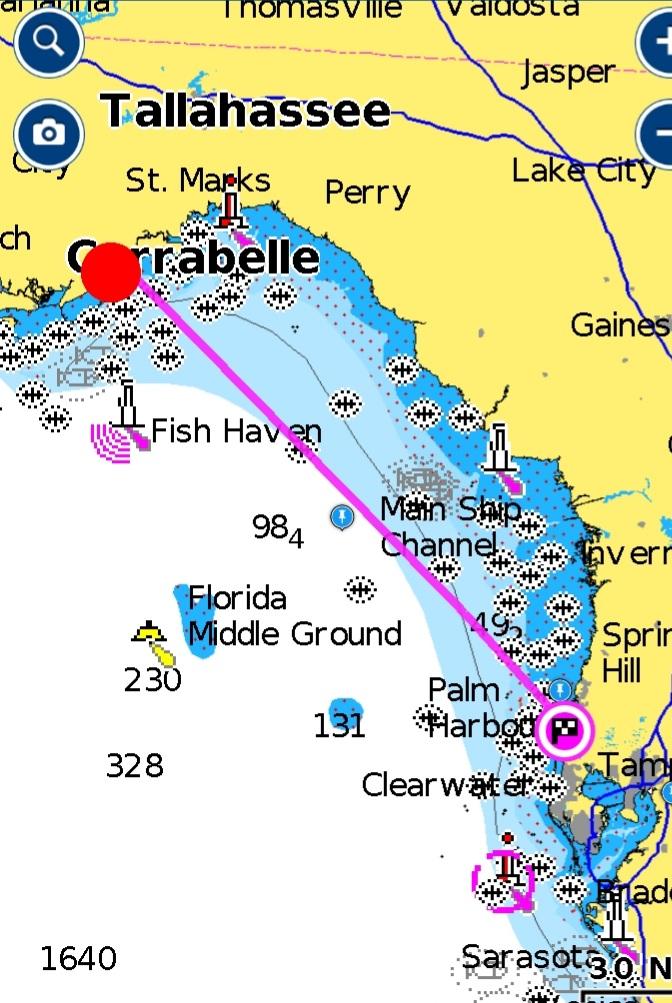
The Big Bend is a paradise for nature lovers, boasting an impressive network of state parks, national wildlife refuges, and other protected areas. These sanctuaries are the heart of the region’s ecological significance and offer endless opportunities for exploration.
St. Marks National Wildlife Refuge: As mentioned earlier, this vast refuge is a crown jewel of the Big Bend. Spanning over 70,000 acres of diverse habitats, including salt marshes, pine forests, and tidal flats, it’s a haven for wildlife. Visitors can enjoy hiking, biking, fishing, and, of course, unparalleled birdwatching. The refuge’s historical significance, with the St. Marks Lighthouse and the remnants of a Confederate saltworks, adds another layer of interest.
Wakulla Springs State Park: Home to one of the largest and deepest freshwater springs in the world, Wakulla Springs is a must-visit. The crystal-clear waters of the spring are incredibly inviting for swimming, and glass-bottomed boat tours offer a unique perspective on the submerged world and the abundant wildlife, including manatees and alligators. The historic Wakulla Springs Lodge provides a luxurious and atmospheric place to stay, immersing visitors in the park’s grandeur.
Torreya State Park: Situated along the bluffs of the Apalachicola River, Torreya State Park offers a more rugged and elevated landscape than much of the Big Bend. It’s known for its rare Torreya tree and its challenging hiking trails, including those that lead to scenic overlooks of the river. The park also features remnants of Civil War earthworks.
Edward Ball Wakulla Springs State Park: This park, encompassing the magnificent Wakulla Springs, is not only about the spring itself but also about the surrounding natural beauty. Visitors can explore hiking trails, enjoy swimming in designated areas, and take a leisurely paddle on the Wakulla River. The historic Wakulla Springs Lodge, a masterpiece of Spanish Colonial Revival architecture, offers an unforgettable lodging experience.
Adventures on the Water: Kayaking, Fishing, and Boating
The intricate network of waterways in the Big Bend Area makes it an ideal destination for water-based adventures. The shallow bays, winding rivers, and vast estuarine systems offer unique opportunities for exploration and recreation.
Kayaking and Canoeing: The calm, protected waters of the Big Bend are perfect for kayaking and canoeing. Paddling through the salt marshes, exploring hidden coves, and navigating the gentle currents of rivers like the Ochlockonee River or the Aucilla River provide intimate encounters with the natural environment. Many state parks offer kayak rentals and launch points.
Fishing: The Big Bend is renowned for its exceptional fishing opportunities. The brackish waters of the estuaries teem with popular game fish like redfish, speckled trout, and flounder, making it a prime destination for anglers. Whether you prefer surf fishing, pier fishing, or chartering a boat for a deep-water excursion, the Big Bend offers a rewarding fishing experience.
Boating and Sailing: For those with their own vessels, the bays and inlets of the Big Bend provide ample space for cruising and sailing. The shallow nature of some areas requires careful navigation, but the rewards include access to secluded beaches and pristine wilderness.
Culinary Delights: A Taste of the Gulf Coast
The Big Bend Area’s culinary scene is deeply rooted in its connection to the Gulf of Mexico. Fresh seafood, particularly oysters, takes center stage, offering a true taste of the region’s bounty.
Oysters Galore: The Apalachicola Bay is famous for its oysters, known for their plumpness and distinctive flavor. Visiting a local seafood restaurant in towns like Apalachicola or Cedar Key and indulging in freshly harvested oysters, whether raw, steamed, or fried, is an essential Big Bend experience.
Local Seafood: Beyond oysters, the region offers an abundance of other fresh seafood, including shrimp, grouper, snapper, and crab. Many restaurants pride themselves on sourcing their ingredients locally, ensuring the highest quality and flavor.
Southern Hospitality with a Coastal Twist: The dining experience in the Big Bend is often characterized by a relaxed, unpretentious atmosphere and genuine Southern hospitality. Expect friendly service and hearty portions that reflect the region’s agricultural and coastal heritage.
Planning Your Big Bend Adventure: Accommodation and Lifestyle
The Big Bend Area offers a range of accommodation options that cater to different preferences and budgets, from rustic cabins and charming inns to more established hotels. The lifestyle here is one of appreciation for nature, a slower pace, and a connection to the local community.
Accommodation Options: From Rustic Charm to Coastal Comfort
When planning a visit to the Big Bend, you’ll find a variety of places to stay that complement the region’s natural beauty and laid-back atmosphere. While large chain hotels are scarce, this is part of the area’s appeal, offering a more intimate and authentic lodging experience.
Historic Lodges and Inns: For a truly immersive experience, consider staying in one of the historic lodges. The Wakulla Springs Lodge, with its grand architecture and stunning surroundings, offers a glimpse into a bygone era. Charming inns and bed and breakfasts can be found in towns like Apalachicola and Cedar Key, often housed in beautifully restored historic buildings.
Vacation Rentals and Cottages: For families or those seeking more space and flexibility, vacation rentals, including cottages and houses, are readily available. These options are particularly popular in coastal communities, allowing guests to enjoy a home-away-from-home experience with easy access to the beach and local attractions.
Campgrounds and RV Parks: For the budget-conscious traveler or those who love to be close to nature, numerous campgrounds and RV parks are scattered throughout the Big Bend. Many are located within or near state parks, offering convenient access to hiking trails, waterways, and wildlife viewing opportunities.
Hotels and Motels: While less prevalent than in more developed tourist areas, you will find a selection of standard hotels and motels in larger towns like Tallahassee and Perry, offering comfortable and convenient bases for exploring the surrounding region.

Lifestyle and Travel Tips: Embracing the Big Bend Vibe
The Big Bend Area is not for those seeking the glitz and glamour of Florida’s more famous destinations. Instead, it appeals to travelers who appreciate the quiet beauty of nature, the charm of small towns, and a slower rhythm of life.
Pace Yourself: The Big Bend operates on a different clock. Embrace the relaxed pace and take your time to explore. Don’t try to cram too much into one day; instead, savor the experiences.
Pack for the Outdoors: Comfortable walking shoes, insect repellent, sunscreen, and a hat are essential. Be prepared for varying weather conditions, especially if visiting during the transition seasons. Binoculars are a must for birdwatching and wildlife viewing.
Respect the Environment: The Big Bend’s pristine natural beauty is its greatest asset. Practice Leave No Trace principles, dispose of trash properly, and be mindful of wildlife. Many areas are sensitive ecosystems, so stick to designated trails and avoid disturbing flora and fauna.
Support Local: To truly experience the Big Bend, engage with the local communities. Eat at local restaurants, shop at independent stores, and be open to conversations with residents. This is where you’ll find the heart and soul of the region.
Best Time to Visit: Spring (March-May) and Fall (September-November) generally offer the most pleasant weather, with cooler temperatures and lower humidity. These seasons are also ideal for birdwatching and enjoying outdoor activities. Summer can be hot and humid, while winter offers milder temperatures and is a prime time for viewing migratory birds.
In conclusion, the Big Bend Area of Florida is a captivating region that offers a refreshing and authentic alternative to the state’s more frequented tourist hotspots. Its unspoiled coastline, abundant wildlife, charming towns, and rich cultural heritage combine to create a destination that is both profoundly beautiful and deeply rewarding. By understanding where this unique part of Florida lies and embracing its distinct character, you can unlock a truly unforgettable travel experience.
LifeOutOfTheBox is a participant in the Amazon Services LLC Associates Program, an affiliate advertising program designed to provide a means for sites to earn advertising fees by advertising and linking to Amazon.com. Amazon, the Amazon logo, AmazonSupply, and the AmazonSupply logo are trademarks of Amazon.com, Inc. or its affiliates. As an Amazon Associate we earn affiliate commissions from qualifying purchases.