
The allure of Tampa, Florida, beckons travelers with its vibrant atmosphere, sun-drenched beaches, and an array of attractions that cater to every kind of explorer. From families seeking aquatic adventures to history buffs eager to uncover local heritage, Tampa offers a diverse palette of experiences. However, as with any travel destination, understanding the nuances of its climate is paramount to crafting the perfect itinerary. This guide delves into the weather patterns of Tampa, Florida, offering insights that will help you pack wisely, plan activities effectively, and ultimately, make the most of your visit to this dynamic city on the Gulf Coast.
The weather in Tampa is a significant factor influencing the best times to visit and what activities are most enjoyable. Its subtropical climate means that visitors can generally expect warm temperatures year-round, but with distinct variations between seasons. Knowing these patterns allows for better planning of your travel to Tampa, whether you’re considering a stay at a luxurious resort or a budget-friendly apartment.
Understanding Tampa’s Subtropical Climate
Tampa, Florida, enjoys a subtropical climate characterized by hot, humid summers and mild, relatively dry winters. This distinct weather pattern shapes the city’s tourism landscape, influencing when crowds flock to its famous attractions and what outdoor activities are most viable. Understanding these seasonal shifts is key to optimizing your travel experience and ensuring you have a comfortable and enjoyable stay.
Summer (June – August): Heat, Humidity, and Thunderstorms
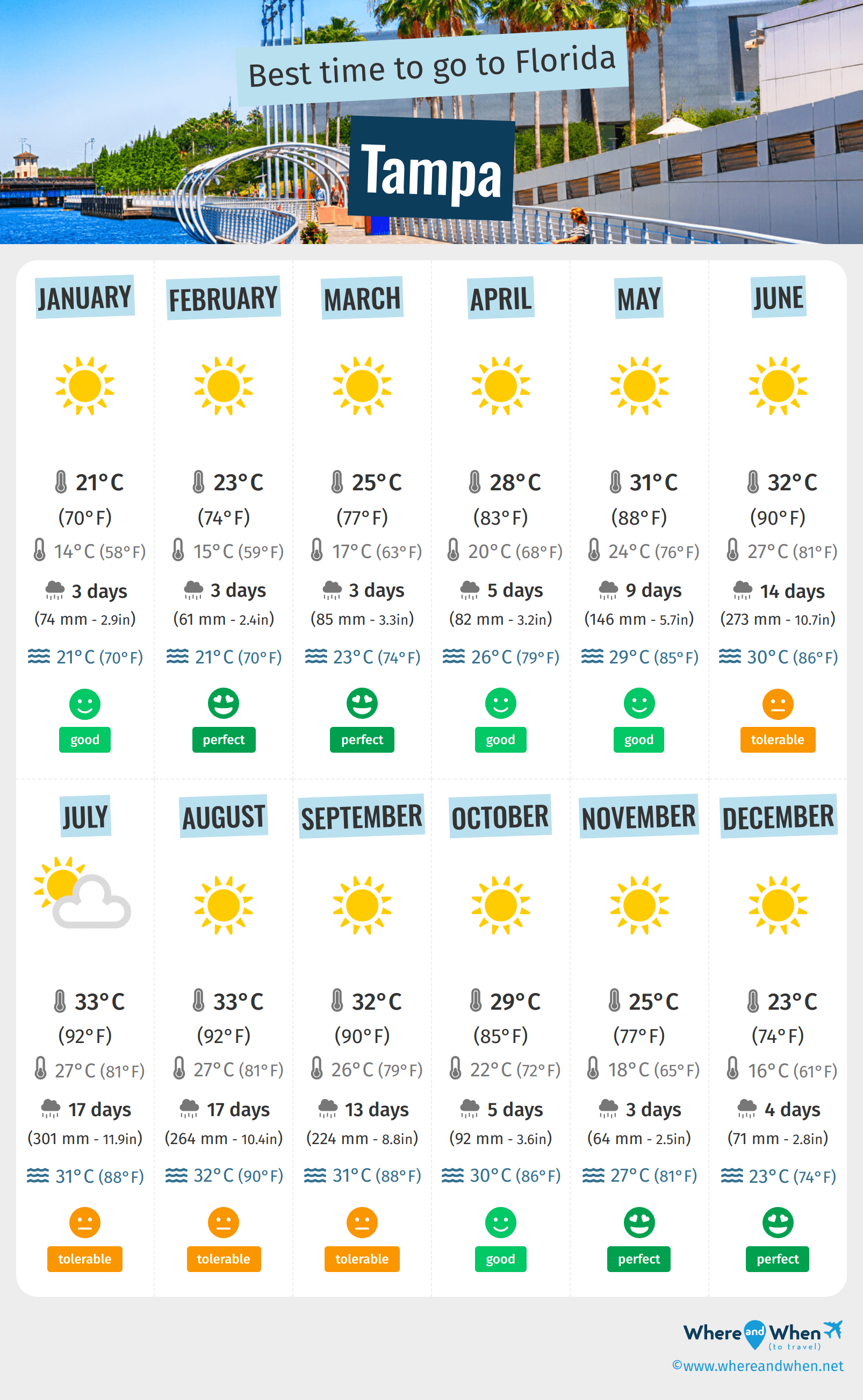
The summer months in Tampa are synonymous with intense heat and high humidity. Daytime temperatures frequently soar into the high 80s and low 90s Fahrenheit (around 31-33 degrees Celsius), and the humidity can make it feel even warmer. The afternoons are often punctuated by dramatic, albeit usually brief, thunderstorms. These downpours are a characteristic feature of the Florida summer, bringing temporary relief from the heat before the sun re-emerges.
Despite the heat and humidity, summer remains a popular time for tourism in Tampa, largely due to school holidays and the allure of its water-based attractions. Visitors can still enjoy the beaches along the Gulf Coast, though it’s advisable to seek shade during the hottest parts of the day and stay hydrated. Many indoor attractions, such as the Florida Aquarium and the numerous museums, offer excellent escapes from the afternoon sun and rain. For those staying in resorts or hotels, pools and air-conditioned common areas provide welcome respite.
When packing for a summer trip to Tampa, prioritize light, breathable fabrics like cotton and linen. Swimwear is essential, as are sunscreen, hats, and sunglasses. Don’t forget a light rain jacket or umbrella to be prepared for those sudden tropical showers. Evenings in the summer offer a slight reprieve from the peak heat, often remaining warm and pleasant, perfect for enjoying outdoor dining or a stroll along the Tampa Riverwalk.
Fall (September – November): The Sweet Spot for Travel
As the summer heat begins to wane, Tampa enters its fall season, which is widely considered the most pleasant time to visit. September still holds onto some of the summer’s humidity and warmth, but by October and November, temperatures become significantly more moderate. Average daytime temperatures hover in the comfortable 70s and low 80s Fahrenheit (around 23-28 degrees Celsius), with lower humidity levels.
The chances of significant rainfall decrease, and the skies are often clear and blue, making it ideal for exploring Tampa’s outdoor attractions and landmarks. This is a fantastic time for activities like visiting Busch Gardens Tampa Bay, exploring Ybor City, or taking a boat tour of Tampa Bay. The comfortable weather also enhances the experience of strolling through the Curtis Hixon Waterfront Park or enjoying the diverse culinary scene.
For accommodation, fall offers a great opportunity for budget travel and finding good deals as the peak summer crowds dissipate. Many hotels and resorts offer competitive rates during this period. Packing for fall in Tampa is relatively easy. You’ll still want shorts and t-shirts, but a light jacket or sweater might be useful for cooler evenings, especially in November.
Winter (December – February): Mild and Pleasant
Tampa’s winters are a stark contrast to those experienced in many other parts of the country. The city enjoys mild and pleasant conditions, with average daytime temperatures ranging from the pleasant 60s to low 70s Fahrenheit (around 16-22 degrees Celsius). Frost is rare, and snow is virtually unheard of. The air is drier, and the sun shines brightly, making it a popular destination for those escaping colder climates.
Winter is an excellent time for outdoor activities and exploring the many landmarks Tampa has to offer. The Glazer Children’s Museum, the Museum of Science & Industry, and the Henry B. Plant Museum are perfect for families and those interested in culture and history. Outdoor pursuits, such as golfing, cycling along the Courtney Campbell Causeway, or visiting Julian B. Lane Riverfront Park, are highly enjoyable. The clear skies are also perfect for stargazing and enjoying the coastal scenery.
This period can be popular for long-term stays or for those seeking a warmer escape, so booking accommodation in advance is often recommended, particularly around holidays. Packing for a Tampa winter is straightforward: pack comfortable, casual clothing. Think jeans, long-sleeved shirts, and perhaps a light coat or fleece for the cooler mornings and evenings. You might even get away with shorts on some warmer days.
Spring (March – May): Warming Up with Sunshine
Spring in Tampa is a beautiful transition period as the weather warms up, mirroring the vibrant blooming of the region’s flora. March begins with comfortable temperatures, similar to late fall, but gradually increases throughout April and May. Daytime highs in spring typically range from the mid-70s to the mid-80s Fahrenheit (around 24-29 degrees Celsius). While humidity starts to climb, it’s generally less oppressive than in the summer months.
Spring is a fantastic time for tourism and outdoor exploration. The Florida Strawberry Festival often takes place in Plant City, just a short drive from Tampa, offering a taste of local culture and produce. The Tampa Bay Gasparilla Pirate Festival, a major annual event, usually occurs in late January or early February, but the spirit of festivity lingers. Exploring Adventure Island, ZooTampa at Lowry Park, or the Sarasota area’s beautiful beaches becomes exceptionally pleasant.
As spring progresses, especially in May, the weather can become quite warm and humid, hinting at the approaching summer. Packing for spring is similar to fall, with layers being a good strategy. You’ll need summer attire, but having a light sweater or jacket for cooler mornings and evenings is wise. The increasing warmth makes it an excellent time for enjoying the resorts‘ outdoor amenities and apartments with balconies.
Planning Your Tampa Itinerary Around the Weather
Understanding Tampa’s weather patterns is more than just knowing the temperature; it’s about strategically planning your travel to maximize enjoyment and minimize discomfort. Whether you’re a seasoned traveler or planning your first family trip, aligning your activities with the prevailing climate can make all the difference.
Embracing the Heat: Summer Activities and Staying Cool
While Tampa’s summers are undeniably hot and humid, they offer a unique set of activities and experiences. The water becomes your best friend. Adventure Island, Busch Gardens Tampa Bay‘s water park, is a prime example of how to beat the heat. Numerous public beaches along the Gulf Coast, such as Clearwater Beach and St. Pete Beach, provide refreshing dips and sun-soaked relaxation.
For indoor experiences, Tampa boasts world-class museums. The Tampa Museum of Art, the Florida Museum of Photographic Arts, and the Ybor City State Museum offer air-conditioned cultural immersion. The Florida Aquarium is another excellent choice for families, providing a cool and educational escape. When choosing hotels or resorts, prioritize those with impressive pool complexes or easy access to indoor amenities. Consider accommodation in areas with shaded walkways or shaded outdoor seating for brief respites. Evening activities are also a great way to enjoy the warmer months. Outdoor concerts, al fresco dining in Ybor City, or a leisurely walk along the Tampa Riverwalk can be very pleasant once the sun begins to set and temperatures drop slightly.
Transitioning Seasons: Fall and Spring for Outdoor Exploration
Fall and spring are arguably the prime seasons for outdoor tourism in Tampa. The comfortable temperatures and lower humidity invite extended exploration of the city’s numerous landmarks and attractions. Imagine a day spent wandering through the historic streets of Ybor City, delving into its rich Cuban heritage, or exploring the diverse ecosystems at the Big Cat Rescue.
The Florida Botanical Gardens and Cypress Point Park are perfect for nature walks and enjoying the scenery without the oppressive heat of summer. This is also the ideal time for cycling, with trails like the Pinellas Trail offering scenic routes. For theme park enthusiasts, visiting Busch Gardens Tampa Bay is much more enjoyable with milder weather. When booking accommodation, consider villas or apartments that offer easy access to parks and trails. Consider budget travel during these shoulder seasons, as you might find better rates on hotels and flights compared to the peak summer or winter holiday periods. The culinary scene also thrives in these seasons, with many restaurants offering outdoor seating for diners to enjoy the pleasant atmosphere.
Mild Winters: The Best of Both Worlds
Tampa’s mild winters offer a perfect blend of comfortable weather for outdoor activities and a cozy atmosphere for indoor exploration. This is an excellent time to visit if you’re looking to escape the cold and enjoy the sunshine. The city’s many golf courses are in prime condition, and the numerous waterfront parks, like Cotanchobee Fort Brooke Park, are perfect for leisurely strolls or picnics.
The Sarasota Bayfront Park and the nearby Sarasota arts district are easily accessible and offer a cultural reprieve. For families, the Great Explorations Children’s Museum provides hours of indoor fun. Accommodation options, from luxury suites to budget-friendly hotels, are plentiful, though booking in advance is advisable, especially during holiday weeks. Many resorts will still have their pools open and heated, offering a chance for a refreshing swim even in the cooler months. The lower humidity during winter makes it particularly pleasant for exploring landmarks like the historic Fort De Soto Park or taking a ferry to Egmont Key.
Packing Essentials Based on Tampa’s Weather
The key to a successful travel experience in Tampa lies in packing smart, aligning your wardrobe with the expected weather conditions. Overpacking or underpacking can lead to discomfort and detract from your enjoyment of the city’s offerings.
Summer Wardrobe: Light, Breathable, and Sun-Protective
For summer visits (June-August), the emphasis is on staying cool and protected from the sun and occasional rain. Pack lightweight, moisture-wicking clothing made from natural fibers like cotton and linen. Think shorts, t-shirts, tank tops, and sundresses. A wide-brimmed hat and high-quality sunglasses are non-negotiable for sun protection. Don’t forget your swimwear and a quick-dry towel for beach days or pool lounging at your resort. Even though it’s hot, having a very light, packable rain jacket or a poncho is advisable for those sudden afternoon thunderstorms. Comfortable walking shoes are essential, but sandals or flip-flops are perfect for casual outings and beach visits.
Fall and Spring Attire: Versatile Layers
During the transitional seasons of fall (September-November) and spring (March-May), versatility is key. While sunny days can still be warm, mornings and evenings can be cooler, especially in late fall and early spring. Pack a mix of shorts, t-shirts, and long-sleeved shirts. A light jacket, cardigan, or fleece is highly recommended. This allows you to layer up or down as the temperature fluctuates throughout the day. Comfortable walking shoes are a must for exploring Tampa’s diverse attractions. Packing a light scarf can also add an extra layer of warmth and style. Remember that even with milder temperatures, Florida sunshine can be strong, so sunscreen and a hat are still important.

Winter Comfort: Mild and Casual
Tampa’s winters (December-February) are characterized by mild temperatures, making packing straightforward. You can generally get by with casual, comfortable clothing. Jeans, long-sleeved shirts, sweaters, and a light jacket should suffice for most days. You might even find yourself in shorts on warmer afternoons. Comfortable walking shoes are still essential for exploring the city’s landmarks and parks. Consider packing a slightly warmer jacket if you plan on being out after sunset, as temperatures can drop into the 50s Fahrenheit (around 10-15 degrees Celsius) on cooler nights. For those looking for long-term stays, packing items that can be mixed and matched will be most efficient.
By considering these weather-based recommendations, your travel to Tampa, Florida, will be more enjoyable, comfortable, and memorable. Whether you’re booking a stay at a luxurious hotel or planning a budget-friendly trip, understanding the climate is your first step towards a perfect Florida adventure.
LifeOutOfTheBox is a participant in the Amazon Services LLC Associates Program, an affiliate advertising program designed to provide a means for sites to earn advertising fees by advertising and linking to Amazon.com. Amazon, the Amazon logo, AmazonSupply, and the AmazonSupply logo are trademarks of Amazon.com, Inc. or its affiliates. As an Amazon Associate we earn affiliate commissions from qualifying purchases.