
The allure of Hawaii, with its volcanic landscapes, pristine beaches, and vibrant Polynesian culture, has long captivated travelers from around the globe. But for those residing on the mainland of the United States, a fundamental question often arises when planning a tropical escape: “How far is Hawaii from Mainland USA?” This inquiry is not just about geographical distance; it encompasses travel time, logistical considerations, and the overall commitment involved in reaching this island paradise. Hawaii, a state composed of numerous islands, is a significant journey from the continental United States, requiring careful planning for any visitor.
Understanding the Geographical Divide
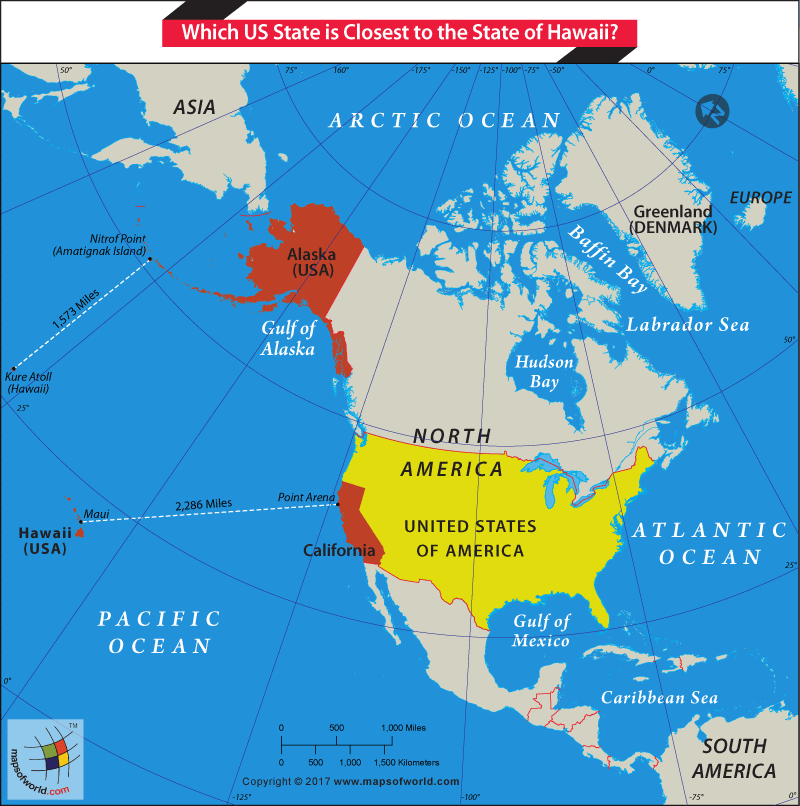
Hawaii’s unique position in the Pacific Ocean is the primary reason for its considerable distance from the contiguous United States. Situated over 2,000 miles west of California, it lies in the midst of the vast Pacific. This isolation is a defining characteristic of the islands, contributing to their distinct ecosystems, endemic flora and fauna, and a sense of remoteness that many travelers seek. The sheer expanse of ocean separating Hawaii from the mainland is a significant factor in planning travel, influencing flight durations and the overall experience.
The Vastness of the Pacific Ocean
The Pacific Ocean is the largest and deepest of Earth’s five oceanic divisions, and it is this immense body of water that lies between Hawaii and North America. When you consider the journey from cities like Los Angeles or San Francisco on the West Coast, the distance is substantial, typically spanning approximately 2,400 to 2,500 miles. Traveling from the East Coast, such as New York City or Miami, involves an even greater distance, often exceeding 4,000 to 5,000 miles, as you must traverse the entire continental United States before reaching the Pacific coast for the flight.
Time Zones and the International Date Line
Beyond the physical mileage, the distance between Hawaii and the mainland USA also translates into significant time zone differences. Hawaii observes Hawaii Standard Time (HST), which is UTC-10:00. This means Hawaii is either three hours behind Pacific Standard Time (PST) or five hours behind Eastern Standard Time (EST). For instance, when it’s noon in Honolulu, it might be 3 PM in Los Angeles and 6 PM in New York City. This time difference is crucial for travelers to consider when booking flights, coordinating with people on the mainland, and managing jet lag. Furthermore, Hawaii is located to the west of the International Date Line. While this doesn’t directly affect travel from the mainland USA in terms of crossing the line (as most flights depart eastward or westward to avoid it on the direct route), it is a geographical factor that underscores Hawaii’s unique global positioning.
The Journey: Flights and Travel Time
The primary mode of transportation for reaching Hawaii from the mainland USA is by air. Airlines operate frequent flights from major airports across the continental United States to Honolulu International Airport (HNL) on Oahu, as well as to other inter-island airports like Kahului Airport (OGG) on Maui and Kona International Airport (KOA) on the Big Island. The duration of these flights is a direct reflection of the geographical distance.
Direct Flights and Their Duration
Direct flights from the West Coast, such as from Los Angeles, San Francisco, or Seattle, typically range from 5 to 6 hours. These are the most convenient and sought-after options for many mainland travelers. Flights from further west, like from Denver or Phoenix, might take a bit longer, around 6 to 7 hours.
For travelers on the East Coast, such as those departing from New York City, Washington D.C., or Atlanta, direct flights are less common and significantly longer, often requiring a connection. If direct flights are available, they can last anywhere from 9 to 11 hours. More commonly, these journeys involve a stopover on the West Coast, making the total travel time, including the layover, much longer, potentially 10 to 14 hours or more.
Flights with Layover and Connecting Flights

When direct flights are not feasible or are prohibitively expensive, travelers often opt for flights with layovers. These can be scheduled in major West Coast hubs like Los Angeles, San Francisco, Seattle, or even further inland. The length of the layover can vary considerably, from a quick hour or two to several hours, significantly extending the overall travel duration. It is essential to factor in layover time when assessing the total journey. For those considering a multi-city trip or wanting to break up the journey, a layover can be an opportunity to briefly explore another destination. However, for many, the primary goal is to reach the Hawaiian Islands as efficiently as possible, making direct flights the preferred choice.
Considerations for Booking and Travel
When booking your trip to Hawaii, consider the time of year. Peak seasons, such as summer holidays and winter breaks, often see higher airfare prices and increased demand. Booking in advance is generally recommended to secure better rates and flight options. Furthermore, many airlines offer different classes of service, from economy to first class, which can impact comfort and cost for the long journey. For those seeking a more luxurious travel experience, premium cabins offer enhanced amenities and seating. Budget travelers might find more affordable options by being flexible with their travel dates and times, and by considering less popular travel days like Tuesdays and Wednesdays.
Planning Your Hawaiian Adventure: Beyond the Distance
Understanding how far Hawaii is from the mainland USA is just the first step in planning your dream vacation. The logistical considerations extend to choosing which island to visit, where to stay, and what experiences to seek out. Each island in the Hawaiian Islands chain offers a unique blend of attractions and activities, catering to a wide range of travel styles and preferences.
Choosing Your Island Paradise
Hawaii is an archipelago, and its main islands each possess a distinct personality:
- Oahu: Known as “The Gathering Place,” Oahu is the most populated island and home to the state capital, Honolulu. It offers a vibrant mix of city life, historical sites like Pearl Harbor, and world-famous surf spots such as the North Shore. Waikiki Beach is a bustling hub for hotels and activities.
- Maui: Famous for its breathtaking scenery, Maui boasts the scenic Road to Hana, the dormant volcano Haleakala National Park (offering stunning sunrise views), and beautiful beaches like Kaanapali. It’s a popular destination for honeymoons and romantic getaways.
- Kauai: Known as the “Garden Isle,” Kauai is celebrated for its dramatic cliffs of the Na Pali Coast, lush rainforests, and the vast canyon of Waimea Canyon. It’s an ideal destination for nature lovers and outdoor adventurers.
- The Big Island (Hawaii Island): The largest and geologically youngest of the islands, the Big Island is a land of extremes. It is home to Hawaii Volcanoes National Park, where active volcanoes like Kilauea reside, along with black sand beaches and diverse climate zones.
- Lanai and Molokai: These islands offer a more secluded and less commercialized experience, appealing to those seeking tranquility and a glimpse into traditional Hawaiian life.
Accommodation and Lifestyle Choices
Once you’ve decided on an island, the next step is finding the perfect place to stay. Hawaii offers a vast array of accommodation options to suit every budget and travel style. From luxurious resorts with world-class amenities to charming boutique hotels, vacation rentals, apartments, and even budget-friendly hostels, there’s something for everyone.
- Luxury Travel: For those who appreciate the finer things, Hawaii boasts numerous high-end resorts and villas, often featuring private beaches, infinity pools, gourmet dining, and exclusive spa services. Places like the Grand Wailea, A Waldorf Astoria Resort or the Four Seasons Resort Maui at Wailea exemplify this category.
- Family Trips: Many resorts cater specifically to families, offering kids’ clubs, family-friendly pools, and spacious suites. Condominiums and vacation rentals are also excellent choices for families, providing more space and the convenience of a kitchen.
- Budget Travel: Travelers on a tighter budget can find more affordable hotels, guesthouses, and even campgrounds. Staying slightly away from the prime beachfront areas can also yield significant savings.
- Long-term Stays: For those planning an extended visit, renting an apartment or a long-term villa can be a more economical and comfortable option. Many of these accommodations offer kitchens and laundry facilities, making them feel more like home.

Embracing the Local Culture and Activities
Hawaii’s distance from the mainland also means it has cultivated a unique and rich culture, a blend of indigenous Polynesian traditions and influences from various immigrant groups. To truly experience Hawaii, immerse yourself in its local culture. This can involve attending a traditional luau, learning to hula, visiting historical landmarks like Iolani Palace, and, of course, savoring the local cuisine.
- Food: Hawaiian cuisine is a delicious fusion of flavors. Must-try dishes include poke bowls, fresh seafood, kalua pig, loco moco, and tropical fruits like pineapple and mango. Exploring local farmers’ markets is a fantastic way to experience the island’s bounty.
- Activities: The islands offer an endless array of activities. From snorkeling and scuba diving in crystal-clear waters to hiking through lush rainforests, surfing lessons on iconic beaches, whale watching during the winter months, and exploring volcanic landscapes, there’s an adventure for every interest. The natural beauty of the islands, from cascading waterfalls to dramatic coastlines, is a major attraction in itself. Famous landmarks like the Diamond Head crater on Oahu offer panoramic views and a chance for invigorating hikes.
In conclusion, while Hawaii is undeniably far from the mainland USA, this distance is part of what makes it such a special and sought-after destination. The journey itself is an integral part of the experience, and with careful planning, understanding the geographical realities and embracing the unique offerings of each island, your trip to this Pacific paradise will undoubtedly be an unforgettable adventure.
LifeOutOfTheBox is a participant in the Amazon Services LLC Associates Program, an affiliate advertising program designed to provide a means for sites to earn advertising fees by advertising and linking to Amazon.com. Amazon, the Amazon logo, AmazonSupply, and the AmazonSupply logo are trademarks of Amazon.com, Inc. or its affiliates. As an Amazon Associate we earn affiliate commissions from qualifying purchases.