
When planning a trip to the idyllic islands of Hawaii, one might ponder various aspects of this unique destination, from the best resorts and must-see attractions to the most delicious local food. While the allure of turquoise waters, volcanic landscapes, and vibrant local culture is undeniable, a fundamental question often arises: what is the population of the State of Hawaii? Understanding the demographic landscape can offer a richer perspective on the tourism industry, the pace of life, and the interconnectedness of the communities that call these islands home. Beyond the typical travel considerations, knowing the human element provides a deeper appreciation for Hawaii as a living, breathing destination, not just a picturesque postcard.
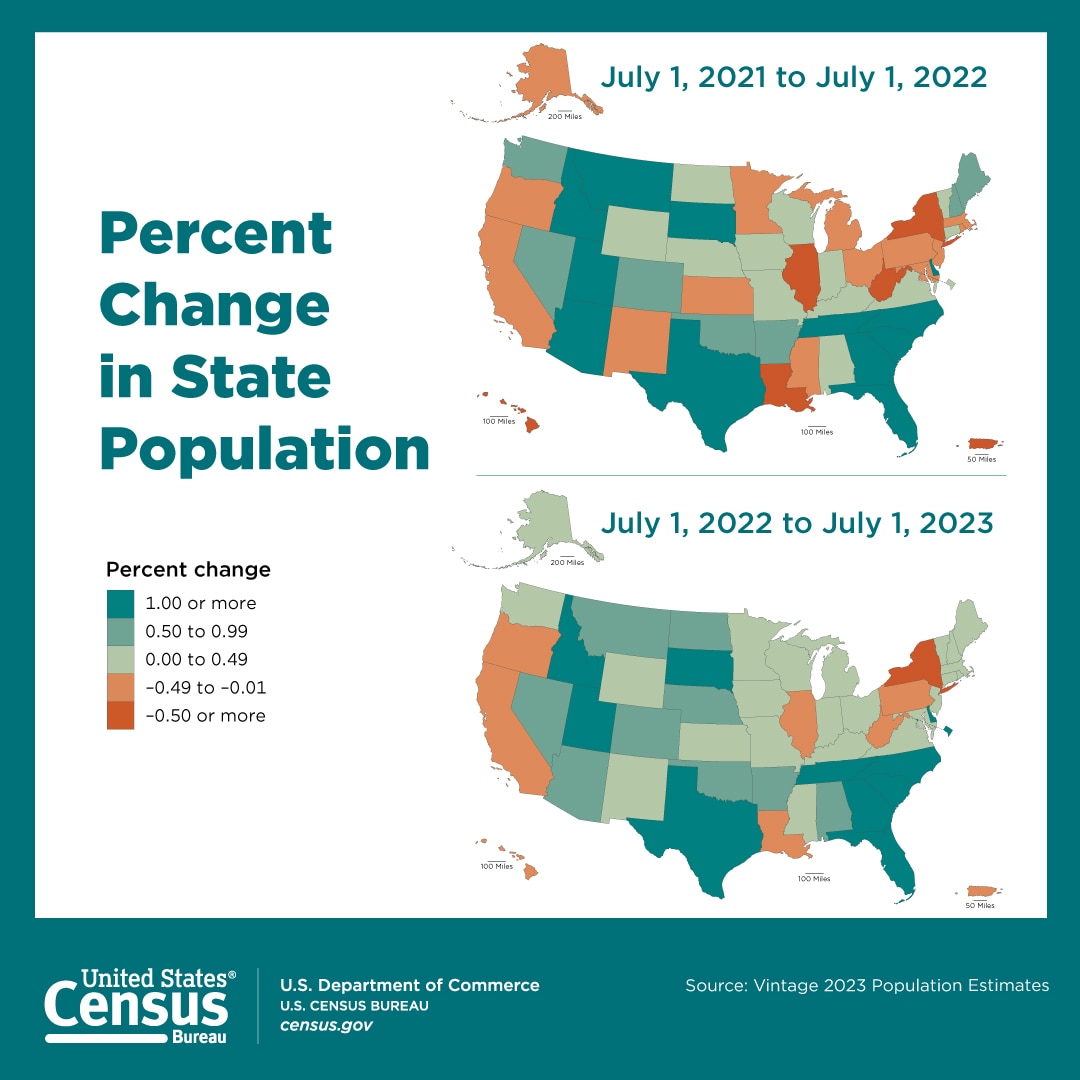
The State of Hawaii, an archipelago located in the central Pacific Ocean, comprises 137 islands, with eight main islands forming the most populated areas. These islands, from northwest to southeast, are Niʻihau, Kauaʻi, Oʻahu, Molokaʻi, Lānaʻi, Kahoʻolawe, Maui, and the Island of Hawaii (often called the Big Island). Each island possesses its distinct character, influencing its population density and distribution. Oʻahu, for instance, is the most populous island and the political and economic hub, home to the capital city of Honolulu. This concentration of people inevitably shapes the travel experiences available, from the bustling urban environment of Waikiki to the more serene natural wonders scattered across the island.
Understanding Hawaii’s Demographic Landscape
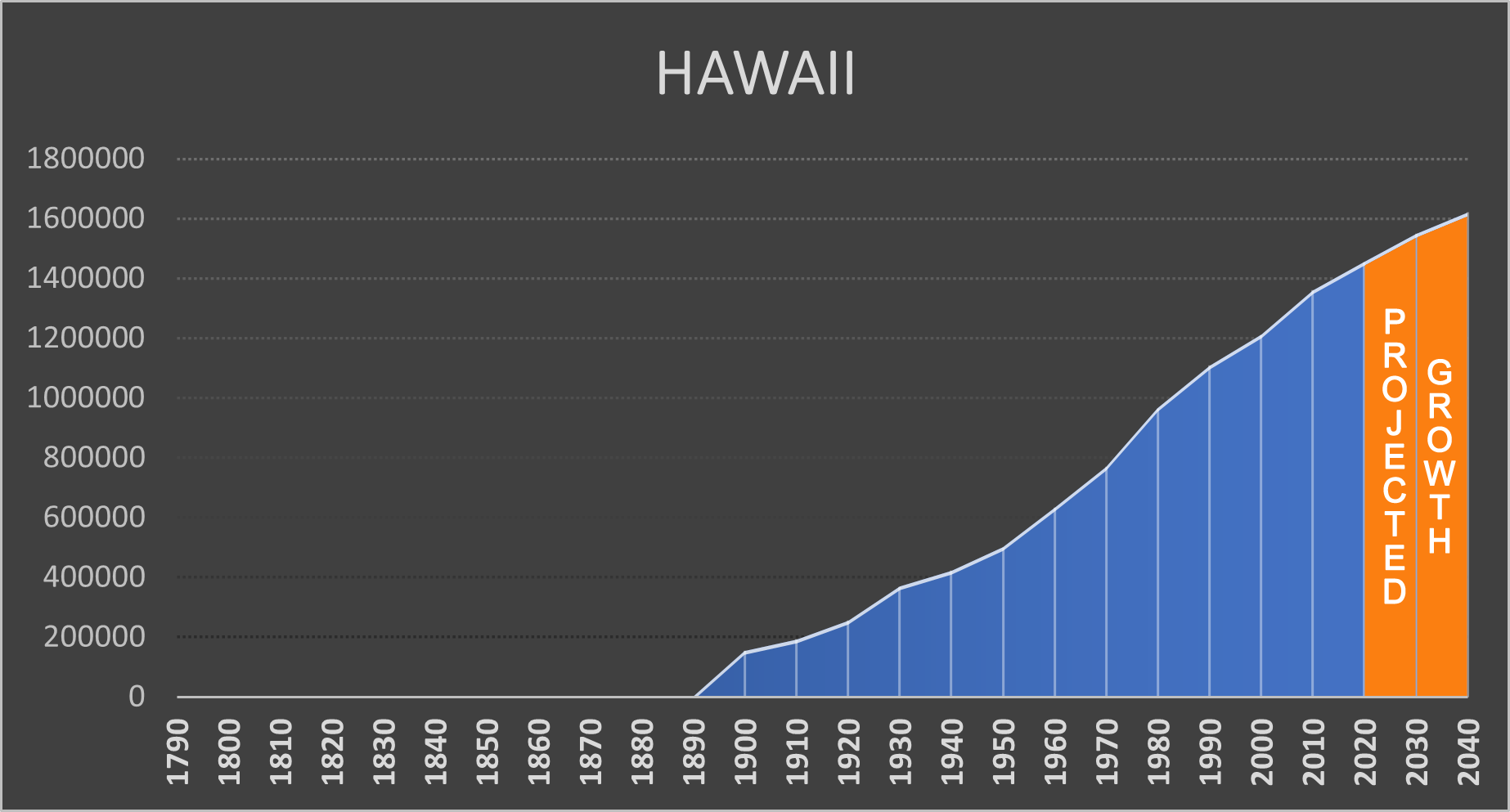
The population of Hawaii is a dynamic figure, influenced by various factors including natural growth, migration, and the significant ebb and flow of tourism. According to the most recent data available, the estimated population of the State of Hawaii hovers around 1.4 million people. This number, while seemingly modest compared to mainland states, represents a vibrant and diverse community living on islands that are geographically isolated. This isolation has fostered a unique sense of identity and a strong connection to the land and sea among Hawaiians.
Population Distribution Across the Islands
The distribution of this population is far from uniform. Oʻahu stands as the undeniable demographic center, housing approximately 70% of the state’s total population. This concentration is primarily due to the presence of Honolulu, a major economic engine and a significant gateway for international and domestic travel. The city itself is a bustling metropolis, offering a wide array of hotels, restaurants, and attractions. Beyond Honolulu, other populated areas on Oʻahu include cities like Pearl City and Kailua. The sheer volume of people on Oʻahu makes it the most visited island by tourists, contributing to its dense infrastructure of hotels and experiences.
In contrast, the other islands, while offering equally breathtaking natural beauty and unique local culture, have significantly smaller populations. Maui, the second most populous island, is home to around 250,000 residents. This island is a popular destination for luxury travel, known for its stunning beaches, volcanic landscapes like Haleakalā National Park, and charming towns like Lahaina and Paʻia. The population here is more spread out, with key population centers including Kahului and Kihei.
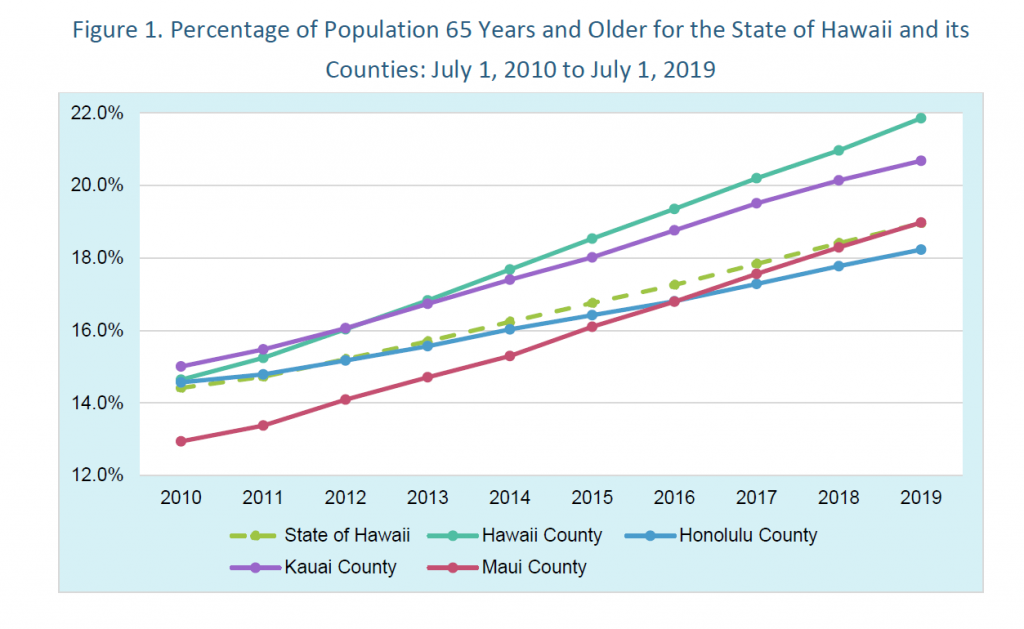
The Island of Hawaii, or the Big Island, with its vast geographical diversity, supports a population of approximately 200,000 people. This island is renowned for its active volcanoes, including Kīlauea and Mauna Loa, its black sand beaches, and its coffee plantations in Kona. Major population centers include Hilo on the east coast and Kailua-Kona on the west coast. The island’s sheer size and varied terrain contribute to a less dense population distribution compared to Oʻahu or even Maui.
Kauaʻi, often called the “Garden Isle,” is home to around 75,000 residents. This island is celebrated for its dramatic cliffs of the Nā Pali Coast, lush rainforests, and beautiful beaches. Its population is concentrated in towns like Līhuʻe, Kapaʻa, and Poʻipū, all of which serve as hubs for tourism and accommodation.
The smaller islands, Molokaʻi and Lānaʻi, have populations in the thousands, maintaining a more traditional and laid-back lifestyle. Molokaʻi is known for its rich Hawaiian culture and historical sites, while Lānaʻi has been undergoing transformation with significant resort development. These islands offer a more intimate experience for those seeking to escape the crowds and immerse themselves in a slower pace of life, providing unique travel opportunities for the discerning visitor.
Factors Influencing Population Dynamics
Several factors influence Hawaii’s population dynamics. Historically, Hawaii has experienced periods of significant growth and decline. The arrival of Western missionaries and traders in the 19th century marked a turning point, followed by waves of immigration from Asia for plantation labor, significantly diversifying the ethnic makeup of the islands. Today, migration patterns continue to shape the population. Hawaii attracts individuals seeking its natural beauty, a particular lifestyle, or job opportunities, while some residents, due to the high cost of living, choose to relocate to the mainland.
The tourism industry itself plays a dual role. While it brings significant economic benefits, it also contributes to population-related challenges. The influx of millions of visitors annually puts a strain on infrastructure, resources, and the environment. The seasonal nature of tourism can also lead to fluctuations in employment opportunities, affecting the local workforce. Understanding these dynamics is crucial for sustainable tourism development and ensuring that Hawaii remains a desirable place to live and visit.
The state’s commitment to preserving its unique environment and culture is a significant consideration for its population. Policies aimed at protecting natural resources and supporting local businesses are vital for the well-being of both residents and the tourism sector. For budget travelers and those interested in family trips, understanding the local economic landscape can help in planning more impactful and responsible travel experiences.
The demographic statistics of Hawaii are not just numbers; they represent the people, the culture, and the spirit of the islands. As travelers explore Hawaii’s stunning landmarks, from the historic Pearl Harbor to the volcanic wonders of Hawaii Volcanoes National Park, they are interacting with a population that is deeply connected to its heritage and its environment. Whether one is seeking adventure, relaxation, or cultural immersion, the human element of Hawaii adds immeasurable depth to the experience. The insights into the population of Hawaii offer a more nuanced understanding of this beloved destination, enriching every aspect of a visit, from hotel bookings to exploring hidden attractions and savoring authentic Hawaiian food.
LifeOutOfTheBox is a participant in the Amazon Services LLC Associates Program, an affiliate advertising program designed to provide a means for sites to earn advertising fees by advertising and linking to Amazon.com. Amazon, the Amazon logo, AmazonSupply, and the AmazonSupply logo are trademarks of Amazon.com, Inc. or its affiliates. As an Amazon Associate we earn affiliate commissions from qualifying purchases.