
The vast distances that separate major American cities can often be a point of consideration for travelers. Planning a trip between two iconic hubs like Denver, Colorado, and Chicago, Illinois, involves understanding various aspects of the journey, not least of which is the flight duration. While the answer to “How long is the flight from Denver to Chicago?” might seem straightforward, several factors can influence the actual time spent in the air, as well as the overall travel experience. This article delves into the typical flight times, the elements that affect them, and what travelers can expect when making this cross-country hop.
Understanding Direct Flight Durations
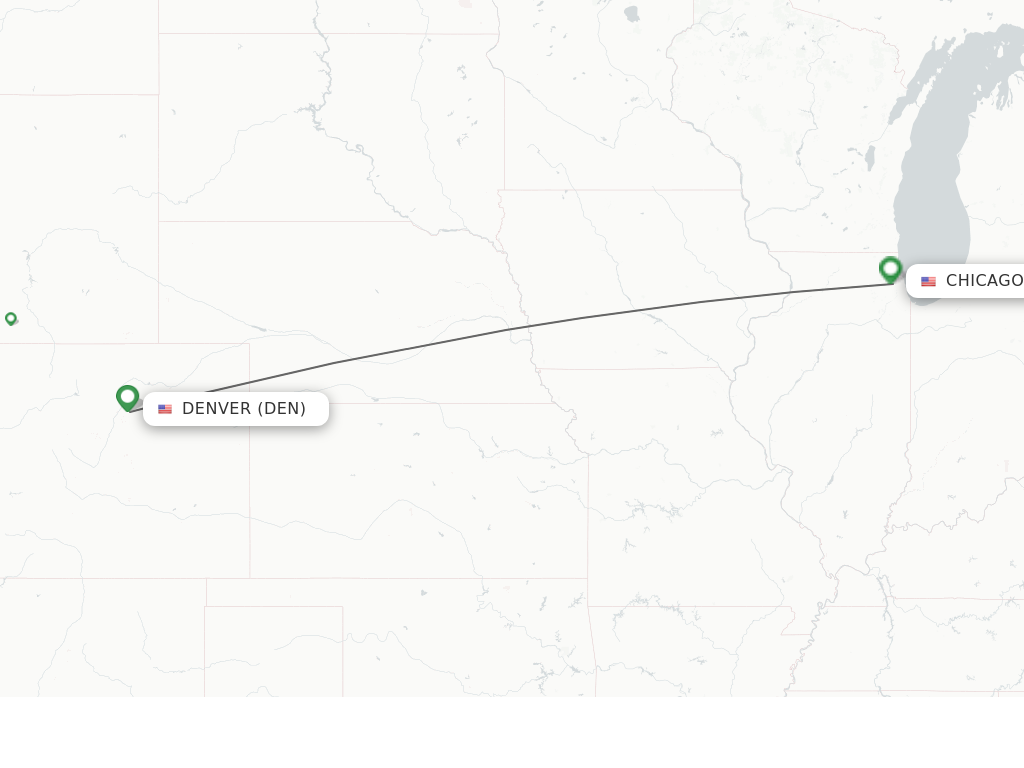
For most travelers, the most convenient and time-efficient option is a direct flight. These flights depart from Denver International Airport (DEN) and arrive at one of Chicago’s major airports, typically O’Hare International Airport (ORD) or Midway International Airport (MDW). The direct flight from Denver to Chicago is a popular route, served by numerous airlines.
Typical Flight Times
On average, a non-stop flight from Denver to Chicago will take approximately 2 hours and 30 minutes to 2 hours and 50 minutes. This duration is relatively consistent due to the established air traffic corridors and prevailing wind patterns between these two cities. However, it’s crucial to remember that this is the in-air time. The total travel time will encompass much more.
When considering this flight duration, it’s important to factor in the additional time required for pre-flight activities. This includes traveling to the airport, check-in procedures, security screening, and boarding the aircraft. For Denver International Airport, known for its expansive layout, allowing ample time is always recommended. Similarly, Chicago’s O’Hare International Airport, one of the busiest in the world, demands efficient navigation and punctuality.
Factors Influencing Flight Time
While the average direct flight time is quite stable, several variables can cause slight deviations:
- Wind Conditions: Tailwinds can shorten the flight duration, while headwinds can lengthen it. Prevailing winds at cruising altitude are a significant factor in air travel.
- Air Traffic Control: Congestion in the airspace, especially around major hubs like Chicago, can lead to air traffic control holding patterns, which add time to the journey.
- Aircraft Type: While less impactful on shorter routes, different aircraft have varying cruising speeds.
- Flight Path: The exact route taken by the pilot can be influenced by weather, air traffic, and other operational considerations.
It’s also worth noting that these times refer to the flight from gate to gate. The time spent taxiing on the runway before takeoff and after landing is included in the overall flight duration provided by airlines.
Exploring Options Beyond Direct Flights
While direct flights are the ideal for many, sometimes connecting flights are the only option, or they might offer a more attractive price point. Understanding the implications of a connecting flight is essential for accurate travel planning.
Connecting Flights and Total Travel Time
A connecting flight from Denver to Chicago involves a stopover at an intermediate airport. This significantly extends the total travel time. The duration of a connecting flight is highly variable, depending on the layover time. A short layover might be as little as an hour, while a longer one could be several hours, or even overnight.
When calculating the total travel time for a connecting flight, one must consider:
- The flight time to the connecting city.
- The layover duration.
- The flight time from the connecting city to Chicago.
- The time to deplane, navigate the connecting airport, and re-board.
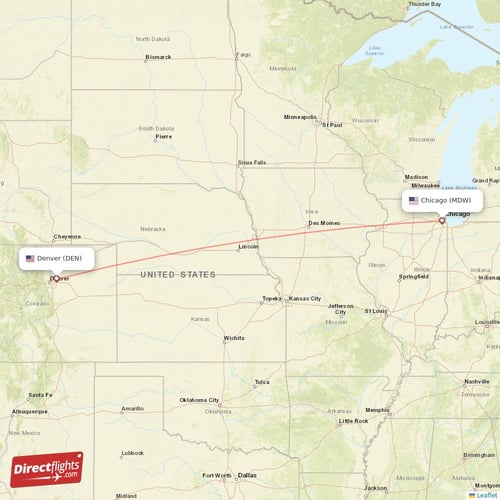
In many cases, a connecting flight can easily double the total travel time compared to a direct flight. For instance, a flight with a 2-hour layover could push the total journey time to 6-8 hours or more, depending on the specific legs of the journey.
Choosing Between Direct and Connecting Flights
The decision between a direct and a connecting flight often boils down to a trade-off between time and cost. Direct flights are generally more expensive but offer unparalleled convenience and significantly less travel time. Connecting flights can be cheaper, especially if booked in advance or during off-peak travel periods, but they come at the cost of a longer, potentially more tiring journey.
Travelers seeking the most efficient route will invariably opt for a direct flight. Those on a tighter budget or with more flexible schedules might find connecting flights to be a viable and economical alternative. It’s always advisable to compare prices and total travel times for both options before making a booking. For a relatively short route like Denver to Chicago, the benefits of a direct flight often outweigh the cost savings of a connecting one, particularly for business travelers or those on short vacation trips.
Preparing for Your Journey from Denver to Chicago
Beyond understanding flight times, a successful trip from Denver to Chicago involves thorough preparation. This includes selecting the right airport, considering accommodation in Chicago, and being aware of the unique attractions both cities offer.
Navigating Denver International Airport (DEN) and Chicago’s Airports (ORD/MDW)
Both Denver International Airport and Chicago’s airports are large and complex. Familiarity with their layouts and services can significantly smooth the travel process.
Denver International Airport (DEN) is located northeast of Denver and is known for its distinctive tent-like roof. It serves as a major hub for several airlines, including United Airlines and Southwest Airlines. Travelers should be aware of the various concourses (A, B, and C) and the efficient underground train system that connects them. Allowing at least two hours before a domestic flight for check-in, bag drop, and security is a prudent approach.
Chicago’s O’Hare International Airport (ORD) is one of the busiest airports globally and a primary hub for United Airlines and American Airlines. It is located northwest of downtown Chicago. O’Hare has a comprehensive public transportation system, including the CTA ‘L’ train, which provides direct access to the city center. Chicago Midway International Airport (MDW), while smaller, is another major airport, primarily serving Southwest Airlines. It is located southwest of downtown and also offers CTA ‘L’ train service. Given the potential for congestion at both O’Hare and Midway, arriving well in advance is highly recommended, especially during peak travel times.
Accommodation and Attractions in Chicago
Once you’ve landed in Chicago, your travel plans will likely involve finding suitable accommodation and exploring the myriad attractions the Windy City has to offer.
Chicago boasts a diverse range of hotels to suit every budget and preference. From luxurious downtown high-rises offering stunning views of Lake Michigan and the city skyline, to boutique hotels in vibrant neighborhoods like Lincoln Park or the West Loop, there are options for everyone. Popular choices might include the iconic Palmer House Hilton, known for its historic grandeur, or modern establishments like the Thompson Chicago. For longer stays or those seeking a more home-like experience, serviced apartments and villas can also be found through various booking platforms.
The city’s attractions are world-renowned. No visit to Chicago is complete without a stroll along the Magnificent Mile for shopping, an architectural boat tour on the Chicago River to admire the city’s impressive skyscrapers, or a visit to Millennium Park to see the famous Cloud Gate sculpture (affectionately known as “The Bean”). For art enthusiasts, the Art Institute of Chicago is a must-visit. History buffs can explore the Field Museum or the Adler Planetarium. And, of course, Chicago’s culinary scene is legendary, from deep-dish pizza to fine dining experiences.

Lifestyle Considerations for the Denver-Chicago Route
The Denver to Chicago route can cater to various travel lifestyles. For luxury travel, one might seek out premium cabin flights and five-star hotels in Chicago, perhaps indulging in a stay at a renowned establishment like The Peninsula Chicago. Conversely, budget travel could involve booking flights well in advance, opting for economy class, and choosing more affordable, yet comfortable, accommodations in neighborhoods slightly outside the immediate downtown core, or utilizing hostels and budget-friendly inns.
Family trips to Chicago can be incredibly rewarding, with attractions like the Lincoln Park Zoo, the Shedd Aquarium, and the Adler Planetarium offering engaging experiences for all ages. For these trips, family-friendly hotels with amenities like swimming pools and suites are often preferred. Business stays in Chicago are also common, given its status as a major commercial and financial center. Business travelers often prioritize convenient locations near business districts, efficient Wi-Fi, and amenities that support work, such as meeting rooms and business centers.
In conclusion, while the direct flight from Denver to Chicago is a relatively short journey, typically around 2.5 to 3 hours, the overall travel experience is multifaceted. Understanding the nuances of flight durations, preparing for airport procedures, selecting appropriate accommodation, and embracing the diverse lifestyle options available in Chicago are all integral to crafting a memorable and seamless trip. Whether you’re flying for business or leisure, a well-planned journey ensures you can maximize your time and enjoyment in the vibrant city of Chicago.
LifeOutOfTheBox is a participant in the Amazon Services LLC Associates Program, an affiliate advertising program designed to provide a means for sites to earn advertising fees by advertising and linking to Amazon.com. Amazon, the Amazon logo, AmazonSupply, and the AmazonSupply logo are trademarks of Amazon.com, Inc. or its affiliates. As an Amazon Associate we earn affiliate commissions from qualifying purchases.