
Hawaii, the Aloha State, beckons with its volcanic landscapes, pristine beaches, and vibrant culture, offering an idyllic escape for travelers year-round. Deciding on the best time to visit, however, hinges on a careful consideration of weather patterns, crowd levels, pricing, and specific activities you wish to experience. While Hawaii enjoys a generally pleasant climate throughout the year, subtle shifts in these factors can significantly impact your vacation. This guide delves into the nuances of each season, empowering you to choose the period that best aligns with your vacation aspirations.
Understanding Hawaii’s Climate and Seasons
Hawaii experiences a tropical climate, characterized by warm temperatures and consistent humidity. However, it’s not a monolithic climate across all islands or even within a single island. The state is divided into two main seasons: the dry season and the wet season. Understanding these, along with microclimates, is key to planning.
The Dry Season: Warmest and Least Humid (April to October)
The months between April and October generally constitute Hawaii’s dry season. This period is marked by higher temperatures, lower rainfall, and less humidity, making it a popular choice for many visitors. The sun shines brightly, ideal for beach activities, hiking, and exploring the diverse landscapes of islands like Maui and Oahu.
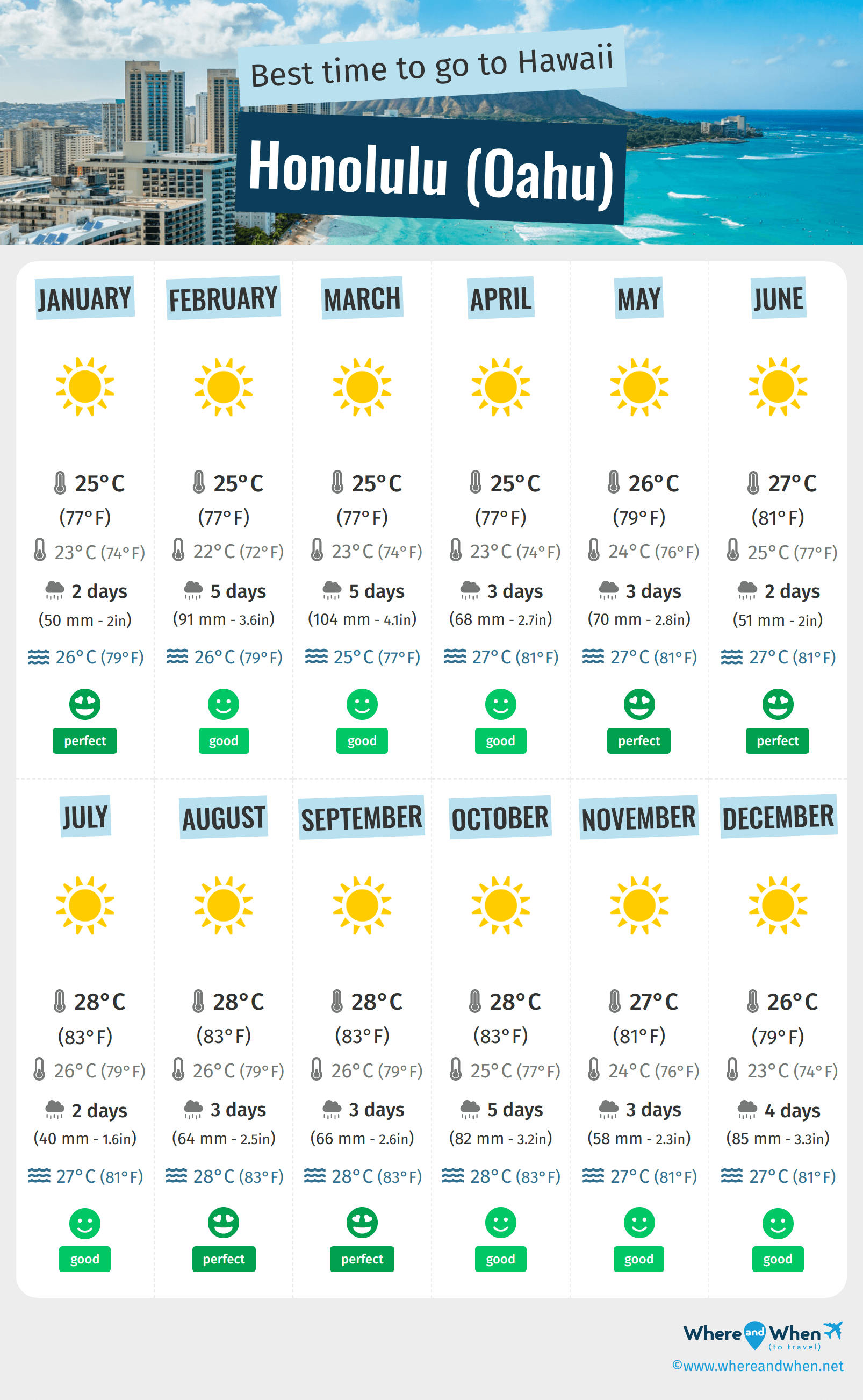
- Temperature Ranges: Daytime temperatures typically hover between 80°F and 85°F (27°C to 29°C), with evenings offering a comfortable coolness. Ocean temperatures remain warm and inviting for swimming and snorkeling.
- Rainfall Patterns: While occasional showers can occur, they are usually brief and localized, particularly on the windward (northeastern) sides of the islands. The leeward (southwestern) sides, such as Kona on the Big Island, tend to be significantly drier and sunnier.
- Ocean Conditions: This season generally offers calmer seas, making it ideal for water sports like surfing, paddleboarding, and boat tours to witness marine life, including the majestic humpback whales that have migrated from Alaska.
The Wet Season: Cooler and More Humid (November to March)
The period from November to March is considered Hawaii’s wet season. While the name might suggest constant downpours, this is often not the case. Rainfall is more prevalent, especially in the mountainous interior and windward regions, but it often comes in the form of afternoon showers or brief, intense bursts that quickly clear. The leeward sides of the islands still experience considerably less rain.
- Temperature Ranges: Temperatures are slightly cooler, generally ranging from 75°F to 80°F (24°C to 27°C). The humidity levels are higher, which can make the air feel warmer.
- Rainfall Patterns: The windward coasts can see significantly more rainfall, contributing to the lush green landscapes that Hawaii is famous for. However, even during this season, sunny days are common, especially on the leeward shores. This is also the season when surfing conditions on the North Shores of islands like Oahu are at their peak, drawing professional surfers for legendary waves at spots like Waimea Bay.
- Ocean Conditions: The North Pacific swells bring larger waves to the north-facing shores, creating spectacular surfing opportunities. However, these same swells can lead to rougher seas on these coasts, making swimming and snorkeling less ideal in some areas. Conversely, the south shores tend to be calmer during this period.
Peak Seasons and Shoulder Seasons: Navigating Crowds and Costs
Beyond the broad strokes of weather, the timing of your vacation also dictates the number of visitors and the associated prices for flights and accommodations. Understanding these peak and shoulder seasons is crucial for budget-conscious travelers and those seeking a more tranquil experience.
Peak Tourist Seasons: High Demand, High Prices
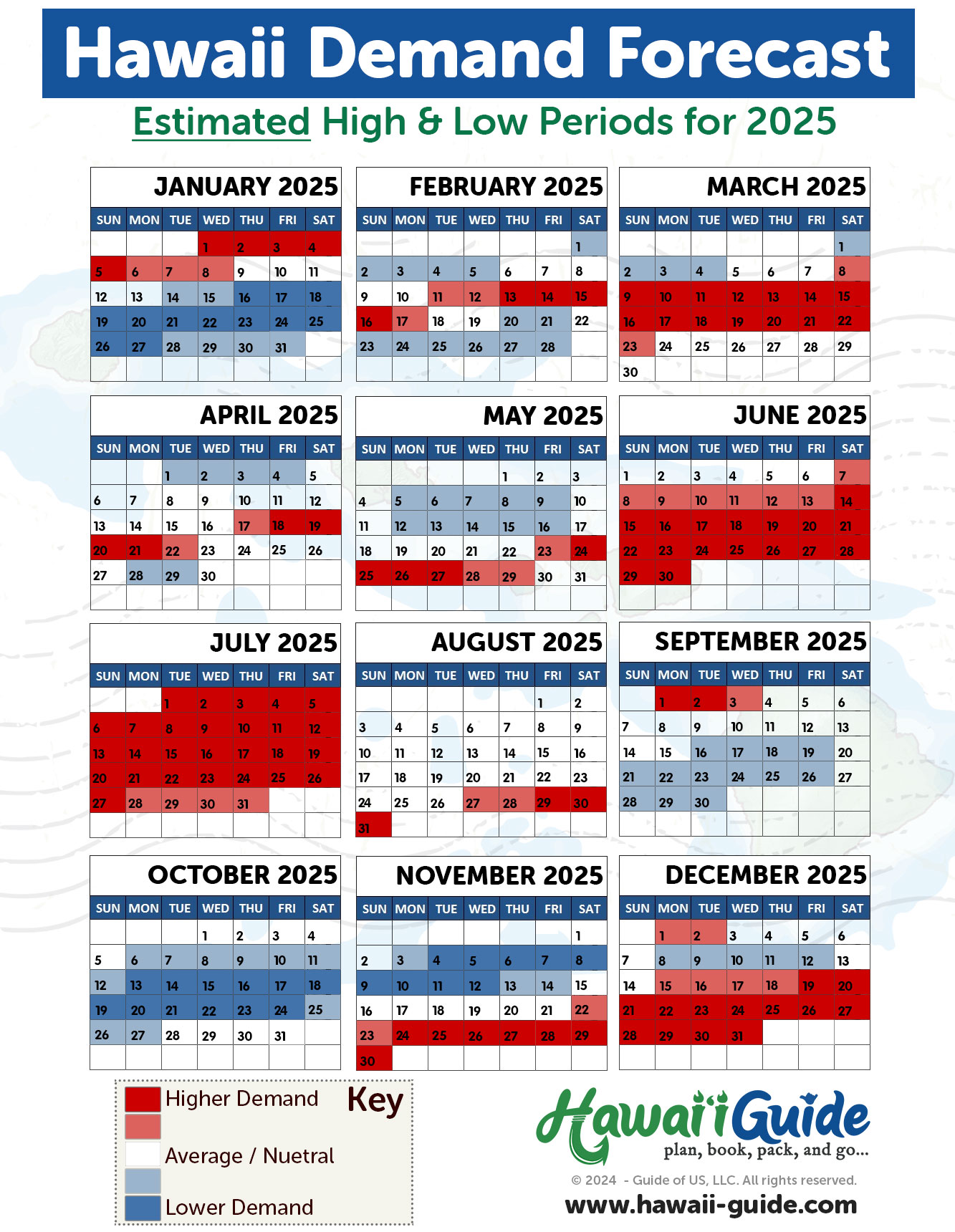
Hawaii’s peak tourist seasons align with major holidays and school breaks, leading to the highest demand, crowded attractions, and consequently, the highest prices for travel and lodging.
- Mid-December to Mid-April: This period encompasses the Christmas and New Year holidays, as well as winter break for many schools. The desire for warm-weather escapes during colder months drives significant tourism. It’s also the prime season for whale watching.
- June to August: The summer vacation months see a surge in families and students traveling to the islands. Beaches, popular attractions like Pearl Harbor, and popular resorts can be quite busy.
During these times, booking flights and accommodations well in advance is highly recommended. Expect to pay a premium for the privilege of visiting during these sought-after periods.
Shoulder Seasons: The Sweet Spot for Value and Experience
The shoulder seasons offer a compelling balance between favorable weather, manageable crowds, and more attractive pricing. These periods represent the sweet spot for many travelers looking to maximize their Hawaiian vacation experience.
- April to May: Following the winter peak and before the summer rush, this period offers pleasant weather with increasing warmth and sunshine. Crowds begin to thin, and prices for flights and hotels often become more reasonable. The islands are in full bloom, showcasing vibrant floral displays.
- September to Mid-December: After the summer vacationers depart and before the holiday season kicks in, this period provides another excellent opportunity to visit. The weather remains warm and mostly dry, and the islands are less crowded. This is an ideal time for exploring Hawaiʻi Volcanoes National Park or enjoying the tranquility of a lesser-known beach on Kauai.
Visiting during the shoulder seasons can lead to a more relaxed experience, with shorter wait times at attractions and a greater sense of peace on the beaches.

Specific Activities and Considerations by Season
The “best” time to visit Hawaii is ultimately subjective and depends on the activities you prioritize. Different seasons offer unique advantages for specific experiences.
Whale Watching Season (December to May)
For those captivated by the grace and majesty of marine life, the period from December to May is unparalleled. This is when the endangered humpback whales migrate from the frigid waters of Alaska to the warmer Hawaiian waters to breed, calve, and nurse their young.
- Prime Months: January, February, and March are typically considered the peak months for whale watching, with the highest number of whales present.
- Best Islands: Maui is particularly renowned for whale watching, with its clear waters off the western and southern coasts offering excellent viewing opportunities. Tours depart from harbors like Lahaina and Ma’alaea. The waters around Big Island also offer sightings.
- Observing the Whales: Numerous boat tours are available, offering close-up encounters. Alternatively, land-based viewing points, such as the ʻOheʻo Gulch on Maui or observatories on the Big Island, can provide spectacular vistas.
Surfing Season (November to March)
The winter months bring powerful Pacific swells, transforming the north shores of islands like Oahu into legendary surfing meccas. While this season is perfect for experienced surfers, it also creates challenging conditions for casual swimmers and snorkelers on these coasts.
- North Shore Highlights: Oahu’s famed North Shore beaches, including Waimea Bay, Ehukai Beach (Banzai Pipeline), and Sunset Beach, attract world-class surfers.
- Beginner Surfing: For novice surfers, the south shores of islands like Oahu and Maui offer gentler waves year-round, but are particularly suitable during the summer months when the winter swells subside.
Hiking and Exploring (Year-Round with Seasonal Nuances)
Hawaii’s diverse topography, from volcanic craters to lush rainforests, makes it a hiker’s paradise. While hiking is possible year-round, certain seasons offer advantages.
- Dry Season (April to October): The drier weather provides more predictable conditions for hiking, reducing the risk of slippery trails and flash floods. This is ideal for exploring the lava fields of Hawaiʻi Volcanoes National Park or venturing into the rugged landscapes of Na Pali Coast State Wilderness Park on Kauai.
- Wet Season (November to March): While rain can occur, it often enhances the beauty of Hawaii’s waterfalls and makes the rainforests incredibly vibrant and lush. Hiking in areas like the Mānoa Falls Trail on Oahu can be particularly rewarding during this time, though preparedness for wet conditions is essential.
Making Your Decision: Personalizing Your Hawaiian Getaway
Ultimately, the best time to vacation in Hawaii is a deeply personal choice. Consider these final factors to help you pinpoint your ideal travel window.
Budget Considerations
If budget is a primary concern, aim for the shoulder seasons (April-May and September-mid-December). You’ll likely find more competitive prices on flights and accommodations, allowing your vacation funds to stretch further. Traveling during the off-peak weeks within these shoulder seasons can yield even greater savings.
Crowd Tolerance
If you prefer a more serene and less crowded experience, avoid the peak holiday periods and summer months. The shoulder seasons offer a much more relaxed atmosphere, allowing for more intimate encounters with nature and local culture. Even during peak times, venturing to lesser-known islands or exploring during weekdays can help mitigate crowds.
Weather Preferences
While Hawaii is generally pleasant, if you are particularly sensitive to humidity or rain, the dry season (April-October) will likely be more to your liking. Conversely, if you are drawn to dramatic surf or the lushness of a rain-kissed landscape, the wet season (November-March) might appeal, provided you are prepared for occasional showers.
By carefully weighing these aspects against the seasonal offerings of weather, activities, and crowd levels, you can confidently plan a Hawaiian vacation that perfectly matches your desires and ensures an unforgettable experience in the heart of the Pacific.
LifeOutOfTheBox is a participant in the Amazon Services LLC Associates Program, an affiliate advertising program designed to provide a means for sites to earn advertising fees by advertising and linking to Amazon.com. Amazon, the Amazon logo, AmazonSupply, and the AmazonSupply logo are trademarks of Amazon.com, Inc. or its affiliates. As an Amazon Associate we earn affiliate commissions from qualifying purchases.