
The iconic flight path connecting the bustling metropolis of New York to the sun-drenched shores of Los Angeles is a staple for both leisure and business travelers. This transcontinental journey, often referred to as a “red-eye” or a daytime hop across the United States, is more than just a simple air travel segment; it’s a gateway to vastly different lifestyles, landscapes, and cultural experiences. Understanding the nuances of this flight, from its duration to the factors that influence it, is crucial for planning a seamless trip. Whether you’re heading west for a Hollywood adventure, a Broadway show in the Big Apple, or simply to experience the vibrant energy of two of America’s most influential cities, this guide will equip you with the knowledge you need.
Understanding Flight Duration: The Core Metrics
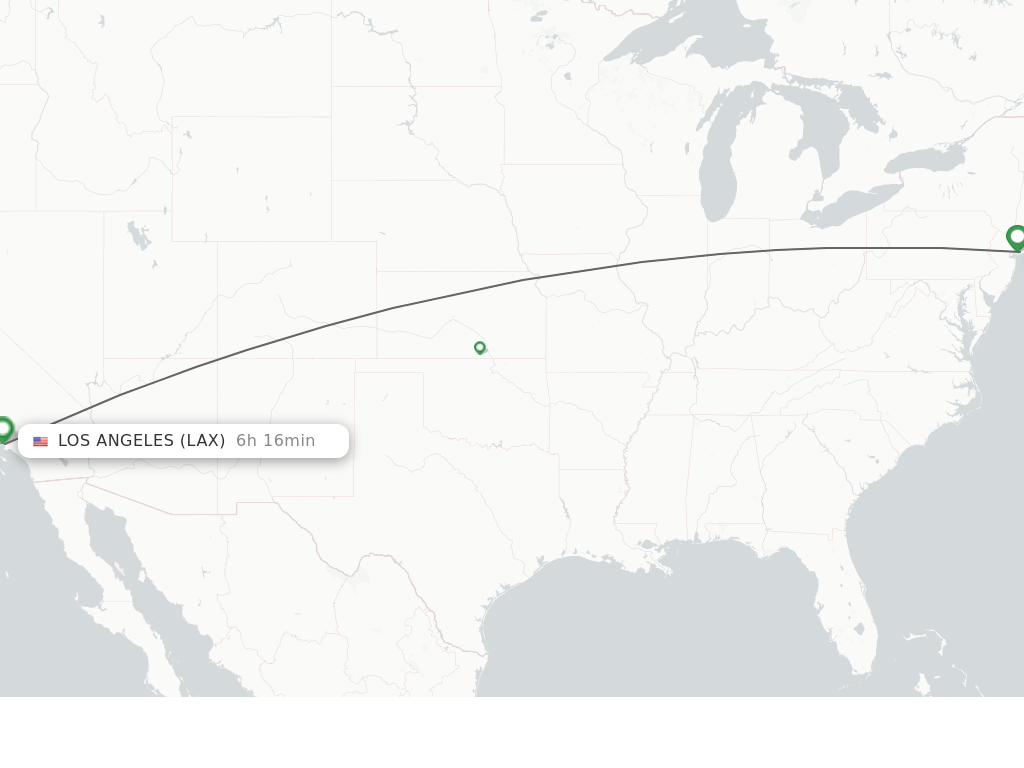
The most direct answer to “How long is the flight from New York to Los Angeles?” lies in the average flight time. However, this seemingly simple question opens up a complex web of variables that can impact your travel experience significantly. Airlines, aircraft types, and even the direction of the flight can play a role.
Average Flight Times: The Baseline
On average, a non-stop flight from New York (specifically from airports like John F. Kennedy International Airport (JFK), LaGuardia Airport (LGA), or Newark Liberty International Airport (EWR)) to Los Angeles (primarily Los Angeles International Airport (LAX)) takes approximately 5.5 to 6 hours. This is the figure you’ll most commonly see when searching for flights. This duration accounts for the actual time spent airborne.
However, it’s essential to remember that this is just the flight time. The total travel time from your starting point in New York to your final destination in Los Angeles will invariably be longer. This includes:
- Travel to the airport: Depending on your location in New York and traffic conditions, getting to JFK, LGA, or EWR can take anywhere from 30 minutes to over an hour.
- Airport procedures: Arriving at the airport for domestic flights is generally recommended at least two hours prior to departure. This time is allocated for check-in, security screening, and navigating the terminal.
- Boarding and taxiing: Once you’ve reached your gate, there’s the time spent boarding the aircraft and the subsequent taxiing on the runway before takeoff.
- Disembarking and baggage claim: Upon arrival at LAX, it can take another 15-30 minutes or more to deplane and collect your luggage.
- Travel from the airport: Similar to New York, reaching your final destination within the vast sprawl of Los Angeles will add significant travel time, often between 30 minutes and 1.5 hours, again, heavily dependent on traffic.
Therefore, while the flight itself might be around six hours, your total door-to-door journey could easily span 9 to 11 hours, or even more, especially if you encounter delays.
Factors Influencing Flight Duration
Several key factors contribute to the precise duration of your flight:
- Wind Patterns (Jet Stream): This is perhaps the most significant factor influencing flight times across the United States. Flights traveling east to west (like New York to Los Angeles) generally face headwinds, as they fly against the prevailing westerly jet stream. This slows the plane down, extending the flight time. Conversely, flights traveling west to east (from Los Angeles to New York) benefit from tailwinds, making the journey shorter. A typical westbound flight might be 30 minutes to an hour longer than an eastbound one, all other factors being equal.
- Aircraft Type: Different aircraft have varying cruising speeds. Larger, wide-body jets might fly slightly faster than smaller, narrow-body planes, although the difference for this particular route is usually marginal. The efficiency and technology of the aircraft also play a role in optimizing flight paths and speeds.
- Flight Path and Air Traffic Control: Airlines and air traffic control work together to determine the most efficient flight path. This can be influenced by weather conditions, military airspace, and congestion in busy air corridors. Sometimes, a slightly longer route might be chosen to avoid turbulence or delays.
- Direct vs. Connecting Flights: The duration mentioned above is for direct, non-stop flights. If you opt for a connecting flight, your travel time will increase dramatically due to layovers in intermediate cities. These layovers can range from a few hours to more than half a day, making connecting flights a less desirable option for those prioritizing speed.
- Time of Day and Day of Week: While not directly impacting airborne speed, the time of day and day of the week can influence the overall travel experience. Red-eye flights (overnight flights) often depart late at night and arrive early in the morning, maximizing time for a full day of activities upon arrival. Flights during peak travel times might experience more congestion on the ground.
Navigating the Journey: From Airport to Arrival
Beyond the flight time itself, the experience of traveling between New York and Los Angeles is shaped by the airports, the airlines, and the type of travel you choose. Understanding these elements can help you optimize your journey.
Airports of Departure and Arrival
The choice of airport in the New York metropolitan area and the arrival airport in Los Angeles can subtly influence your journey.
- New York Area Airports:
- John F. Kennedy International Airport (JFK): One of the busiest international airports in the United States, JFK is a major hub for many airlines, offering a vast selection of flights to LAX. It’s well-connected to Manhattan and other parts of New York via public transportation and taxi services.
- LaGuardia Airport (LGA): Primarily a domestic airport, LGA is closer to Manhattan than JFK and can be a convenient option for some travelers. However, it has fewer long-haul flight options compared to JFK.
- Newark Liberty International Airport (EWR): Located in New Jersey, EWR also serves the New York metropolitan area and is a significant hub for certain airlines. It’s accessible from New York City, though often requires a longer commute.
- Los Angeles Area Airport:
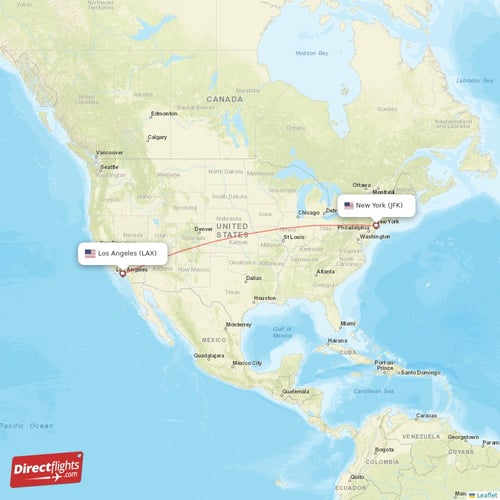
- Los Angeles International Airport (LAX): This is the primary gateway for flights from New York to Los Angeles. LAX is a sprawling complex with numerous terminals and is a major hub for travel throughout Southern California and beyond. Its sheer size means navigating within the airport can take time.
- Other Airports: While LAX is the main destination, some travelers might consider smaller airports like Hollywood Burbank Airport (BUR) or Long Beach Airport (LGB) for flights originating from specific regions. However, direct flights from New York to these airports are less common.
Airline Choices and Services
The airline you choose can impact your flight experience, from the seat comfort to in-flight entertainment and dining. Major carriers like American Airlines, Delta Air Lines, United Airlines, and JetBlue Airways all operate frequent non-stop services on this route.
When selecting an airline, consider:
- Cabin Classes: You can choose from economy, premium economy, business class, or first class. Each offers a different level of comfort, legroom, and service, with corresponding price differences. A premium cabin can make the ~6-hour flight feel significantly more comfortable and productive.
- In-Flight Entertainment (IFE): Most airlines offer personal screens with a variety of movies, TV shows, music, and games. Check the airline’s website for details on their IFE system.
- Wi-Fi: Many flights now offer Wi-Fi, though it often comes at an additional cost. This can be crucial for business travelers who need to stay connected.
- Baggage Allowance: Be sure to check the airline’s policy on checked and carry-on baggage, as fees can add up.
- Loyalty Programs: If you’re a frequent flyer, consider which airline’s loyalty program aligns best with your travel habits.
Beyond the Flight: Experiencing New York and Los Angeles
The journey from New York to Los Angeles is not just about the time spent in transit; it’s about the destination and the myriad of experiences awaiting you. Both cities offer unparalleled attractions, world-class dining, and distinct cultural landscapes.
New York: The City That Never Sleeps
New York is a global icon, a melting pot of cultures, and a city that offers an endless array of activities. Whether you’re interested in art, theater, history, or simply soaking in the urban energy, New York has something for everyone.
-
Landmarks and Attractions:
- The majestic Statue of Liberty and Ellis Island.
- The bustling expanse of Times Square.
- The serene pathways of Central Park.
- World-renowned museums like The Metropolitan Museum of Art and the Museum of Modern Art (MoMA).
- The architectural marvel of the Empire State Building and One World Observatory.
- The vibrant neighborhoods of Greenwich Village, SoHo, and Chinatown.
- The theatrical magic of Broadway.
-
Accommodations: New York boasts an extensive range of hotels, from luxurious suites in Midtown to boutique hotels in the trendier districts. You’ll find everything from grand establishments like the Plaza Hotel to modern serviced apartments, catering to all budgets and preferences for luxury travel and business stays.
-
Culinary Scene: The city’s culinary landscape is as diverse as its population, offering everything from Michelin-starred restaurants to iconic street food vendors. Explore diverse cuisines and find hidden gems in every borough.
Los Angeles: The Entertainment Capital
Los Angeles, often referred to as the City of Angels, is synonymous with entertainment, sunshine, and a laid-back yet dynamic lifestyle. Its vast urban area stretches along the coast, offering diverse attractions and experiences.
-
Landmarks and Attractions:
- The iconic Hollywood Sign overlooking the city.
- The glamour of Hollywood Boulevard and the Walk of Fame.
- The historic Griffith Observatory with its panoramic views.
- The world-famous studios like Universal Studios Hollywood.
- The artistic enclave of Getty Center.
- The sun-kissed beaches of Santa Monica and Venice Beach.
- The upscale shopping and dining of Beverly Hills.
-
Accommodations: Los Angeles offers a wide spectrum of accommodation options. You can find opulent resorts along the coast, chic apartments in areas like West Hollywood, or family-friendly villas for a longer stay. The choice of hotels and lodgings is vast, catering to both budget travel and high-end lifestyle preferences.
-
Culinary Scene: LA’s food scene is as diverse as its geography, with influences from Mexico, Asia, and across the globe. From trendy food trucks to exquisite fine dining, the city is a culinary adventure.
The flight from New York to Los Angeles is a journey that bridges two distinct and captivating worlds within the United States. By understanding the flight duration and the factors that influence it, you can better prepare for a smooth and enjoyable trip. Whether you’re seeking the electrifying energy of New York or the sun-drenched allure of Los Angeles, this cross-country flight is the first step in an unforgettable travel experience.
LifeOutOfTheBox is a participant in the Amazon Services LLC Associates Program, an affiliate advertising program designed to provide a means for sites to earn advertising fees by advertising and linking to Amazon.com. Amazon, the Amazon logo, AmazonSupply, and the AmazonSupply logo are trademarks of Amazon.com, Inc. or its affiliates. As an Amazon Associate we earn affiliate commissions from qualifying purchases.