
For many who embrace the freedom of travel and the allure of exploring diverse landscapes, personal safety is a paramount consideration. Whether you’re traversing the bustling streets of Los Angeles, hiking the serene trails of a national park, or enjoying a tranquil retreat, understanding the legal framework around self-defense can be part of a well-rounded lifestyle. In California, obtaining a License to Carry a Concealed Weapon (CCW) is a complex process, distinct from many other states. This guide aims to demystify the journey for those considering integrating a CCW into their responsible exploration and travel habits within the Golden State. We’ll navigate the specific requirements, processes, and considerations, connecting them to the broader context of travel, accommodation, and lifestyle choices that define the experience of California.
Understanding the California CCW Landscape: A Traveler’s Perspective
California is renowned for its strict gun laws, and its CCW regulations are among the most stringent in the nation. Unlike “shall-issue” states where a permit is granted upon meeting basic legal requirements, California is a “may-issue” state. This means that issuing authorities—typically the county sheriff for rural residents or the police chief for city dwellers—have significant discretion in approving or denying applications. For travelers, long-term visitors, or those considering extended stays, understanding this unique legal environment is crucial. It’s not just about meeting minimum qualifications, but also about demonstrating a compelling reason for a CCW that satisfies local authorities.
The “Good Cause” Requirement: Beyond General Self-Defense
At the heart of California’s CCW process lies the “good cause” requirement. Historically, this has been the most significant hurdle for applicants. While the landmark Bruen Supreme Court decision of 2022 altered the landscape, effectively striking down subjective “good cause” requirements that demanded an applicant demonstrate a special need for self-defense beyond the general desire, the specifics are still evolving and vary.
Post-Bruen, many California issuing authorities are still defining what constitutes sufficient “good cause.” While a general desire for self-defense is now legally recognized as a basis, authorities may still look for a compelling reason related to an applicant’s occupation, specific threats, or a lifestyle that puts them at increased risk. For example, individuals who frequently travel to remote areas for adventure tourism or business, or those whose work involves handling valuables, might present a stronger “good cause” narrative.
The interpretation of “good cause” can differ dramatically from one part of the state to another. In more populous and liberal areas like Los Angeles County or San Francisco, permits have historically been far more difficult to obtain. Conversely, more rural counties such as Shasta County or Orange County have often been more amenable, especially for residents whose work or lifestyle involves venturing into isolated regions where law enforcement response times might be longer. For someone exploring the expansive wilderness of Yosemite National Park or considering a remote glamping experience, this localized variation is a key factor.

Eligibility Criteria: What You Need to Know Before You Apply
Beyond “good cause,” several fundamental criteria must be met before an applicant can even be considered for a California CCW. These are generally consistent across the state but are crucial for any potential applicant, especially those whose lifestyle involves frequent movement or multi-state considerations.
- Residency: You must be a resident of the county to which you are applying. This is a critical point for travelers who might spend significant time in California but maintain residency elsewhere. A CCW is not generally available to out-of-state visitors, underscoring its role as a resident-centric aspect of personal lifestyle and safety within the state.
- Age: Applicants must be at least 21 years old.
- Moral Character: Applicants must be of “good moral character.” This is a subjective criterion that authorities assess through background checks, personal interviews, and sometimes character references. A history of arrests, even for minor offenses, or any demonstration of irresponsible behavior, can be grounds for denial. This aligns with the responsible and discerning nature often associated with informed travelers and individuals making significant lifestyle choices.
- Clean Criminal Record: A clear criminal history is mandatory. This includes no felony convictions, no violent misdemeanor convictions, and no outstanding warrants. Certain domestic violence convictions, restraining orders, or mental health commitments can also disqualify an applicant.
- Mental Health: Applicants must not suffer from any mental illness that would prevent them from safely possessing a firearm.
- Firearms Training: Successful completion of a state-mandated firearms safety course is required. This course typically involves both classroom instruction covering legal aspects, safe handling, and storage, and practical range qualification with the specific firearm(s) intended for carry. The minimum length of this training varies but is generally 8-16 hours for initial permits.
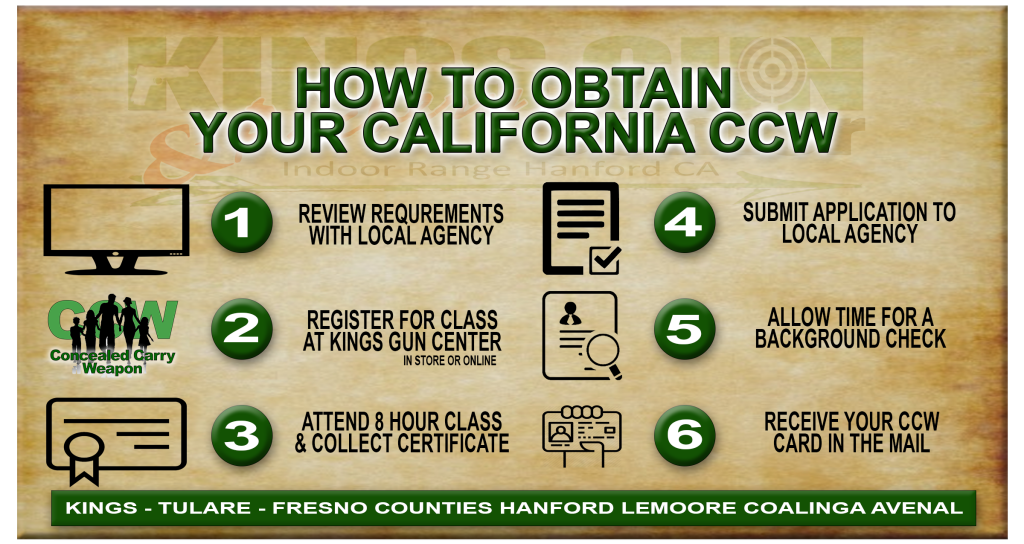
Meeting these criteria is just the starting point. The journey to obtaining a California CCW is an intensive process, demanding patience, diligence, and a thorough understanding of local and state regulations.
The Application Process: A Step-by-Step Guide for the Discerning Explorer
Obtaining a CCW in California is not a quick endeavor. It’s a multi-stage process that can take several months, sometimes even over a year, depending on the issuing authority’s backlog and procedures. Approaching this process with meticulous attention to detail, much like planning a complex travel itinerary or securing specific accommodation, will significantly improve your chances of success.
Initial Steps: Researching Your Local Issuing Authority
The first crucial step is to identify your issuing authority. If you reside within city limits, your local police department is typically the authority. If you live in an unincorporated area of a county, the county sheriff’s department is responsible.
It is imperative to visit the official website of your specific issuing authority – for example, the Los Angeles County Sheriff’s Department or the San Diego County Sheriff’s Department. Each agency will have its own specific application forms, additional requirements, and local procedures. Some counties have moved to online application portals, while others still require paper submissions. Pay close attention to any localized policies on “good cause,” as these can significantly influence the outcome.
Documentation and Interviews: Preparing Your Case
Once you understand the specific requirements, the next phase involves gathering extensive documentation and preparing for an in-depth interview.
- Application Form: Complete the standard California CCW application form, which requests personal information, residency details, criminal history, and often a section to articulate your “good cause.”
- Proof of Residency: Provide documents like utility bills, driver’s license, or lease agreements to confirm your county residency.
- Identification: A valid California driver’s license or ID card.
- Fingerprinting (LiveScan): All applicants must undergo electronic fingerprinting via LiveScan. This transmits your fingerprints to the California Department of Justice (DOJ) and the FBI for a comprehensive background check. You’ll receive a form with an ATI number, which you’ll need to provide to your issuing agency.
- Personal Interview: This is a critical stage. An officer or detective from the issuing authority will conduct an interview to discuss your application, verify information, and delve into your “good cause” statement. Be prepared to articulate clearly and concisely why you believe you need a CCW, focusing on specific threats or circumstances relevant to your lifestyle or occupation. This is your opportunity to present yourself as a responsible, law-abiding citizen.
- Psychological Evaluation (Optional): Some counties may require a psychological evaluation as part of their assessment of “good moral character” and mental fitness to carry a firearm.
Accuracy and honesty in all documentation and during the interview are paramount. Any discrepancies or misleading information can lead to immediate denial and potentially other legal consequences.

Training and Fees: Investing in Your Preparedness
The financial and time investment for a California CCW is substantial, akin to investing in a premium travel experience or a long-term luxury accommodation – it’s about preparedness and peace of mind.
- Training Course: Upon conditional approval (or sometimes earlier, depending on the county), you will need to complete the state-mandated firearms training course. This course typically covers:
- Legal Aspects: In-depth review of California and federal laws pertaining to the use of deadly force, concealed carry restrictions, and storage requirements.
- Firearm Safety: Safe handling, storage, and maintenance practices.
- Marksmanship: Practical shooting instruction and qualification on a firing range with each firearm listed on your permit. You must qualify with each firearm you intend to carry.
- Fees: Several fees are associated with the CCW process:
- Application Fee: Varies by county, generally ranging from $100-$300.
- LiveScan Fingerprinting Fee: Typically around $75-$100.
- Training Course Fee: This is often the most significant cost, ranging from $200-$500 or more, depending on the instructor and course length.
- Permit Issuance Fee: Once approved, an additional fee is required for the actual permit.
The entire process, from application submission to permit issuance, can stretch anywhere from 90 days to over a year. Patience is a virtue when pursuing a CCW in California.
CCW and Travel: Navigating California’s Diverse Regions
For the lifestyle traveler, having a CCW adds a layer of consideration to journeys within California and beyond. Understanding where and how you can legally carry is just as important as obtaining the permit itself.
Carrying in Different Environments: From Urban Hubs to Wilderness Trails
California’s CCW laws include numerous “sensitive places” where carrying a firearm, even with a permit, is strictly prohibited. These restrictions are in place regardless of your permit status and are critical for any permit holder to memorize.
Common prohibited locations include:
- Schools and Universities: K-12 schools, colleges, and university campuses.
- Government Buildings: State and local government buildings, courthouses, and polling places.
- Airports: Inside the sterile areas of airports like Los Angeles International Airport or San Francisco International Airport, and often on airport property in general.
- Public Transportation: On buses, trains, and other public transit vehicles.
- Certain Private Establishments: Any private business that posts “no firearms” signs, or places like bars where alcohol is consumed.
- Amusement Parks: Major attractions such as Disneyland and Universal Studios Hollywood strictly prohibit firearms.
- Designated “Sensitive Places”: California has recently expanded its definition of sensitive places, including hospitals, public libraries, museums, stadiums, and places of worship, making it significantly harder to carry legally in many public spaces.
However, a CCW can offer a sense of security when exploring California’s vast wilderness areas, such as backpacking in Sequoia National Park or exploring the remote beauty of Joshua Tree National Park. While federal law allows concealed carry in national parks as per state law (meaning your California CCW is valid), it’s essential to understand specific park regulations and local ordinances which may still apply. Always verify rules for each specific national park or wilderness area. When staying in various types of accommodation, such as hotels, resorts, or apartments, adhere to their specific policies regarding firearms, which should be respected as private property rules.
Inter-County and Inter-State Travel Considerations
A California CCW is generally valid statewide within California’s borders. This means a permit issued in San Diego County is valid in Sacramento or Big Sur, subject to the state’s “sensitive place” restrictions.
However, California does not have reciprocity agreements with any other states. This means your California CCW is generally not recognized outside of California. For travelers planning journeys beyond the Golden State, understanding the specific CCW laws of each destination state is critical. Many states have “permitless carry” or “reciprocity” laws, but traveling with a firearm across state lines, especially in a vehicle, involves complex federal and state regulations. Always research the laws of your destination and any states you will pass through. Ignorance of the law is not a defense and can lead to serious legal consequences.
Beyond the Permit: Responsible Carrying and Lifestyle Integration
Obtaining a CCW in California is not merely acquiring a piece of plastic; it’s adopting a significant responsibility. For those who value a lifestyle of preparedness and responsible self-reliance, this permit becomes an integral part of their approach to safety, particularly when exploring new destinations or seeking unique experiences.
Continued Training and Awareness: A Commitment to Safety
The initial training course is just the beginning. Responsible CCW holders commit to ongoing training and practice. This includes:
- Regular Range Practice: Maintaining proficiency with your firearm is essential. This builds muscle memory, improves accuracy, and ensures confidence in handling your weapon under stress.
- Advanced Training: Consider courses in defensive pistol skills, low-light shooting, or tactical scenarios.
- Legal Updates: Stay informed about changes in California and federal gun laws. Laws are dynamic, especially in California, and what was legal one year may not be the next. Organizations specializing in Second Amendment rights often provide updates.
- Situational Awareness: A firearm is a last resort. Continuous development of situational awareness, de-escalation skills, and understanding threat assessment are paramount. This vigilance is also a valuable trait for any traveler navigating unfamiliar places and cultures, whether in bustling San Francisco or the quiet trails of Death Valley National Park.
Making Informed Decisions for Your California Journeys
Ultimately, the decision to pursue and carry a CCW in California is a deeply personal one, driven by an individual’s assessment of their safety needs and lifestyle. While the process is undeniably challenging and demanding, for some, it provides an enhanced sense of security that complements their desire for exploration and freedom.
Whether your California adventures take you to the bustling shores of Santa Barbara, the serene beauty of Lake Tahoe, the artistic charm of Palm Springs, or the majestic forests of Redwood National Park, a CCW, responsibly obtained and carried, can be an element of a prepared and confident approach to life. It empowers individuals to take personal responsibility for their safety, allowing them to fully immerse themselves in the rich tapestry of California’s offerings with greater peace of mind. Always remember that possessing a CCW demands the highest level of responsibility, sound judgment, and unwavering adherence to the law.
LifeOutOfTheBox is a participant in the Amazon Services LLC Associates Program, an affiliate advertising program designed to provide a means for sites to earn advertising fees by advertising and linking to Amazon.com. Amazon, the Amazon logo, AmazonSupply, and the AmazonSupply logo are trademarks of Amazon.com, Inc. or its affiliates. As an Amazon Associate we earn affiliate commissions from qualifying purchases.