
Embarking on a career in real estate in California presents an exciting pathway to a dynamic lifestyle, financial independence, and the opportunity to engage with one of the world’s most vibrant property markets. From the sun-drenched beaches of San Diego to the bustling urban centers of Los Angeles and San Francisco, California offers an unparalleled diversity of properties and clients. For those with a passion for helping people find their dream homes, investment opportunities, or unique accommodation solutions, a real estate license here is your golden ticket. This comprehensive guide will walk you through every step of obtaining your real estate salesperson license, detailing the requirements, the application process, the exam, and how this career choice can align perfectly with a lifestyle valuing flexibility, travel, and a deep engagement with diverse communities and properties.
Charting Your Course: Essential Steps to Licensure
The journey to becoming a licensed real estate professional in the Golden State begins with understanding and fulfilling specific foundational requirements. These ensure that every agent operating in California is knowledgeable, ethical, and prepared to serve the public.
Meeting the Prerequisites: Eligibility and Character
Before you even begin your coursework, it’s crucial to confirm you meet the basic eligibility criteria set forth by the state. The California Department of Real Estate (DRE) maintains a clear set of standards to uphold the integrity of the profession.
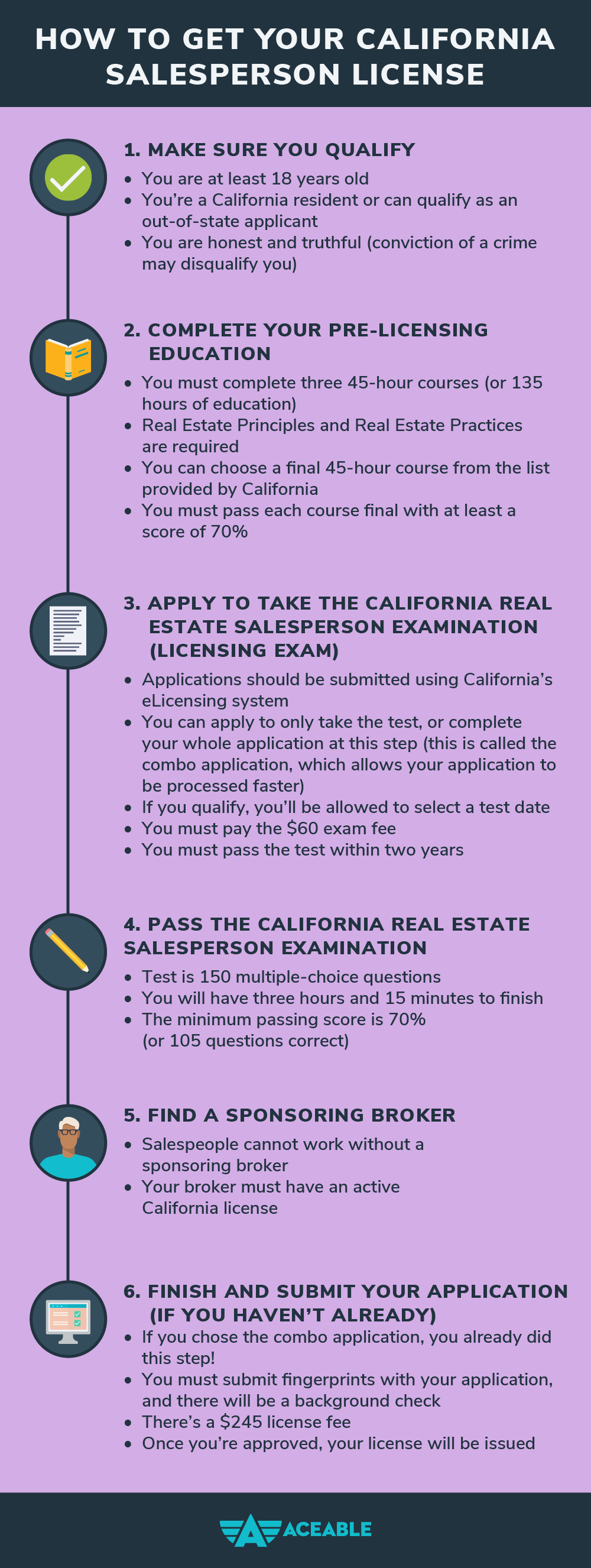
Firstly, you must be at least 18 years of age or older. There is no upper age limit, making this a viable career path for individuals at any stage of life, whether you’re a recent graduate or seeking a fulfilling second career. Secondly, you need to be either a U.S. citizen or a legal alien. What’s particularly interesting for those considering a move or maintaining residency elsewhere is that residency in California is not strictly required to obtain a license. However, if you are not a California resident, you must file a “Consent To Service Of Process” form with the DRE. This form legally designates the DRE as your agent for service of process in any legal action that might arise, ensuring accountability regardless of your physical location.
Perhaps the most critical, and often most scrutinized, requirement is proof of honesty and integrity. The DRE is committed to licensing individuals who can be trusted with significant financial transactions and client welfare. This generally translates to a clean criminal record, free of serious convictions that could indicate a lack of trustworthiness. To verify this, the DRE conducts a thorough background check, which includes a fingerprinting process known as Live Scan. Your fingerprints are submitted to both the FBI and the Department of Justice for a comprehensive review of your criminal history. This rigorous check underscores the importance of ethical conduct in the real estate profession, ensuring that clients can confidently work with licensed agents.
Building Your Foundation: The Educational Pathway
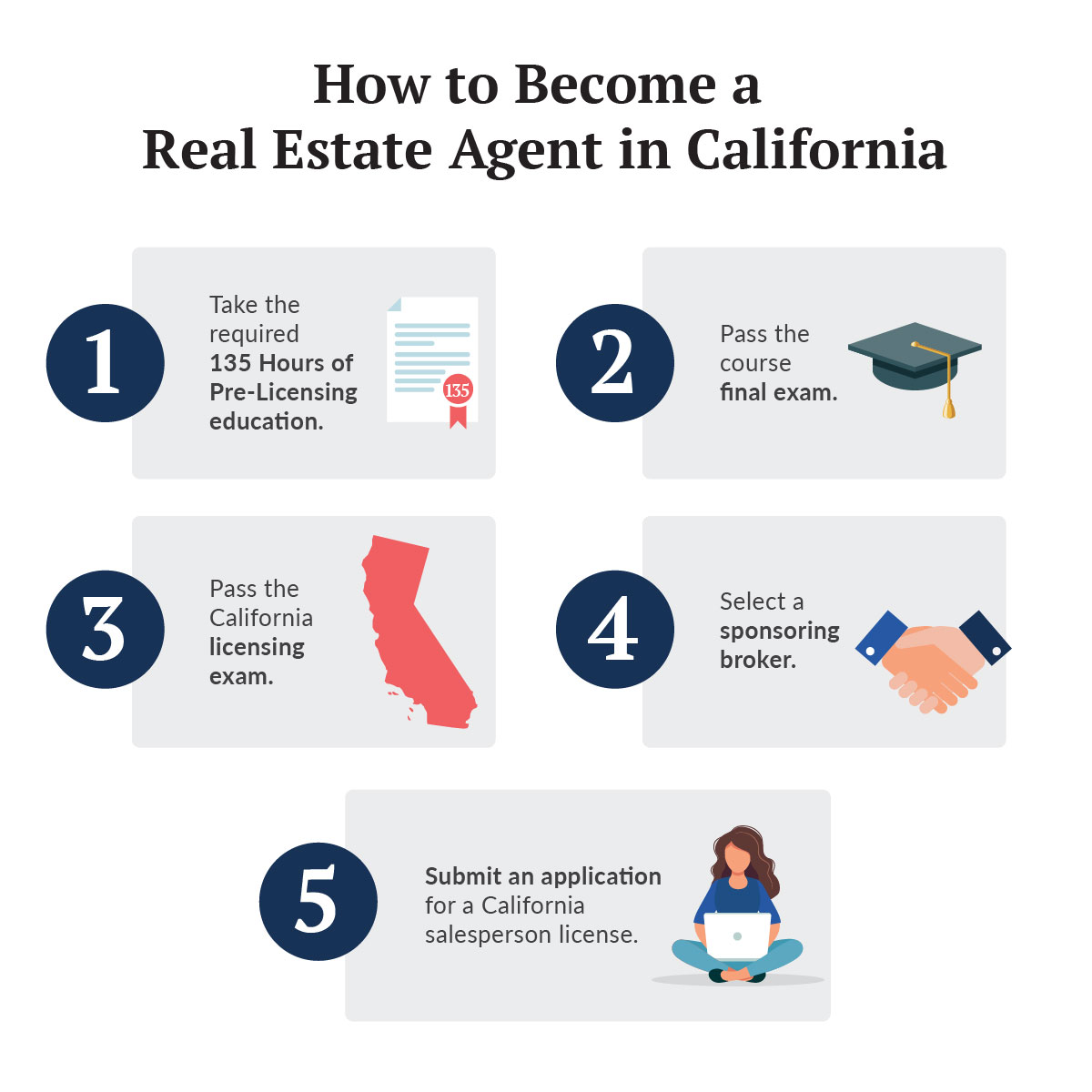
Once you’ve confirmed your eligibility, the next significant step is to complete the required educational curriculum. This academic foundation is designed to equip you with the fundamental knowledge and practical skills necessary to navigate the complexities of real estate transactions. To qualify for the salesperson exam, you must successfully complete three 3-semester unit courses:
- Real Estate Principles: This foundational course delves into the fundamental concepts of real estate. It covers property rights, types of ownership, legal descriptions, contracts, agency relationships, and the economic principles that govern the real estate market. It’s the theoretical bedrock upon which your career will be built.
- Real Estate Practice: Moving beyond theory, this course focuses on the practical aspects of real estate transactions. You’ll learn about listing agreements, marketing properties, working with buyers, understanding financing options, and the escrow and closing processes. This course is vital for understanding the day-to-day operations of an agent.
- One Elective Course: To broaden your expertise, you must choose one additional course from a pre-approved list. This allows you to tailor your education to areas of particular interest or future specialization. Popular elective options include:
- Real Estate Appraisal: Understanding how property values are determined.
- Real Estate Finance: Exploring mortgage options, lending practices, and investment strategies.
- Legal Aspects of Real Estate: A deeper dive into property law, contracts, and dispute resolution.
- Real Estate Economics: Analyzing market trends and economic impacts on property.
- Real Estate Property Management: Skills for managing rental properties.
- Escrows: A detailed look at the escrow process.
- Advanced Real Estate Principles: For those seeking a more in-depth theoretical understanding.
These courses can be completed through an accredited college or a DRE-approved private real estate school. For individuals with a dynamic lifestyle, including those who travel frequently or balance other commitments, many online options are available. This flexibility is a significant advantage, allowing aspiring agents to complete their coursework at their own pace and from virtually any location, whether at home, in a quiet hotel suite during a business trip, or while enjoying a long-term stay in a new destination. The accessibility of online learning means your pursuit of a California real estate license doesn’t have to put your travel plans or current lifestyle on hold.
Navigating the Application and Exam Process
With your educational requirements met, the next phase involves formalizing your application to take the state exam and then conquering the test itself. This is where your hard work begins to pay off and you move closer to professional licensure.
From Courses to Application: The Gateway to Your Exam
Upon successful completion of your three required courses, the focus shifts to applying for the real estate salesperson exam. This is a critical administrative step that requires attention to detail. You will need to submit a comprehensive application package to the DRE, which typically includes:
- An application form: This form gathers your personal information, declares your eligibility, and confirms your understanding of the requirements.
- Transcripts or certificates of completion: Official proof that you have successfully passed all three required courses. These must be from an accredited institution or a DRE-approved school.
- The appropriate fee: There is a non-refundable fee associated with the exam application.
- Completion of the fingerprinting process (Live Scan): As mentioned earlier, this is essential for the background check. It’s usually done before or concurrently with your exam application. The Live Scan form needs to be processed, and the results are sent directly to the DRE from the FBI and Department of Justice. This part of the process can take approximately 2-3 weeks to complete, so it’s often advisable to initiate the Live Scan early in your study period to avoid delays in scheduling your exam.
Once your complete application, including the background check results, has been reviewed and approved by the DRE, you will receive an Authorization to Take Exam letter. This is your official green light to schedule your test.
Conquering the Exam: Scheduling and Success Strategies
Receiving your Authorization to Take Exam letter is an exciting milestone. It means you’re ready to prove your knowledge and earn your license. You can now schedule your exam at one of the DRE testing centers located strategically across California. These centers include major cities like Sacramento, Los Angeles, Oakland, Fresno, and San Diego, offering convenient options regardless of where you reside or are traveling within the state.
The real estate salesperson exam is a rigorous test designed to ensure you possess a comprehensive understanding of real estate principles and practices in California. The exam is 3 hours and 15 minutes long and consists of 150 multiple-choice questions. These questions cover a wide array of topics derived from your coursework, including property ownership, contracts, agency, financing, valuation, and real estate law specific to California. To pass, you must answer at least 70% of the questions correctly.
Preparation is key to success. Utilize practice exams, review your course materials thoroughly, and consider joining study groups. Many online real estate schools also offer exam prep courses that simulate the actual testing environment. On the day of the exam, arrive early, be well-rested, and read each question carefully. You’ll be notified of your results immediately upon completion of the exam. If you pass, congratulations! You’re one step closer to becoming a licensed agent. If you don’t pass on your first attempt, don’t be discouraged. You can reapply to retake the exam, and many successful agents achieve their license after multiple attempts.

The Allure of California Real Estate: A Lifestyle Perspective
Obtaining a California real estate license is not just about a job; it’s about unlocking a new lifestyle. The state’s diverse geography, culture, and economy create a unique environment for real estate professionals that aligns seamlessly with themes of travel, accommodation, and a dynamic way of living.
Diversity in Property and Opportunity
California’s real estate market is incredibly varied, offering agents opportunities to specialize in niches that resonate with their interests and the website’s focus. You could be assisting clients looking for luxury homes in exclusive neighborhoods like Beverly Hills, catering to a high-end lifestyle often associated with extravagant travel and premium accommodation experiences. Alternatively, your focus might be on vibrant city apartments in bustling metropolises such as San Francisco or Los Angeles, appealing to urban professionals or those seeking a dynamic cultural experience.
The state is also a prime location for vacation rentals and investment properties. Imagine helping clients find the perfect seasonal getaway in the desert oasis of Palm Springs, a picturesque beachfront condo, or a cabin near a natural landmark. This directly ties into the “Hotels,” “Tourism,” and “Accommodation” categories, as agents often facilitate transactions for properties that serve as income-generating vacation homes or provide unique long-term stay options for discerning travelers. The sheer variety of architectural styles, property types, and market segments means that a real estate career in California is rarely monotonous; it’s an ongoing adventure in understanding diverse needs and desires.
A Career Empowering Travel and Flexibility
One of the most appealing aspects of a real estate career in California is the potential for flexibility and independence, which can profoundly enhance your lifestyle and facilitate travel. Unlike traditional 9-to-5 roles, real estate often allows you to manage your own schedule, set your own hours, and dictate where and how you work. This autonomy can translate into more opportunities for personal travel, whether it’s exploring new destinations within California or venturing abroad.
For those passionate about travel, being a real estate agent can mean combining work with your wanderlust. You might assist out-of-state or international clients relocating to California, requiring you to understand different cultures and expectations. You could work with investors interested in properties that can also serve as short-term rentals, essentially blending the worlds of real estate and tourism. The ability to work remotely or on the go, utilizing digital tools and online platforms, means that your “office” can be anywhere, from a cozy café in Oakland to a resort lounge during a well-deserved break. This freedom makes real estate an attractive profession for those who prioritize a lifestyle that seamlessly integrates work, personal passions, and the joy of discovery.
From Passage to Practice: Launching Your Career
Passing the exam is a monumental achievement, but it’s not the final step. The immediate aftermath involves securing your official license and finding the right professional environment to thrive.
Securing Your License and Brokerage Affiliation
Once you receive notice that you have passed the salesperson exam, the final administrative hurdle is to submit your final license application, along with an additional fee, to the DRE. After processing, the DRE will issue your official real estate salesperson license. This physical document is your official credential, signifying that you are legally authorized to perform real estate activities in the state of California.
However, possessing the license is only part of the equation. To legally represent clients and engage in real estate transactions, you must be employed by a licensed real estate broker. A broker serves as your supervising entity, providing guidance, resources, and legal oversight for your transactions. Choosing the right brokerage is a crucial decision, as it will impact your training, support network, marketing opportunities, and overall career trajectory. Many new agents seek out brokerages known for robust mentorship programs, extensive training resources, and a strong company culture that aligns with their professional aspirations and lifestyle goals. This affiliation is the bridge between your academic achievement and your active participation in California’s bustling real estate market.
In conclusion, obtaining a real estate license in California is a structured journey that demands dedication to education, meticulous attention to application details, and diligent exam preparation. However, the rewards extend far beyond mere professional accreditation. It’s an invitation to a dynamic career that offers immense flexibility, financial independence, and the profound satisfaction of helping individuals navigate the exciting world of property in one of the most desirable locations globally. Whether you dream of selling luxury resorts, finding perfect family homes, or managing unique short-term accommodation options, a California real estate license opens doors to a truly enriched lifestyle, empowering you to blend work with your passion for travel, diverse properties, and a life well-lived.
LifeOutOfTheBox is a participant in the Amazon Services LLC Associates Program, an affiliate advertising program designed to provide a means for sites to earn advertising fees by advertising and linking to Amazon.com. Amazon, the Amazon logo, AmazonSupply, and the AmazonSupply logo are trademarks of Amazon.com, Inc. or its affiliates. As an Amazon Associate we earn affiliate commissions from qualifying purchases.