
California, a land of unparalleled natural beauty, iconic cities, and diverse landscapes, consistently ranks as a top global destination for travelers seeking everything from sun-kissed beaches to towering redwood forests. However, beneath this vibrant facade lies a recurring environmental concern: drought. The question, “Is California in a drought?”, is not just a scientific query but one that profoundly impacts its environment, economy, and critically, the experience of its countless visitors. Understanding the state’s water situation is crucial for any discerning traveler planning a trip, not just for practical reasons but also to foster a deeper appreciation for sustainable tourism and responsible exploration.
California’s water story is complex, shaped by its Mediterranean climate, vast agricultural industry, and burgeoning urban centers. The state relies heavily on its annual snowpack in the Sierra Nevada mountains, which melts in spring and summer, feeding its extensive network of rivers, reservoirs, and aquifers. This natural system, while robust, is inherently vulnerable to climatic shifts, leading to periods of prolonged dryness. The narrative of drought in California is less about an “on” or “off” switch, and more about a spectrum of severity, with periods of intense dryness interspersed with years of bountiful rainfall. As we delve into the nuances of this environmental challenge, we’ll explore its current status, its tangible effects on the travel and tourism industry, and how visitors can continue to enjoy the Golden State responsibly, embracing a lifestyle of mindful travel.

Understanding California’s Dynamic Water Landscape
California’s climate is famously cyclical, oscillating between wet and dry years. This natural variability means that drought is not an anomaly but an intrinsic part of the state’s ecological rhythm. For centuries, indigenous communities adapted to these fluctuations, and modern California has built an impressive, albeit strained, infrastructure to manage its precious water resources. However, recent decades have seen these dry periods become more frequent, intense, and prolonged, raising concerns about the long-term sustainability of the state’s water supply in the face of climate change.
The Cyclical Nature of Water in the Golden State
The primary source of California’s water is the snow and rain that falls in the Sierra Nevada and other mountain ranges. This precipitation accumulates as snowpack, a natural reservoir that slowly releases water into rivers and streams as temperatures rise. This meltwater then flows into a vast system of man-made reservoirs, which store water for agricultural, urban, and environmental uses throughout the year. The health of this system is often measured by the “water year,” which runs from October 1st to September 30th, indicating whether rainfall and snowpack levels are above or below average. A deficit over several consecutive water years typically signals a drought.
Historically, California has weathered significant droughts, with records showing periods of extreme dryness lasting for years, even decades, in the distant past. These natural cycles shaped the unique ecosystems of the state, from the arid Mojave Desert to the Mediterranean chaparral. Today, however, the added pressures of a growing population, extensive agricultural demands, and the undeniable impacts of global climate change mean that each drought period presents a more significant challenge. Warmer temperatures lead to less snowpack and more rain, which runs off quickly, reducing the natural storage capacity and increasing the risk of both floods and subsequent droughts.
Current Drought Status and Metrics
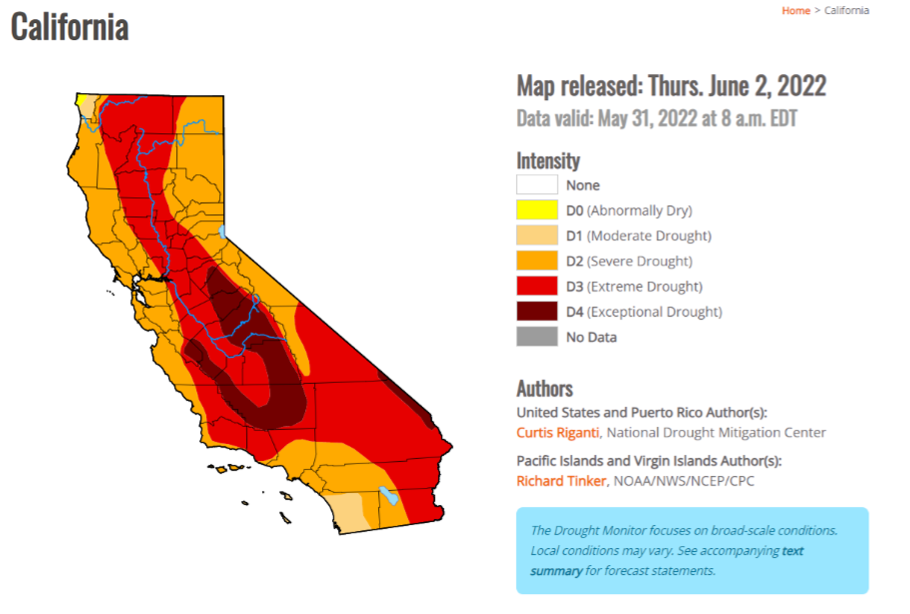
As of recent assessments, California has experienced a period of significant recovery from previous extreme drought conditions, thanks to a series of exceptionally wet winters. This influx of precipitation has dramatically refilled many of the state’s key reservoirs, boosting snowpack levels and improving groundwater conditions in some areas. News reports often highlight the impressive sight of full reservoirs and snow-capped peaks, a welcome change from the stark images of parched landscapes and low water levels that characterized earlier drought years.
However, the state’s water experts and policymakers caution against complacency. While the immediate crisis may have eased, the underlying vulnerability to drought remains. The state’s Department of Water Resources (DWR) consistently monitors various metrics, including reservoir levels, snowpack percentages, and groundwater basins. These reports often reveal that while surface water supplies may be robust, many groundwater basins, which were heavily overdrafted during previous droughts, still face significant deficits. Furthermore, the increasing frequency of “whiplash” weather patterns – extreme swings between very wet and very dry conditions – suggests that future droughts are not a matter of if, but when. For travelers, this means that while current conditions might be favorable, the long-term imperative for water conservation remains a critical lifestyle consideration in California.

The Impact on California’s Tourism and Travel Experience
The fluctuating water levels and the imperative for conservation inevitably ripple through California’s robust tourism industry. While a drought doesn’t mean the state closes its doors to visitors, it certainly influences certain types of experiences and necessitates a shift in how travelers approach their exploration. Understanding these impacts helps visitors make informed choices, ensuring their trip is both enjoyable and responsible.
Natural Wonders and Outdoor Adventures
California is world-renowned for its breathtaking natural landmarks and outdoor activities. From the majestic waterfalls of Yosemite National Park to the serene waters of Lake Tahoe and the ancient groves of Sequoia National Park, these natural attractions are often intimately connected to the state’s water levels. During severe drought periods, the visual spectacle of Yosemite’s waterfalls can diminish dramatically, sometimes reduced to mere trickles or disappearing entirely by late summer. Lakes like Lake Tahoe might see their shorelines recede, impacting boating access and beach areas. Rivers, popular for whitewater rafting and fishing, can experience lower flows, leading to seasonal closures or reduced activity options.
Even the hiking experience can be affected. Drought-stressed forests are more susceptible to wildfires, leading to trail closures or hazy conditions. Travelers venturing into drier regions like Joshua Tree National Park or Death Valley National Park might find an even more parched landscape, though these environments are naturally adapted to aridity. While recent wet years have brought renewed vitality to many of these areas, restoring waterfalls and filling lakes, it’s always wise for travelers to check the latest conditions before embarking on water-dependent activities or visiting fire-prone regions. Many national parks and state parks provide real-time updates on their websites, an invaluable resource for planning.
Urban and Coastal Destinations
Fortunately, the impact of drought on California’s vibrant urban centers and iconic coastal destinations is often less direct and more managed. Cities like Los Angeles, San Francisco, and San Diego have implemented robust water conservation measures, from incentivizing drought-resistant landscaping to upgrading municipal infrastructure. Visitors will still find their favorite attractions fully operational, whether it’s walking across the Golden Gate Bridge, exploring the museums of Hollywood, or enjoying the theme parks like Disneyland.
Hotels and resorts, from luxury accommodations in Beverly Hills to charming boutique hotels in Big Sur, have also embraced water-saving practices. Guests might notice suggestions for reusing towels and linens, low-flow showerheads, or drought-tolerant landscaping. Swimming pools and spas remain open, as the amount of water they use is a small fraction of overall municipal consumption, and many employ efficient recycling systems. Similarly, the world-renowned wine regions of Napa Valley and Sonoma County, while reliant on water for their vineyards, have developed sophisticated irrigation techniques and vineyard management practices to minimize water use, ensuring that the wine tasting and culinary experiences remain unparalleled. The coastal beauty, from the rugged cliffs of Big Sur to the sandy shores of Santa Monica, remains entirely unaffected by water scarcity, offering endless opportunities for relaxation and recreation along the Pacific Ocean.
Responsible Travel in a Water-Conscious State
Traveling to California during any water condition presents a unique opportunity for visitors to practice sustainable tourism and engage in a water-conscious lifestyle. It’s about recognizing that every drop counts and that responsible choices, however small, contribute to the larger conservation effort. This approach not only helps preserve the natural beauty that draws millions to the state but also enriches the travel experience, fostering a deeper connection with the destination.
Choosing Sustainable Accommodation
One of the most impactful choices a traveler can make is selecting accommodations that prioritize water conservation. Many hotels, resorts, and vacation rentals across California have implemented impressive water-saving initiatives as part of their broader environmental sustainability programs. When booking, look for establishments that highlight their green practices. These might include:
- Linen and Towel Reuse Programs: Encouraging guests to reuse towels and sheets to reduce laundry frequency and water consumption.
- Low-Flow Fixtures: Installing water-efficient showerheads, toilets, and faucets in guest rooms and common areas.
- Drought-Resistant Landscaping: Replacing thirsty lawns with native, water-wise plants that require minimal irrigation, particularly evident in desert destinations like Palm Springs.
- Smart Irrigation Systems: Utilizing technology to irrigate landscapes only when necessary, based on weather conditions and soil moisture.
- Water Recycling and Treatment: Some properties, especially larger resorts, may invest in on-site greywater recycling systems for landscaping or even advanced wastewater treatment for non-potable uses.
By opting for such accommodations, travelers directly support businesses committed to environmental stewardship. Many booking platforms now allow filtering for eco-friendly hotels, making it easier to find places that align with a water-conscious lifestyle. A quick check of a hotel’s website for their sustainability page can also provide valuable insights into their water conservation efforts.
Mindful Exploration and Activities
Beyond accommodation, everyday choices during your trip can significantly contribute to water conservation. Adopting mindful habits not only helps the environment but can also encourage a more deliberate and appreciative travel experience.
- Take Shorter Showers: This is perhaps the most direct way to save water in your hotel room. A few minutes less under the shower can make a big difference over the course of a stay.
- Report Leaks: If you notice a dripping faucet or a running toilet in your room or public areas, promptly report it to hotel staff.
- Respect Local Water Restrictions: When visiting local communities, be aware of any posted water restrictions, especially in drought-affected areas. This might include limitations on car washing, landscape watering, or even specific times for using outdoor fountains.
- Support Eco-Tourism Operators: Choose tour operators and activity providers that emphasize sustainable practices. This could mean guides who educate visitors about local ecosystems and conservation needs, or companies that use low-impact equipment.
- Stay on Trails: When hiking in national or state parks, staying on marked trails helps protect fragile ecosystems, preventing soil erosion which can impact water quality and retention.
- Pack Reusable Water Bottles: Instead of buying bottled water, use a reusable bottle and refill it at water stations, reducing plastic waste and supporting municipal water systems.
Engaging with local culture also means understanding and respecting the community’s environmental challenges. By being a mindful visitor, you become an ally in California’s ongoing efforts to manage its precious water resources, contributing positively to the destination you’ve chosen to explore.
Supporting Local Efforts
Tourism is a cornerstone of California’s economy, and supporting local businesses can indirectly aid water conservation efforts. The revenue generated from tourism helps fund state and local initiatives, including investments in water infrastructure upgrades, conservation programs, and environmental research. When you dine at local restaurants, shop at independent boutiques, or visit state-run attractions, your spending contributes to this economic cycle.
Furthermore, many communities and non-profit organizations are actively involved in water stewardship. Engaging with interpretive centers in national parks, visiting local science museums, or simply learning about California’s water history (e.g., at the California State Capitol Museum in Sacramento) can deepen your understanding and appreciation. Some attractions even offer volunteer opportunities for visitors to participate directly in conservation projects, offering a unique and rewarding experience. By choosing to travel to California and acting as a responsible visitor, you play a small but significant role in helping the state navigate its water challenges and maintain its environmental integrity.
Beyond the Drought: California’s Enduring Appeal
Despite the ongoing conversations and management of its water resources, California’s allure as a travel destination remains undiminished. The Golden State is a testament to resilience, innovation, and an unparalleled diversity that transcends any single environmental challenge. Its appeal lies not just in its natural wonders but also in its vibrant culture, culinary excellence, pioneering spirit, and the sheer variety of experiences it offers.
From the sun-drenched beaches along the Pacific Ocean to the snow-capped peaks of the Sierra Nevada, the ancient forests of the north to the stark beauty of the Mojave Desert, California offers a kaleidoscope of landscapes. Its cities, like San Francisco with its iconic Golden Gate Bridge and Los Angeles with its Hollywood glamour and entertainment, are global hubs of innovation, arts, and lifestyle trends. The state’s culinary scene, fueled by its rich agricultural bounty, continues to attract gourmands worldwide, from farm-to-table restaurants in Napa Valley to diverse street food in San Diego.
The people of California and its tourism industry have repeatedly demonstrated their adaptability and commitment to sustainable practices. They understand the importance of balancing economic prosperity with environmental stewardship. While water challenges are a constant consideration, they do not define the entirety of the California experience. Instead, they foster a deeper appreciation for the state’s natural resources and inspire innovative solutions that often set precedents for the rest of the world.
In conclusion, the answer to “Is California in a drought?” is a nuanced one, often depending on current weather patterns and long-term water management perspectives. While recent years have brought significant relief, the underlying reality is that California is a state that will always need to manage its water resources carefully. For travelers, this means an opportunity to embrace sustainable practices, support responsible businesses, and explore the state’s wonders with a heightened sense of environmental awareness. The enduring spirit of California continues to shine brightly, inviting visitors to experience its magic while contributing to its ongoing legacy of resilience and natural beauty. By choosing to be a conscious traveler, you not only enjoy an unforgettable trip but also help ensure that the Golden State remains vibrant and thriving for generations to come.
LifeOutOfTheBox is a participant in the Amazon Services LLC Associates Program, an affiliate advertising program designed to provide a means for sites to earn advertising fees by advertising and linking to Amazon.com. Amazon, the Amazon logo, AmazonSupply, and the AmazonSupply logo are trademarks of Amazon.com, Inc. or its affiliates. As an Amazon Associate we earn affiliate commissions from qualifying purchases.