
Embarking on a journey to a new city, whether for leisure or business, involves a multitude of preparations, from securing the perfect accommodation to crafting an exciting itinerary. Yet, one often-overlooked detail that can significantly impact your experience is understanding the local time zone. For those planning a visit to the vibrant metropolis of Dallas, Texas, knowing the correct time zone is crucial for seamless travel, effective planning, and fully immersing oneself in the local rhythm. Dallas, a dynamic hub in the heart of the United States, operates within a specific time zone that dictates everything from flight schedules to museum opening hours and the city’s bustling nightlife. This comprehensive guide will not only pinpoint the exact time zone in Dallas but also explore its practical implications for travelers, tourists, and anyone considering a longer stay, weaving in insights relevant to hotels, landmarks, and lifestyle.
Understanding Dallas’s Time Zone: Central Time
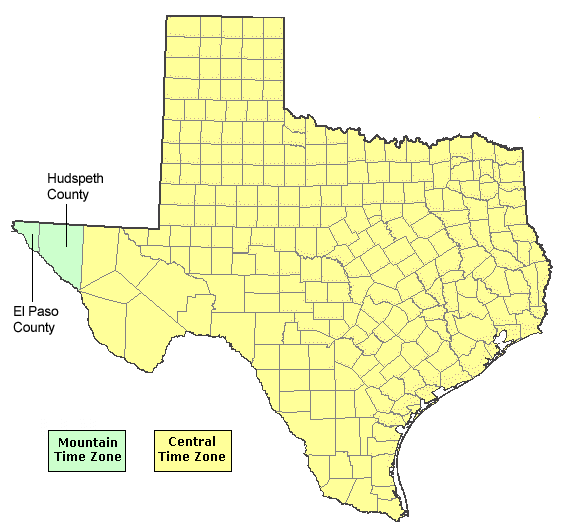
At its core, Dallas adheres to the Central Time Zone. This is one of the six standard time zones observed across the United States and Canada, primarily covering the central states. However, the Central Time Zone itself is not static; it gracefully shifts between two designations throughout the year: Central Standard Time (CST) and Central Daylight Time (CDT), depending on the observance of Daylight Saving Time.
Central Standard Time (CST) vs. Central Daylight Time (CDT)
During the majority of the year, specifically the colder months, Dallas operates on Central Standard Time (CST). This is universally recognized as UTC-6, meaning it is six hours behind Coordinated Universal Time (UTC). UTC is the primary time standard by which the world regulates clocks and time, acting as the successor to Greenwich Mean Time (GMT).
However, as spring blooms and the days grow longer, Dallas, like much of the United States, transitions to Central Daylight Time (CDT). This shift typically occurs on the second Sunday in March when clocks “spring forward” by one hour. Consequently, CDT is UTC-5, making Dallas only five hours behind Coordinated Universal Time. This change effectively grants an extra hour of daylight in the evenings, a popular measure for commerce and outdoor activities.
The Annual Shift: Navigating Daylight Saving Time
The transition to and from Daylight Saving Time is a regular occurrence that travelers need to be mindful of. The “spring forward” to CDT happens on the second Sunday in March, while the “fall back” to CST takes place on the first Sunday in November. For example, if you’re planning a trip to Dallas around these dates, it’s crucial to confirm whether the time change will affect your arrival or departure times, hotel check-ins, or scheduled tours. An hour’s difference can mean missing a connection or arriving late for a booked experience. This annual ritual, while often seen as a minor inconvenience, plays a significant role in the daily operations of businesses, travel services, and even the natural rhythm of life in the city. Understanding this pattern ensures that your travel plans, particularly those involving international flights or connecting through different U.S. time zones like New York (Eastern Time) or Los Angeles (Pacific Time), remain perfectly aligned.

The Practical Impact of Dallas’s Time Zone on Travel and Tourism
For any traveler, especially those visiting Dallas from different time zones, the Central Time Zone has numerous practical implications that extend beyond simply knowing what time it is. It influences how you plan your itinerary, manage communication, and even how you experience the local culture. A well-prepared traveler integrates this knowledge into every aspect of their journey, ensuring a smooth and enjoyable visit.
Seamless Itinerary Planning: Flights, Check-ins, and Attractions
When planning a trip to Dallas, coordinating arrival and departure times is paramount. Flights arriving at Dallas/Fort Worth International Airport (DFW) or Dallas Love Field (DAL) will always operate on local Dallas time. This means if you’re flying from the East Coast, you’ll gain two hours upon arrival, potentially feeling an initial burst of energy. Conversely, West Coast travelers will lose two hours, making early morning meetings or activities a bit more challenging initially.
Hotel check-in and check-out times, which are typically in the afternoon and morning respectively, are strictly enforced according to local Dallas time. If you arrive early, understanding the time difference can help manage expectations for early check-in or facilitate planning for luggage storage while you explore nearby attractions like Klyde Warren Park. Similarly, knowing the time allows you to maximize your last day by planning activities around your flight schedule. Many hotels, from luxury resorts like The Ritz-Carlton, Dallas to business-focused establishments like Hyatt Regency Dallas, are accustomed to guests arriving from various time zones and often offer amenities like 24-hour concierge services to assist with adjustments.
Furthermore, the operating hours of Dallas’s famous landmarks and attractions are tied to CST/CDT. The Sixth Floor Museum at Dealey Plaza, the Perot Museum of Nature and Science, the Dallas World Aquarium, and the Dallas Arboretum and Botanical Garden all adhere to specific opening and closing times. Planning your visits efficiently, especially during peak seasons, requires a keen awareness of the clock. For example, a visit to the Reunion Tower for a sunset view will require precise timing, considering the local sunset hour.

Connecting Across Time Zones: Business and Personal Travel
For business travelers, the time zone difference is a critical factor. Dallas serves as a major corporate hub, hosting numerous conferences and meetings. Coordinating schedules with colleagues or clients in New York (2 hours ahead) or Los Angeles (2 hours behind) requires careful planning to avoid late-night calls or missed deadlines. For international business, the challenge intensifies. Communicating with partners in London (6 hours ahead during CST, 7 hours during CDT) or Tokyo (14 hours ahead during CST, 15 hours during CDT) demands strategic scheduling and often involves early mornings or late evenings for one party. Many hotels in Dallas, such as the Omni Dallas Hotel, cater to business travelers with robust internet services, executive lounges, and meeting facilities designed to support global connectivity.
Personal travelers also face communication considerations. Keeping in touch with family and friends back home requires an understanding of the time difference to avoid inconvenient calls. For instance, if your family is on the East Coast, calling them before 8 PM Dallas time means it’s already 10 PM for them. This seemingly minor detail is crucial for maintaining connections without disruption.
Experiencing Dallas: Dining, Entertainment, and Local Rhythms
The Central Time Zone also shapes the local lifestyle and rhythms you’ll encounter in Dallas. Dining experiences, from casual brunches to upscale dinners, operate on the local clock. Restaurants in areas like Deep Ellum or the Bishop Arts District have specific lunch and dinner service hours. Knowing the time allows you to make timely reservations and fully enjoy Dallas’s diverse culinary scene.
Nightlife in Dallas, known for its vibrant bars and live music venues, kicks off according to local time. Sporting events at the American Airlines Center or AT&T Stadium (nearby in Arlington but integral to the Dallas experience) have scheduled start times that visitors must adhere to. Concerts, theater performances in the Dallas Arts District, and other entertainment options are all time-sensitive. Being aware of the local time zone ensures you don’t miss out on these cultural and recreational opportunities, allowing you to seamlessly integrate into the city’s lively atmosphere.
Accommodation and Lifestyle: Adapting to Dallas Time
Beyond the initial planning, adjusting to the local time zone greatly impacts your overall experience and well-being, particularly concerning accommodation choices and lifestyle considerations. Whether you’re on a luxury trip, a budget-conscious adventure, or a family vacation, aligning with Dallas time is key to maximizing your comfort and enjoyment.
Hotel Stays and Comfort: From Arrival to Departure
Your choice of accommodation often plays a vital role in how quickly you adapt to a new time zone. Hotels like the Hilton Anatole with extensive amenities, including fitness centers, spas, and multiple dining options open at various hours, can help mitigate the effects of jet lag. Arriving at your hotel with a clear understanding of the local time allows you to immediately begin adjusting your internal clock. For instance, if you arrive in the afternoon Dallas time feeling like it’s still morning back home, opting for a refreshing swim or a light meal might be better than trying to force sleep.
Hotels offering long-term stay options are especially crucial for those relocating or on extended business trips. For these guests, establishing a routine quickly, aligned with Dallas time, is essential for productivity and social integration. Accommodation platforms often provide details on time-based services like breakfast hours, pool access, and business center availability, all operating on CST/CDT. Comparing these services, especially for travelers with specific needs (e.g., families with young children whose sleep schedules are sensitive), becomes part of a savvy booking strategy.
Maximizing Your Dallas Experience: Landmarks and Activities
Adapting to the local time also empowers you to make the most of Dallas’s incredible array of landmarks and activities. Early risers can enjoy a peaceful morning stroll through the Dallas Arts District or enjoy a quiet breakfast before the city fully awakens. Planning your landmark visits around less crowded times, often informed by local operating hours, can enhance your experience. For example, visiting the Dallas World Aquarium right at opening, which is 9:00 AM CST/CDT, can offer a more tranquil encounter with its marine life.
Conversely, understanding the local time allows you to fully embrace Dallas’s vibrant evening scene. From catching a show at the Winspear Opera House to enjoying live music in Deep Ellum, these activities are best experienced when you’re fully synced with the city’s nocturnal pulse. This applies to various lifestyle choices as well, whether you’re seeking luxury travel experiences like private dining at a high-end restaurant or budget-friendly activities such as exploring local parks and free museums during their designated hours.
Navigating Jet Lag and Maintaining Well-being
Perhaps the most significant lifestyle impact of time zones is jet lag. Traveling across multiple time zones can disrupt your circadian rhythm, leading to fatigue, disorientation, and difficulty sleeping. Understanding that Dallas is in the Central Time Zone allows you to proactively manage jet lag.
- Pre-adjustment: Gradually shifting your sleep schedule a few days before your trip can ease the transition.
- Hydration and nutrition: Staying hydrated and eating balanced meals can help your body adjust.
- Sunlight exposure: Seek natural light during Dallas daytime hours, and avoid bright lights before bed.
- Strategic napping: Short, well-timed naps can alleviate fatigue without interfering with nighttime sleep.
For family trips, managing children’s sleep schedules around the time change is crucial for everyone’s well-being and enjoyment. Many hotels offer family-friendly amenities and services that can assist, such as blackout curtains or cribs. Business stays, too, demand optimal performance, making effective jet lag management a priority to ensure productivity throughout meetings and engagements.
A Traveler’s Checklist: Time Zone Considerations for Your Dallas Trip
Armed with a clear understanding of Dallas’s Central Time Zone, you’re better prepared for a fulfilling and stress-free visit. Incorporating time zone awareness into your travel checklist is a simple yet effective way to enhance your overall experience.
Essential Tips for Time Zone Management
- Set your devices: Immediately upon arrival (or even on the plane), set all your smart devices and watches to Dallas time. This helps your brain and body begin the adjustment process.
- Verify local operating hours: Always double-check the opening and closing times for attractions, restaurants, and transportation services in Dallas according to CST/CDT. Websites and local apps are your best resources.
- Plan your sleep: Try to go to bed and wake up according to Dallas time, even if you’re not tired. Exposure to sunlight in the morning and avoiding screens late at night can help reset your internal clock.
- Consider flight timings: When booking flights, especially long-haul or international ones, consider arrival times that allow for adjustment. An afternoon arrival might give you time to settle into your hotel and have an early dinner before a reasonable bedtime.
- Be mindful of international calls: For business or personal calls across continents, use a world clock app to find convenient times for all parties involved. Remember that Dallas is closer to Mexico and Canada time zones than those across the Atlantic or Pacific.
Leveraging Technology for a Smooth Experience
Modern technology offers invaluable tools for managing time zone differences. Most smartphones automatically update to the local time when you arrive in a new location, provided you have cellular service or Wi-Fi. Utilizing world clock features on your phone or computer can help you keep track of multiple time zones simultaneously, which is particularly useful for coordinating with people in different parts of the world. Travel apps often integrate time zone information, helping you plan your itinerary more effectively by showing event times in local context. Weather apps can also provide sunrise and sunset times, further aiding in your daily schedule planning.
In conclusion, while “What is the time zone in Dallas, Texas?” might seem like a straightforward question, its answer – Central Time (CST/CDT) – unlocks a cascade of considerations crucial for any traveler. From meticulous itinerary planning that factors in local operating hours for iconic landmarks like the Reunion Tower to choosing the ideal hotel for seamless check-ins, and from orchestrating business meetings across continents to simply enjoying Dallas’s vibrant nightlife, a solid grasp of the time zone is indispensable. By embracing this knowledge, visitors can ensure their travel, accommodation, tourism experiences, and lifestyle in Dallas are not just memorable, but also perfectly timed.
LifeOutOfTheBox is a participant in the Amazon Services LLC Associates Program, an affiliate advertising program designed to provide a means for sites to earn advertising fees by advertising and linking to Amazon.com. Amazon, the Amazon logo, AmazonSupply, and the AmazonSupply logo are trademarks of Amazon.com, Inc. or its affiliates. As an Amazon Associate we earn affiliate commissions from qualifying purchases.