
California, the Golden State, beckons travelers with its sun-drenched beaches, majestic mountains, vibrant cities, and unparalleled attractions. From the iconic Golden Gate Bridge in San Francisco to the glamorous boulevards of Los Angeles and the serene vineyards of Napa Valley, a trip to California promises a diverse array of experiences. However, for any seasoned traveler or first-time visitor, one of the most fundamental questions, particularly when planning or arriving, is: “What time is it in California right now?” Understanding the local time isn’t just a matter of curiosity; it’s a critical element for seamless travel, efficient itinerary management, and maximizing every precious moment of your Californian adventure.
Understanding California’s Time Zone: PST and PDT
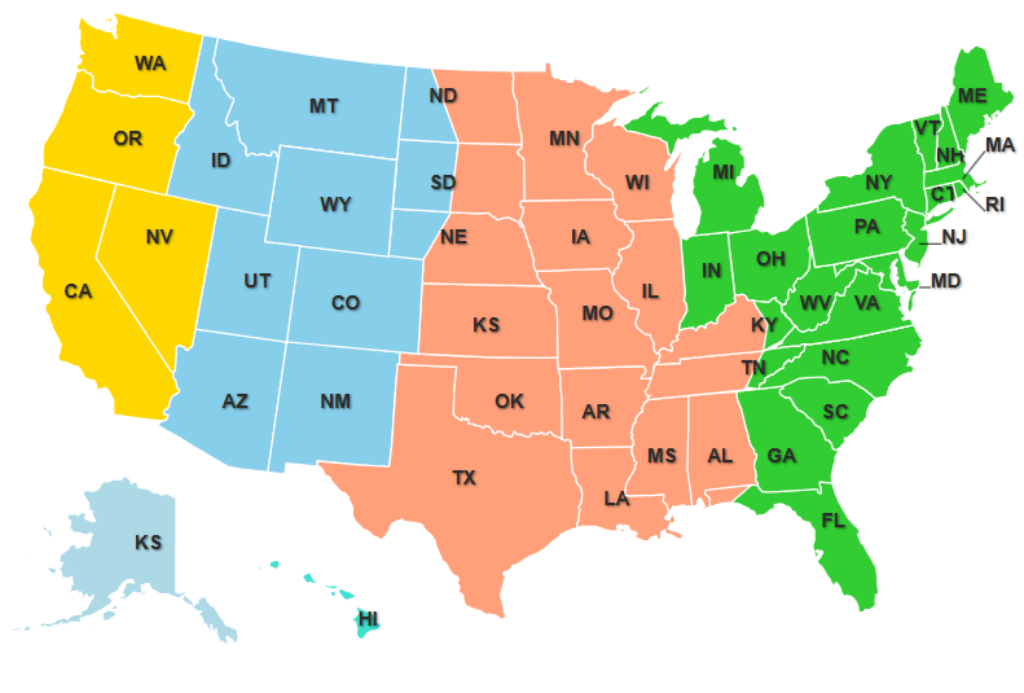
California operates on Pacific Time, which observes both Pacific Standard Time (PST) and Pacific Daylight Time (PDT) throughout the year.
The Pacific Standard Time (PST) and Pacific Daylight Time (PDT) Cycle
During the colder months, specifically from early November to mid-March, California adheres to Pacific Standard Time (PST), which is UTC-8 (Coordinated Universal Time minus eight hours). This means that if it’s noon UTC, it’s 4:00 AM in California.
However, once spring arrives, typically on the second Sunday in March, California, like much of the United States, springs forward into Pacific Daylight Time (PDT). This shift moves the clocks forward by one hour, making it UTC-7. The switch back to PST occurs on the first Sunday in November. This annual ritual of “springing forward” and “falling back” is designed to make better use of daylight, providing longer evenings during the warmer parts of the year, perfect for outdoor activities and evening explorations.
It’s crucial for travelers to be aware of this transition, especially if their travel dates straddle these changeovers. A missed flight or an early check-out can easily result from a miscalculation of the time change. Checking the exact date of these transitions before your trip is a simple step that can save a lot of hassle. Most modern smartphones and devices automatically adjust to the correct time zone, but manual verification is always a good practice upon arrival or if your device doesn’t have an active network connection immediately.
Practical Implications for Travelers
Beyond simply knowing the current hour, understanding California’s time zone has significant practical implications for visitors.
Firstly, it affects flight schedules and airport transfers. If you’re flying in from an Eastern Time Zone or an international location, your internal clock will be several hours ahead, leading to potential confusion regarding departure and arrival times. Coordinating airport pickups, car rentals, or hotel shuttles requires precise knowledge of the local time.
Secondly, it impacts business hours and attraction operating times. Many shops, restaurants, museums, and theme parks like Disneyland or Universal Studios Hollywood operate on specific schedules that are entirely based on local time. Arriving at a museum too late because you misjudged the time could mean missing out on an experience. Similarly, if you’re planning a tour, like a boat trip to Alcatraz Island or a wine tasting in Sonoma Valley, being punctual is paramount.
Finally, for those staying at hotels or other accommodations, check-in and check-out times are strictly enforced according to local time. Misunderstanding this could lead to unexpected charges for late check-outs or issues with accessing your room upon arrival. For business travelers, syncing with colleagues or clients in different time zones is also a daily consideration, making a clear understanding of PST/PDT essential for successful meetings and communication.
Why Knowing the Local Time Matters for Your California Trip
A trip to California is an investment in experiences, memories, and relaxation. To truly make the most of it, understanding and integrating the local time into your planning is indispensable. This goes beyond just setting your watch; it’s about optimizing your itinerary, enhancing your experiences, and ensuring a smooth, stress-free journey.
Seamless Travel Planning and Itinerary Management
Effective time management begins long before you set foot in California. When planning flights, especially long-haul or international journeys, recognizing the time difference is critical for mitigating jet lag and scheduling your arrival and departure times optimally. For instance, an early morning arrival from an East Coast flight might mean you’ll be feeling the effects of jet lag just as the day’s attractions are opening. Conversely, a late afternoon arrival might allow you to settle into your hotel or resort and gently acclimate.
Crafting a detailed itinerary requires a keen eye on the clock. Whether you’re balancing a visit to Griffith Observatory in Los Angeles with an evening show at the Walt Disney Concert Hall, or navigating between different regions like San Diego’s Balboa Park and the beaches of La Jolla, understanding the timing of each activity is key. Consider travel times between destinations, the duration of tours, and meal breaks. A well-timed plan ensures you don’t feel rushed and can savor each moment, rather than constantly worrying about falling behind schedule. This meticulous planning falls under the umbrella of effective travel and tourism management, transforming a good trip into an exceptional one.
Maximizing Your Experiences at California’s Attractions
California’s landmarks and attractions often have peak hours and specific best times for visits, which are directly tied to local time. For example:
- Sunrise/Sunset Views: The Santa Monica Pier offers breathtaking sunset views. Knowing the exact sunset time allows you to plan your arrival to capture the golden hour. Similarly, a sunrise hike in Yosemite National Park requires an early start to witness the valley bathed in morning light.
- Crowd Avoidance: Popular spots like Pier 39 in San Francisco or the Hollywood Walk of Fame in Hollywood can become very crowded by mid-morning. Visiting these destinations shortly after opening or closer to closing time can offer a more relaxed experience.
- Special Events and Shows: Many attractions, particularly theme parks like Knott’s Berry Farm or Six Flags Magic Mountain, feature parades, fireworks, and live shows at specific times. Being aware of these schedules, in local time, allows you to plan your day around them and avoid missing out.
- Dining Experiences: Securing reservations at popular restaurants in areas like Beverly Hills or the Gaslamp Quarter in San Diego often requires precise timing. Understanding typical Californian dining hours (often later than in some other regions) can help you avoid awkward reservation times or long waits.
Navigating Accommodation and Booking Schedules
When it comes to accommodation, local time is paramount. Most hotels, resorts, apartments, and villas adhere to strict check-in and check-out policies. Standard check-in is often in the afternoon (e.g., 3:00 PM or 4:00 PM PST/PDT), while check-out is typically in the late morning (e.g., 11:00 AM or 12:00 PM PST/PDT).
- Arrivals: If you arrive much earlier than standard check-in, you might need to arrange for luggage storage or inquire about early check-in availability, which can sometimes come with an additional fee. Knowing this in advance, based on your local arrival time, allows you to plan accordingly, perhaps by scheduling a nearby activity or meal.
- Departures: Similarly, understanding your check-out time is crucial to avoid late fees. If you have a late flight, you might consider booking a “day-use” room, extending your stay for a few hours, or utilizing luggage storage services.
- Booking and Communication: When making reservations, whether for a suite in Palm Springs or a villa in Carmel-by-the-Sea, remember that all communication and confirmation times will be in California’s local time. This is especially important for international travelers or those booking from vastly different time zones. Always double-check your confirmation details and convert them to your departure time zone if necessary. Reviewing hotel reviews and booking comparisons also often references local timing, so being aware helps you interpret information accurately.
Exploring California by the Clock: A Time-Savvy Traveler’s Guide
To truly embrace the diverse lifestyle offerings of California, from luxury travel to budget travel and family trips, structuring your day around the local time is key. Here’s how to think about making the most of each segment of your day.
Morning Adventures and Iconic Landmarks
The early hours in California offer some of the most serene and photographic moments, often with fewer crowds.
- Golden Gate Bridge and Bay Area: Begin your day with a morning stroll or bike ride across the Golden Gate Bridge. The early fog lifting over the bay provides a mystical backdrop. Afterwards, explore Fisherman’s Wharf or the historic Chinatown in San Francisco before the midday rush.
- Los Angeles’s Glamour: For those in Los Angeles, an early morning hike to the Hollywood Sign offers invigorating views and cooler temperatures. Follow this with a visit to The Academy Museum of Motion Pictures or The Getty Center right at opening time to enjoy the art and architecture in tranquility.
- Coastal Beauty: In San Diego, sunrise walks along the beaches of Coronado or a visit to the San Diego Zoo right at opening can kickstart your day. Further north, exploring the rugged beauty of Big Sur or the quaint streets of Monterey and Carmel-by-the-Sea in the morning offers peaceful driving and pleasant weather before the day warms up.
Morning is also an excellent time for family trips to attractions like Legoland California in Carlsbad, allowing kids to enjoy rides and exhibits before they get too crowded or hot.
Afternoon Delights and Cultural Immersion
As the morning progresses into afternoon, California’s cultural scene, dining, and diverse attractions come alive. This is an ideal time for deeper exploration.
- Museums and Culture: Dedicate your afternoon to California’s world-class museums, such as the California Academy of Sciences in San Francisco or the Aquarium of the Pacific in Long Beach. These indoor attractions are perfect for escaping the midday sun.
- Wine Tasting: For adults, an afternoon in Napa Valley or Sonoma Valley is quintessential California. Most wineries are open through the late afternoon, offering guided tours and tastings.
- Shopping and Lifestyle: Indulge in some retail therapy on Rodeo Drive in Beverly Hills, or explore the unique boutiques in Venice Beach or Santa Barbara. These areas offer a glimpse into California’s vibrant lifestyle and local culture.
- Theme Park Thrills: If visiting Disneyland or Universal Studios Hollywood, the afternoon is when parades often happen, and you can maximize your ride time after the initial morning rush.
Evening Entertainment and Culinary Journeys
As daylight fades, California transforms, offering a plethora of evening activities, from fine dining to vibrant nightlife and cultural performances.
- Sunset Views: Head to the Santa Monica Pier or Coronado Beach for stunning sunsets over the Pacific Ocean. In San Francisco, the view from Twin Peaks as the city lights up is unforgettable.
- Culinary Experiences: California’s food scene is legendary. From Michelin-starred restaurants in San Francisco and Los Angeles to farm-to-table eateries in Mendocino and authentic taco stands in San Diego, the evening is for indulging. Make reservations in advance, keeping local time in mind, especially for popular spots.
- Arts and Entertainment: Catch a show at the historic TCL Chinese Theatre in Hollywood, enjoy a concert at the Hollywood Bowl, or explore the live music venues of Silver Lake. For those on a budget travel plan, free concerts in parks or lively street performances can offer equally memorable evenings.
- Stargazing: Away from city lights, places like Joshua Tree National Park or Death Valley National Park offer incredible stargazing opportunities, requiring late-night excursions.
Overcoming Time Zone Challenges for a Smooth California Experience
Traveling across time zones can be taxing, but with a few strategic approaches, you can minimize the impact and ensure your California trip is as enjoyable and productive as possible, whether it’s a business stay or a leisurely vacation.
Beating Jet Lag Like a Pro
Jet lag, a physiological condition resulting from disruptions to the body’s circadian rhythm, is a common foe for travelers crossing multiple time zones. However, several strategies can help you combat its effects when visiting California.
- Adjust Before You Go: A few days before your trip, try to gradually shift your sleep schedule closer to California time. If you’re traveling west, go to bed an hour or two later each night.
- Hydrate, Hydrate, Hydrate: Drink plenty of water before, during, and after your flight. Dehydration can exacerbate jet lag symptoms. Avoid excessive alcohol and caffeine, which can disrupt sleep patterns.
- Adjust Immediately Upon Arrival: As soon as you land in California, set your watch to local time and try to live by it. If it’s daytime, resist the urge to nap for too long. Instead, try to stay awake until the local bedtime.
- Embrace Natural Light: Exposure to natural light helps reset your body clock. Spend time outdoors during the day, especially in the morning, to signal to your body that it’s daytime. For example, a walk along Laguna Beach or through Balboa Park can be incredibly effective.
- Eat at Local Mealtimes: Try to eat your meals according to California’s local schedule. This further helps to synchronize your internal clock with the new time zone.
- Prioritize Sleep: Ensure you get good quality sleep once you are in sync with the local time. Utilizing amenities like blackout curtains, comfortable beds, and quiet environments at your chosen accommodation (whether a suite, apartment, or villa) can make a big difference. Many luxury hotels offer special amenities designed to aid relaxation.
Communication and Connectivity Across Time Zones
For business stays, family trips (keeping in touch with relatives back home), or simply managing ongoing responsibilities, effective communication across time zones is vital.
- Plan Your Calls: If you need to make calls or attend virtual meetings with people in different time zones, always convert times carefully. Tools like world clock apps or online time zone converters are invaluable. Be mindful of waking people up or calling outside their business hours.
- Utilize Asynchronous Communication: For non-urgent matters, leverage email or messaging apps that allow recipients to respond at their convenience. This reduces the pressure of immediate responses across vast time differences.
- Inform Your Contacts: Let important contacts know you’ll be in a different time zone. A simple message like, “I’ll be in California (PST/PDT) from X date to Y date, so there might be a delay in my response,” can manage expectations effectively.
- Stay Connected: Ensure your phone is set to automatically update its time zone. Having a reliable travel SIM or roaming plan means you’ll always have the correct time and can communicate easily. Many hotels and resorts offer complimentary Wi-Fi, making it easier to stay in touch without incurring high international roaming charges.
In conclusion, while the question “What time is it in California right now?” might seem simple, its implications for a fulfilling and well-organized trip are profound. By understanding the nuances of PST/PDT, meticulously planning your itinerary, and implementing strategies to combat jet lag and facilitate communication, you can unlock the full potential of your Californian adventure. From the moment you land to the last sunset you witness, every hour in the Golden State can be maximized, ensuring a seamless, memorable, and truly enriching experience across its diverse destinations and attractions.
LifeOutOfTheBox is a participant in the Amazon Services LLC Associates Program, an affiliate advertising program designed to provide a means for sites to earn advertising fees by advertising and linking to Amazon.com. Amazon, the Amazon logo, AmazonSupply, and the AmazonSupply logo are trademarks of Amazon.com, Inc. or its affiliates. As an Amazon Associate we earn affiliate commissions from qualifying purchases.