
For travelers and residents alike, the annual ritual of adjusting clocks for Daylight Saving Time (DST) can often lead to a mix of confusion and anticipation. In a state as dynamic and sprawling as California, understanding when and how these time changes occur is crucial for seamless travel, efficient planning, and enjoying the myriad experiences the Golden State has to offer. Whether you’re planning a luxurious escape to Napa Valley, a family adventure to Disneyland, or a business trip to Silicon Valley, knowing the intricacies of California’s time shifts can significantly enhance your visit.
This comprehensive guide will delve into the specifics of California’s time changes, explore its history and potential future, and provide essential tips for navigating these shifts, ensuring your journey through this vibrant state remains uninterrupted and enjoyable.
Understanding Daylight Saving Time in California
California observes Daylight Saving Time (DST), meaning residents and visitors experience two annual clock changes. This practice, common across much of the United States, aims to maximize daylight hours during warmer months.
The Annual Ritual: Spring Forward and Fall Back
The two key dates for time changes in California are:
-
Spring Forward: On the second Sunday in March, clocks in California “spring forward” by one hour at 2:00 AM Pacific Standard Time (PST). This effectively means 2:00 AM instantly becomes 3:00 AM Pacific Daylight Time (PDT). Travelers will experience the “loss” of an hour of sleep or an hour of their day, marking the official start of DST. For example, if you have a 3:00 AM flight scheduled, you might find yourself an hour behind if you’ve forgotten to adjust your internal clock or manually updated devices.
-
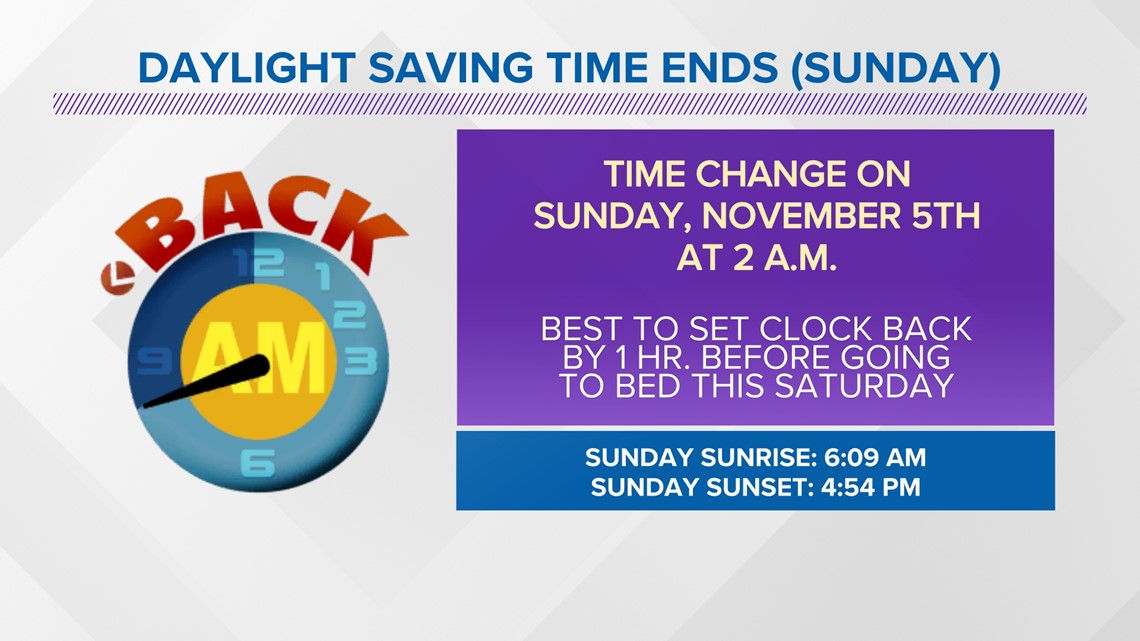
Fall Back: On the first Sunday in November, clocks “fall back” by one hour at 2:00 AM Pacific Daylight Time (PDT). This means 2:00 AM reverts to 1:00 AM Pacific Standard Time (PST), effectively granting an “extra” hour. While this provides a welcome hour of extended sleep or leisure, it also means that the sun will set earlier in the evenings, potentially impacting outdoor activities and evening plans.
Both transitions occur at 2:00 AM local time, which is typically chosen to minimize disruption to daily routines, as most people are asleep. However, for those traveling, working late, or managing specific schedules, awareness is paramount.
A Brief History and the Current Debate
The concept of Daylight Saving Time in the United States dates back to World War I, with a more standardized federal law, the Uniform Time Act, being established in 1966. The primary rationale has historically been energy conservation, though modern research often debates the actual impact on energy use.
In California, the discussion around DST has been particularly robust. In 2018, voters passed Proposition 7, which gave the state legislature the power to change DST laws, including potentially making it permanent. While this ballot measure passed, enacting such a change requires further action from the state legislature and, crucially, approval from the U.S. Congress. Federal law currently only allows states to opt out of DST and remain on Standard Time permanently, not to adopt permanent Daylight Saving Time.
Legislative efforts have continued in California to either transition to year-round Daylight Saving Time (requiring federal change) or to year-round Standard Time (which the state can do unilaterally). The debate involves various arguments: the health impacts of sleep disruption, economic benefits for businesses that thrive with more evening daylight, and the desire for consistency. For now, despite ongoing discussions, California continues to observe the “spring forward, fall back” pattern.
The Future of Time in the Golden State
The legislative landscape surrounding Daylight Saving Time across the United States is ever-evolving. While several states have passed similar legislation to California’s Proposition 7, the federal hurdle remains. Until Congress acts to amend the Uniform Time Act, California will continue its biannual time adjustments. Travelers planning future trips should always verify the current time observation status closer to their travel dates, especially if visiting during the transition periods, though the current pattern is expected to continue for the foreseeable future.
Navigating Time Changes as a Traveler
The time change can subtly, yet significantly, impact your travel plans and overall experience. Being prepared can mean the difference between a smooth trip and a missed connection.
Impact on Flight Schedules and Airport Logistics
The 2:00 AM time change is particularly critical for air travel. While airlines and airports (Los Angeles International Airport (LAX), San Francisco International Airport (SFO), San Diego International Airport (SAN), Oakland International Airport, Ontario International Airport, John Wayne Airport in Orange County, and Sacramento International Airport (SMF)) are generally well-versed in handling these transitions, the onus is often on the traveler to ensure they are on the correct schedule.
- Departure and Arrival Times: Flights scheduled around the 2:00 AM changeover might seem confusing. For “spring forward,” a flight scheduled for 2:30 AM on Sunday might depart at 3:30 AM PDT, effectively an hour “later” than its PST counterpart. For “fall back,” a flight at 1:30 AM PDT might depart at 1:30 AM PST after the clock has reset, making it appear an hour “earlier.” Always double-check your flight confirmations, especially for flights on the day of the time change, and rely on the airline’s stated departure time rather than your potentially unadjusted clock.
- Connecting Flights: If your journey involves connecting flights, particularly those crossing different time zones or occurring on the transition day, pay extra attention. A seemingly comfortable layover might shrink or expand depending on how the clock changes are handled in each location.
- Airport Transfers: Pre-booked shuttles, taxis, or rideshares should also be confirmed. While most digital services automatically adjust, a manual confirmation can prevent an unnecessary wait or rush.
Hotel Stays and Accommodation Adjustments
Your accommodation experience can also be subtly affected by the time change, whether you’re staying in luxury resorts in Palm Springs, boutique hotels in San Francisco, or a charming vacation rental in Monterey.
- Check-in and Check-out Times: Most hotels will automatically adjust their internal clocks and schedules. However, if you’re arriving or departing precisely on the day of the change, it’s wise to clarify check-in/check-out times if you have any doubts. An “extra” hour during fall back might be appreciated if you want to sleep in, but a “lost” hour during spring forward could mean rushing.
- Wake-Up Calls and Reservations: If you’ve requested a wake-up call, confirm with the front desk that it will be set to the new time. Similarly, any hotel amenities booked for specific times – spa treatments, restaurant reservations, or gym access – should be considered in light of the time adjustment.
- Hotel Clocks: While most modern hotels use digital clocks that auto-adjust, some may still have analog clocks. It’s a good practice to manually adjust any physical clocks in your room to avoid confusion.
Planning Activities, Tours, and Dining Experiences
California boasts an incredible array of attractions and experiences, from the cultural richness of Los Angeles and San Francisco to the natural beauty of Yosemite National Park and the vibrant beach towns of San Diego and Santa Barbara. The time change can affect your ability to enjoy these fully.
- Attraction Hours: Museums (The Academy Museum of Motion Pictures, The Getty Center), theme parks (Universal Studios Hollywood, Disneyland, Legoland California, Knott’s Berry Farm, Six Flags Magic Mountain, SeaWorld San Diego), and natural landmarks (Golden Gate Bridge, Santa Monica Pier, Alcatraz Island, Griffith Observatory) might adjust their operating hours or tour schedules on the day of the change. Always check official websites or call ahead, especially for time-sensitive bookings.
- Dining Reservations: A dinner reservation for 7:00 PM on the “spring forward” Sunday will still be at 7:00 PM, but your internal clock might feel like it’s 6:00 PM, potentially making you an hour hungrier. Conversely, during “fall back,” an 8:00 PM reservation might feel like 9:00 PM, impacting your appetite. Plan accordingly.
- Outdoor Activities and Sunset Views: For activities like hiking in Runyon Canyon Park, exploring Balboa Park, or enjoying a sunset cruise from Piers 39 or Fisherman’s Wharf, the shift in daylight hours is significant. “Spring forward” provides more evening light for extended outdoor adventures, while “fall back” means earlier sunsets, requiring adjustment for those wanting to catch optimal lighting or avoid darkness.
Jet Lag and Wellness: Adapting to the Shift
Even without crossing multiple time zones, the one-hour shift of Daylight Saving Time can induce a mild form of jet lag, impacting your sleep cycle and overall well-being.
- Gradual Adjustment: If possible, try to adjust your sleep schedule by 15-30 minutes each day in the days leading up to the change. This can soften the impact.
- Hydration and Light Meals: Stay well-hydrated and avoid heavy meals or excessive caffeine/alcohol close to bedtime to help your body adapt.
- Embrace Sunlight: Maximize exposure to natural light during the day, especially in the mornings after “spring forward,” to help reset your circadian rhythm. Conversely, dimming lights in the evening can signal to your body that it’s time to wind down.
- Listen to Your Body: Don’t push yourself too hard. If you feel tired, allow for a short nap or an earlier bedtime, particularly after the “spring forward” transition. This approach aligns with a balanced “Lifestyle” for both luxury travel and budget travel.
Practical Tips for a Seamless California Experience
With a little foresight, the time change in California doesn’t have to be a source of stress.
Checking Confirmations and Setting Reminders
- Double-Check Everything: Review all travel itineraries, hotel bookings, tour confirmations, and event tickets. Pay close attention to dates and times, ensuring they align with the new time. Many online booking systems will automatically reflect the correct local time, but a quick manual verification adds an extra layer of security.
- Set Multiple Alarms: For crucial appointments, consider setting an alarm on your phone and a secondary alarm on another device or your hotel’s clock.
- Communicate with Providers: If you have any doubt about a specific booking around the time change, don’t hesitate to call your hotel, airline, or tour operator for clarification.
Technology to Your Advantage
Modern technology makes navigating time changes significantly easier.
- Smart Devices: Your smartphone, tablet, laptop, and smartwatch will almost certainly update automatically to the correct local time. Make these your primary reference. Ensure your devices have sufficient battery life or access to charging points.
- Online Resources: Use reliable online tools and apps that display current local times and offer DST change notifications. Weather apps also often include local time.
- Car Clocks: Don’t forget to manually adjust your car clock, as these often do not auto-update and can cause momentary confusion.
Exploring California During the Transition
Rather than viewing the time change as an inconvenience, consider how you can leverage it for your travel experience.
- Spring Forward: Embrace the longer daylight hours. Plan outdoor activities like a late afternoon hike in Joshua Tree National Park, an evening stroll along La Jolla’s beaches, or extended exploration of Carmel-by-the-Sea without rushing back before dark. This is a perfect time for enjoying California’s outdoor tourism and lifestyle.
- Fall Back: Use the “extra” hour to enjoy a leisurely breakfast at your hotel, catch up on sleep, or get an early start on visiting popular attractions like the Hollywood Walk of Fame or Balboa Park before the crowds. The earlier sunset can also create beautiful golden hour opportunities for photography across California’s diverse landscapes, from the redwood forests of Redwood National and State Parks to the desert vistas of Death Valley National Park or the dramatic coastline of Big Sur.
Beyond California: Regional Time Zones and Travel
It’s also worth noting that not all regions in the United States observe Daylight Saving Time. Arizona (with the exception of the Navajo Nation) and Hawaii do not change their clocks. This means that for part of the year, Arizona aligns with Pacific Daylight Time, and for another part, it shifts to match Mountain Standard Time.
If your California trip includes travel to these states, or if you’re coordinating with friends, family, or business partners in other U.S. time zones like the Mountain Time Zone, Central Time Zone, or Eastern Time Zone, always be mindful of the specific time observation rules in each location. This ensures you’re on schedule for virtual meetings, calls, or connecting flights.
In conclusion, while the biannual time change in California might seem like a minor detail, its implications for travel, tourism, and daily life can be significant. By understanding when these changes occur, their historical context, and how to proactively adjust your plans, you can ensure your California adventure remains seamless and enjoyable, allowing you to fully immerse yourself in the unparalleled beauty and experiences the state offers. So, mark your calendars, double-check your schedules, and get ready to enjoy California, regardless of what the clock says!
LifeOutOfTheBox is a participant in the Amazon Services LLC Associates Program, an affiliate advertising program designed to provide a means for sites to earn advertising fees by advertising and linking to Amazon.com. Amazon, the Amazon logo, AmazonSupply, and the AmazonSupply logo are trademarks of Amazon.com, Inc. or its affiliates. As an Amazon Associate we earn affiliate commissions from qualifying purchases.