
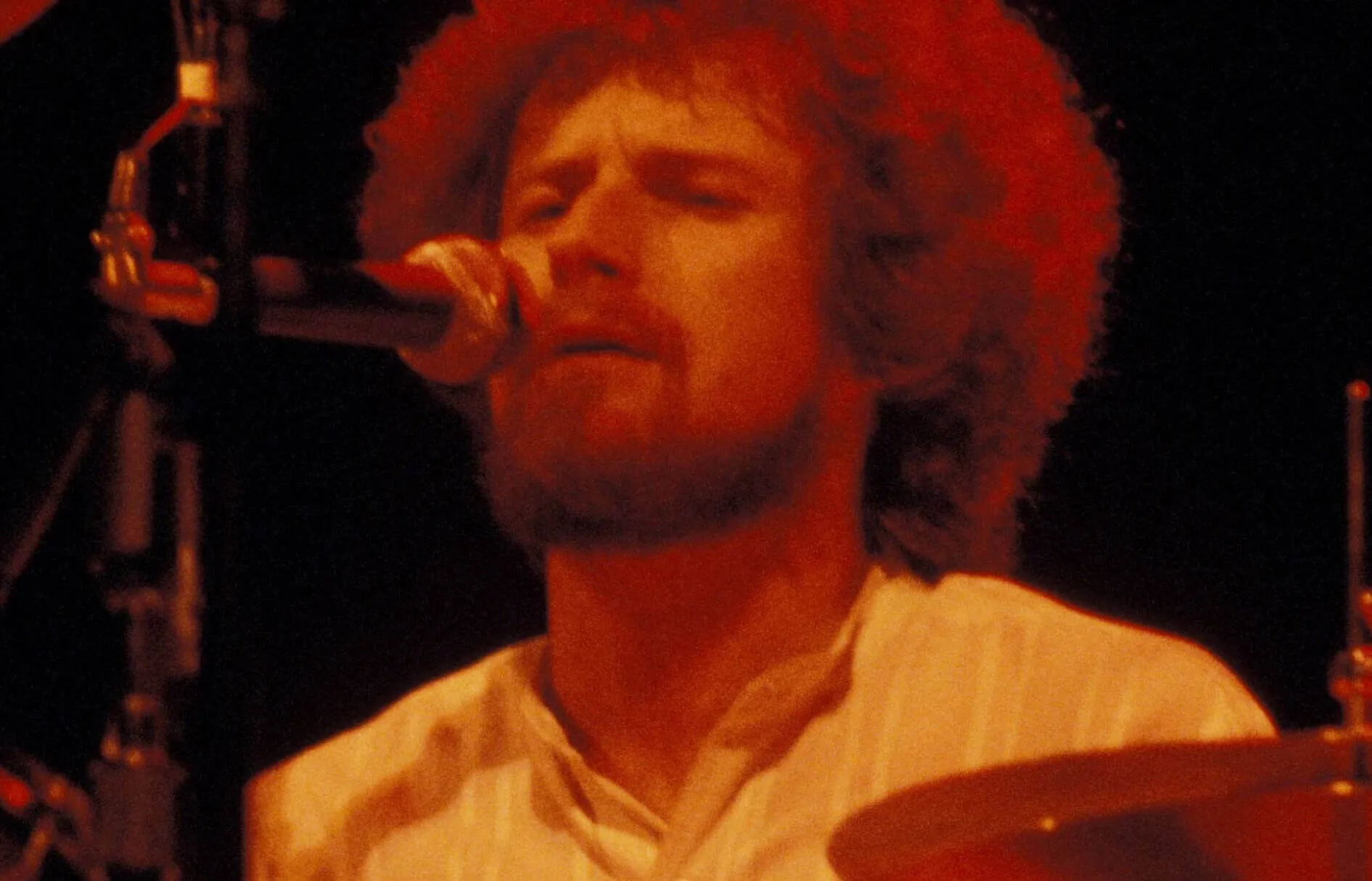
The iconic voice that leads the instantly recognizable opening verses and soaring chorus of “Hotel California” belongs to Don Henley, the drummer and co-lead vocalist of the legendary American rock band, The Eagles. Released in 1976 as the title track from their fifth studio album, the song quickly ascended to global fame, becoming a timeless anthem that transcends generations. Its intricate guitar work, enigmatic lyrics, and captivating narrative have cemented its place not just in music history, but also in the broader cultural imagination, often evoking vivid imagery of luxury, allure, and the complex realities beneath the surface of glamorous destinations. For travelers and lifestyle enthusiasts alike, “Hotel California” is more than just a song; it’s a sonic landmark, a narrative journey into the heart of a quintessential American dream, and a deep dive into the paradoxical experiences one might encounter in the world’s most captivating locales.
The Eagles: A Journey Through American Rock and Roll
The Eagles emerged from the vibrant music scene of Los Angeles, California, in the early 1970s, quickly establishing themselves as pioneers of a sound that blended rock, country, and folk influences. Their journey is a testament to the magnetic appeal of the American West, attracting talent and dreamers seeking to make their mark. The band’s formation brought together an extraordinary group of musicians, each contributing their unique talents to forge a distinct sound that would define an era and influence countless artists to follow. Their story is intertwined with the allure of California itself – a destination that promises endless possibilities, from sun-kissed beaches to the glittering lights of the entertainment industry.
The Formation and Early Years
The genesis of The Eagles can be traced back to 1971 when Glenn Frey (guitar, vocals) and Don Henley (drums, vocals) were brought together by Linda Ronstadt to be part of her backing band. Their shared musical vision and harmonies quickly led them to form their own group, initially recruiting Bernie Leadon (guitar, banjo, vocals) and Randy Meisner (bass, vocals). From these humble beginnings, based in the sprawling metropolis of Los Angeles, a musical powerhouse began to take shape.
Their self-titled debut album in 1972 introduced hits like “Take It Easy” and “Witchy Woman,” immediately showcasing their impeccable vocal harmonies and melodic songwriting. These early works often painted pictures of open roads, transient lifestyles, and the romanticism of travel and discovery across America – themes that deeply resonate with the spirit of modern tourism. Albums such as “Desperado” (1973) and “One of These Nights” (1975) further solidified their status, blending introspective lyrics with catchy melodies. The band’s continuous evolution in sound and lineup, which later included the formidable talents of Joe Walsh (guitar, vocals) and Timothy B. Schmit (bass, vocals), alongside Don Felder (guitar, vocals), set the stage for their most ambitious and globally recognized work. The allure of their sound was undeniable, drawing listeners into narratives that felt both personal and universally relatable, much like the best travel experiences.
Crafting a Masterpiece: The Hotel California Album
The album “Hotel California,” released in December 1976, marked a significant turning point for The Eagles. It showcased a departure from their country-rock roots towards a more ambitious, rock-oriented sound, characterized by complex arrangements and profound lyrical depth. This album was a reflection of the band’s experiences with the darker side of fame and the excesses they witnessed in 1970s Los Angeles. The titular track, with Don Henley’s haunting lead vocals, became an instant classic, capturing the zeitgeist of an era while offering a timeless commentary on the pursuit of pleasure and its inherent costs.
The songwriting process for “Hotel California” was a collaborative effort, with lyrics primarily penned by Don Henley and Glenn Frey, and music composed by Don Felder. This fusion of talents created a narrative that was both poetic and evocative, painting vivid pictures with words and melodies. The album’s immediate success was phenomenal, topping charts worldwide and selling over 32 million copies globally, making it one of the best-selling albums of all time. It earned The Eagles two Grammy Awards, including Record of the Year for “Hotel California” itself. The album’s impact was not just commercial; it cemented The Eagles’ legacy as one of the most important bands in rock history, and its themes continue to resonate with those exploring the complexities of travel, luxury, and the human condition.
Unpacking the Enigma: The Deep Meanings of Hotel California
Beyond its captivating melody and intricate guitar solos, the true power of “Hotel California” lies in its enigmatic lyrics. The song functions as a sophisticated narrative, offering a multi-layered commentary on various aspects of American society, particularly the allure and pitfalls of the California dream. For travelers and those interested in lifestyle and culture, the song provides a fascinating lens through which to view destinations, the pursuit of luxury, and the potential for unexpected experiences, making it a profound piece that transcends mere musical entertainment to become a cultural touchstone.
A Metaphor for the California Dream and Lifestyle
“Hotel California” is widely interpreted as a metaphor for the allure and eventual disillusionment associated with the California dream. California, particularly Los Angeles, has long been synonymous with aspiration – a destination where dreams are pursued, fame is sought, and fortunes are made. The song’s opening lines, describing a “dark desert highway” and the “warm smell of colitas,” evoke the mystique of arriving in a new, enticing place. This mirrors the experience of many tourists and migrants who journey to California seeking escape, opportunity, or simply a taste of its glamorous lifestyle.
The “Hotel California” itself can be seen as representing the luxurious, yet often superficial, trappings of this dream. It symbolizes high-end accommodations, exclusive resorts, and lavish experiences – the kind of lifestyle many associate with upscale travel and leisure. The lyrical imagery of “pink champagne on ice” and “mirrors on the ceiling” paints a picture of opulence and indulgence, typical of the luxury travel sector. However, this opulent exterior subtly hints at a deeper, more complex reality, echoing the careful considerations discerning travelers make when booking accommodation or choosing a destination; appearances can be deceiving, and true value often lies beneath the surface.

The Hotel as a Symbol of Entrapment and Decadence
While initially appearing as a haven of luxury, the “Hotel California” quickly transforms into a symbol of entrapment and decadence. The phrase “you can check out any time you like, but you can never leave” is arguably the song’s most famous and chilling line, capturing the essence of being caught in a seductive but ultimately suffocating environment. This theme resonates strongly with explorations of lifestyle, particularly the cautionary tales of excess and the loss of innocence that can accompany unchecked ambition.
From a tourism perspective, this part of the song serves as a metaphorical warning about destinations that, despite their initial allure, can consume or change visitors in unexpected ways. It critiques the materialistic and superficial aspects of certain lifestyles, where the pursuit of pleasure can lead to a kind of spiritual or moral decay. The “hotel” here is not just a place of accommodation; it’s a state of being, a psychological landscape where choices have lasting consequences. The contrast between the initial welcoming hospitality (“such a lovely place, such a lovely face”) and the eventual sense of being trapped speaks to the darker undercurrents that can sometimes exist even in the most picturesque locations or luxurious settings. It’s a powerful narrative about the hidden costs of an unbridled pursuit of paradise.
The Role of Los Angeles and the Entertainment Industry
The setting of Los Angeles plays an integral, albeit often implicit, role in the song’s narrative. As the epicenter of the American entertainment industry, Los Angeles is a landmark city defined by its pursuit of fame, fortune, and fleeting trends. The Eagles themselves experienced firsthand the intense pressures and temptations of this environment. “Hotel California” is widely seen as their commentary on the city’s industry – a “golden cage” where artists and dreamers flock, drawn by promises of success, but often finding themselves ensnared by its demands and artificialities.
The song’s imagery of “co-conspirators,” “hungry people,” and “sweet summer sweat” can be interpreted as the cutthroat competition and transient nature of relationships within show business. It speaks to a certain type of lifestyle that thrives on glamour but can also lead to emptiness. For those interested in cultural tourism and understanding the underpinnings of iconic cities, the song offers a profound, albeit critical, perspective on Los Angeles – not just as a collection of famous places and attractions, but as a living, breathing entity with its own magnetic, yet sometimes destructive, personality. It portrays the city as a quintessential example of a place that promises everything but may demand more than you’re willing to give, an important consideration for any deep dive into destination analysis.

The Enduring Legacy of Hotel California in Music and Travel Culture
Decades after its release, “Hotel California” continues to captivate audiences and inspire discussions, solidifying its status as an enduring masterpiece. Its pervasive influence extends beyond the realm of music, weaving its way into popular culture and subtly shaping perceptions of travel, luxury accommodation, and lifestyle choices. The song’s ability to remain relevant speaks volumes about its timeless themes and its powerful artistic execution, making it a true cultural landmark.
A Landmark in Music History
The impact of “Hotel California” on music history is undeniable. It’s a song frequently lauded in “greatest songs of all time” lists and is a staple on classic rock radio stations globally. The complexity of its arrangement, particularly the extended guitar duel between Joe Walsh and Don Felder, is often cited as one of the most iconic guitar solos in rock history. This musical brilliance, combined with Don Henley’s evocative vocals, earned the track critical acclaim and widespread commercial success, helping to sell tens of millions of copies of the album it headlined.
The Eagles were inducted into the Rock and Roll Hall of Fame in 1998, a testament to their overall contribution to music, with “Hotel California” standing as their magnum opus. The song’s narrative structure, blending allegory with vivid sensory details, set a benchmark for lyrical sophistication in rock music. Its continuous appeal to new generations demonstrates its timeless quality, proving that truly great art transcends its original context to become a universal experience. It stands as a musical landmark that defines an entire era while speaking to the human condition across all times.
Inspiring Travel and Evoking Destinations
Perhaps one of the most fascinating aspects of “Hotel California’s” legacy is its ability to evoke a powerful sense of place and inspire conversations about real-world travel destinations and accommodations. While the “Hotel California” itself is largely a fictional construct, designed as a metaphor rather than a physical location, its lyrical imagery has led countless listeners to speculate about its real-life inspirations. The most commonly cited, albeit consistently denied by the band, is the Beverly Hills Hotel in Los Angeles, a quintessential symbol of California luxury and exclusivity. Its iconic pink exterior and historic charm align with the song’s theme of glamorous decadence, making it a natural fit for public imagination.
The enduring myth surrounding a tangible “Hotel California” speaks volumes about the song’s power to shape perceptions of specific destinations and types of hotels. It fuels the desire for authentic, yet sometimes elusive, travel experiences, prompting travelers to seek out places that embody a similar blend of allure, mystery, and luxury. Whether it’s the architectural grandeur of a historic landmark hotel, the secluded charm of a resort off a “dark desert highway,” or the sophisticated ambiance of a boutique accommodation in a vibrant city, the song resonates with those who appreciate the deeper narratives embedded within travel and the diverse array of hotels, suites, and resorts available globally. “Hotel California” has thus become a cultural reference point for discussions around luxury travel, the pursuit of unforgettable experiences, and the search for that perfect destination that promises paradise, even if that paradise comes with its own intriguing complexities.
In conclusion, Don Henley’s unforgettable vocals on “Hotel California” are just one facet of a multi-dimensional masterpiece created by The Eagles. This song is far more than a hit single; it’s a profound cultural artifact that brilliantly intertwines themes of lifestyle, luxury, tourism, and the complex allure of destinations like California and Los Angeles. It prompts us to look beyond the surface of attractive accommodations and celebrated landmarks, encouraging a deeper reflection on the experiences we seek and the stories that places tell. From its intricate musicality to its thought-provoking lyrics, “Hotel California” remains a vital component of both music history and the broader exploration of what it means to travel, live, and pursue dreams in a world full of both beauty and shadows.
LifeOutOfTheBox is a participant in the Amazon Services LLC Associates Program, an affiliate advertising program designed to provide a means for sites to earn advertising fees by advertising and linking to Amazon.com. Amazon, the Amazon logo, AmazonSupply, and the AmazonSupply logo are trademarks of Amazon.com, Inc. or its affiliates. As an Amazon Associate we earn affiliate commissions from qualifying purchases.