
For any traveler planning a dream vacation, especially one destined for the vibrant heart of Florida, understanding the local time is often the first logistical query. So, what time is it in America Orlando? The answer is straightforward: Orlando, Florida, operates within the Eastern Time Zone (ET). This essential piece of information is more than just a fact; it’s the cornerstone of planning an unforgettable trip, from coordinating flight arrivals to maximizing every moment spent exploring world-class attractions, dining, and unique experiences.
As a premier destination renowned globally for its unparalleled theme parks, luxurious resorts, diverse culinary landscape, and natural beauty, Orlando attracts millions of visitors annually. Whether you’re traveling from across the United States or an international locale, adjusting to or simply being aware of the time difference is crucial for a seamless and enjoyable journey. This guide will delve into the specifics of Orlando’s time zone, its implications for travelers, and how to expertly navigate your schedule to make the most of your adventure in this enchanting city.
Understanding Orlando’s Time Zone: Eastern Time
Orlando, like much of the eastern seaboard of the United States, observes the Eastern Time Zone. This places it five hours behind Coordinated Universal Time (UTC-5) during standard time and four hours behind Coordinated Universal Time (UTC-4) during daylight saving time. Understanding the nuances between standard and daylight saving time is vital for accurate planning, as it dictates how you set your watch and manage your daily itinerary, especially during transitional periods.
Eastern Standard Time vs. Eastern Daylight Time
The Eastern Time Zone in Orlando alternates between two designations throughout the year:
- Eastern Standard Time (EST): This is observed from early November to mid-March. During this period, Orlando is UTC-5. The evenings arrive earlier, and mornings typically begin with more light.
- Eastern Daylight Time (EDT): From mid-March to early November, Orlando switches to EDT, which is UTC-4. This shift, commonly known as “springing forward,” moves clocks ahead by one hour, effectively extending daylight into the evening. This is particularly beneficial for tourists, as it allows for more time to enjoy outdoor activities, theme park events, and evening entertainment under natural light.
The changeover dates are relatively consistent: daylight saving time begins on the second Sunday in March and ends on the first Sunday in November. For visitors arriving during these transition weeks, it’s always a good practice to confirm the exact time change to avoid any confusion with flight schedules, hotel check-ins, or attraction opening hours. Most modern smartphones and devices automatically adjust, but a manual check or a quick search for “Orlando local time” can offer peace of mind.
The Impact of Time Differences for Travelers
Traveling across multiple time zones can present challenges, most notably the phenomenon of jet lag. Symptoms can range from fatigue and insomnia to irritability and difficulty concentrating. For those venturing to Orlando from locations west of the Eastern Time Zone or from international destinations, managing jet lag becomes a key part of travel planning.
To mitigate its effects, experts recommend several strategies: gradually adjusting your sleep schedule a few days before departure, staying hydrated during your flight, avoiding excessive caffeine and alcohol, and trying to adapt to Orlando’s local time as soon as you arrive. Exposure to natural light during the day and ensuring a dark, quiet environment at night can also help reset your body clock. For families with young children, a flexible itinerary on the first day or two can be a lifesaver, allowing everyone to adjust at their own pace without feeling rushed or overwhelmed. Planning a relaxing activity on arrival day, such as enjoying your resort’s amenities like a pool or spa, rather than diving straight into a theme park, can set a positive tone for your entire trip.
Navigating Orlando’s Attractions and Activities by the Clock
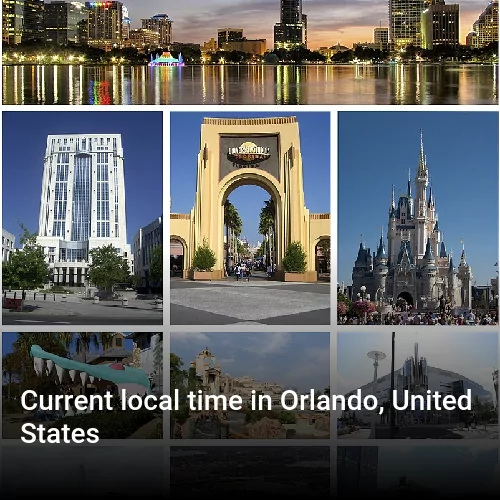
Orlando’s reputation as the “Theme Park Capital of the World” is well-earned, with an incredible array of attractions drawing visitors from every corner of the globe. From the magical realms of Walt Disney World Resort to the thrilling adventures at Universal Orlando Resort, managing your time effectively is paramount to experiencing everything this destination has to offer. Understanding Orlando’s time zone impacts not just your internal clock but also how you plan daily excursions, make reservations, and navigate the bustling entertainment scene.
Theme Park Adventures and Opening Hours
The crown jewels of Orlando are undoubtedly its theme parks, each with unique operating hours that vary seasonally and on specific days. Being aware of the local time is critical for everything from catching rope drop (park opening) to securing a prime spot for evening fireworks.
- Walt Disney World Resort: Home to four major theme parks—Magic Kingdom, Epcot, Hollywood Studios, and Animal Kingdom—along with two water parks and Disney Springs entertainment complex. Park hours typically range from 9:00 AM to 9:00 PM or later, especially during peak seasons and holidays. Early entry for resort guests and extended evening hours further emphasize the need to check the official Walt Disney World schedule daily.
- Universal Orlando Resort: Featuring Universal Studios Florida, Islands of Adventure, and the Volcano Bay water theme park, plus the vibrant Universal CityWalk. Universal parks generally open around 9:00 AM, with closing times varying. Similar to Disney, early park admission for resort guests is a valuable perk that requires careful time management.
- SeaWorld Orlando: Offering marine life encounters, thrilling rides, and engaging shows, SeaWorld typically operates from 10:00 AM with varying closing times. Show schedules are fixed, so knowing the local time precisely is essential for planning your day around these performances.
Always consult the official websites or park apps for the most up-to-date operating hours and showtimes. These can change frequently based on crowd levels, weather, and special events. Arriving early, especially during EDT when mornings are brighter, can significantly enhance your experience by allowing you to enjoy popular attractions before peak crowds arrive.
Dining, Entertainment, and Nightlife
Beyond the theme parks, Orlando boasts a rich tapestry of dining, shopping, and entertainment options that demand attention to time. From character breakfasts inside the parks to upscale dining experiences at Disney Springs or Universal CityWalk, reservations are often highly recommended, if not essential. Many popular restaurants book up weeks or even months in advance, especially during peak season, so adhering to Orlando’s local time when making these bookings is crucial.
Nightlife in Orlando also thrives, with venues like the aforementioned Disney Springs and Universal CityWalk offering live music, bars, and unique shops that stay open late into the evening. Downtown Orlando also offers a vibrant scene, particularly around Lake Eola Park, with a selection of trendy restaurants and bars. Planning transport, whether ride-shares or shuttle services from your accommodation, in conjunction with closing times will ensure a smooth and safe return.
Beyond the Parks: Exploring Central Florida
While theme parks are a major draw, Orlando and its surrounding Central Florida region offer a wealth of other attractions, landmarks, and experiences that cater to diverse interests. Time management is just as important when venturing off the main tourist paths.
- Kennedy Space Center Visitor Complex: Located about an hour’s drive east of Orlando on the Atlantic Ocean coast, this is a must-visit for space enthusiasts. It operates on Eastern Time and requires a full day to explore thoroughly. Checking launch schedules in advance, which are always in ET, can offer a once-in-a-lifetime experience.
- ICON Park: A hub of entertainment on International Drive, featuring The Wheel, Madame Tussauds, and the SEA LIFE Orlando Aquarium. These attractions generally have later closing times, making them excellent options for evening entertainment after a day at the parks.
- Lake Eola Park: In downtown Orlando, this picturesque park is perfect for a leisurely stroll, swan boat rides, or enjoying the Sunday farmers’ market. The famous fountain show, which lights up the evening sky, is timed to Eastern Time.
- Winter Park: A charming city adjacent to Orlando, known for its upscale boutiques, fine dining, art museums, and the scenic Scenic Boat Tour. This offers a more relaxed pace and a glimpse into local Florida life, with shops and restaurants operating on standard business hours.
Planning these excursions means coordinating travel time, attraction opening and closing hours, and any pre-booked tickets or tours, all within the framework of Orlando’s Eastern Time Zone.
Accommodation and Lifestyle: Making the Most of Your Orlando Stay
Choosing the right accommodation and adopting a smart lifestyle approach are integral to a successful Orlando vacation, especially when considering the time difference and the sheer volume of activities available. From luxury resorts to budget-friendly apartments, Orlando caters to every preference, and each choice can subtly influence your daily schedule and overall experience.
Choosing Your Ideal Accommodation
Orlando’s accommodation landscape is as diverse as its attractions, encompassing everything from immersive themed resorts to spacious vacation rentals. Your choice of lodging can significantly impact your daily time management.
- Walt Disney World Resort hotels: Staying at an on-site Disney resort, such as Disney’s Contemporary Resort, Disney’s Grand Floridian Resort & Spa, Caribbean Beach Resort, or Art of Animation Resort, offers perks like early theme park entry and convenient transportation, allowing you to maximize morning hours. Luxury options like the Four Seasons Resort Orlando at Walt Disney World Resort blend world-class amenities with unparalleled proximity to the parks.
- Universal Orlando Resort hotels: Similarly, resorts like Hard Rock Hotel, Loews Portofino Bay Hotel, or Loews Sapphire Falls Resort provide early park admission and water taxi access, saving valuable travel time.
- Independent Hotels and Vacation Rentals: Numerous hotels along International Drive and in other areas, such as the Hyatt Regency Grand Cypress, offer excellent amenities and often more competitive pricing. Vacation rentals, including apartments and villas, are popular for longer stays or larger groups, providing more space and the flexibility of self-catering. While these options may require more reliance on personal vehicles or ride-sharing for park access, they can offer a different kind of lifestyle and budget advantage.
When booking accommodation, consider its proximity to your primary interests and the transportation options available. A few extra minutes saved on travel can translate into significant gains in park time or much-needed rest. Reviews and comparisons on travel websites can help you find the best fit for your needs and ensure you have all the amenities (pools, dining, fitness centers) to support your lifestyle during your stay.
Tips for a Seamless Orlando Experience
Beyond simply knowing what time it is, here are some lifestyle tips to ensure your Orlando vacation is as smooth and enjoyable as possible:
- Prioritize Sleep: Especially if crossing multiple time zones, adequate rest is your best defense against jet lag and crucial for sustaining energy through long park days. Aim for consistent sleep-wake times based on Orlando’s Eastern Time.
- Stay Hydrated: Florida’s climate is warm and humid. Drinking plenty of water is essential to combat dehydration, which can exacerbate jet lag symptoms and general fatigue.
- Utilize Time Zone Converters: Before and during your trip, online time zone converters or world clock apps can be invaluable for quickly understanding the time difference between Orlando and your home location, or if you need to coordinate with people in different time zones.
- Plan Flexible Itineraries: While it’s great to have a plan, be prepared to adjust. Weather changes, unexpected ride closures, or simply needing a break can alter your schedule. Building in buffer time and not over-scheduling will reduce stress.
- Embrace the Vacation Pace: Orlando offers endless excitement, but it’s also a place to relax and create memories. Don’t feel pressured to do everything. Sometimes, a lazy morning by the pool or an early dinner can be just as rewarding as rushing from one attraction to the next. Remember, it’s your vacation, and how you spend your time is entirely up to you.
In conclusion, knowing that Orlando, Florida, operates on Eastern Time is the starting point for any well-planned trip. From managing jet lag and scheduling your theme park visits to booking dining reservations and exploring local landmarks, every aspect of your travel experience will hinge on your awareness of the clock. By understanding the shift between Eastern Standard Time and Eastern Daylight Time and adopting smart time-management strategies, you can ensure your visit to the “Theme Park Capital of the World” is not only fun-filled but also remarkably smooth and stress-free. So set your watches, embrace the magic, and prepare for an unforgettable adventure in Orlando!
LifeOutOfTheBox is a participant in the Amazon Services LLC Associates Program, an affiliate advertising program designed to provide a means for sites to earn advertising fees by advertising and linking to Amazon.com. Amazon, the Amazon logo, AmazonSupply, and the AmazonSupply logo are trademarks of Amazon.com, Inc. or its affiliates. As an Amazon Associate we earn affiliate commissions from qualifying purchases.