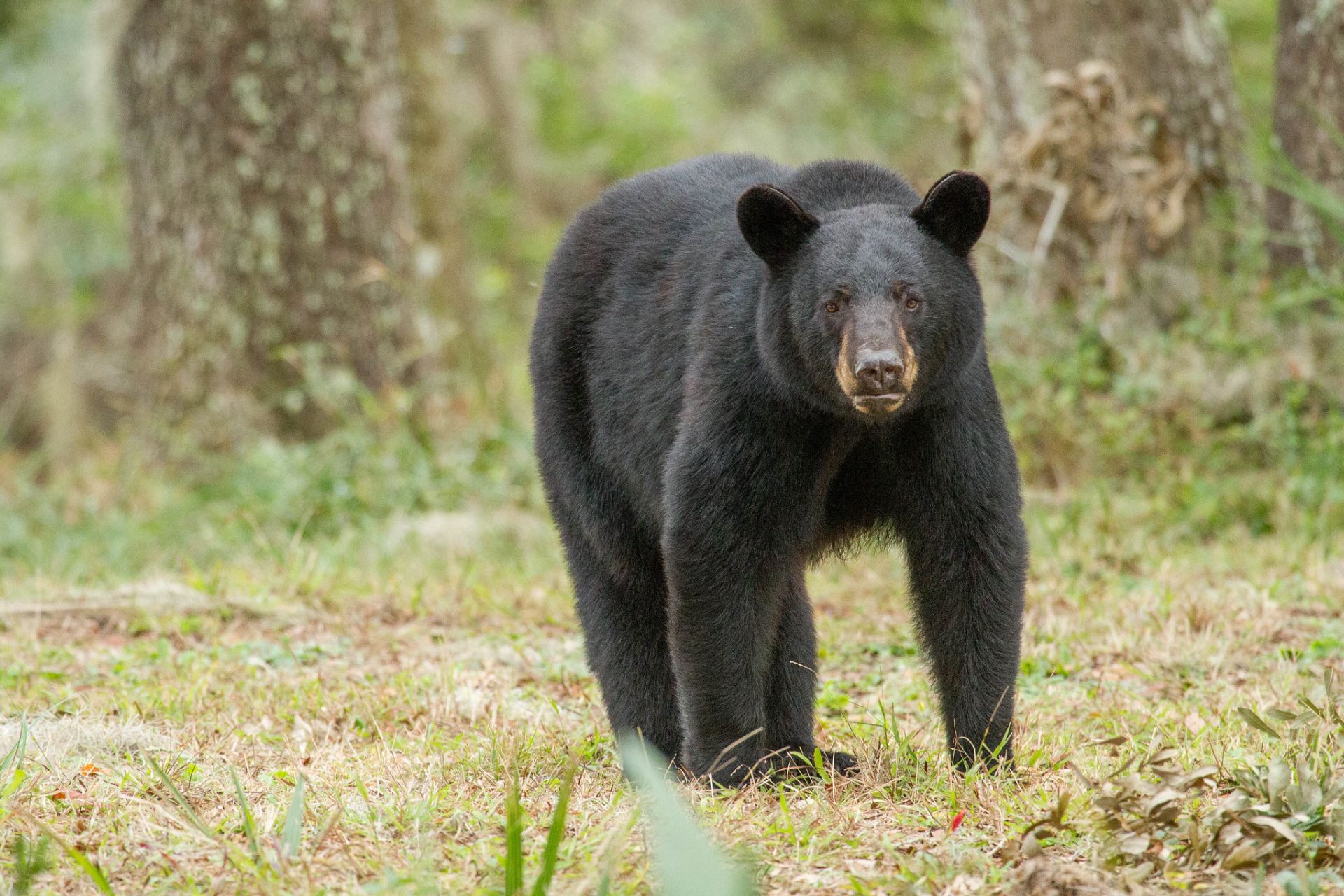
The sunshine state of Florida is renowned worldwide for its pristine beaches, vibrant theme parks, and glittering urban centers. Millions flock to its shores annually, seeking adventure, relaxation, and memorable experiences. From the magical kingdom of Orlando to the Art Deco splendor of Miami, the image of Florida is often one of sun-drenched leisure and excitement. However, beneath this polished exterior, a wilder Florida thrives, home to an array of fascinating wildlife, including a creature that might surprise many visitors: the Florida Black Bear.
Indeed, contrary to popular belief that bears are exclusive to northern forests or mountainous regions, Florida is home to a significant and thriving population of black bears. These majestic animals are an integral part of the state’s natural heritage, occupying vast stretches of wilderness from the Panhandle to the central peninsula. For those planning a trip to Florida, understanding the presence of these bears, their habitats, and how to safely coexist with them is not just a matter of curiosity, but a crucial aspect of responsible travel and tourism. This comprehensive guide delves into the world of Florida’s bears, offering insights for travelers and anyone interested in the wilder side of this iconic destination.

The Florida Black Bear Unveiled: Habitat and Behavior
The Florida Black Bear (Ursus americanus floridanus) is a distinct subspecies of the American black bear. Once endangered, their population has made a remarkable recovery thanks to dedicated conservation efforts. Today, an estimated 4,000 black bears roam the state, a testament to the resilience of Florida’s natural ecosystems.
A Thriving Population in a Unique Ecosystem
Florida’s diverse landscape, characterized by vast pine flatwoods, scrublands, swamps, and hardwood hammocks, provides an ideal habitat for these adaptable omnivores. While often associated with deep wilderness, bears are increasingly found in fragmented habitats and even suburban areas, especially those bordering natural corridors. Major bear habitats include the expansive Ocala National Forest, a prime location for spotting these creatures in their natural environment; the Apalachicola National Forest in the Panhandle; and the vast wetlands of Big Cypress National Preserve and Everglades National Park in the south. Other significant populations reside in the St. Marks National Wildlife Refuge and various state forests like Seminole State Forest and Osceola National Forest.
The Florida Fish and Wildlife Conservation Commission (FWC) has designated several “Bear Management Zones” across the state, indicating areas where bear populations are concentrated and human-bear interactions are more frequent. These zones stretch from the north-central region around Gainesville and Jacksonville, through central Florida near Orlando and Tampa, and down into the southern reaches of the state.

Understanding Bear Habits and Diet
Florida Black Bears are generally shy and reclusive, primarily active during dawn and dusk. Unlike their northern cousins, Florida bears do not undergo a deep, prolonged hibernation due to the mild climate. Instead, they enter a state of torpor, especially during cooler periods or when food is scarce, but they can wake and move around. Their diet is largely vegetarian, consisting of berries, nuts, acorns, fruits, and plant shoots, supplemented by insects, grubs, and occasionally small vertebrates or carrion.
The primary reason bears venture into human-populated areas is often food. Bears have an incredibly keen sense of smell, and they are opportunistic feeders. Unsecured garbage, pet food left outdoors, barbecue grills, bird feeders, and even certain fruit trees can act as irresistible attractants, drawing bears away from their natural foraging grounds and into residential or recreational spaces. Understanding these habits is the first step in ensuring safety and minimizing potential conflicts, making your Florida travel not just thrilling, but also responsible.
Navigating Florida’s Wilderness: Bear Encounters and Safety for Travelers
For many travelers, the thought of encountering a bear can be daunting, but with proper knowledge and precautions, such an experience can be a memorable, respectful wildlife viewing opportunity rather than a cause for alarm. The vast majority of Florida Black Bears are not aggressive and prefer to avoid humans.
Minimizing Risks: Essential Tips for Travelers
Whether you’re camping in Ocala National Forest, hiking in Big Cypress, or enjoying a villa rental near a natural area, practicing bear-aware habits is paramount.
- Food Storage: Never leave food, garbage, or scented items (like toiletries) unattended, especially overnight. Use bear-resistant containers or store items in a locked vehicle. If camping, use food lockers where available or hang food bags from a tree branch at least 10-12 feet off the ground and 6 feet away from the trunk.
- Garbage Disposal: Always use bear-resistant dumpsters and trash cans where provided. If none are available, pack out all garbage.
- Pet Management: Keep pets on a leash, especially during walks in natural areas. Unrestrained dogs can provoke bears or lead them back to you.
- Hiking Safely: Make noise while hiking to avoid surprising a bear. Stay on marked trails and avoid venturing off into dense brush. Look for signs of bear activity, such as paw prints, scat, or disturbed vegetation.
- Cooking Areas: Clean grills and cooking utensils thoroughly after use. Never cook or eat inside your tent or near your sleeping area when camping.
- Children: Supervise children closely, especially in wooded areas or at dusk and dawn. Educate them about bear safety.
Adhering to these guidelines not only protects you but also contributes to the well-being of the bears by preventing them from becoming habituated to human food, which is often the cause of human-bear conflicts.
What to Do in a Bear Encounter
While rare, a direct encounter with a bear requires a calm and informed response. Most bears will detect you long before you see them and will typically move away.
- Stay Calm: Do not run. Running can trigger a chase response.
- Make Yourself Look Big: Stand your ground, wave your arms above your head, and speak in a loud, firm voice.
- Back Away Slowly: Give the bear ample space to retreat. Avoid direct eye contact, as this can be perceived as a challenge.
- Do Not Feed Bears: Never attempt to feed a bear. This not only habituates them to humans but is also illegal and dangerous.
- Defensive vs. Predatory: If a bear seems aggressive (huffing, jaw popping, pawing the ground), it’s likely a defensive display, perhaps protecting cubs or a food source. Continue to appear large and slowly back away. If a bear approaches silently, with its head low, and seems to be stalking you (very rare), fight back aggressively. However, Florida Black Bear attacks are exceedingly uncommon.
Always report bear sightings or conflicts to the Florida Fish and Wildlife Conservation Commission (FWC). Their wildlife officers are equipped to handle these situations and educate the public.
Accommodation in Bear Country: Tips for a Safe Stay
The presence of bears influences various aspects of travel and lifestyle in Florida, including where and how you choose your accommodation. Whether you’re staying in a cozy cabin, a luxurious resort, or a private villa, being bear-aware extends to your lodging choices.
Choosing Bear-Aware Hotels, Resorts, and Rentals
When planning your Florida vacation, particularly if your destinations include areas known for bear activity (e.g., communities bordering Ocala National Forest, suburban areas like Lake Mary, Longwood, or Winter Springs near Wekiva Springs State Park), consider the following:
- Location: Hotels, resorts, or vacation rentals situated closer to wilderness areas or nature preserves are more likely to have bear visitors. This isn’t necessarily a deterrent, but it means heightened awareness is needed.
- Bear-Resistant Amenities: In known bear areas, reputable accommodations often provide bear-resistant trash cans, secure windows and doors, and clear guidelines for guests regarding food storage. Check property descriptions or ask about their wildlife management policies.
- Reviews and Guides: Look for reviews that mention wildlife sightings or management. A property that actively educates guests on local wildlife safety demonstrates a responsible approach to tourism.
- Types of Accommodation: While hotels in urban centers like Miami or Daytona Beach are unlikely to experience bear visits, rustic cabins or private villas on the outskirts of towns like Kissimmee or Gainesville may be in bear corridors.
Secure Practices for Guests
Once you’ve chosen your accommodation, your actions as a guest play a crucial role in preventing bear conflicts.
- Lock Doors and Windows: Even on upper floors, bears are surprisingly agile climbers. Keep all doors and windows secured, especially when you are out or asleep.
- Food Indoors: Store all food, beverages, and scented items inside and out of sight. Do not leave coolers outside.
- Vehicle Safety: Lock your car doors and keep windows rolled up. Never leave food, trash, or anything with a scent inside your vehicle, as bears can easily break into cars if enticed.
- Grill Cleanliness: If your accommodation includes an outdoor grill, clean it thoroughly after each use to remove food odors and grease.
- Report Sightings: Inform property management if you see a bear on the premises. They can take appropriate action and alert other guests.
By selecting bear-aware accommodation and adhering to responsible practices, you ensure a safe and respectful visit for both yourself and Florida’s wildlife, contributing to a positive tourism environment.
Beyond the Theme Parks: Exploring Florida’s Natural Landmarks and Wildlife Experiences
While many come to Florida for its renowned man-made attractions, the state’s natural landmarks offer unparalleled opportunities for wildlife viewing, eco-tourism, and understanding the diverse lifestyle of its wild inhabitants. Exploring these areas responsibly allows for truly unique experiences, including the rare privilege of observing a Florida Black Bear in its natural habitat.
Top Destinations for Wildlife Enthusiasts
For those keen to connect with Florida’s wild side, several major natural areas offer the best chances of bear sightings, alongside other iconic Florida species like alligators, wading birds, and even the elusive Florida Panther.
- Ocala National Forest: Located in central Florida, this is arguably the best place in the state to see black bears. Its vast wilderness, including pine forests, swamps, and numerous springs, provides excellent habitat. Visitors can explore via extensive hiking trails, camping areas, and scenic drives. Ranger-led programs often provide valuable insights into local wildlife.
- Big Cypress National Preserve: Adjoining Everglades National Park to the west, Big Cypress is a freshwater swamp ecosystem vital for the survival of many species, including bears and panthers. Airboat tours and boardwalk trails offer opportunities to explore this unique environment.
- Apalachicola National Forest: Situated in the Florida Panhandle, this forest is another significant bear habitat. Its varied landscape, including longleaf pine forests and wet prairies, makes it a haven for diverse wildlife.
- Wekiva Springs State Park: Near Orlando, this park offers a glimpse into Florida’s natural beauty and is known for its resident bear population. It’s a great spot for kayaking, hiking, and enjoying the natural springs.
When visiting these attractions, consult park rangers or visitor center staff for the most current information on wildlife activity and safety guidelines. They often provide excellent guides and tips for responsible viewing.
Responsible Eco-Tourism and Conservation
Engaging in eco-tourism in Florida’s bear country means embracing practices that protect wildlife and their habitats.
- Leave No Trace: Pack out everything you pack in. Do not disturb vegetation or geological features.
- Respect Wildlife: Observe animals from a distance. Never approach, feed, or harass wildlife. This not only keeps you safe but also prevents habituation, which can be detrimental to the animals.
- Support Conservation: Consider donating to organizations dedicated to Florida wildlife conservation, or choose tour operators who prioritize sustainable and ethical wildlife experiences. Many state parks and national forests rely on visitor fees to maintain these invaluable landmarks.
- Education: Learn about the local ecosystem and the challenges facing Florida’s bears. Share this knowledge with fellow travelers to foster a wider appreciation for these animals.
By becoming an informed and responsible tourist, you can contribute to the long-term health of Florida’s ecosystems and ensure that future generations can also marvel at its incredible wildlife.
Coexisting with Wildlife: A Florida Lifestyle
The story of bears in Florida is not just about isolated wilderness encounters; it’s about a broader lifestyle of coexistence in a state experiencing rapid development and population growth. For residents and those on long-term stays, understanding this dynamic is an essential part of daily life.
The Human-Wildlife Interface
As urban sprawl expands, natural bear habitats are fragmented, bringing bears into closer contact with human settlements. This “human-wildlife interface” creates both challenges and opportunities. The Florida Fish and Wildlife Conservation Commission (FWC) works tirelessly to manage bear populations, respond to conflicts, and educate the public. Their “BearWise” program, for example, offers practical advice on securing attractants and preventing conflicts in residential areas.
The presence of bears influences local culture in many communities. From municipal ordinances requiring bear-resistant trash cans in areas like Longwood and Winter Springs to neighborhood watch groups focused on wildlife safety, adapting to sharing space with bears has become a part of the Florida lifestyle for many.
Long-Term Stays and Community Responsibility
For individuals considering long-term accommodation options in Florida, such as renting an apartment or a villa in communities bordering natural areas, bear awareness should be a key consideration.
- Property Selection: When booking a long-term rental, inquire about local wildlife activity and property-specific guidelines. Some communities may have stricter rules about garbage disposal or outdoor pet food.
- Home Bear-Proofing: For property owners or long-term renters, securing garbage cans, removing bird feeders at night, and ensuring pet food is not left outdoors are simple yet effective measures. Trimming fruit trees and cleaning outdoor grills can also reduce attractants.
- Community Engagement: Participating in local wildlife education programs or community initiatives can deepen your understanding and contribute to harmonious coexistence.
- Pet Safety: If you have pets, remember that bears can view them as potential threats or prey. Keep pets indoors at night, especially in bear-prone areas, and always supervise them when outdoors.
Embracing these practices reflects a responsible lifestyle and ensures that both humans and bears can thrive in Florida’s dynamic landscape. The beauty of Florida lies not just in its developed attractions but also in its wild heart, which continues to beat strongly.
In conclusion, yes, there are indeed bears in Florida, and they are a vital part of the state’s natural identity. For travelers exploring Florida’s diverse destinations, from the sun-drenched Gulf Coast to the wild expanses of the Atlantic Coast interior, an awareness of these magnificent creatures enriches the experience and fosters respect for the delicate balance of nature. By following safety guidelines, choosing bear-aware accommodation, and engaging in responsible eco-tourism, you can ensure your Florida trip is not only enjoyable but also contributes positively to the conservation of the Florida Black Bear and its precious habitat. So, as you plan your next adventure to the Sunshine State, remember that beyond the beaches and theme parks, a vibrant wilderness awaits, where wild Florida still reigns.