
For many motorcycle enthusiasts and travelers, the question of lane splitting legality is more than just a legal technicality; it’s a significant factor in how they experience the open road, particularly in popular tourist destinations like Colorado. This vibrant state, known for its majestic Rocky Mountains, sprawling national parks, and bustling cities like Denver, draws millions each year, many of whom traverse its scenic byways on two wheels. Understanding Colorado’s specific laws regarding lane splitting is crucial for safety, compliance, and enjoying the unique travel and lifestyle opportunities the state offers. While the answer was once a straightforward “no,” recent legislative changes have introduced a nuanced perspective, impacting both local riders and those planning their next great motorcycle adventure through the Centennial State.
Lane splitting has long been a contentious topic across the United States, with passionate advocates highlighting its potential to reduce congestion and improve motorcyclist safety in certain situations, while opponents raise concerns about increased risk and driver frustration. As a hub for outdoor recreation and a desirable destination for both luxury travel and budget travel, Colorado’s approach to this practice has a direct bearing on the touring experience. From planning multi-day trips through Boulder and Aspen to short scenic rides near Colorado Springs, the legal framework dictates how riders navigate traffic, especially in busy urban corridors or during peak tourist seasons. This article delves into the specifics of Colorado’s lane splitting laws, their implications for safety and efficiency, and how they shape the broader motorcycle tourism and lifestyle landscape within the state.

Understanding Lane Splitting and Lane Filtering: What’s the Difference?
Before diving into the legal specifics, it’s essential to clarify the terminology often used interchangeably but with distinct meanings: lane splitting and lane filtering. Understanding these differences is the first step in comprehending Colorado’s approach to motorcycle traffic laws. Both practices involve motorcycles moving between lanes of traffic, but the contexts and implications vary significantly.
Defining Key Terms
Lane splitting refers to the practice of a motorcycle driving between lanes of moving or stopped traffic traveling in the same direction. This is typically done at higher speeds and can involve moving through a stream of continuously flowing vehicles. The rationale often cited by proponents is that it allows motorcyclists to bypass congestion, reducing their exposure to rear-end collisions, which are particularly dangerous for riders. For a travel destination like Colorado, where scenic routes can sometimes lead to traffic bottlenecks around popular attractions or cities, the appeal of lane splitting for efficient travel is understandable. However, it also raises significant safety concerns for both motorcyclists and other drivers, as the speed differential and reduced reaction time can lead to accidents.
Lane filtering, on the other hand, is a more specific and generally lower-speed maneuver. It involves a motorcycle moving between lanes of stopped or slow-moving traffic, typically at speeds of 15 mph or less. This usually occurs when traffic is at a standstill, such as at a red light or during heavy congestion. The primary goals of lane filtering are to allow motorcyclists to escape potentially dangerous situations where they might be rear-ended by inattentive drivers and to reduce engine overheating in air-cooled motorcycles. Lane filtering is often seen as a safer alternative to full lane splitting because of the limited speed and the static nature of the surrounding traffic. For visitors to Colorado’s busy tourist towns like Aspen or Vail during ski season, or navigating Denver’s downtown areas, understanding this distinction is paramount for staying within the bounds of the law.

The Safety and Efficiency Debate
The debate surrounding both lane splitting and lane filtering revolves around safety and efficiency. Advocates argue that these practices can enhance motorcyclist safety by allowing them to move out of congested areas where they are more vulnerable to rear-end collisions. They also point to reduced traffic congestion and environmental benefits from shorter idling times. Many European countries and some United States states have permitted variations of these practices for years, citing positive results.
However, opponents frequently express concerns about the safety of both motorcyclists and other road users. They argue that sudden movements, reduced visibility, and the potential for aggressive riding behaviors increase the risk of accidents. The surprise factor for drivers who are not expecting a motorcycle to pass between lanes is a major point of contention. In a state like Colorado, where drivers may be less accustomed to such maneuvers compared to states where it’s been legal for longer, these concerns are particularly relevant. For a website focused on travel and lifestyle, the discussion around these practices is crucial for informing motorcyclists about safe and legal navigation, whether they are on a luxury travel trip or a more budget travel-conscious adventure.
Colorado’s Stance: From Prohibition to Nuance
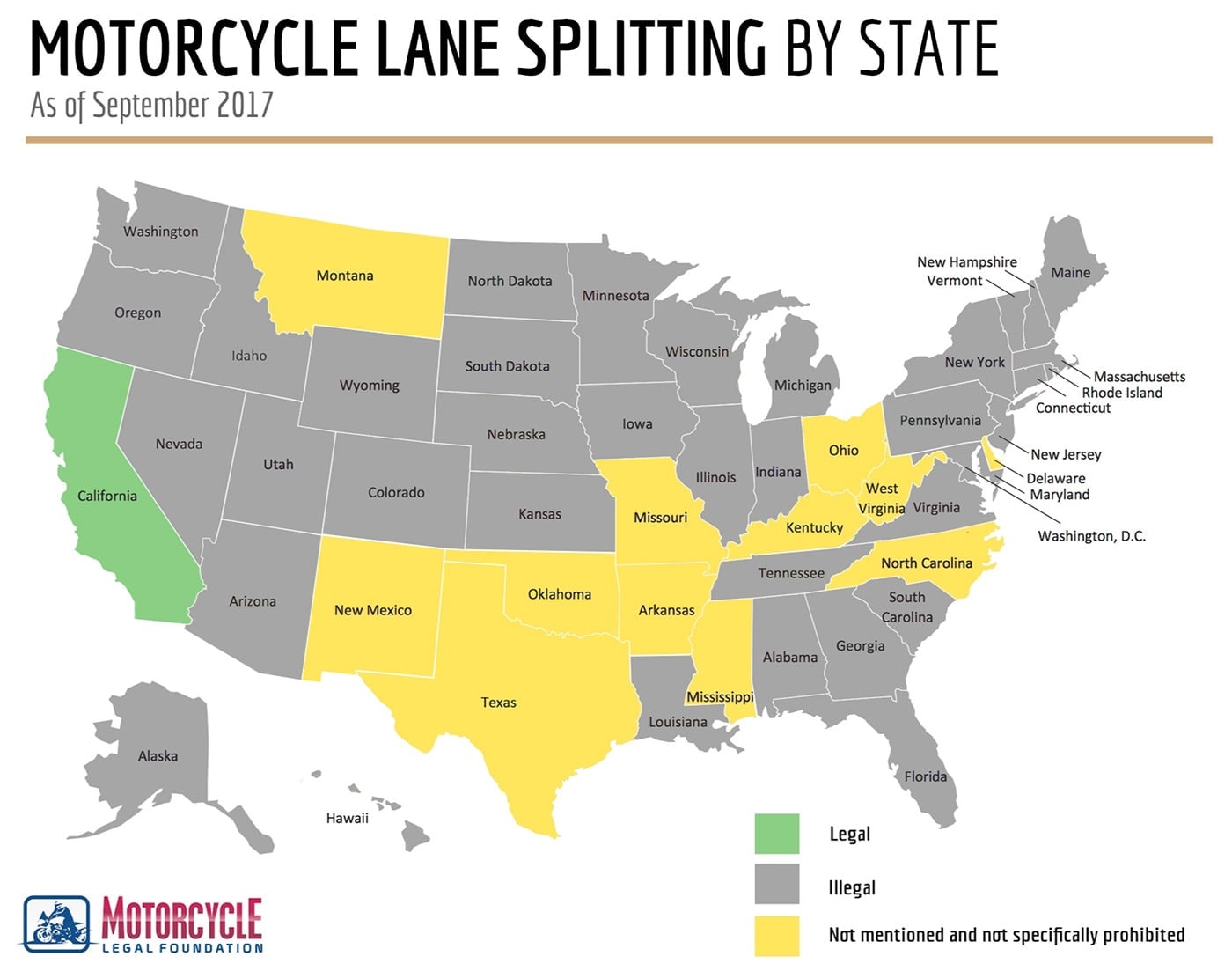
For many years, the answer to “Is lane splitting legal in Colorado?” was a resounding no. The state’s traffic laws explicitly prohibited motorcycles from riding between lanes of traffic. However, the legislative landscape shifted significantly in 2024, introducing a new era for motorcyclists in the state. This change marks a departure from a blanket prohibition, embracing a more nuanced approach that specifically permits lane filtering under certain conditions.
The Historical Context of Motorcycle Laws in Colorado
Historically, Colorado’s Uniform Traffic Code did not differentiate between lane splitting and lane filtering, effectively prohibiting both. This meant that any motorcycle operation between lanes of traffic, whether moving or stopped, was illegal and could result in citations and fines. The primary intent behind these laws was to ensure the safety of all road users by maintaining predictable traffic patterns. In a state renowned for its scenic drives and a burgeoning tourism industry, particularly for outdoor activities, predictable traffic flow is often seen as essential. Many riders from states where lane splitting or filtering is legal found this restriction a notable adjustment when visiting Colorado, impacting their overall travel experience and perceptions of motorcycle-friendly destinations. This blanket ban was in line with the majority of United States states, which have historically erred on the side of caution regarding these maneuvers.
The New Legislation: Lane Filtering for Stopped Traffic (SB24-079)
The spring of 2024 brought a significant change with the passage and signing of Senate Bill 24-079, often referred to as the “Motorcycle Lane Filtering” bill. This landmark legislation, effective August 7, 2024, amends Colorado’s traffic laws to allow lane filtering under specific, controlled circumstances. This development is a huge win for motorcycle advocates and riders who have campaigned for years, citing safety benefits and improved traffic flow.
Under SB24-079, motorcyclists are now legally permitted to move between lanes of stopped traffic in the same direction, provided they meet certain criteria:
- Speed Limit: The motorcycle must not exceed a speed of 15 miles per hour. This low-speed restriction is critical, emphasizing that the intent is for filtering, not high-speed splitting.
- Speed Differential: The motorcycle’s speed must not exceed the speed of the stopped traffic by more than 15 mph. In essence, if traffic is completely stopped, the motorcycle can move at up to 15 mph. If traffic is moving at 5 mph, the motorcycle can move at up to 20 mph (5 mph + 15 mph differential).
- Safe Conditions: The maneuver must be performed in a safe and prudent manner, ensuring there is enough room for the motorcycle to pass without endangering other vehicles or pedestrians. This subjective element places responsibility on the rider to assess the conditions carefully.
- Roadway Restrictions: The filtering is only allowed on roadways with at least two lanes of traffic moving in the same direction. It is not permitted on shoulders or bicycle lanes.
This new law explicitly does not legalize traditional lane splitting—riding between lanes of moving traffic at higher speeds remains illegal. It’s a targeted approach to address specific safety and congestion issues in stopped traffic.
What the New Law Means for Riders and Road Users
The implementation of SB24-079 has profound implications for motorcyclists traveling in Colorado. For those planning a motorcycle tour, whether it’s a rugged adventure through Durango and Silverton or a leisurely ride along the Peak to Peak Scenic Byway near Estes Park, this new flexibility can reduce stress and improve safety in congested areas. Riders will need to be thoroughly familiar with the specific conditions of the law to avoid fines and ensure their safety.
For other road users, the law introduces a new dynamic to traffic interactions. Drivers will need to be more aware of motorcycles in stopped traffic, particularly in urban environments like Denver or around popular landmarks. Educational campaigns will likely be crucial to inform the public about the new regulations, helping to prevent misunderstandings and potential accidents. The change also has broader implications for motorcycle tourism, potentially making Colorado an even more attractive destination for riders from states with similar or more restrictive laws, enhancing its appeal as a lifestyle choice for two-wheeled adventurers. This careful balance between rider freedom and public safety is characteristic of Colorado’s progressive approach to transportation and tourism.
Navigating Colorado’s Roads: Tips for Motorcyclists and Travelers
For those considering a motorcycle trip to Colorado, the new lane filtering law adds another layer of consideration to trip planning. Beyond legal compliance, ensuring a safe and enjoyable journey through the state’s diverse landscapes requires preparation and awareness. Colorado’s reputation as a premier destination for travel, tourism, and outdoor lifestyle experiences makes it an irresistible draw for motorcyclists, offering everything from challenging mountain passes to serene high-desert routes.
Essential Safety Practices Beyond the Law
While the new lane filtering law provides specific guidelines, responsible riding goes far beyond mere legal compliance. Safety should always be the paramount concern for any motorcyclist. When navigating Colorado’s roads, especially given the varying conditions from bustling city streets to remote mountain passes, several practices are crucial:
- Stay Visible: Wear bright clothing and use headlights, even during the day. Colorado’s dramatic scenery can sometimes distract drivers, so ensuring you’re seen is critical.
- Maintain Awareness: Practice defensive riding. Always anticipate potential hazards from other vehicles, wildlife, and changing road conditions. Mountain roads can have unexpected gravel or debris.
- Respect Weather Conditions: Colorado’s weather can change rapidly, particularly in the mountains. Be prepared for sudden rain, hail, or even snow, even in summer. Check forecasts regularly and plan routes accordingly.
- Skill and Training: Ensure you have the skills necessary for the terrain you plan to cover. Some mountain passes, like the Million Dollar Highway or the road to Pikes Peak, can be challenging for inexperienced riders. Consider advanced riding courses before tackling such routes.
- Gear Up: Always wear appropriate protective gear, including a helmet, gloves, jacket, pants, and sturdy boots. This is non-negotiable for safety.
- Understand Lane Filtering Nuances: Even where legal, exercise extreme caution when lane filtering. Make eye contact with drivers, be prepared for unexpected movements, and always prioritize safety over speed. Assume other drivers may not see you or understand the new law.
Popular Motorcycle Routes and Scenic Drives in Colorado
Colorado is a motorcyclist’s paradise, offering an incredible array of scenic routes that showcase its natural beauty and diverse landscapes. These routes contribute significantly to the state’s tourism appeal and offer unparalleled travel experiences.
- Million Dollar Highway (US-550): Part of the San Juan Skyway Scenic Byway in southwestern Colorado, this legendary stretch between Ouray and Silverton is renowned for its breathtaking views, steep drop-offs, and lack of guardrails. It’s an unforgettable, albeit challenging, ride that showcases the rugged beauty of the San Juan Mountains. It’s a prime example of a landmark experience for adventure tourism.
- Trail Ridge Road (US-34) in Rocky Mountain National Park: This is the highest continuous paved road in the United States, crossing the Continental Divide at over 12,000 feet. It offers spectacular alpine vistas and wildlife viewing opportunities. This route is typically open from late May to mid-October, depending on snow conditions, and requires an entrance pass for the national park. It’s an iconic destination for nature tourism and photography.
- Pikes Peak Highway: Near Colorado Springs, this highway takes riders to the summit of “America’s Mountain” at 14,115 feet. The views are panoramic, stretching across several states on a clear day. This is a unique landmark experience, though caution is advised on the descent due to steep grades.
- Highway 12 – Scenic Byway of Legends: Winding through southern Colorado from Walsenburg to La Veta and Trinidad, this route offers a mix of mountain passes, forests, and charming historic towns, connecting to the Great Sand Dunes National Park and Preserve nearby.
- Colorado State Highway 133 – West Elk Loop Scenic Byway: This loop takes you through the West Elk Mountains, past the stunning Maroon Bells near Aspen, and through Carbondale and Paonia. It’s a quintessential Colorado experience, showcasing lush forests, rivers, and charming small towns, perfect for those seeking a mix of nature and local culture.
Finding Accommodation and Planning Your Trip
No motorcycle adventure is complete without proper planning for accommodation and other travel logistics. Colorado offers a wide range of options to suit every budget and lifestyle, from luxury resorts to cozy roadside motels.
- Hotels and Resorts: Cities like Denver, Boulder, Aspen, and Vail boast numerous high-end hotels and resorts offering amenities like secure parking for motorcycles, spa services, and fine dining. For instance, the historic The Broadmoor in Colorado Springs or the modern Hyatt Regency Denver at Colorado Convention Center provide excellent bases for exploring.
- Budget-Friendly Stays: For budget travel, consider motels in smaller towns along your route, or look into guesthouses and apartments through various booking platforms. Many offer comfortable stays without the luxury price tag.
- Camping: For the true outdoor enthusiast, Colorado’s national forests and state parks offer abundant camping opportunities, ranging from developed campgrounds with amenities to dispersed camping sites. This can be an excellent option for those looking for a more immersive nature experience.
- Booking and Reviews: Always check reviews on platforms before booking accommodation. Look for mentions of motorcycle-friendly features, such as covered parking or proximity to amenities. Websites dedicated to motorcycle travel often have recommendations for “biker-friendly” hotels and resorts.
- Long-term Stays: If planning an extended trip or using a city like Denver as a base for multiple day rides, consider apartments or long-term stay hotels that offer more space and self-catering options, enhancing the lifestyle aspect of your journey.
Planning your itinerary to include popular landmarks, attractions, and diverse accommodations ensures a well-rounded and memorable Colorado motorcycle experience.
The Future of Motorcycle Travel and Legislation in Colorado
The passage of the lane filtering law in Colorado represents a significant evolution in motorcycle legislation, positioning the state among a growing number in the United States that recognize the specific needs and safety considerations of motorcyclists. This shift is not just about a single law; it reflects a broader trend toward re-evaluating road safety and efficiency for all modes of transport, with considerable implications for tourism, lifestyle, and the overall appeal of Colorado as a destination.
Broader Implications for Tourism and Lifestyle
The legalization of lane filtering is likely to enhance Colorado’s reputation as a welcoming state for motorcycle tourism. Riders from other states, particularly those where even filtering remains illegal, may find Colorado’s progressive stance appealing. This could lead to an increase in motorcycle travelers, boosting local economies in areas frequented by riders, such as charming mountain towns like Ouray and Glenwood Springs, which rely heavily on tourism revenue. More riders mean increased demand for hotels, resorts, and various accommodation types, from luxury suites to budget-friendly apartments. This also translates into more business for local restaurants, attractions, and tour operators, further enriching the local culture and providing unique experiences for visitors.
For residents who embrace the motorcycle lifestyle, the new law offers practical benefits, making daily commutes and weekend rides more efficient and potentially safer in congested areas, particularly around major cities like Denver and Boulder. This enhances the overall quality of life for the state’s vibrant motorcycling community. The focus on rider safety and reducing congestion aligns perfectly with Colorado’s commitment to sustainable travel and improving infrastructure for all users. The ease of navigating traffic in urban centers means riders can spend less time idling and more time enjoying the state’s numerous landmarks and natural beauty.
Advocacy and Potential Further Changes
The journey to legalize lane filtering in Colorado was the result of years of advocacy by motorcycle organizations and individual riders. Groups like the American Motorcyclist Association (AMA) have long championed the cause, presenting data on safety benefits and successful implementations in other regions. This successful legislative effort sets a precedent and could pave the way for further discussions regarding motorcycle laws in the state.
While full lane splitting (in moving traffic) remains illegal, the success of lane filtering in improving safety and traffic flow might encourage future legislative efforts to expand these rights, or at least refine the existing law. As more data becomes available on the impact of SB24-079, legislators and safety advocates will continue to evaluate its effectiveness. The conversation around motorcycle safety and efficiency is ongoing, adapting to new technologies, traffic patterns, and societal expectations. For now, Colorado has taken a measured step forward, balancing the interests of motorcyclists with the broader concerns of road safety. This careful approach ensures that Colorado remains a leading destination for memorable travel experiences, whether on two wheels or four, while continuously evolving its policies to reflect the dynamic nature of modern transportation and the vibrant lifestyle choices of its residents and visitors.
LifeOutOfTheBox is a participant in the Amazon Services LLC Associates Program, an affiliate advertising program designed to provide a means for sites to earn advertising fees by advertising and linking to Amazon.com. Amazon, the Amazon logo, AmazonSupply, and the AmazonSupply logo are trademarks of Amazon.com, Inc. or its affiliates. As an Amazon Associate we earn affiliate commissions from qualifying purchases.