
For anyone planning a trip to the sun-drenched shores of South Florida, the question of how far Miami, Florida, is from Fort Lauderdale, Florida, is a common one. These two vibrant cities, often considered sister destinations, form the heart of a bustling metropolitan area renowned for its stunning beaches, dynamic culture, and endless entertainment. While distinctly different in their character, their close proximity makes it incredibly easy for travelers to experience the best of both worlds, whether for a quick day trip, an extended vacation, or a business endeavor. Understanding the distance, travel options, and unique attractions of each city is key to unlocking a truly memorable South Florida adventure.
The Proximity and Appeal of South Florida’s Gems
The allure of South Florida lies not just in its individual cities but in the seamless way they connect, offering a diverse tapestry of experiences within a relatively small geographical area. Miami, with its international flair and vibrant nightlife, contrasts beautifully with Fort Lauderdale’s more relaxed, nautical charm. Yet, the journey between them is remarkably straightforward, inviting exploration of both.
A Tale of Two Cities: Defining the Distance
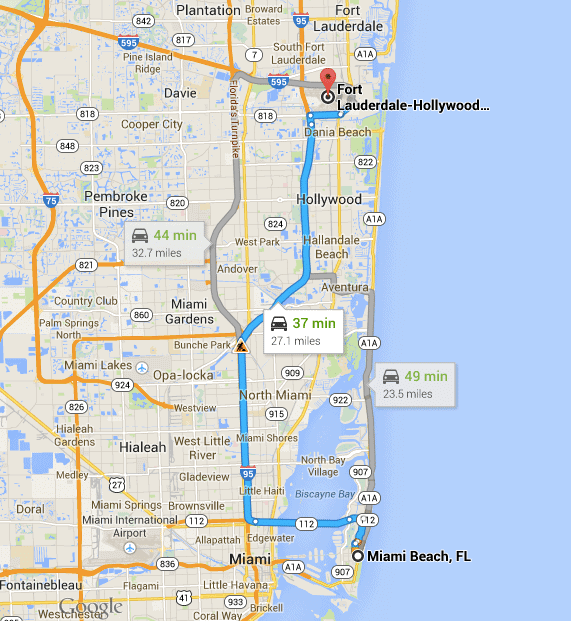
Geographically, Miami and Fort Lauderdale are situated along the southeastern coast of Florida, forming a significant portion of the region’s urban sprawl. The direct, “as the crow flies” distance between the city centers is approximately 25 miles (40 kilometers). However, when it comes to practical travel by road, this distance extends slightly due to the winding nature of highways and urban layouts.
The most common driving routes typically cover 30 to 35 miles (48 to 56 kilometers). Under optimal traffic conditions, a drive between downtown Miami and downtown Fort Lauderdale can take anywhere from 30 to 45 minutes. During peak commuting hours, especially weekday mornings and late afternoons, this travel time can easily extend to an hour or even more, a crucial factor for visitors to consider when planning their itineraries. The primary arteries connecting these cities are Interstate 95 and US-1, both offering distinct experiences, with I-95 being the faster, albeit often more congested, option, and US-1 providing a more scenic, local perspective.
Why Travel Between Miami and Fort Lauderdale?
The reasons for traversing the short distance between Miami and Fort Lauderdale are as varied as the visitors themselves. For many, it’s about maximizing their tourism experience. Tourists staying in Fort Lauderdale often venture south to explore Miami’s famous Art Deco Historic District on South Beach, immerse themselves in the vibrant Cuban culture of Little Havana, or marvel at the street art of the Wynwood Walls. Conversely, those based in Miami might head north to enjoy Fort Lauderdale’s pristine beaches, explore the Venice of America via its extensive canal system, or dine along Las Olas Boulevard.
Beyond leisure, the connectivity is vital for business. Both cities host major international airports – Miami International Airport (MIA) and Fort Lauderdale-Hollywood International Airport (FLL) – and significant cruise ports, PortMiami and Port Everglades. Travelers flying into one airport might cruise from the other, or attend conferences and meetings spread across the metropolitan area. This intertwining infrastructure underscores the region’s importance as a global hub for travel, trade, and leisure. The integrated lifestyle offerings, from world-class dining and high-end shopping to cultural festivals and sporting events, also draw residents and visitors alike to traverse the short distance, ensuring there’s always something new to experience in this dynamic corner of Florida.
Navigating the Journey: Transportation Options
Traveling between Miami and Fort Lauderdale is remarkably convenient, thanks to a robust network of roads and increasingly efficient public transportation. The choice of transport often depends on factors such as budget, time constraints, and the desired level of comfort or convenience.
Driving: The Most Common Route
For many, driving remains the preferred method of transport due to its flexibility and the ease of accessing various points within both cities. The principal artery connecting Miami and Fort Lauderdale is Interstate 95 (I-95), a multi-lane highway that runs parallel to the coast. This route offers the quickest journey, although it is notoriously susceptible to heavy traffic, especially during rush hours. An alternative, more local route is US-1, also known as Biscayne Boulevard in Miami and Federal Highway in Fort Lauderdale. While potentially slower due to traffic lights and urban congestion, US-1 offers a more direct view of the local communities, shops, and restaurants along the way.
For those without their own vehicle, car rental services are readily available at both Miami International Airport and Fort Lauderdale-Hollywood International Airport, as well as numerous downtown locations. Ride-sharing services like Uber and Lyft are also popular and widely accessible, providing a convenient door-to-door option without the hassle of parking, which can be challenging and expensive in popular areas like South Beach or downtown Fort Lauderdale. It’s worth noting that some routes, particularly sections of Florida’s Turnpike or express lanes on I-95, may involve tolls, which are predominantly electronic (SunPass or toll-by-plate).
Public Transportation and Rail Services
While driving offers flexibility, South Florida’s public transportation options have significantly improved, offering efficient and often more relaxing alternatives. The most notable development has been the introduction of Brightline, Florida’s intercity high-speed rail service. Brightline offers a premium travel experience, connecting downtown Miami, Fort Lauderdale, Aventura, Boca Raton, West Palm Beach, and now extending to Orlando. The journey between MiamiCentral Station and Fort Lauderdale Station typically takes around 30 minutes, making it an incredibly fast and comfortable option, especially for business travelers or those seeking to avoid traffic and parking. Brightline stations are centrally located and offer convenient connections to local transit or ride-sharing.
Another reliable rail service is Tri-Rail, a commuter rail line that runs parallel to I-95. Tri-Rail connects the three major airports in the region – Miami International Airport, Fort Lauderdale-Hollywood International Airport, and Palm Beach International Airport – and has numerous stops throughout Miami-Dade, Broward, and Palm Beach counties. While slower than Brightline, with travel times between Miami and Fort Lauderdale averaging 45-60 minutes, it offers a more budget-friendly option for daily commuters and travelers. Additionally, local bus services, provided by Miami-Dade Transit and Broward County Transit, offer extensive coverage within each county and some limited inter-county connections, though these are generally slower and best for shorter distances.

Alternative and Scenic Routes
For a truly unique Fort Lauderdale experience, consider using the Fort Lauderdale Water Taxi. While not a direct route to Miami, it’s an excellent way to explore Fort Lauderdale’s canals and waterways, connecting various attractions, restaurants, and hotels. This offers a relaxed, scenic alternative to road travel for local exploration. For those who enjoy a slower pace and beautiful vistas, a coastal drive along scenic routes that hug the Atlantic Ocean, such as parts of A1A, can offer stunning views and opportunities to stop at charming beach towns, although this would significantly extend the travel time between the two major cities.
Exploring South Florida: Attractions and Landmarks
The close proximity of Miami and Fort Lauderdale means that visitors can effortlessly experience the distinct flavors of both cities. Each boasts an impressive array of attractions, landmarks, and cultural experiences that cater to every taste and interest, making South Florida a truly comprehensive travel destination.
Miami’s Iconic Destinations
Miami pulsates with an energetic, multicultural beat. Its most famous stretch, South Beach, is instantly recognizable with its pastel-hued buildings lining Ocean Drive in the Art Deco Historic District. Here, visitors can soak up the sun, enjoy world-class dining, and dance the night away. Beyond the beaches, the city offers rich cultural experiences. Wynwood Walls transforms an industrial neighborhood into an outdoor art gallery, showcasing vibrant murals and street art. Little Havana, particularly along Calle Ocho, immerses visitors in Cuban heritage with its cigar shops, vibrant music, and delicious Cuban coffee.
For history and grandeur, the Vizcaya Museum & Gardens stands as a stunning European-inspired estate on Biscayne Bay, offering a glimpse into Miami’s early 20th-century elegance. Nature lovers can embark on a day trip to Everglades National Park, a unique wetland ecosystem teeming with wildlife. For shopping and entertainment, Bayside Marketplace offers waterfront views, live music, and diverse retail options. The city’s thriving culinary scene, from upscale luxury travel dining to authentic local eateries, complements its diverse attractions, cementing Miami’s status as a global hotspot.
Fort Lauderdale’s Charms and Waterways
Often dubbed the “Venice of America” due to its extensive canal system, Fort Lauderdale offers a more laid-back yet equally sophisticated atmosphere. The heart of its vibrant scene is Las Olas Boulevard, a picturesque street lined with chic boutiques, art galleries, and acclaimed restaurants that lead directly to the beach. Adjacent to Las Olas Boulevard is the Riverwalk Arts & Entertainment District, a scenic promenade home to museums, theaters, and a lively cultural scene.
Of course, the beaches are a primary draw. Fort Lauderdale Beach boasts pristine sands and a lively boardwalk, perfect for sunbathing, swimming, and people-watching. For a touch of nature amidst the urban landscape, Hugh Taylor Birch State Park provides an urban oasis with hiking trails, kayaking, and picnic areas. The city is also a major hub for cruises, with Port Everglades being one of the busiest cruise ports in the world. History and art enthusiasts will appreciate the Bonnet House Museum & Gardens, a historic estate preserving a unique piece of Fort Lauderdale’s past and natural beauty. Its emphasis on water-based activities, from yachting to paddleboarding, further distinguishes Fort Lauderdale as a premier destination for those who love the sea.
Accommodation and Lifestyle: Making the Most of Your Stay
Whether you’re visiting for leisure, business, or a blend of both, South Florida offers a vast array of accommodation options and lifestyle experiences designed to cater to every preference and budget. The proximity of Miami and Fort Lauderdale means that guests can easily base themselves in one city and explore the amenities of the other, enhancing their overall trip.
Diverse Accommodation Options
From opulent resorts to cozy apartments, the choices for hotels and accommodation in South Florida are extensive. In Miami, iconic luxury properties like the Fontainebleau Miami Beach offer a glamorous lifestyle experience with lavish pools, world-class dining, and vibrant nightlife. Boutique hotels such as The Plymouth Miami Beach provide a more intimate and curated stay, often with unique design elements and personalized service.
Fort Lauderdale also boasts an impressive selection of high-end hotels and resorts, including the elegant Ritz-Carlton Fort Lauderdale, known for its oceanfront location and impeccable service. Beyond luxury, both cities offer numerous mid-range hotels that provide comfort and excellent amenities for a more budget travel conscious traveler. For those seeking a more home-like experience, vacation rentals through platforms like Airbnb and Vrbo are widely available, offering apartments, villas, or even full homes, ideal for family trips or longer stays. Many properties feature full kitchens, multiple bedrooms, and access to private pools or beach areas, providing flexibility and privacy. When selecting accommodation, considering proximity to desired attractions or transportation hubs can significantly enhance the convenience of your stay.
Lifestyle and Travel Experiences
The lifestyle in South Florida is synonymous with sun, sea, and sophistication. The dining scene is exceptional, ranging from Michelin-starred restaurants serving innovative international cuisine to casual seafood shacks dishing out fresh catches. Miami is famous for its Latin American influences, while Fort Lauderdale offers a strong focus on fresh seafood and waterfront dining.
Shopping enthusiasts will find their paradise in both cities. Miami boasts upscale destinations like Bal Harbour Shops and the sprawling Aventura Mall, while Fort Lauderdale’s Las Olas Boulevard provides a charming street-level shopping experience with unique boutiques and galleries. Nightlife is vibrant and diverse, with Miami’s South Beach known for its pulsating clubs and Fort Lauderdale offering a more relaxed bar scene.
For family trips, both cities provide abundant activities, from interactive museums and state parks to safe, beautiful beaches. Cultural immersion opportunities abound, from art festivals and live music performances to exploring diverse neighborhoods that showcase the region’s rich history and demographics. For business stays, the presence of major convention centers, world-class hotels with extensive amenities, and convenient access to international airports make South Florida an ideal location for corporate events and professional engagements.
Planning Your South Florida Adventure: Tips and Considerations
Embarking on a South Florida adventure that spans both Miami and Fort Lauderdale can be incredibly rewarding. To ensure a smooth and enjoyable trip, a few practical tips and considerations regarding timing, booking, and local dynamics are invaluable.
Best Time to Visit and Weather
The subtropical climate of South Florida generally means warm weather year-round, but there are distinct seasons that impact the travel experience. The peak season runs from November to April, characterized by pleasant temperatures (mid-70s to low 80s Fahrenheit), lower humidity, and minimal rainfall. This is the ideal time for beach activities, outdoor dining, and exploring attractions. However, it’s also the busiest and most expensive period, so anticipate larger crowds and higher prices for flights and accommodation.
The off-season, from May to October, brings hotter temperatures, high humidity, and increased rainfall, often in the form of afternoon thunderstorms. This period also coincides with hurricane season, which officially runs from June 1st to November 30th. While hurricanes are relatively rare, it’s wise to monitor weather forecasts if traveling during these months. The upside of the off-season is fewer crowds and significantly lower prices, making it an excellent option for budget travel or those who prefer a quieter experience.
Practical Travel Tips
- Book in Advance: Especially during peak season or major events, securing flights, hotels, and popular attractions well in advance is highly recommended. Utilizing comparison tools for hotels and activities can help secure the best deals.
- Navigate Traffic Wisely: If driving, try to avoid peak commuting hours (7-9 AM and 4-6 PM on weekdays) when traveling between Miami and Fort Lauderdale on I-95. Utilizing Brightline for intercity travel can save significant time and stress. Always factor in potential traffic delays when planning your schedule.
- Embrace Local Etiquette: While South Florida is a melting pot of cultures, generally, a relaxed and friendly demeanor is appreciated. Tipping for services (restaurants, taxis, hotel staff) is customary.
- Combine Trips for Maximum Experience: Don’t limit yourself to just one city. The beauty of the Miami-Fort Lauderdale corridor is the ease with which you can explore both. Consider staying a few nights in Miami to soak in its vibrant energy, then move north to Fort Lauderdale for a more tranquil, beach-focused experience, or vice-versa. This allows you to fully appreciate the contrasting yet complementary lifestyle and culture of each.
- Stay Hydrated and Sun-Safe: The Florida sun can be intense. Drink plenty of water, use high-SPF sunscreen, and seek shade during the hottest parts of the day, especially if planning extensive outdoor activities.
In conclusion, the distance between Miami, Florida, and Fort Lauderdale, Florida, is minimal, making them an ideal duo for any South Florida itinerary. Whether you’re drawn by the pulsating energy of Miami’s cityscapes or the serene waterways of Fort Lauderdale, the journey between these two remarkable cities is an adventure in itself, promising a wealth of unforgettable experiences for every type of traveler.
LifeOutOfTheBox is a participant in the Amazon Services LLC Associates Program, an affiliate advertising program designed to provide a means for sites to earn advertising fees by advertising and linking to Amazon.com. Amazon, the Amazon logo, AmazonSupply, and the AmazonSupply logo are trademarks of Amazon.com, Inc. or its affiliates. As an Amazon Associate we earn affiliate commissions from qualifying purchases.