
Texas, a state renowned for its vast landscapes, rich history, and vibrant culture, attracts millions of visitors each year. From the bustling metropolises of [Houston] and [Dallas] to the historic charm of [San Antonio] and the eclectic vibe of [Austin], the Lone Star State offers an unparalleled array of experiences. Travelers plan their trips around iconic landmarks like the [Alamo], explore the natural beauty of [Big Bend National Park], or indulge in the state’s legendary barbecue and Tex-Mex cuisine. However, amidst planning accommodations, identifying key attractions, and immersing oneself in local culture, a crucial question often arises, particularly for those coming from states where cannabis is legal: “Is marijuana legal in [Texas]?” The simple answer, for recreational purposes, is largely no. This article delves into the complex legal landscape of cannabis in [Texas], offering essential insights for both curious travelers and discerning residents, all while considering its implications for tourism, lifestyle, and accommodation choices within this unique state.
The Complex Legal Landscape: Understanding Cannabis in Texas
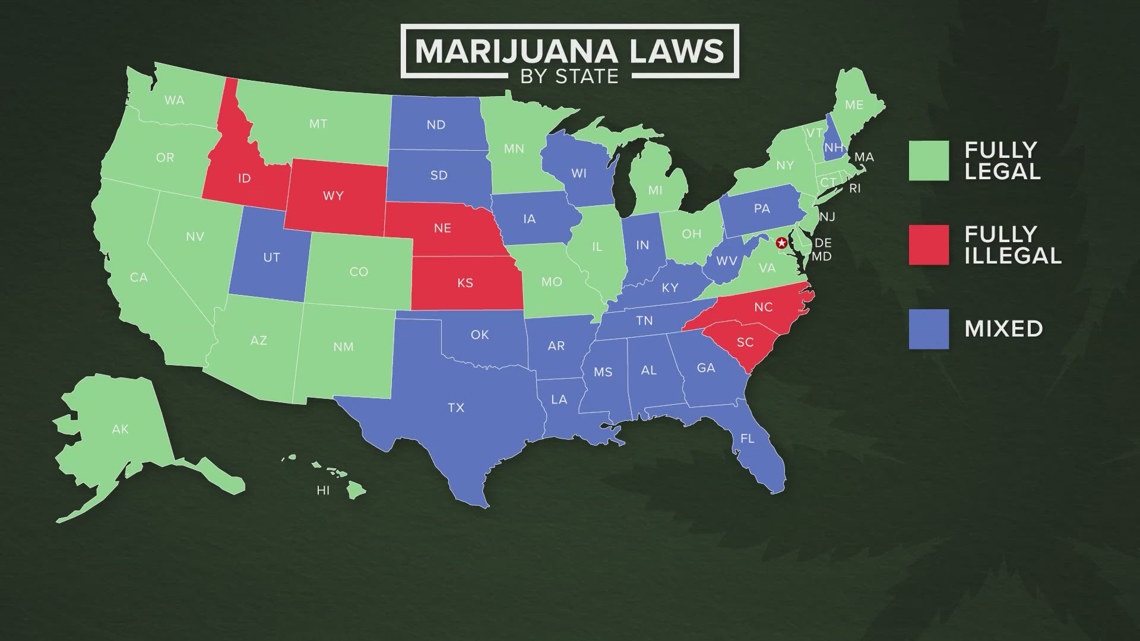
Unlike a growing number of states across the [United States], [Texas] has maintained a conservative stance on cannabis legislation. While federal law still classifies marijuana as a Schedule I controlled substance, states have increasingly carved out their own paths. However, [Texas]’s journey has been cautious and incremental, resulting in a patchwork of laws that can be confusing for even the most informed individual. Understanding these nuances is paramount for anyone visiting or residing in the state, impacting everything from travel decisions to daily lifestyle choices.
Federal vs. State Stance: A Divided Nation
At the federal level, the cultivation, possession, and distribution of marijuana remain illegal under the [Controlled Substances Act]. This federal prohibition creates significant hurdles, even for states that have fully legalized cannabis for medical or recreational use. For travelers, this means that even if you’re coming from a state like [Colorado] or [California] where recreational marijuana is legal, transporting cannabis across state lines, particularly into [Texas], is a federal offense. This also affects interstate commerce, banking for cannabis businesses, and even the approach taken by federal agencies present in [Texas], such as the [DEA] or [Border Patrol], especially near international borders or at major airports like [Dallas/Fort Worth International Airport] or [George Bush Intercontinental Airport] in [Houston].
The state of [Texas], while acknowledging the federal position, has also enacted its own laws. These laws generally view marijuana possession seriously, though there have been some minor shifts, particularly concerning medical use and hemp-derived products. This creates a challenging environment where visitors cannot simply assume that practices from other states will apply here.

The Texas Compassionate Use Program (TCUP): Limited Medical Access
While recreational marijuana remains illegal, [Texas] does have a highly restricted medical marijuana program known as the Texas Compassionate Use Program. Established in 2015 and expanded incrementally since then, [TCUP] is far from a comprehensive medical cannabis program found in many other states. Initially, it provided access only to low-THC cannabis (with less than 0.5% tetrahydrocannabinol or [THC]) for patients with intractable epilepsy. Subsequent legislative sessions have expanded the list of qualifying conditions, which now include multiple sclerosis, spasticity, autism, terminal cancer, certain neurological disorders, and seizure disorders.
Patients seeking access to [TCUP] must be residents of [Texas] and obtain a prescription from a qualified physician registered with the program. The cannabis dispensed through [TCUP] is typically in oil or edible form; smokable flower is generally not permitted. This narrow scope means that many patients who might qualify for medical marijuana in other states would not meet the stringent criteria in [Texas]. For travelers, this implies that out-of-state medical marijuana cards are not recognized, and purchasing or possessing cannabis even for medical purposes without a [TCUP] prescription is illegal. This affects lifestyle considerations for individuals who rely on cannabis for their health and who are planning extended stays or even short trips to [Texas], influencing their choice of accommodation or travel itinerary to ensure compliance with state law.
The Nuance of CBD and Hemp-Derived Products: A Legal Grey Area
One of the most significant developments in [Texas]’s cannabis landscape came with the passage of the 2018 [Farm Bill] at the federal level. This bill legalized hemp by removing it from the definition of marijuana, provided it contains less than 0.3% [Delta-9 THC] on a dry weight basis. [Texas] followed suit with [House Bill 1325] in 2019, which officially legalized the cultivation, processing, and sale of hemp and hemp-derived products within the state.
This legislative shift opened the door for a booming market of products containing cannabidiol ([CBD]) and, more recently, other hemp-derived cannabinoids like [Delta-8 THC], [Delta-10 THC], and [HHC]. These products, often derived from legal hemp, can induce intoxicating effects similar to, though typically milder than, traditional [Delta-9 THC] marijuana. They are widely available in various forms — oils, edibles, vapes, and even smokable hemp flower — and can be found in smoke shops, convenience stores, and specialized dispensaries across [Texas], including popular tourist destinations.
While these products are generally legal under current [Texas] law, their legality is often challenged and remains a topic of ongoing debate and potential future legislation. For travelers and residents, it’s crucial to understand:
- CBD: Non-intoxicating and widely available, [CBD] products derived from hemp are legal in [Texas] as long as they adhere to the 0.3% [Delta-9 THC] limit.
- Delta-8 THC and other novel cannabinoids: These are intoxicating and currently legal in [Texas] due to a loophole related to the 0.3% [Delta-9 THC] threshold. However, this legal status is fluid and could change. Consumers should exercise caution and be aware of potential legal shifts.
- Testing: The quality and [THC] content of these products can vary. Reputable vendors provide third-party lab testing results.
- Workplace Policies: Even if legal under state law, consumption of these products might violate workplace drug policies.
This legal grey area has implications for tourism, as visitors might encounter these products in shops and be unsure of their legality. It also shapes lifestyle choices, as residents navigate their use and accessibility. Accommodation providers, from luxury [hotel suites] in [Uptown Dallas] to [boutique hotels] in [South Congress Avenue] in [Austin], may have varying policies regarding the use of vaping or smoking any substance, regardless of its legal status.
Decriminalization Efforts vs. Full Legalization
While full recreational legalization has not occurred at the state level, some cities in [Texas] have taken steps towards “decriminalization” or implementing “cite and release” policies for low-level marijuana possession. Cities like [Austin], [Dallas], [San Antonio], and [Killeen] have adopted measures that aim to reduce arrests and jail time for small amounts of marijuana, instead issuing citations or diverting individuals to educational programs. In [Austin], voters even approved a measure in 2022 to essentially decriminalize low-level marijuana possession.
It is vital to understand that “decriminalization” is not the same as “legalization.” State law still considers possession of any amount of marijuana a criminal offense. A “cite and release” policy means that an officer may issue a citation instead of making an arrest, but the individual is still charged with a crime. This distinction is critical for travelers, as rules can vary significantly from one county or city to another. Relying on local policies without understanding the overarching state law can lead to unexpected legal trouble. For those planning a trip, whether it’s a family vacation to [Galveston Island] or a business stay in the [Houston Galleria] area, being aware of these local variations is key to a hassle-free experience.
What Travelers Need to Know: Navigating Texas as a Visitor
For visitors planning a trip to [Texas], understanding the state’s cannabis laws is as important as knowing where to find the best barbecue or which [historic landmarks] to visit. The consequences of violating these laws can range from significant fines to jail time, potentially disrupting travel plans and future opportunities.
Risks and Penalties for Visitors
Possession of marijuana in [Texas], regardless of whether you are a resident or a visitor, carries serious penalties:
- Possession of 2 ounces or less: A Class B misdemeanor, punishable by up to 180 days in jail and/or a fine of up to $2,000.
- Possession of 2 to 4 ounces: A Class A misdemeanor, punishable by up to 1 year in jail and/or a fine of up to $4,000.
- Possession of over 4 ounces: Felony charges, with penalties escalating significantly based on the amount.
- Consequences beyond fines and jail: These can include driver’s license suspension, difficulty securing employment, and negative impacts on immigration status for non-citizens.
For travelers, a conviction can mean travel restrictions, difficulties re-entering the [United States] (for international visitors), or issues with professional licenses. It’s simply not worth the risk to bring cannabis into [Texas] or attempt to purchase it illegally. Visitors should also be cautious about hemp-derived [Delta-8] products, as their legal status, while currently permissive, could be subject to change or misinterpretation by law enforcement.
Navigating Texas Airports and Border Patrol
Travel by air into and out of [Texas] requires particular vigilance. Despite what local laws might permit in your departure state, federal law governs air travel. Airports like Austin-Bergstrom International Airport, Dallas Love Field, and San Antonio International Airport are under federal jurisdiction. This means that [TSA] agents, while primarily focused on security threats, are mandated to report discoveries of illegal substances to local law enforcement. Even if you’re flying from one legal state to another, transiting through [Texas] with cannabis is a federal offense.
For those traveling by car, particularly near the [Mexico] border or across state lines, [Border Patrol] and state troopers are active. While internal checkpoints are controversial, they do exist, and federal agents are bound by federal law regarding cannabis. The advice is clear: do not travel with cannabis into [Texas], whether by air or by road.
Accommodation Policies: Hotels, Resorts, and Rentals
When it comes to accommodation, properties generally follow state and federal laws, but also have their own specific policies.
- Hotels and Resorts: Major hotel chains like [Hilton], [Marriott], [Hyatt], or [InterContinental Hotels] and independent [boutique hotels] will explicitly prohibit the use of illegal substances on their premises. This includes smoking or vaping in rooms, [suites], or common areas. Even in states where cannabis is legal, many hotels maintain smoke-free policies, and this certainly extends to [Texas]. Disregarding these rules can lead to fines, eviction, and even legal repercussions if law enforcement is involved. Guests should consult hotel policies regarding smoking and vaping before booking, whether it’s a luxury stay at the [Four Seasons Austin] or a budget-friendly option.
- Vacation Rentals (e.g., Airbnb, VRBO): While individual owners might have more varied rules, most platforms and hosts will prohibit illegal activities. Some hosts might be more lenient with [CBD] or legal hemp-derived products, but it’s crucial to communicate directly with the host to understand their specific house rules. Many rental properties, similar to hotels, will have strict no-smoking policies inside the premises. For travelers considering [long-term stays] in [apartments] or [villas], understanding these rules is essential for a comfortable and lawful experience.
- Amenities: Don’t expect to find cannabis-friendly amenities at any legitimate accommodation provider in [Texas]. The focus will be on traditional offerings such as fitness centers, pools, and dining options.
For a stress-free trip, it’s best to assume a no-tolerance policy from accommodation providers regarding cannabis and respect their rules, irrespective of personal views on its legality.
Implications for Texas Tourism and Lifestyle
The current cannabis laws in [Texas] profoundly influence various aspects of the state’s tourism industry and the lifestyle of its residents. While [Texas] prides itself on its hospitality and freedom, these laws present unique considerations.
How Laws Affect Local Experiences and Attractions
[Texas]’s tourism industry thrives on its diverse offerings: the music scene in [Austin], the space exploration history at [NASA Johnson Space Center] in [Houston], the riverwalk in [San Antonio], and the vibrant arts districts in [Dallas]. For visitors, the prohibition of recreational cannabis means that these experiences are to be enjoyed without the addition of recreational cannabis consumption. Unlike cities in states with legal cannabis, you won’t find cannabis lounges, cafes, or consumption-friendly tours in [Texas]. This shapes the ‘local culture’ aspect, encouraging visitors to embrace traditional forms of entertainment and leisure.Travelers need to be mindful of public consumption laws, which are generally strict for any intoxicating substance. While exploring [landmarks] or participating in outdoor [activities] like hiking in [Big Bend] or relaxing on the [Galveston] beaches, adherence to all local laws is expected. The state’s approach to cannabis also means that event organizers for festivals or concerts will maintain strict policies against cannabis use on their grounds.
Business Travel and Corporate Policies
For business travelers, the landscape is particularly rigid. Many corporations, especially those with federal contracts or operations in multiple states, maintain a strict drug-free workplace policy, even if an employee is traveling from a state where cannabis is legal. Business trips to [Texas] mean adhering to [Texas] state laws and federal regulations. Employees should be aware that corporate drug testing policies typically include cannabis, and a positive test could have significant career implications.
This affects choices for [business stays], from choosing a [hotel] with specific business [amenities] to understanding the local customs and laws that govern behavior outside of official business hours. Companies operating in [Texas] often have clear guidelines for their employees regarding substance use, reinforcing the importance of respecting state law.
The Economic and Social Debate
The debate over cannabis legalization in [Texas] is robust and ongoing. Proponents argue for the economic benefits, including tax revenue that could fund public services, and the creation of new jobs in cultivation, processing, and retail. They also highlight social justice issues, pointing to disproportionate arrests and convictions among certain demographics. Opponents often cite public health concerns, potential increases in impaired driving, and the desire to maintain traditional social values.
This dynamic political environment means that while the current laws are strict, there is continuous legislative effort to reform them. Future sessions of the [Texas Legislature] may see renewed pushes for broader medical access, decriminalization, or even full legalization. Public opinion polls have shown increasing support for cannabis reform among [Texas] residents, suggesting that the state’s cannabis landscape could evolve over time. However, for the foreseeable future, the current conservative legal framework remains firmly in place.
Looking Ahead: The Future of Cannabis in Texas
The question “Is marijuana legal in [Texas]?” currently yields a complex answer: recreational use is illegal, medical access is highly restricted, and hemp-derived products occupy a legal grey area. For travelers, the advice is unequivocal: do not bring cannabis into [Texas], do not attempt to purchase it illegally, and understand the strict penalties. For residents, navigating the nuances of [TCUP] and hemp products requires careful attention to the evolving legal framework.
While [Texas] may eventually join the ranks of states with more permissive cannabis laws, for now, visitors and residents must respect the existing regulations. The state’s unique charm and attractions are best enjoyed with a clear understanding of its laws, ensuring a safe, legal, and truly enjoyable experience in the Lone Star State. Whether your journey takes you to the vibrant arts scene of [Dallas], the historic battlegrounds of [San Antonio], or the tranquil beauty of [Padre Island National Seashore], responsible travel and adherence to local laws will always ensure the best possible trip.
LifeOutOfTheBox is a participant in the Amazon Services LLC Associates Program, an affiliate advertising program designed to provide a means for sites to earn advertising fees by advertising and linking to Amazon.com. Amazon, the Amazon logo, AmazonSupply, and the AmazonSupply logo are trademarks of Amazon.com, Inc. or its affiliates. As an Amazon Associate we earn affiliate commissions from qualifying purchases.