
Often envisioned as a sprawling landscape of flat plains, arid deserts, and the occasional rolling hill, the majestic image of mountains might not be the first thing that comes to mind when one thinks of Texas. Yet, this geographically diverse state holds a spectacular secret: a significant portion of its western expanse is dominated by impressive mountain ranges, offering breathtaking vistas, challenging treks, and unique natural wonders. Far from being a flat expanse, Texas proudly hosts a rugged, mountainous terrain that surprises many, beckoning adventurers, nature enthusiasts, and those simply seeking a different kind of travel experience.
The answer to “Does Texas have mountains?” is a resounding yes! These geological marvels are primarily concentrated in West Texas, a region characterized by its remote beauty and stark contrasts. Here, ancient geological forces have sculpted the landscape into dramatic peaks, deep canyons, and vast plateaus. From the towering summits of the Guadalupe Mountains to the volcanic formations of the Chisos Mountains and the serene sky islands of the Davis Mountains, this part of the Lone Star State offers a mountain experience that rivals many better-known destinations. Exploring these areas opens up a world of unparalleled outdoor activities, rich history, and captivating natural beauty, making Texas’s mountains an essential addition to any travel itinerary focusing on unique destinations and unforgettable experiences.
The Rugged Grandeur of West Texas’s Mountain Ranges
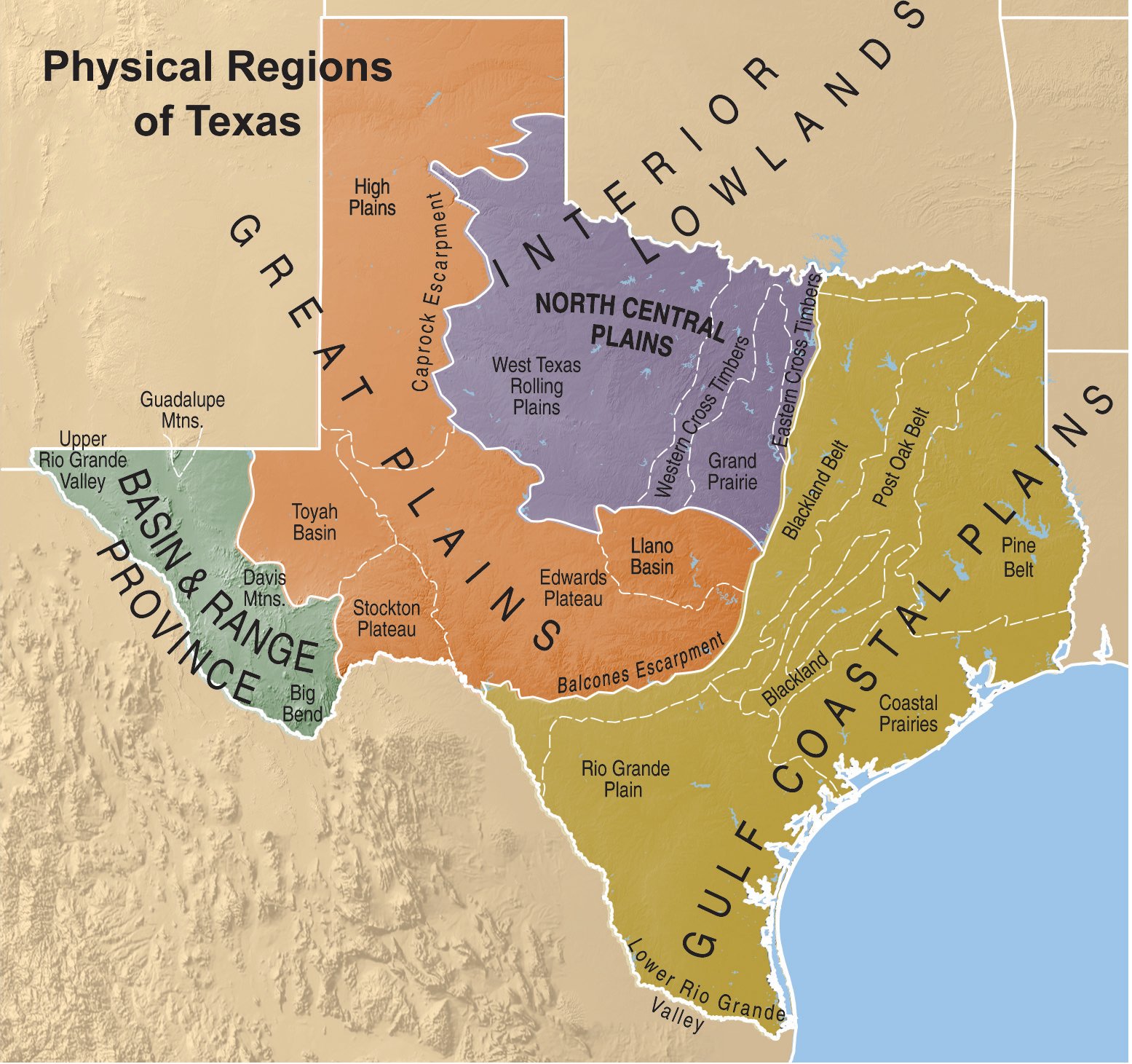
The mountainous regions of West Texas are not just isolated peaks but form part of larger systems, primarily the Basin and Range Province, which extends across much of the southwestern United States. This geological province is defined by its characteristic alternating series of fault-block mountains and arid valleys. These mountains are not just geological features; they are pivotal landmarks that define the region’s character and provide a sanctuary for diverse flora and fauna, alongside incredible opportunities for tourism and travel.
Guadalupe Mountains National Park: Home to the Texas Highpoint
Foremost among Texas’s mountainous attractions is Guadalupe Mountains National Park, a true gem located near the border with New Mexico. This park is home to Guadalupe Peak, the highest point in Texas, soaring to an impressive 8,751 feet (2,667 meters) above sea level. The peak, often referred to as the “Top of Texas,” offers a challenging yet rewarding hike, culminating in panoramic views that stretch for miles across the desert and surrounding mountains.
The park itself is a segment of an ancient fossil reef, uplifted and exposed by tectonic forces over millions of years. This unique geological history is evident in formations like El Capitan, a sheer limestone cliff face that stands as an iconic symbol of the park, revered by climbers and photographers alike. Guadalupe Mountains National Park is not just about the peaks; it also features diverse ecosystems ranging from desert scrub at its base to lush riparian areas in its canyons, and even pine forests at higher elevations. Visitors can explore deep canyons like McKittrick Canyon, particularly stunning in the autumn when bigtooth maples transform into a riot of fall colors, an unexpected sight in the desert landscape. For those interested in extended experiences, the park offers primitive backcountry camping, providing an immersive stay amidst the rugged wilderness.
Big Bend National Park: A Diverse Mountainous Oasis
Further south, along the bend of the Rio Grande that forms the international boundary with Mexico, lies Big Bend National Park. This vast and remote park is one of the largest and least visited national parks in the United States, offering an unparalleled sense of solitude and adventure. At its heart lie the Chisos Mountains, the only mountain range in the United States entirely contained within a national park. These “sky island” mountains rise dramatically from the surrounding desert, creating a microclimate that supports a rich diversity of plant and animal life not found elsewhere in the park.
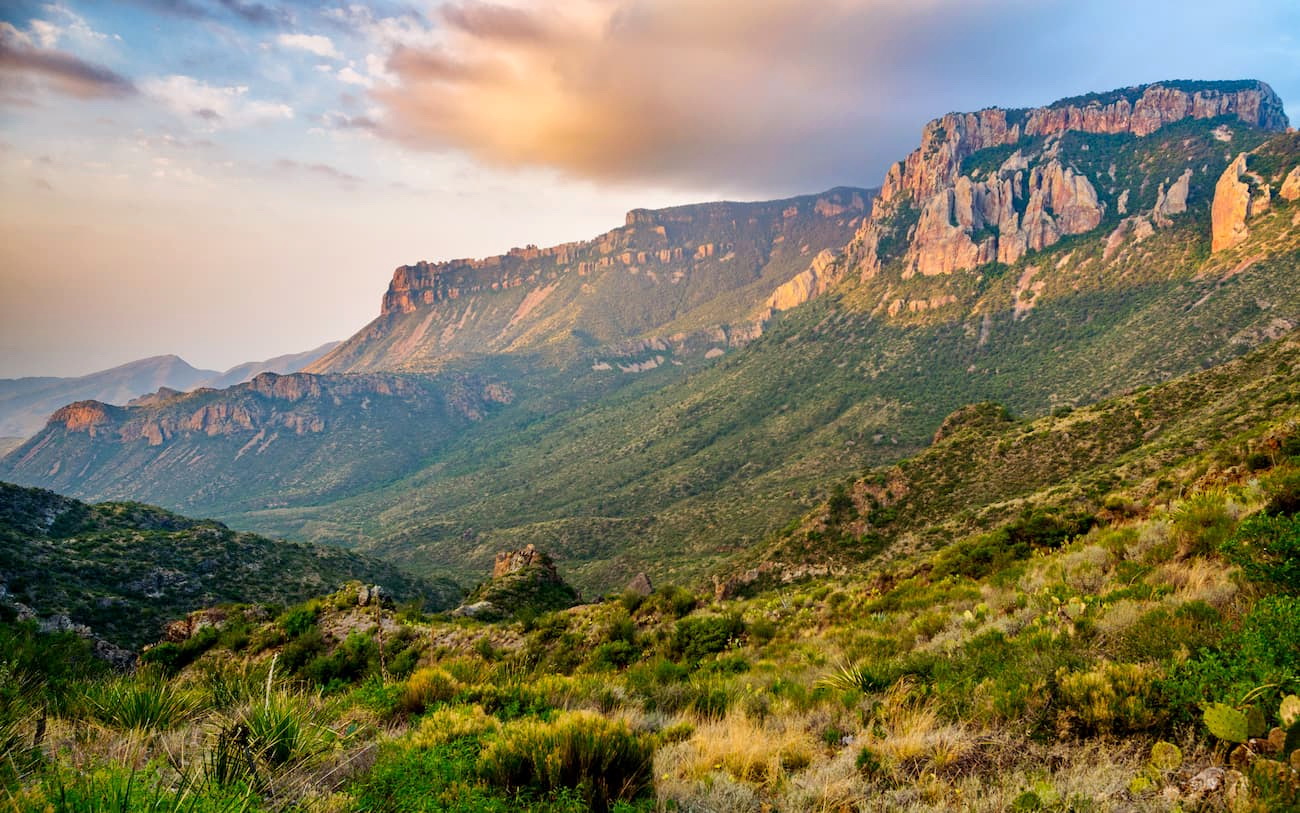
The Chisos Mountains boast Emory Peak, the highest point within the range at 7,825 feet (2,385 meters). Hiking to Emory Peak is a challenging endeavor, but the panoramic views from its summit, encompassing vast expanses of desert, mountain, and the winding Rio Grande, are truly unforgettable. The park is a paradise for hikers, with trails ranging from easy strolls through desert washes to strenuous climbs up mountain passes. Beyond the Chisos Mountains, Big Bend offers magnificent river canyons like Santa Elena Canyon, where towering limestone walls plunge into the Rio Grande, and vast desert expanses dotted with unique flora and fauna. The sheer scale and diversity of Big Bend National Park make it a premier destination for rugged travel and immersing oneself in raw nature.
Davis Mountains: A Sky Island Retreat
Nestled between Guadalupe Mountains National Park and Big Bend National Park are the Davis Mountains, another magnificent “sky island” range. Rising from the Chihuahuan Desert floor, these mountains are cooler and wetter than their surroundings, boasting extensive stands of ponderosa pine, aspen, and oak forests. This unique environment makes the Davis Mountains a haven for wildlife and a popular escape from the summer heat.
The highest point in the Davis Mountains is Mount Livermore at 8,378 feet (2,554 meters). The range is also home to the McDonald Observatory, operated by the University of Texas at Austin. Due to its high elevation, clear skies, and minimal light pollution, the McDonald Observatory is one of the world’s premier astronomical research facilities and a fantastic public attraction for stargazing. Fort Davis, a charming historic town at the base of the mountains, offers a glimpse into the Old West with its well-preserved frontier military post, Fort Davis National Historic Site. The Davis Mountains provide excellent opportunities for scenic drives, hiking, birdwatching, and enjoying the cooler mountain air.
Beyond the Main Ranges: More Mountainous Wonders
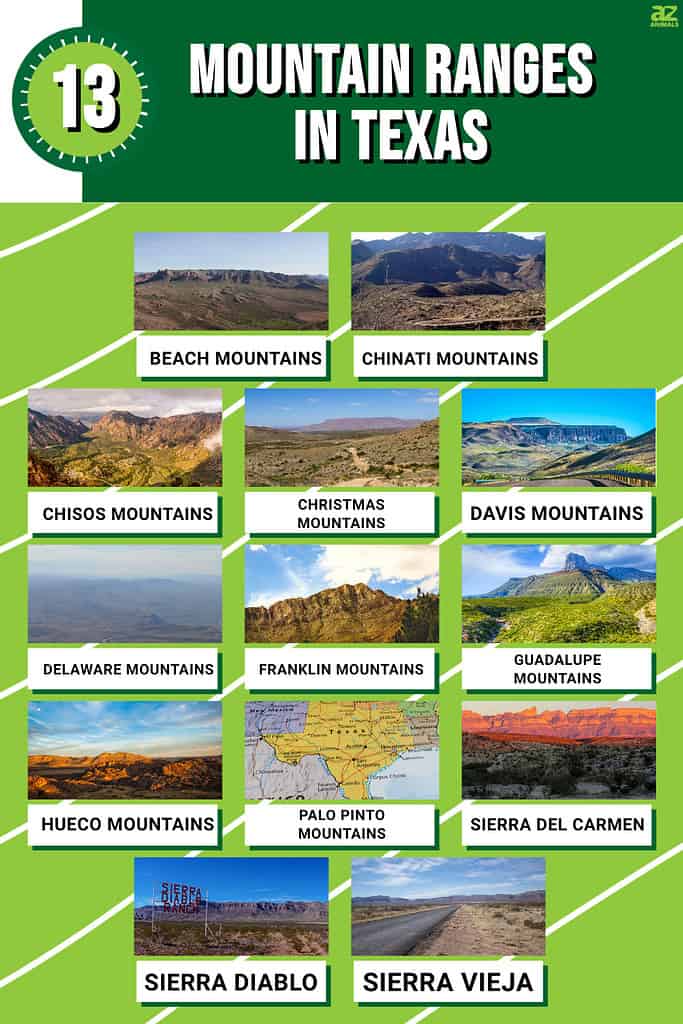
While Guadalupe, Chisos, and Davis Mountains are the most prominent, West Texas is dotted with several other smaller but equally significant mountain ranges and geological features. These areas further contribute to the state’s surprising mountainous character and offer additional attractions for visitors.
Franklin Mountains State Park and Hueco Tanks
Near the vibrant city of El Paso, the Franklin Mountains rise majestically, forming Franklin Mountains State Park, the largest urban state park in the United States. These ancient mountains, formed over 1.2 billion years ago, offer numerous trails for hiking, mountain biking, and rock climbing, providing a stunning natural backdrop to the city. The park offers accessible experiences for both family trips and serious adventurers, with elevations reaching over 7,000 feet.
A short drive northeast of El Paso is Hueco Tanks State Park & Historic Site. While not a mountain range in the traditional sense, this area features massive granite boulders and rock formations with natural depressions (huecos) that collect rainwater. These formations rise significantly from the desert floor, providing excellent bouldering and rock climbing opportunities, as well as a rich cultural history with thousands of pictographs left by early inhabitants. It’s a unique landmark that combines outdoor adventure with deep local culture.
Big Bend Ranch State Park and Balmorhea State Park
Often called the “Other Side of Big Bend,” Big Bend Ranch State Park is Texas’s largest state park. It encompasses rugged mountains, expansive desert, and remote stretches of the Rio Grande. This park offers an even wilder, more primitive experience than its national park neighbor, with opportunities for backpacking, horseback riding, and river trips amidst its challenging terrain and stunning volcanic formations.
While not mountainous, Balmorhea State Park is worth mentioning for its proximity and unique attraction in the West Texas region. It is home to the world’s largest spring-fed swimming pool, a refreshing oasis in the desert, often visited by those exploring the nearby Davis Mountains. This blend of mountain adventure and unique natural oases highlights the diverse experiences available in West Texas.
Planning Your Mountain Adventure in Texas
A trip to Texas’s mountains is an adventure that requires careful planning, much like any significant outdoor travel experience. This remote region offers a different kind of lifestyle for visitors, focusing on self-reliance, appreciation for nature, and unparalleled stargazing.
Where to Stay: Accommodation Options
Accommodation in West Texas’s mountainous regions ranges from rustic camping to unique boutique hotels and resorts. Within the national and state parks, camping is the primary option, with both developed campgrounds and backcountry sites available. Booking well in advance is highly recommended, especially during peak seasons.
For those seeking more comfort, nearby towns offer various choices:
- Near Guadalupe Mountains National Park: The closest towns are Van Horn or Carlsbad, New Mexico. While Van Horn offers basic hotels, Carlsbad provides more options, and is also the gateway to Carlsbad Caverns National Park.
- Near Big Bend National Park: The Chisos Basin in the park offers a lodge, Chisos Mountains Lodge, which is usually booked solid months ahead. Outside the park, the small, quirky towns of Terlingua, Lajitas, and Study Butte offer a mix of hotels, motels, and unique vacation rentals. The Lajitas Golf Resort provides a more luxury travel experience with its full amenities and resort features.
- Near Davis Mountains: Fort Davis, Alpine, and Marfa are excellent bases. Fort Davis has several charming hotels and B&Bs. Alpine offers more standard hotel chains. Marfa, a hub for contemporary art, has a selection of boutique hotels and unique accommodations, including the historic Hotel Paisano and The Gage Hotel in Marfa and Marathon respectively, offering a blend of history and comfort.
Regardless of your preference for luxury travel or budget travel, it’s advisable to check reviews and book your accommodation in advance, especially during popular seasons, as options can be limited in this remote area.
Best Time to Visit and Essential Tips
The best time to visit Texas’s mountains is generally during the cooler months, from late fall through early spring (October to April). Summers can be intensely hot, especially in the lower elevations of Big Bend, although the higher elevations of the Chisos and Davis Mountains offer some respite. Spring brings wildflowers, while fall showcases stunning foliage in certain canyons of the Guadalupe Mountains.
Essential Tips for Your Trip:
- Vehicle: A reliable vehicle, preferably with high clearance for some unpaved park roads, is crucial. Fuel stations are sparse; plan accordingly.
- Water: Carry significantly more water than you think you’ll need. Dehydration is a serious risk in the arid environment.
- Layered Clothing: Temperatures can fluctuate dramatically between day and night, and with elevation changes.
- Navigation: Cell service is unreliable or nonexistent in many areas. Bring maps, a compass, or a GPS device.
- Stargazing: West Texas boasts some of the darkest night skies in the United States. Don’t forget to look up!
- Respect Wildlife: Keep a safe distance from all animals, including javelinas, bears, and mountain lions.
- Leave No Trace: Preserve the pristine nature by packing out everything you pack in.
In conclusion, the answer to whether Texas has mountains is not only affirmative but also points to some of the most spectacular and underexplored natural landmarks in the United States. From the iconic peaks of Guadalupe to the isolated majesty of the Chisos and the serene beauty of the Davis Mountains, West Texas offers a unique and unforgettable mountain experience. For those seeking adventure, solitude, and a deep connection with nature, a journey to the mountains of Texas is a travel experience that will undoubtedly leave a lasting impression.
LifeOutOfTheBox is a participant in the Amazon Services LLC Associates Program, an affiliate advertising program designed to provide a means for sites to earn advertising fees by advertising and linking to Amazon.com. Amazon, the Amazon logo, AmazonSupply, and the AmazonSupply logo are trademarks of Amazon.com, Inc. or its affiliates. As an Amazon Associate we earn affiliate commissions from qualifying purchases.