
The evolving landscape of cannabis legislation across the United States has brought significant changes for both residents and visitors alike. Among the states embracing this shift is Connecticut, which has moved to legalize recreational marijuana for adult use. This pivotal decision has opened new doors for conversations around personal freedoms, economic opportunities, and, crucially for travelers, how this impacts their experience in the Nutmeg State. For anyone planning a trip to Connecticut – whether for its charming coastal towns, vibrant cities, historic landmarks, or scenic beauty – understanding the nuances of its cannabis laws is paramount. It’s no longer just about exploring the Mystic Seaport Museum or wandering the campus of Yale University; it’s also about being informed on the legal framework surrounding cannabis to ensure a smooth, enjoyable, and compliant visit.
The short answer to the question “Is Marijuana Legal in Connecticut?” is yes, for adults 21 and older. However, as with any emerging legislation, the details are intricate and often come with a range of restrictions and considerations, particularly for those unfamiliar with the state’s specific regulations. From where you can legally purchase and consume cannabis to the limits on possession and the strict rules against impaired driving, a comprehensive understanding is essential for both residents and tourists. This guide aims to demystify Connecticut’s cannabis laws, offering insights tailored for travelers, highlighting the practical implications for accommodation choices, public behavior, and overall travel planning within this picturesque New England state.
Understanding Connecticut’s Cannabis Laws for Visitors and Residents
Connecticut’s journey towards cannabis legalization culminated with the signing of House Bill 1201 into law in June 2021. This landmark legislation marked a significant shift, making Connecticut the 19th state to legalize adult-use cannabis. While the law permits recreational use, it’s crucial to distinguish between what is legal and what remains restricted. For visitors, understanding these parameters is key to avoiding legal pitfalls and ensuring a pleasant stay.
A Brief History of Legalization
The path to legalization in Connecticut was progressive. Prior to 2021, the state had already established a medical marijuana program in 2012, allowing registered patients to access cannabis for therapeutic purposes. The decriminalization of small amounts of cannabis followed in 2011, reducing possession of less than half an ounce to a civil infraction rather than a criminal offense. These steps laid the groundwork for the broader legalization of adult-use cannabis, driven by a combination of social justice initiatives, economic considerations, and evolving public opinion. The new law, which officially went into effect on July 1, 2021, allowed adults 21 and older to possess and consume specific amounts of cannabis, with retail sales commencing in January 2023. This phased approach allowed the state to establish a regulated market, addressing concerns around public safety, health, and economic equity.
Key Provisions of the Law
For any individual in Connecticut, whether a long-time resident or a weekend visitor, several key provisions of the adult-use cannabis law are particularly important:
- Possession Limits: Adults aged 21 and over are legally permitted to possess up to 1.5 ounces of cannabis flower or an equivalent amount of concentrated cannabis on their person. This limit is extended to 5 ounces of cannabis in a locked glove box or trunk of a vehicle, or in a locked container at a private residence. It’s vital to note that these limits apply to possession within the state and do not permit transportation across state lines, which remains a federal offense.
- Home Cultivation: The law also allows for limited home cultivation for personal use. As of July 1, 2023, adults 21 and older can grow up to three mature and three immature cannabis plants, with a maximum of 12 plants per household. This provision is primarily for residents and requires the plants to be grown in an enclosed, locked space out of public view.
- Age Restrictions: Consistent with alcohol laws, the legal age for purchasing, possessing, or consuming cannabis in Connecticut is 21. Retail dispensaries are mandated to strictly verify age through valid government-issued identification.
- Purchasing from Licensed Retailers: The only legal avenue for purchasing recreational cannabis is through state-licensed dispensaries. These facilities are regulated by the Connecticut Department of Consumer Protection and adhere to stringent guidelines regarding product testing, packaging, and sales. It is illegal to purchase cannabis from unlicensed sources or individuals.
These provisions are designed to create a controlled and safe environment for cannabis use, while also discouraging illicit market activity. For tourists, the most immediate takeaway is to purchase only from licensed dispensaries and to be mindful of possession limits.
Navigating Public and Private Consumption in Connecticut
While adult-use cannabis is legal in Connecticut, the freedom to consume it is not without significant limitations, particularly concerning public spaces and private properties. Understanding these restrictions is crucial for all visitors to ensure a responsible and lawful experience. The state’s approach mirrors that of alcohol, where consumption is restricted to specific environments, preventing public intoxication and maintaining public order.
Where You Can and Cannot Consume
The “where” of cannabis consumption in Connecticut is perhaps the most critical aspect for travelers to grasp:
- Public Places: It is generally illegal to consume cannabis in public places, including streets, sidewalks, parks, beaches, and public transportation. Violations can result in fines. This rule is particularly important around popular Connecticut attractions like Gillette Castle State Park or the historic streets of New Haven. The intent is to prevent public disturbances and ensure cannabis consumption remains a private activity.
- Federal Land: Any property under federal jurisdiction, such as national parks, federal courthouses, or military bases, is strictly off-limits for cannabis use, possession, or distribution. Despite state-level legality, federal law continues to classify cannabis as an illegal substance.
- Workplaces and Schools: Consumption is prohibited in workplaces, on school grounds, and in any facility licensed for childcare or education.
- Private Residences: Consumption is generally permitted in a private residence, provided the property owner allows it. This means if you are staying with friends or family, you must obtain their explicit permission.
- Rental Properties and Hotels: This is where it gets particularly nuanced for travelers. Many hotels, inns, and rental properties (including Airbnb and similar services) have their own strict no-smoking policies, which extend to cannabis. Even if a private room is rented, the establishment’s rules typically supersede personal preference. Before booking accommodation, especially if cannabis consumption is a consideration, it is highly advisable to inquire about the property’s specific policies. Some properties may explicitly state no cannabis use on their premises, while others might tolerate vaping in designated outdoor areas. The best practice is always to assume it’s prohibited indoors unless explicitly stated otherwise.
- Specific Public Venues: Casinos such as Mohegan Sun and Foxwoods Resort Casino, concert venues, and stadiums also prohibit cannabis consumption on their premises. These venues often have comprehensive policies covering all forms of smoking and vaping.
Driving Under the Influence (DUI) Laws
One of the most stringent aspects of Connecticut’s cannabis legislation concerns impaired driving. Operating a vehicle under the influence of cannabis is strictly illegal and carries severe penalties, similar to those for driving under the influence of alcohol. Law enforcement agencies are trained to identify cannabis impairment, and individuals found guilty face fines, license suspension, and potential jail time. For visitors renting a car or driving their own, this means absolutely no consumption before or while driving. It’s crucial to plan transportation alternatives if you intend to consume cannabis, such as ride-sharing services or designated drivers.
Transporting Cannabis
While possession within legal limits is allowed, there are rules for transporting cannabis in a vehicle. It must be kept in a sealed container in the trunk or a locked glove compartment, inaccessible to the driver and passengers. Furthermore, transporting cannabis across state lines, even to another state where it is legal, remains a federal offense and is strictly prohibited. Travelers arriving at Connecticut’s airports or passing through on federal highways must remember that federal law takes precedence in these domains.
The Impact of Legal Cannabis on Travel and Tourism in Connecticut
The legalization of recreational cannabis in Connecticut introduces a new dimension to the state’s travel and tourism landscape. While it’s unlikely to transform Connecticut into a primary “cannabis tourism” destination overnight, it certainly adds a unique element that visitors should be aware of, both in terms of opportunity and responsibility. For an industry that thrives on providing diverse experiences, the integration of legal cannabis requires thoughtful consideration from both tourists and service providers.
Exploring Connecticut’s Attractions with New Considerations
Connecticut boasts a rich tapestry of attractions, from the maritime history of Mystic Seaport Museum and the academic grandeur of Yale University in New Haven to the scenic beauty of its state parks and the vibrant cultural scenes in cities like Hartford and Stamford. The legality of cannabis does not change the core appeal of these destinations, but it does mean visitors must exercise heightened awareness of their consumption choices.
Engaging with cannabis should be done in a manner that complements, rather than detracts from, the enjoyment of these sites. It’s about responsible tourism: enjoying Connecticut’s offerings while adhering strictly to local laws and respecting public spaces and other visitors. For instance, a visit to Gillette Castle State Park or a stroll along the beaches requires mindfulness that public consumption is prohibited. The emphasis remains on experiencing Connecticut’s natural beauty and cultural heritage respectfully, with cannabis consumption reserved for private, permissible settings.
Cannabis Dispensaries: A New Point of Interest?
With retail sales having commenced, state-licensed cannabis dispensaries are now operational in various cities across Connecticut, including Hartford, Bridgeport, and Stamford. For some travelers, these dispensaries might become a point of interest, offering a legal and regulated environment to explore cannabis products.
- What to Expect: Visiting a licensed dispensary is a highly regulated experience. Customers must present a valid government-issued ID proving they are 21 or older. Staff members are typically knowledgeable and can guide consumers through the various product types (flower, edibles, vapes, concentrates) and their potential effects.
- Product Variety and Taxes: Dispensaries offer a wide range of products, all subject to rigorous state testing for potency and contaminants. Be aware that cannabis products are subject to specific excise taxes and the state’s sales tax, which will be added to the purchase price.
- Responsible Purchasing: It’s advisable to start with low doses, especially for edibles, and understand the delayed effects they can have. Purchasing only what you can legally possess and consume during your stay is also important, as transporting products out of state is illegal.
While dispensaries add a new element to the local economy, they are primarily retail outlets rather than social consumption lounges. Connecticut’s regulations currently do not permit on-site consumption at dispensaries or dedicated cannabis cafes.
Cannabis and the Connecticut Lifestyle
The integration of legal cannabis into the Connecticut lifestyle is still evolving. For residents, it means new freedoms and responsibilities, but for visitors, it largely means being aware of the general societal norms. While cannabis is legal, public consumption is not generally accepted or permitted. The focus remains on responsible, private use.
Tourists engaging in recreational cannabis should prioritize safety and adherence to local laws. This includes having a clear understanding of the effects of cannabis, especially when trying new products or strains. It also means planning ahead for situations like transportation, ensuring that driving under the influence is never an option. The overall aim for any visitor should be to enjoy Connecticut’s hospitality and attractions fully, without allowing cannabis use to lead to legal issues or negative experiences. The state encourages a respectful approach, where cannabis consumption is a personal choice exercised within the bounds of the law and considerate of the broader community.
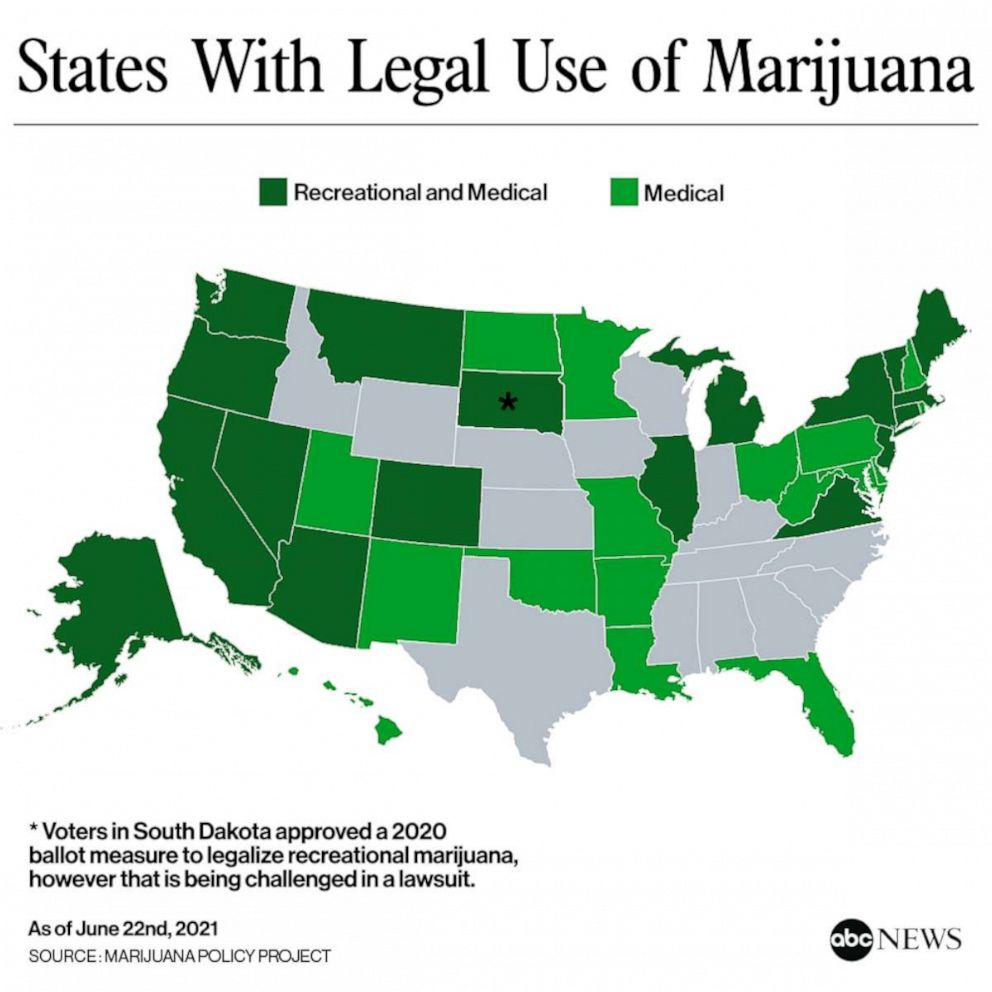
Important Considerations for Out-of-State Visitors
For individuals traveling to Connecticut from other states or countries, the nuances of cannabis legalization can be particularly complex. While Connecticut has made recreational cannabis legal, this legality exists within specific state boundaries and does not supersede federal laws or the laws of other states. Understanding these broader implications is essential for any out-of-state visitor.
Inter-State Travel and Federal Laws
Perhaps the most critical consideration for out-of-state visitors is the enduring federal prohibition of cannabis. Despite Connecticut’s state-level legalization, cannabis remains classified as a Schedule I controlled substance under federal law. This has several profound implications:
- Crossing State Lines: It is illegal to transport cannabis across state lines, even if both the origin and destination states have legalized it. Federal jurisdiction applies to interstate commerce and travel. This means you cannot bring cannabis from Connecticut into New York or Massachusetts, regardless of those states’ laws, nor can you bring cannabis into Connecticut from another state.
- Federal Property: Any property under federal control within Connecticut – including federal parks, courthouses, military bases, and even certain navigable waterways – prohibits cannabis use and possession. Visitors must be vigilant about the jurisdiction of the areas they are in.
- Airports and Air Travel: Air travel falls under federal jurisdiction. Bringing cannabis to an airport, attempting to board a flight with it, or sending it through mail via federal services (like the USPS) is illegal and can lead to severe penalties, regardless of state law.
These federal restrictions underscore the importance of consuming all cannabis purchased in Connecticut within the state’s borders and disposing of any remaining product responsibly before departing.
Medical Marijuana Reciprocity
Connecticut does have a medical marijuana program, but it generally does not offer full reciprocity for out-of-state medical marijuana cards for purchasing cannabis. While some states have provisions to recognize out-of-state medical patients for limited possession, Connecticut’s adult-use market means that any adult aged 21 or over can purchase recreational cannabis from licensed dispensaries. Therefore, visitors with out-of-state medical cards will typically purchase through the adult-use channel, adhering to the same possession limits and regulations as recreational consumers. It’s always best to consult the latest regulations from the Connecticut Department of Consumer Protection for the most up-to-date information regarding medical marijuana reciprocity.
Age Verification and ID Requirements
Just like purchasing alcohol, age verification for cannabis purchases in Connecticut is stringent. Licensed dispensaries will require a valid, government-issued photo ID (such as a driver’s license or passport) to confirm that individuals are 21 years of age or older. Visitors should always carry their identification when purchasing or possessing cannabis to avoid any legal issues. Attempting to purchase cannabis with a fake ID or for someone underage is a serious offense with significant penalties.
In conclusion, while Connecticut has embraced the legalization of recreational marijuana, responsible consumption and adherence to the law are paramount for both residents and visitors. The state’s approach is designed to integrate cannabis safely into society, but this relies heavily on individual awareness and compliance. By understanding the possession limits, consumption restrictions, and the overarching federal prohibitions, visitors can enjoy all that Connecticut has to offer, from its bustling cities to its tranquil coastlines, without encountering unexpected legal challenges. The key is to stay informed, act responsibly, and prioritize safety above all else.
