
Planning a trip to the vibrant city of Detroit Michigan requires attention to various details, from securing the perfect accommodation to mapping out your must-see attractions. Among these crucial details, understanding the local time zone often gets overlooked, yet it plays a pivotal role in ensuring a seamless travel experience. Whether you’re flying in for a business meeting, embarking on a family vacation, or exploring the rich history and culture of the Motor City, knowing what time zone Detroit operates in is fundamental. This comprehensive guide aims to not only answer that question definitively but also delve into why this information is indispensable for any traveler, weaving in insights relevant to travel, tourism, hotels, and lifestyle.
Understanding Detroit’s Time Zone: Eastern Standard Time (EST)
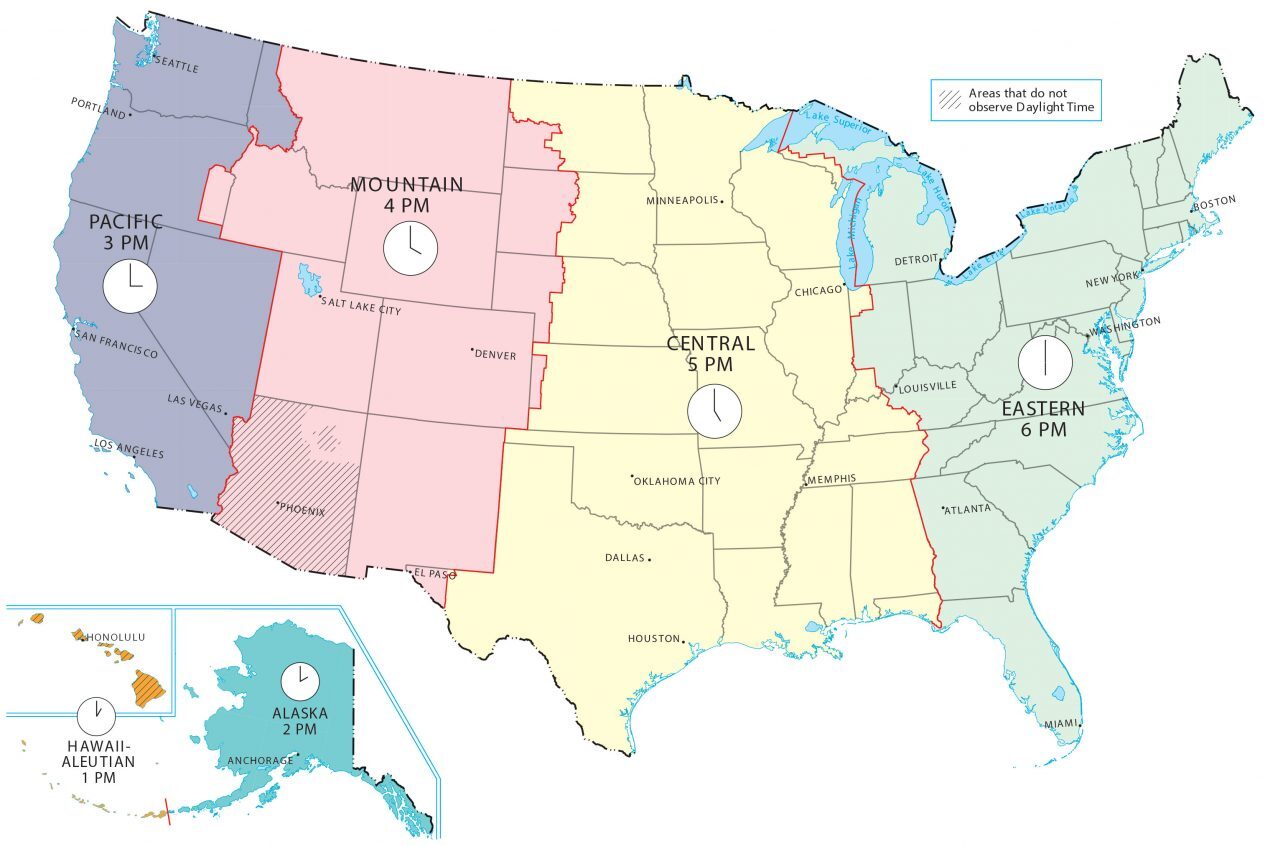
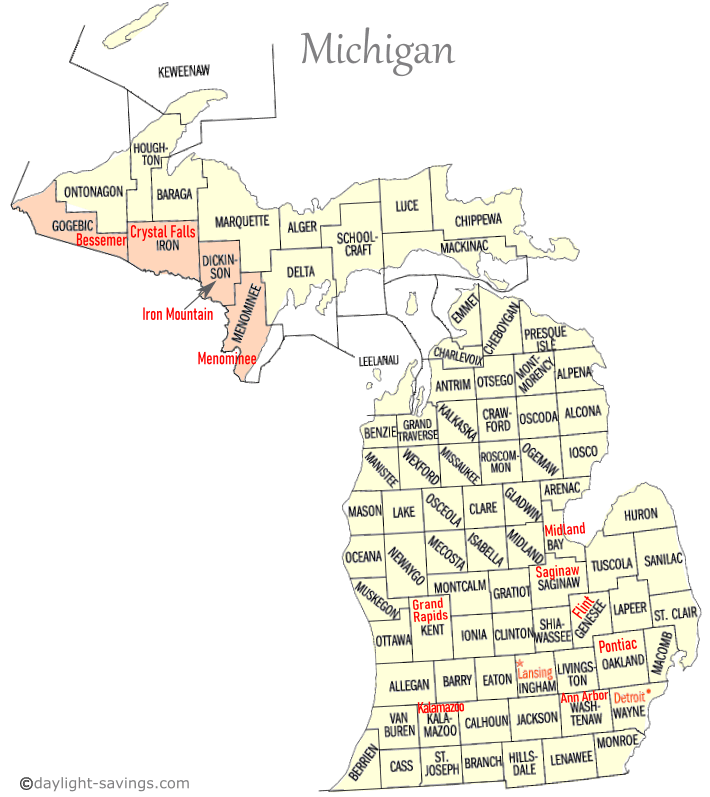
At its core, Detroit, like the majority of the state of Michigan, observes the Eastern Time Zone. Specifically, during the non-Daylight Saving Time months, it operates on Eastern Standard Time (EST), which is UTC-5. This means Detroit is five hours behind Coordinated Universal Time. This geographical alignment places Detroit in sync with many major East Coast cities in the United States and Canada, making it easier for travelers from these regions to adjust.
The Basics of EST
The Eastern Time Zone is one of the four primary time zones that span the continental United States, alongside the Central Time Zone (CST), Mountain Time Zone (MST), and Pacific Time Zone (PST). Its placement is determined by longitudinal lines, roughly centered around the 75th meridian west. For travelers, this means that if you’re arriving from a city like Chicago (which is in CST), you’ll need to set your clock forward by one hour upon arrival in Detroit. Conversely, if you’re flying from New York City or Toronto, you won’t experience any time change, as these cities also fall within the Eastern Time Zone. Understanding this fundamental aspect of Detroit’s time zone is the first step in avoiding any potential scheduling mishaps and ensuring a smooth transition into your travel itinerary.
Daylight Saving Time in Detroit
Like most of the United States, Detroit observes Daylight Saving Time (DST). This annual practice shifts the clock forward by one hour in the spring and back by one hour in the fall. From the second Sunday in March until the first Sunday in November, Detroit switches from Eastern Standard Time (EST) to Eastern Daylight Time (EDT). During EDT, Detroit is UTC-4.
The concept of Daylight Saving Time can sometimes cause confusion for travelers, especially those who aren’t accustomed to it or are traveling across multiple time zones near the transition dates. It’s crucial to double-check the current time, especially if your travel dates fall around the spring forward or fall back weekends. This simple check can prevent you from missing a flight, arriving late for a booked tour, or showing up prematurely for a dinner reservation. For visitors, Daylight Saving Time in Detroit means longer daylight hours in the evenings during the warmer months, which is perfect for enjoying outdoor attractions, dining al fresco, and extending your exploration of the city’s vibrant neighborhoods.
Why Time Zones Matter for Your Detroit Travel Plans
The significance of time zones extends far beyond merely knowing what time to set your watch. For travelers, it impacts everything from flight schedules and hotel check-ins to business appointments and leisure activities. A misunderstanding of Detroit’s time zone can lead to missed connections, forfeited bookings, or even a rough start to your trip due to jet lag. For a comprehensive travel experience, integrating time zone awareness into your planning is just as important as choosing the right accommodation or pre-booking popular attractions.
Flight Schedules and Connections
For many travelers, the journey to Detroit begins and ends with air travel. Detroit Metropolitan Wayne County Airport (DTW) is a major hub, connecting passengers from across the globe. When booking flights, all times are typically listed in the local time of the departure or arrival airport. This means that a flight departing Los Angeles at 9:00 AM PST and arriving in Detroit at 5:00 PM EST will actually involve an 8-hour time difference (3 hours for time zones + 5 hours flying time).
Failure to account for the 3-hour time zone shift can lead to confusion about the actual duration of your travel or, more critically, missing connecting flights if you have a layover in a different time zone. Always confirm the local times for both departure and arrival, and if you have connecting flights, ensure you have sufficient layover time to account for potential delays and the time zone change. This meticulous planning is particularly vital for international travelers, who might be crossing multiple time zones and dealing with the added complexity of customs and immigration procedures.

Planning Your Itinerary and Attractions
Once you’ve safely landed, the time zone continues to influence your daily itinerary. Detroit’s rich array of attractions, from world-class museums to historic landmarks and bustling markets, all operate on local time. Imagine booking a tour of the Motown Museum for 10:00 AM or reserving tickets for a Detroit Red Wings game at Little Caesars Arena for 7:00 PM, only to find yourself an hour early or late because your internal clock hasn’t adjusted.
Restaurant reservations, showtimes at the Fox Theatre, and opening hours for destinations like the Detroit Institute of Arts or The Henry Ford Museum of American Innovation are all strictly in EST/EDT. For those planning to explore Detroit’s renowned culinary scene or partake in its vibrant nightlife, being punctual is key. Always double-check operating hours and reservation times against the local Detroit clock. This attention to detail ensures you maximize your travel experience without the frustration of missed opportunities.
Business Meetings and Appointments
For business travelers, time zone awareness moves from important to absolutely critical. Detroit is a hub for various industries, particularly automotive and technology, and many professionals visit for conferences, client meetings, or corporate events. Scheduling meetings with local counterparts requires a precise understanding of Detroit’s time.
When coordinating across different time zones, clear communication is paramount. Always specify the time zone for any scheduled call or meeting (e.g., “3:00 PM EST”). Using online tools that convert time zones automatically can also be incredibly helpful. Arriving late to a crucial business meeting due to a time zone miscalculation can leave a negative impression and potentially jeopardize opportunities. Conversely, being well-prepared and punctual demonstrates professionalism and respect for your hosts’ time. Many business-oriented hotels in Detroit, such as the Detroit Marriott at the Renaissance Center, often provide international clock displays and other amenities to assist business travelers with these complexities.
Exploring Detroit: Beyond the Clock
While understanding the time zone is crucial for logistics, the true essence of travel lies in experiencing the destination itself. Detroit offers a captivating blend of history, innovation, art, and culinary delights, catering to a diverse range of interests. From its iconic landmarks to its burgeoning food scene, the city promises memorable experiences for every type of traveler.
Must-Visit Attractions and Landmarks
Detroit is steeped in history and culture, offering a plethora of landmarks that tell the story of America’s industrial past and its artistic resurgence. The Motown Museum, housed in the original studio where legends like Diana Ross and the Supremes recorded, is an absolute must for music lovers. For those interested in automotive history and American innovation, The Henry Ford Museum of American Innovation and Greenfield Village in nearby Dearborn offer an immersive journey through the nation’s past.
Art enthusiasts will revel in the Detroit Institute of Arts, home to an impressive collection spanning various cultures and periods, including Diego Rivera’s monumental Detroit Industry Murals. The architectural grandeur of the Fisher Building and the Guardian Building provides a glimpse into the city’s golden age. For outdoor recreation, the revitalized Detroit Riverwalk offers stunning views of the Detroit River and Windsor, Ontario, while Belle Isle Park provides an urban oasis with a conservatory, aquarium, and nature center. These attractions, combined with lively entertainment venues like the Fox Theatre and sports arenas like Comerica Park and Little Caesars Arena, ensure that there’s always something exciting to do in Detroit.
Culinary Delights and Local Culture
Detroit’s culinary scene has undergone a remarkable transformation, evolving into a diverse and exciting landscape that reflects the city’s rich cultural tapestry. From classic Coney Island hot dogs (a Detroit staple) to upscale dining experiences, there’s something to satisfy every palate. Explore the historic Eastern Market for fresh produce, artisan goods, and delicious street food. The vibrant neighborhoods of Midtown Detroit, Corktown, and Greektown each offer unique dining experiences, ranging from trendy bistros to authentic ethnic eateries.
Beyond food, Detroit’s local culture is a dynamic blend of music, art, and community spirit. The city hosts numerous festivals throughout the year, including the Detroit Jazz Festival and Movement Electronic Music Festival, drawing visitors from around the globe. Engaging with the local scene, whether by visiting a community art gallery or enjoying live music at a local venue, provides an authentic glimpse into the heart and soul of Detroit. These cultural experiences are often time-sensitive, so keeping an eye on the clock is crucial to immerse yourself fully.
Accommodation Options for Every Traveler
Detroit’s resurgence has also brought forth a wide array of accommodation options, catering to luxury travelers, budget-conscious explorers, and everyone in between. From boutique hotels housed in historic buildings to modern suites with stunning skyline views, the city offers diverse choices for your stay.
For a luxurious experience, consider options like the Shinola Hotel or The Detroit Club, offering bespoke services and elegant surroundings. Larger resorts like MGM Grand Detroit and MotorCity Casino Hotel combine entertainment with comfort. Business travelers often gravitate towards hotels in the downtown core, such as the Detroit Marriott at the Renaissance Center, which provides easy access to corporate offices and convention centers. For those seeking a unique stay, boutique hotels in neighborhoods like Corktown or Midtown offer a more localized feel. When booking, always confirm check-in and check-out times, which are, of course, set to Detroit’s local time. Reading reviews and comparing amenities can help you find the perfect match for your travel style and budget, ensuring your stay in Detroit is as comfortable as it is memorable.
Practical Tips for a Seamless Detroit Experience
Beyond knowing the time zone, a few additional tips can help ensure your trip to Detroit is as smooth and enjoyable as possible. These insights cover practical aspects of travel, from navigating the city to managing communication and maximizing your leisure time.
Navigating Local Transport
Detroit offers several transportation options to help you explore its diverse neighborhoods. The QLine, a modern streetcar system, runs along Woodward Avenue, connecting downtown with Midtown and the New Center area, making it convenient for visiting key attractions. The Detroit People Mover, an elevated rail system, circulates around the central business district, ideal for quick trips between downtown landmarks and hotels.
For venturing beyond these areas, ride-sharing services and taxis are readily available. If you plan to explore surrounding areas or prefer the flexibility of driving, renting a car is a viable option, with several rental agencies located at DTW and within the city. Always factor in local traffic patterns when planning your travel times, especially during peak hours. Understanding bus schedules and route maps, all operating on EST/EDT, will further enhance your ability to navigate the city efficiently.
Staying Connected Across Time Zones
In today’s interconnected world, staying in touch with family, friends, or colleagues back home is often a priority. If you’re communicating with individuals in different time zones, clear coordination is essential to avoid inconvenient call times. Utilize world clock apps or online converters to easily ascertain the best time to connect. When making international calls, be mindful of the significant time differences that can exist, for instance, between Detroit and cities like London or Paris.
Additionally, ensure your mobile phone plan includes appropriate roaming or international calling options, or consider purchasing a local SIM card if you plan an extended stay. Public Wi-Fi is available in many hotels, cafes, and public spaces throughout Detroit, offering convenient ways to stay online and communicate. Remember to adjust your device’s time settings to “automatic” or manually update them upon arrival to reflect Detroit’s local time accurately.
Making the Most of Your Stay
Beyond the logistical considerations, making the most of your Detroit visit involves embracing its unique spirit. Don’t be afraid to wander, discover hidden gems, and engage with the friendly locals. Take advantage of the longer daylight hours during Daylight Saving Time to extend your sightseeing or enjoy an evening stroll along the Riverwalk. Consider purchasing a Detroit CityPASS if available, which can offer discounted access to multiple attractions, allowing you to save money and maximize your cultural experiences.
For family trips, look into child-friendly attractions like the Michigan Science Center or the Detroit Zoo. For luxury travelers, indulge in spa treatments at upscale resorts or fine dining experiences at the city’s top restaurants. Budget travelers can explore free attractions like the GM Renaissance Center observation deck or the vibrant street art in certain neighborhoods. By combining thoughtful planning—including a clear understanding of Detroit’s time zone—with an open mind for exploration, your trip to Detroit is sure to be an enriching and unforgettable adventure.
In conclusion, Detroit Michigan resides in the Eastern Time Zone, observing Eastern Standard Time (EST) in winter and Eastern Daylight Time (EDT) during Daylight Saving Time. This seemingly simple piece of information is a cornerstone for effective travel planning, influencing everything from your flight connections to your ability to fully immerse yourself in the city’s diverse offerings. Armed with this knowledge and the practical tips provided, you are well-prepared for a fantastic journey to the heart of the Motor City.
LifeOutOfTheBox is a participant in the Amazon Services LLC Associates Program, an affiliate advertising program designed to provide a means for sites to earn advertising fees by advertising and linking to Amazon.com. Amazon, the Amazon logo, AmazonSupply, and the AmazonSupply logo are trademarks of Amazon.com, Inc. or its affiliates. As an Amazon Associate we earn affiliate commissions from qualifying purchases.