
When planning a trip to the bustling metropolis of New York City, understanding its time zone is far more than a trivial detail; it’s a foundational piece of information that influences everything from flight schedules and hotel check-ins to sightseeing plans and business meetings. New York, the state and its iconic city, operates predominantly within the Eastern Time Zone, which means it observes both Eastern Standard Time (EST) and Eastern Daylight Time (EDT) throughout the year. For travelers, businesses, and locals alike, being attuned to this time difference is crucial for a seamless experience in one of the world’s most dynamic destinations.
This guide delves into the specifics of New York’s time zone, explores the implications for various types of travel and accommodation, offers practical tips for navigating time differences, and places New York’s time within a broader national and global context. Whether you’re flying in from across the globe, planning a domestic business trip, or simply curious about the rhythm of this vibrant city, a clear understanding of its time zone will enhance your visit.
Understanding New York’s Time Zone: EST and EDT
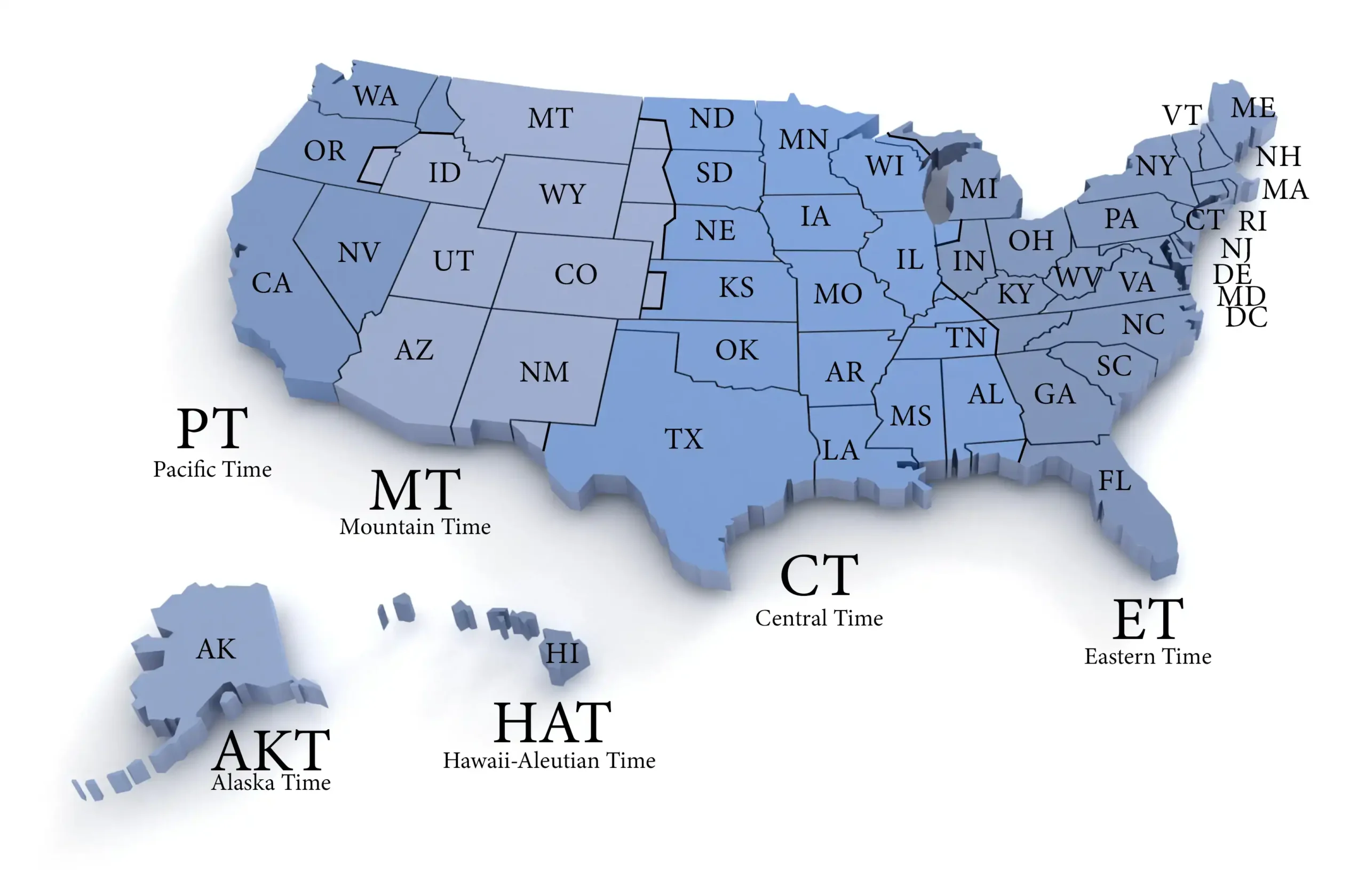
The concept of time zones, established to standardize time across different longitudes, is particularly important in a country as vast as the United States. New York, situated on the eastern seaboard of North America, falls squarely into the Eastern Time Zone, one of the four primary time zones in the contiguous United States.
Eastern Standard Time (EST) Explained
During the cooler months, typically from early November to mid-March, New York observes Eastern Standard Time (EST). This time zone is five hours behind Coordinated Universal Time (UTC-5), meaning that if it’s noon UTC, it’s 7:00 AM in New York. EST is a fixed standard, providing a consistent reference point for global communication and travel during this period. For those interested in the historical context, the adoption of standardized time zones in the late 19th century was a monumental step, primarily driven by the needs of railway systems to prevent confusion and enhance safety. Today, it serves as an indispensable framework for modern life, from air traffic control to international financial markets.
Daylight Saving Time (EDT) and Its Impact
As spring arrives, New York, like much of the United States, transitions to Eastern Daylight Time (EDT). This change typically occurs on the second Sunday in March, when clocks “spring forward” by one hour. Consequently, EDT is four hours behind Coordinated Universal Time (UTC-4). This shift means that New York gains an hour of daylight in the evening, extending opportunities for outdoor activities and evening tourism. The purpose of Daylight Saving Time (DST) is to make better use of natural daylight, reducing energy consumption and promoting outdoor leisure during longer days. The transition back to EST happens on the first Sunday in November, when clocks “fall back” an hour.
For travelers, the shift to EDT can be a pleasant surprise, allowing more time to explore landmarks like the Statue of Liberty or enjoy an evening stroll through Central Park. However, it also requires an awareness of the date of the change, especially when booking flights, confirming hotel reservations, or scheduling meetings around the transition periods. For example, a flight scheduled to depart at 2:00 AM on the day DST begins might technically depart an hour later than anticipated, or conversely, a flight arriving at 2:00 AM as DST ends might seem to arrive “on time” but in the old hour. Always double-check flight times and hotel check-in/check-out policies, especially if your travel dates straddle the DST transitions.
The Geographical Context: Why New York is in EST
New York’s location on the eastern edge of the United States, bordering the Atlantic Ocean, geographically places it within the appropriate longitude band for the Eastern Time Zone. Time zones are generally defined by meridians of longitude, with each 15-degree band roughly representing one hour of time difference. The Eastern Time Zone encompasses states along the East Coast, extending westward to parts of the Midwest. This geographical alignment ensures that New York shares a consistent time with major economic and cultural hubs across the region, from Miami to Boston.
Navigating Time Differences: Essential Tips for Travelers to New York
Understanding New York’s time zone is the first step; effectively managing the time difference, especially when traveling from afar, is the key to an enjoyable and productive trip. This impacts everything from initial planning to daily activities.
Planning Flights and Accommodations
When booking flights to New York, always pay close attention to the arrival and departure times in local time. Major airports like JFK International Airport, LaGuardia Airport, and Newark Liberty International Airport (technically in New Jersey, but serving New York City) operate strictly on Eastern Time. An early morning arrival might mean you’re hitting the ground running while your body thinks it’s the middle of the night.
For accommodation, most hotels in New York, from luxury suites to budget-friendly apartments, have standard check-in times (often 3:00 PM or 4:00 PM) and check-out times (typically 11:00 AM or 12:00 PM) based on local Eastern Time. If you’re arriving on an overnight flight from Europe or Asia, you might arrive hours before check-in. Inquire about early check-in options or luggage storage services. Many upscale resorts and boutique hotels, recognizing the challenges of international travel, may offer amenities like complimentary day-use rooms or lounge access for early arrivals or late departures, enhancing your travel experience significantly. Budget travelers might consider booking an extra night or exploring hostels that offer flexible check-in times.
Maximizing Your New York Experience: Attractions and Dining
New York City never sleeps, but its attractions and dining establishments certainly have operating hours. Famous landmarks like the Empire State Building, the Metropolitan Museum of Art, or Broadway shows adhere strictly to Eastern Time. When pre-booking tickets or making reservations, remember that the listed times are local. Planning your itinerary with this in mind prevents missed tours or reservations.
Dining also has its rhythms. Lunch typically runs from noon to 2:00 PM, and dinner often starts around 5:00 PM or 6:00 PM, extending late into the evening in many parts of the city. Brunch, a beloved New York tradition, is usually served on weekends from 10:00 AM to 3:00 PM. If your internal clock is still adjusting, you might find yourself craving dinner at odd hours. Many hotels offer 24-hour room service, and the city has numerous diners and delis that operate around the clock, catering to all schedules, including those affected by jet lag. For a truly local experience, however, try to align your meals with the city’s pulse once you’ve settled in.
Combating Jet Lag: Strategies for a Smooth Transition
Jet lag is the body’s natural response to rapid travel across multiple time zones, and it can significantly impact your trip. When flying to New York from the west coast or internationally from continents like Europe or Asia, you’ll likely experience some degree of it.
Here are some strategies to combat jet lag:
- Adjust Before You Go: A few days before your trip, try to shift your sleep schedule by an hour or two in the direction of New York’s time.
- Hydrate: Drink plenty of water on your flight and avoid excessive alcohol or caffeine, which can dehydrate you and disrupt sleep.
- Embrace Daylight: Upon arrival, expose yourself to natural light as much as possible, especially in the morning. This helps reset your body’s internal clock. Take a walk in Central Park or explore Times Square in the daytime.
- Stay Active: Gentle exercise can help. Avoid napping for too long during the day, even if you feel tired.
- Eat Local Meals: Try to eat meals at New York meal times, even if you’re not hungry. Food cues can help reset your circadian rhythm.
- Prioritize Sleep: Ensure your accommodation offers a comfortable and quiet environment. Consider booking a hotel that emphasizes sleep amenities, such as blackout curtains, soundproofing, and comfortable bedding. Many luxury hotels in New York City excel in this regard, offering serene sanctuaries amidst the urban bustle.
New York’s Time Zone in a Global and National Context
Understanding New York’s time zone isn’t just about local scheduling; it’s about appreciating its position within a vast network of global and national timekeeping. This perspective is vital for international travelers and business professionals alike.
Comparing Time Zones Across the United States
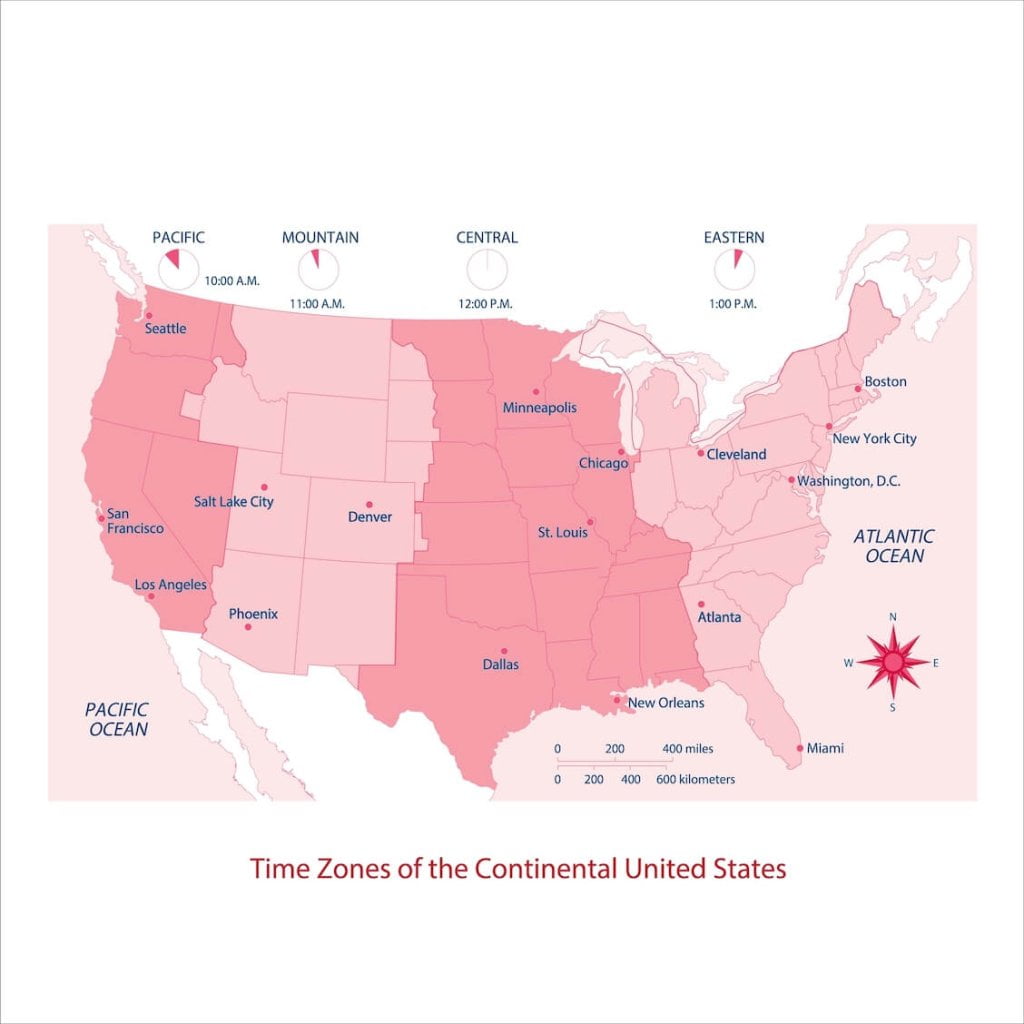
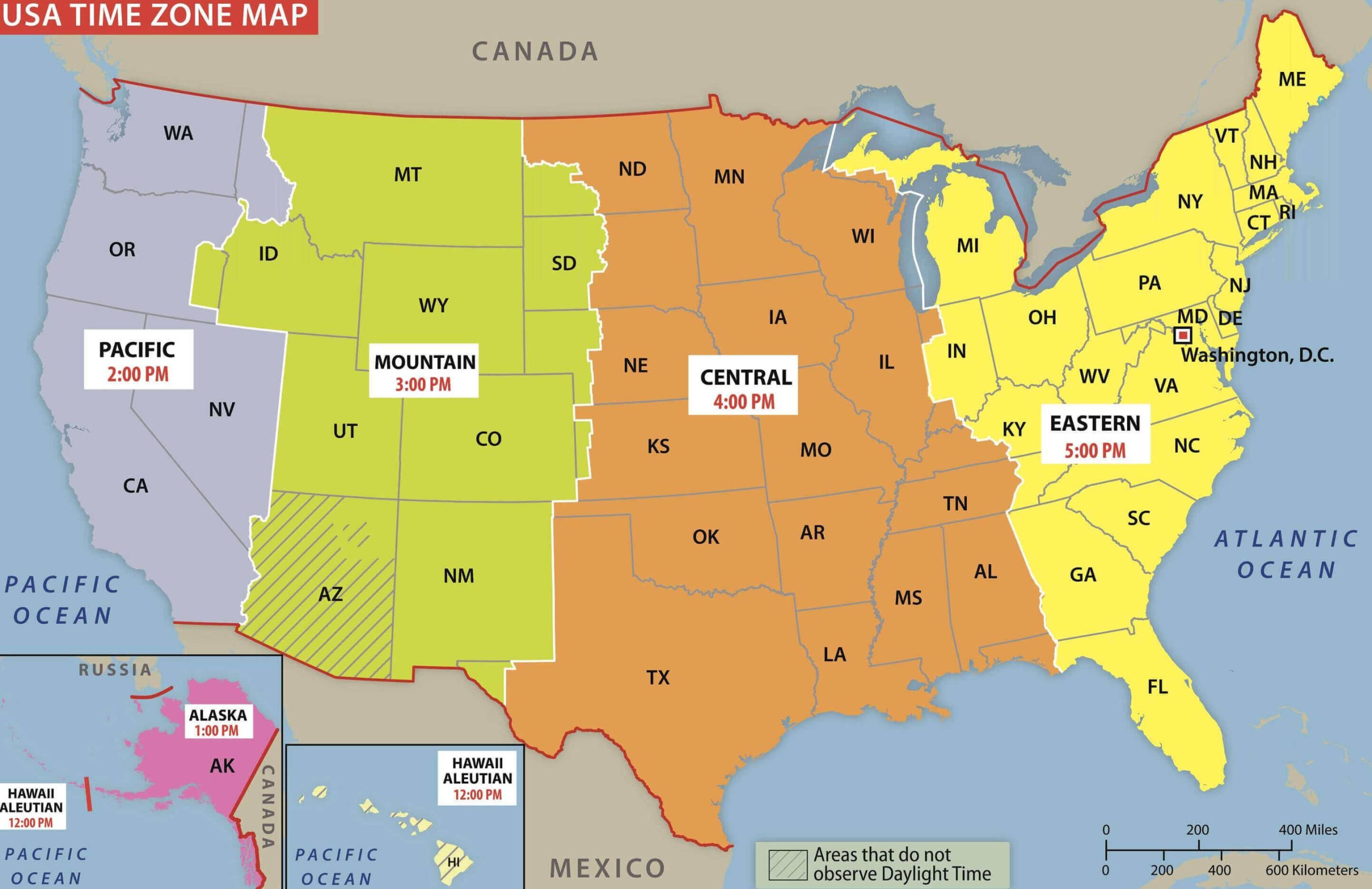
Within the contiguous United States, there are four main time zones: Eastern, Central, Mountain, and Pacific. Alaska and Hawaii have their own dedicated time zones (Alaska Time Zone and Hawaii-Aleutian Time Zone). This means that:
- When it’s 12:00 PM EST in New York:
- It’s 11:00 AM CST ( Central Time Zone )
- It’s 10:00 AM MST ( Mountain Time Zone )
- It’s 9:00 AM PST ( Pacific Time Zone )
This one-hour per time zone difference is crucial for domestic travel, especially when connecting flights or scheduling cross-country video calls. For instance, a business traveler from California flying to New York will “lose” three hours, making an 8:00 AM meeting in New York feel like 5:00 AM to their body clock. Recognizing this helps in planning travel dates and easing into the new rhythm.
International Travel Considerations for New York Visitors
For visitors from international destinations, the time difference can be even more pronounced.
- From London, United Kingdom (GMT/BST), New York is 5 hours behind (during EST) or 4 hours behind (during EDT).
- From Paris, France or Berlin, Germany, New York is 6 hours behind (during EST) or 5 hours behind (during EDT).
- From Tokyo, Japan, New York is 14 hours behind (during EST) or 13 hours behind (during EDT), crossing the International Date Line effectively.
- From Sydney, Australia, New York is 16 hours behind (during EST) or 15 hours behind (during EDT).
These significant differences emphasize the importance of thorough planning, particularly for long-haul flights from Europe, Asia, or Africa, where jet lag management becomes critical. Tourists planning extensive itineraries involving multiple continents should factor in recovery days in New York before diving into intense sightseeing schedules.
Business and Communication Across Time Zones
New York City’s status as a global financial and business hub means that professionals are constantly coordinating across time zones. The Financial District on Wall Street thrives on real-time global markets, making time zone awareness indispensable. For business travelers, this means scheduling calls with colleagues in London or Hong Kong at mutually convenient times, which often translates to early mornings or late evenings in New York.
Lifestyle considerations also play a role. Business travelers seeking luxury accommodations will find that hotels like the St. Regis or the Mandarin Oriental in New York City are well-versed in accommodating international schedules, offering amenities that support round-the-clock productivity and relaxation, such as 24/7 business centers, in-room dining, and concierge services that can help manage complex international itineraries.
Lifestyle and Leisure: Embracing New York’s Rhythms
The time zone shapes not just the practicalities of travel but also the very rhythm of life in New York, influencing leisure activities, daily routines, and the overall experience of the city.
From Sunrise to Sunset: Iconic Experiences on New York Time
New York City offers a spectrum of experiences from dawn till late into the night.
- Morning: Early risers can catch the sunrise over the East River or enjoy a quiet moment in Central Park before the crowds arrive. This is also prime time for visiting popular museums like the Museum of Modern Art or the Guggenheim to avoid peak hours.
- Afternoon: The afternoon is perfect for exploring diverse neighborhoods, shopping, or taking a ferry to see the Statue of Liberty. Lunchtime in New York is a cultural experience in itself, with countless delis, cafes, and restaurants.
- Evening: As dusk settles, New York truly comes alive. Times Square sparkles with neon, Broadway theaters prepare for their curtain calls, and rooftops offer stunning views of the city skyline. Dinner reservations are a must for popular spots, and the city’s nightlife extends well past midnight. Understanding EDT versus EST is particularly relevant here, as Daylight Saving Time means lighter evenings for enjoying these activities.
For family trips, managing these timings is crucial. Early dinners and carefully chosen showtimes can ensure children enjoy the magic of New York without getting overtired. Budget travelers can take advantage of happy hour specials and matinee shows, often aligning with slightly earlier time slots.
Hotel Stays and the Time Factor
Whether it’s a luxury stay or a budget trip, the time zone impacts your hotel experience. Luxury resorts in New York often cater to global travelers with personalized concierge services that can help adjust itineraries, arrange late check-outs, or provide services to mitigate jet lag. For longer stays, especially in apartments or villas, adapting to the local time zone becomes a part of the daily routine.
Hotels are typically well-equipped to help guests adjust. Many offer wake-up calls, room service, and gym facilities accessible at various hours. If you’re staying for an extended period, perhaps for a business assignment or long-term accommodation, establishing a routine quickly aligned with Eastern Time is beneficial for both productivity and personal well-being.
Long-Term Stays and Daily Life Adaptation
For those considering long-term stays in New York, adapting to EST/EDT becomes second nature. It influences everything from grocery shopping and school schedules to commuting and social engagements. Understanding the local rhythm of time allows residents and long-term visitors to fully integrate into the city’s vibrant daily life. This includes appreciating the nuances of when businesses open and close, when public transport is busiest, and when the city unwinds.
In conclusion, while “What time zone is New York?” might seem like a simple question, its answer – Eastern Standard Time (EST) and Eastern Daylight Time (EDT) – unlocks a cascade of considerations essential for any traveler. From meticulous planning of flights and accommodations to strategic sightseeing and effective jet lag management, a keen awareness of New York’s time zone ensures a richer, more enjoyable, and ultimately more successful visit to this iconic destination. Embrace the local time, and you’ll find yourself perfectly attuned to the pulse of the city that never truly sleeps.
LifeOutOfTheBox is a participant in the Amazon Services LLC Associates Program, an affiliate advertising program designed to provide a means for sites to earn advertising fees by advertising and linking to Amazon.com. Amazon, the Amazon logo, AmazonSupply, and the AmazonSupply logo are trademarks of Amazon.com, Inc. or its affiliates. As an Amazon Associate we earn affiliate commissions from qualifying purchases.