
Embarking on a journey from the vast plains of Texas to the sunny shores of Florida is a quintessential American adventure. These two iconic Southern states, renowned for their distinct cultures, diverse landscapes, and bustling tourist attractions, are separated by a significant stretch of the country. The question “How far is Florida from Texas?” is more complex than a simple number; it encompasses varying distances depending on your starting and ending points, chosen mode of transportation, and the scenic detours you might take. This comprehensive guide will break down the distances, travel times, and considerations for making the exciting trek between the Lone Star State and the Sunshine State.
The Geographical Reality: Spanning the Southern United States
Understanding the distance between Florida and Texas first requires an appreciation for the sheer scale of the United States and the positioning of these two large states. Texas, the second-largest state in the country, stretches across a significant portion of the South Central United States. Florida, while smaller than Texas, is a large peninsula extending into the Atlantic Ocean and Gulf of Mexico. The shortest distance, as the crow flies, from the easternmost point of Texas to the westernmost point of Florida is approximately 700 miles (about 1,126 kilometers). However, very few travelers will take this direct aerial route without the aid of an aircraft.
The practical travel distance, especially by road, is considerably longer, varying greatly depending on the specific cities involved. For instance, a journey from Houston, Texas to Pensacola, Florida (one of the closest major Florida cities) is roughly 560-600 miles (900-965 km). However, traveling from Dallas, Texas to Miami, Florida — a popular route for tourists — can span well over 1,300 miles (2,090 km). This immense variation means that planning your trip requires careful consideration of your exact departure and arrival points.
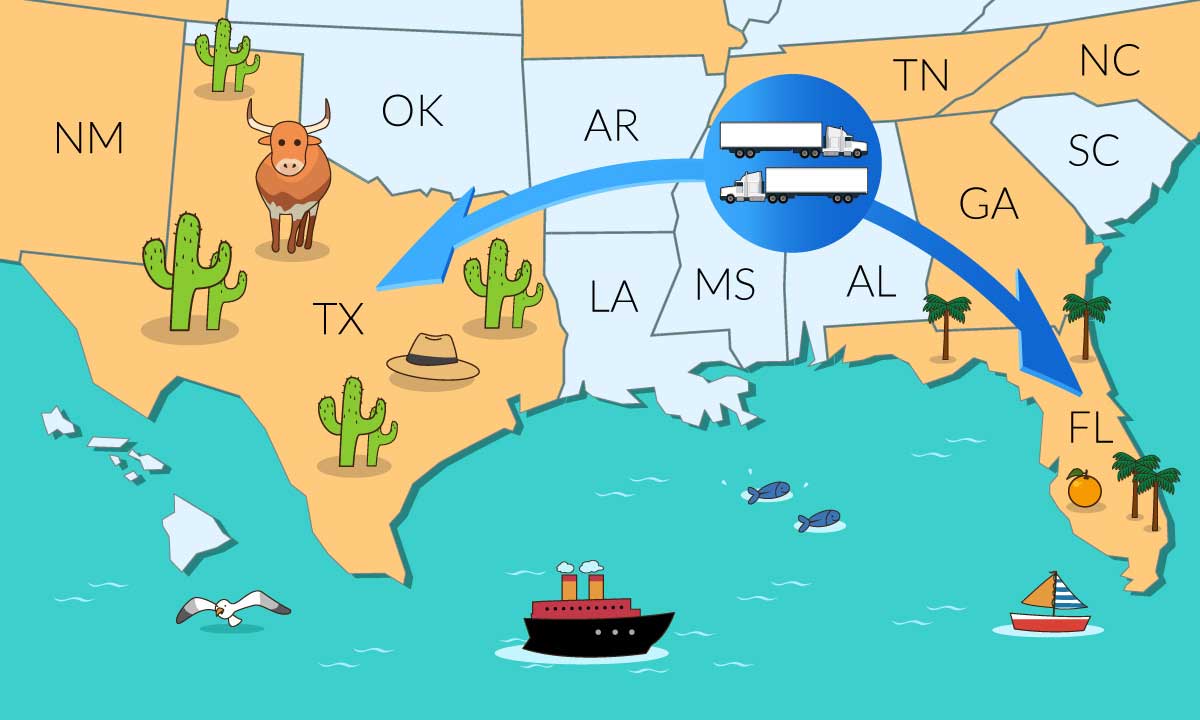
Embarking on the Road Trip: Driving from Texas to Florida
For many, the idea of a road trip across the Southern United States is an irresistible call to adventure. Driving from Texas to Florida offers flexibility, the chance to discover hidden gems along the way, and a more intimate experience of the diverse American landscape. However, it’s a journey that demands meticulous planning, given the considerable distances involved.
The Major Routes: Navigating I-10 and Beyond
The primary arterial route connecting Texas and Florida is Interstate 10 (I-10). This major east-west highway stretches from Santa Monica, California, all the way to Jacksonville, Florida, traversing eight states. For travelers heading east from Texas into Florida, I-10 serves as the most direct and efficient pathway.
Starting from major Texas cities:
- From Houston: I-10 East is your clear path. You’ll drive through Louisiana, Mississippi, and Alabama before entering Florida.
- From Dallas/Fort Worth: Travelers typically take I-45 South to Houston and then connect to I-10 East. Alternatively, you could take I-20 East through Shreveport, Louisiana, and connect to I-49 South to I-10.
Once in Florida, depending on your final destination:
- For North Florida cities like Tallahassee or Jacksonville, staying on I-10 East is straightforward.
- For Central Florida destinations such as Orlando or Tampa, you’ll typically transition from I-10 to I-75 South.
- For South Florida cities like Miami or Fort Lauderdale, you’d continue on I-75 South (which includes the scenic Alligator Alley toll road) or Florida’s Turnpike for a more direct route.

While I-10 is the most common choice, travelers seeking a more scenic or less highway-centric experience might consider parallel routes like US-90, particularly through the panhandle of Florida, which offers glimpses of small towns and coastal charm. However, these alternatives will significantly increase travel time.
Calculating Time and Distance: A Multi-Day Journey
Driving from Texas to Florida is almost always a multi-day affair. Attempting to complete it in a single day is not recommended due to fatigue and safety concerns.
Here are some approximate driving distances and times:
- Houston, TX to Pensacola, FL: ~560-600 miles (900-965 km), 8-10 hours driving. This is often achievable in one long day, but an overnight stay can make it more comfortable.
- Houston, TX to Orlando, FL: ~950-1,000 miles (1,530-1,610 km), 14-16 hours driving. This absolutely requires an overnight stop.
- Houston, TX to Miami, FL: ~1,180-1,200 miles (1,900-1,930 km), 17-19 hours driving. At least two days, possibly three, with comfortable stops.
- Dallas, TX to Jacksonville, FL: ~950-1,000 miles (1,530-1,610 km), 14-16 hours driving. Also a definite two-day trip.
- Dallas, TX to Miami, FL: ~1,350-1,400 miles (2,170-2,250 km), 20-22 hours driving. This will typically involve two overnight stops.
When planning, factor in stops for fuel, food, and rest. A good rule of thumb is to limit driving to 8-10 hours per day. Popular overnight stops along I-10 include Baton Rouge or New Orleans in Louisiana, and Mobile or Montgomery in Alabama. These cities offer a range of accommodation options, from budget-friendly motels to luxury hotels, ensuring a comfortable rest before continuing your journey. Websites specializing in travel guides and hotel comparisons can be invaluable for finding suitable stays.

Essential Road Trip Considerations: Fuel, Food, and Fun
A successful road trip from Texas to Florida hinges on more than just mileage.
- Fuel Costs: Fuel will be a significant expense. Prices can fluctuate and vary by state. Use apps to find the best fuel prices along your route. Ensure your vehicle is well-maintained before departure to avoid unexpected breakdowns.
- Tolls: Be prepared for tolls, especially in Florida and occasionally in other states. Consider purchasing a SunPass or E-ZPass if you plan on using many toll roads, as they can save time and money.
- Food: Pack snacks and drinks to minimize stops and save money. Research local eateries in your overnight cities for a taste of regional cuisine, especially Cajun food in Louisiana or fresh seafood along the Gulf Coast.
- Accommodation: Book your overnight stops in advance, especially during peak travel seasons or if you have specific preferences like pet-friendly hotels or resorts with amenities. Websites for accommodation booking and reviews can help you find the perfect spot.
- Entertainment: Long stretches of highway can be monotonous. Prepare playlists, podcasts, audiobooks, or travel games to keep everyone entertained. If traveling with family, plan stops at roadside attractions or playgrounds to break up the journey for children.
- Safety: Always prioritize safety. Ensure you have emergency roadside assistance, a first-aid kit, and an up-to-date GPS. Share your itinerary with someone back home.
Soaring Through the Skies: Flying Between Texas and Florida
For those with limited time or a preference for speed, flying is undoubtedly the most efficient way to travel between Texas and Florida. While a plane trip might lack the spontaneous discoveries of a road trip, it dramatically cuts down on travel time.
Major Airports and Flight Paths
Both Texas and Florida are home to several major international airports, offering numerous direct and connecting flights daily.
Key airports in Texas:
- Dallas/Fort Worth International Airport (DFW)
- George Bush Intercontinental Airport (IAH) in Houston
- Austin-Bergstrom International Airport (AUS)
- San Antonio International Airport (SAT)
Key airports in Florida:
- Miami International Airport (MIA)
- Orlando International Airport (MCO)
- Fort Lauderdale-Hollywood International Airport (FLL)
- Tampa International Airport (TPA)
- Jacksonville International Airport (JAX)
Direct flights between major hubs like Dallas or Houston to Orlando or Miami typically range from 2.5 to 3.5 hours. For example, a flight from DFW to MCO is usually around 2 hours and 45 minutes. Flights to smaller airports or those requiring connections will naturally take longer.
Understanding Travel Time and Costs
While the actual flight time is short, the total travel time for flying encompasses much more:
- Airport Arrival: Arriving 1.5-2 hours before domestic flights for check-in and security.
- Boarding and Taxiing: 30-45 minutes.
- Flight Duration: 2.5-3.5 hours.
- Deplaning and Baggage Claim: 30-60 minutes.
- Ground Transportation: Travel from the airport to your final destination in the city, which can range from 30 minutes to over an hour depending on traffic.
All in all, a flying trip from doorstep to destination can easily take 6-8 hours, making it comparable to the shortest driving routes but significantly faster for longer distances.
Costs: Airfare varies widely based on:
- Booking Advance: Booking several weeks or months in advance often yields lower prices.
- Time of Year: Peak seasons (holidays, spring break, summer) will see higher fares.
- Airline Choice: Budget airlines often offer lower base fares but may charge extra for baggage and seat selection.
- Flexibility: Being flexible with your travel dates can lead to significant savings.
A round-trip ticket could range from $150 to $400+ for direct flights between major cities, depending on these factors. Don’t forget to factor in costs for airport parking or rideshares, as well as potential baggage fees. Utilizing flight comparison websites can help you secure the best deals.
Beyond Driving and Flying: Other Transportation Options
While driving and flying are the most common ways to bridge the distance, other options exist, though they are generally less popular due to extended travel times.
- Bus Travel: Companies like Greyhound offer routes between Texas and Florida. This is often the most budget-friendly option, but travel times are considerably longer (e.g., 24-30+ hours from Houston to Orlando), involving multiple stops and transfers. It’s a viable choice for solo travelers on a very tight budget who aren’t in a hurry.
- Train Travel: Amtrak offers routes that connect parts of Texas to Florida, typically involving transfers in cities like New Orleans. While more comfortable than a bus, train travel is also significantly slower than driving or flying (often 24-36+ hours) and can sometimes be more expensive than budget airfare. However, it offers a unique, leisurely way to see the country, often with comfortable seating, dining cars, and scenic views, making it appealing for those seeking a different kind of travel experience.
Making the Journey Worthwhile: Exploring Texas and Florida
No matter how you choose to cover the distance, the destination makes the effort truly worthwhile. Both Texas and Florida are premier tourism destinations, each offering a distinct blend of attractions, culture, and experiences that cater to a wide range of lifestyles and budgets.
The Allure of the Sunshine State
Florida truly lives up to its “Sunshine State” moniker. It’s a paradise for those seeking warm weather, pristine beaches, and world-class entertainment.
- Theme Parks: Orlando is the undisputed theme park capital of the world, home to the Walt Disney World Resort, Universal Studios Florida, and SeaWorld Orlando. These resorts offer immersive experiences for families and thrill-seekers alike, making Orlando a prime destination for family trips.
- Beaches: From the soft sands of Clearwater Beach on the Gulf Coast to the vibrant shores of South Beach in Miami, Florida boasts some of the most beautiful coastlines in the world. Destinations like Sarasota, Naples, and Destin offer luxurious resorts and family-friendly amenities.
- Culture and Nightlife: Miami is a hub of Latin American culture, known for its dynamic arts scene, electric nightlife, and diverse culinary landscape. Key West, the southernmost point of the continental US, offers a laid-back, bohemian atmosphere.
- Nature and Wildlife: Everglades National Park provides a unique ecosystem for airboat tours and wildlife viewing, while countless springs offer opportunities for swimming, snorkeling, and diving.
- Accommodation: Florida offers an incredible array of accommodation options, from opulent five-star resorts and boutique hotels in major cities to charming beachside villas, practical apartment rentals, and budget-friendly hotels near attractions. Many resorts cater to long-term stays, offering extensive amenities for extended family vacations or business travelers.
Discovering the Lone Star State
Texas, with its immense size, presents a diverse tapestry of experiences, from bustling cosmopolitan cities to rugged natural landscapes and historical sites.
- Urban Adventures: Dallas and Houston are major economic and cultural centers, offering world-class museums, shopping, dining, and vibrant nightlife. Austin, the state capital, is known as the “Live Music Capital of the World” and has a unique, quirky vibe. San Antonio is steeped in history, home to The Alamo and the picturesque Riverwalk, offering a blend of historical charm and modern entertainment.
- Natural Beauty: The state’s diverse geography includes the stunning deserts and mountains of Big Bend National Park in West Texas, the rolling hills of the Texas Hill Country, and the beautiful beaches of Galveston and Padre Island along the Gulf Coast.
- Cultural Experiences: Experience authentic Texas culture through rodeo shows, ranch stays, delicious BBQ trails, and exploring the rich blend of Texan and Mexican heritage, particularly prevalent in border towns and San Antonio.
- Accommodation: Similar to Florida, Texas offers a wide range of choices, from luxury downtown hotels and boutique accommodations in Austin’s vibrant districts to rustic ranch stays and charming bed and breakfasts in the Hill Country. Whether you seek a business stay in Houston or a family retreat near Lake Travis, options abound.
Planning Your Ultimate Texas-Florida Adventure
The journey from Texas to Florida is significant, ranging from approximately 560 miles to over 1,400 miles, depending on your exact points of origin and destination. While flying offers speed, often completing the trip in a matter of hours, driving provides the freedom of the open road and the opportunity to explore the diverse landscapes and cultures that lie between these two great states. Train and bus options exist for those prioritizing budget or a different pace.
Ultimately, the “how far” question is best answered by considering your personal travel style, budget, and time constraints. Whether you opt for the efficiency of air travel or the scenic adventure of a multi-day road trip, the journey between Texas and Florida promises to be an unforgettable part of your American travel story, leading you to destinations filled with vibrant experiences, world-class attractions, and unique cultural encounters. Plan carefully, travel safely, and get ready to enjoy everything these magnificent states have to offer.
LifeOutOfTheBox is a participant in the Amazon Services LLC Associates Program, an affiliate advertising program designed to provide a means for sites to earn advertising fees by advertising and linking to Amazon.com. Amazon, the Amazon logo, AmazonSupply, and the AmazonSupply logo are trademarks of Amazon.com, Inc. or its affiliates. As an Amazon Associate we earn affiliate commissions from qualifying purchases.