
Florida, often affectionately known as the Sunshine State, is a vibrant and diverse destination that captivates millions of visitors annually. From its pristine beaches and world-famous theme parks to its rich cultural tapestry and thriving urban centers, Florida offers an unparalleled array of experiences. However, beyond its shimmering facade of tourism and leisure, a recurring question often surfaces, particularly in national discourse: Is Florida truly a Republican Party state? While recent election results might suggest a clear answer, the reality is far more nuanced, especially when viewed through the lens of travel, lifestyle, and the intricate fabric of its diverse communities. Understanding Florida’s political identity is not just about ballots and campaigns; it’s about appreciating the demographic shifts, cultural influences, and economic drivers that shape its unique character and impact its appeal as a destination for tourism, accommodation, and diverse lifestyles.
The Shifting Sands of Florida’s Political Landscape
Florida’s political identity has been a topic of fascination for decades, primarily due to its pivotal role as a swing state in national elections. However, recent trends have seen a significant shift, prompting many to consider it firmly entrenched in the Republican Party column. This evolution is a complex interplay of historical legacies, demographic shifts, and contemporary issues that resonate deeply with both long-time residents and new arrivals.
A Historical Perspective on the Sunshine State’s Politics
For much of the 20th century, Florida was largely considered a Democratic stronghold, a legacy of the post-Civil War South. However, the latter half of the century saw a gradual but steady migration of retirees from the Midwest and Northeast, many of whom brought conservative values. This influx began to erode the Democratic Party’s dominance. By the turn of the millennium, Florida had cemented its reputation as the quintessential swing state, with presidential elections often decided by razor-thin margins. Key events, such as the 2000 presidential election recount, highlighted its finely balanced political scales.
The state’s unique demographics also played a crucial role. The strong presence of Cuban Americans in Miami-Dade County and surrounding areas has historically leaned conservative, often influenced by anti-communist sentiments. Over time, while younger generations of Latin Americans have shown more varied political affiliations, the foundational conservative bloc in certain regions remains a significant force. The military presence, particularly around bases in Jacksonville and the Florida Panhandle, also contributes to a conservative leaning in those communities.
Key Demographic Drivers and Voting Patterns
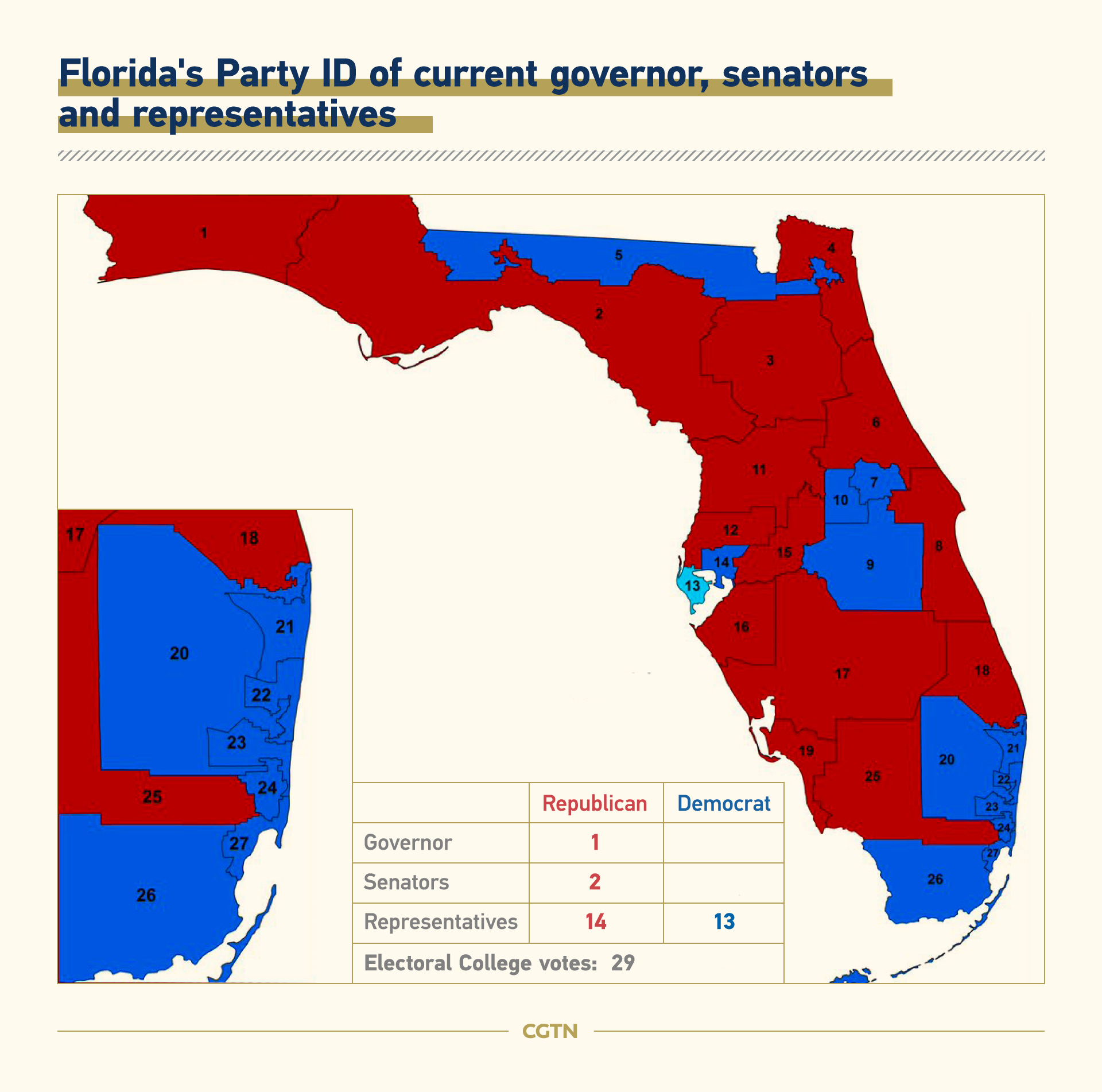
The past two decades have witnessed an accelerated shift, largely driven by distinct demographic patterns. Florida has experienced explosive population growth, with thousands of new residents moving to the state each week. Many of these newcomers are retirees seeking warmer climates and lower taxes, often settling in communities that tend to vote Republican Party. The state’s pro-business environment and comparatively lower cost of living (in some areas) have also attracted residents from other parts of the United States, further diversifying and, in some cases, solidifying its conservative base.
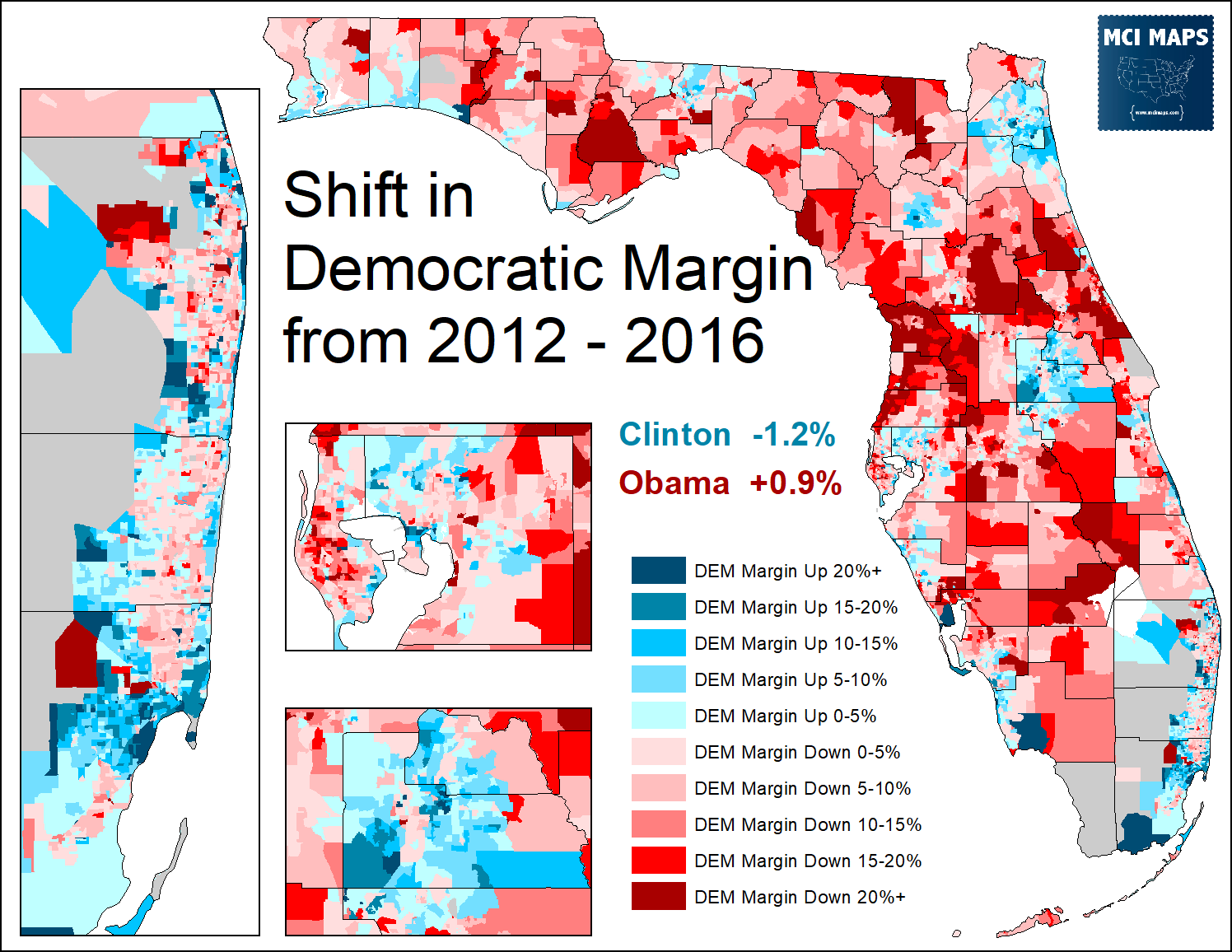
However, this is not a monolithic trend. Florida’s urban centers, such as Miami, Orlando, and Tampa, remain more diverse and often lean Democratic Party. These cities are melting pots of cultures, home to younger populations, tech industries, and a vibrant tourism sector that relies on a broad appeal. The rural areas and smaller towns across the state, particularly in the northern and central regions, typically vote overwhelmingly Republican Party. This urban-rural divide is a common feature in American politics, but it is particularly stark in Florida, contributing to the perception of a state that is both deeply conservative in some pockets and remarkably liberal in others.
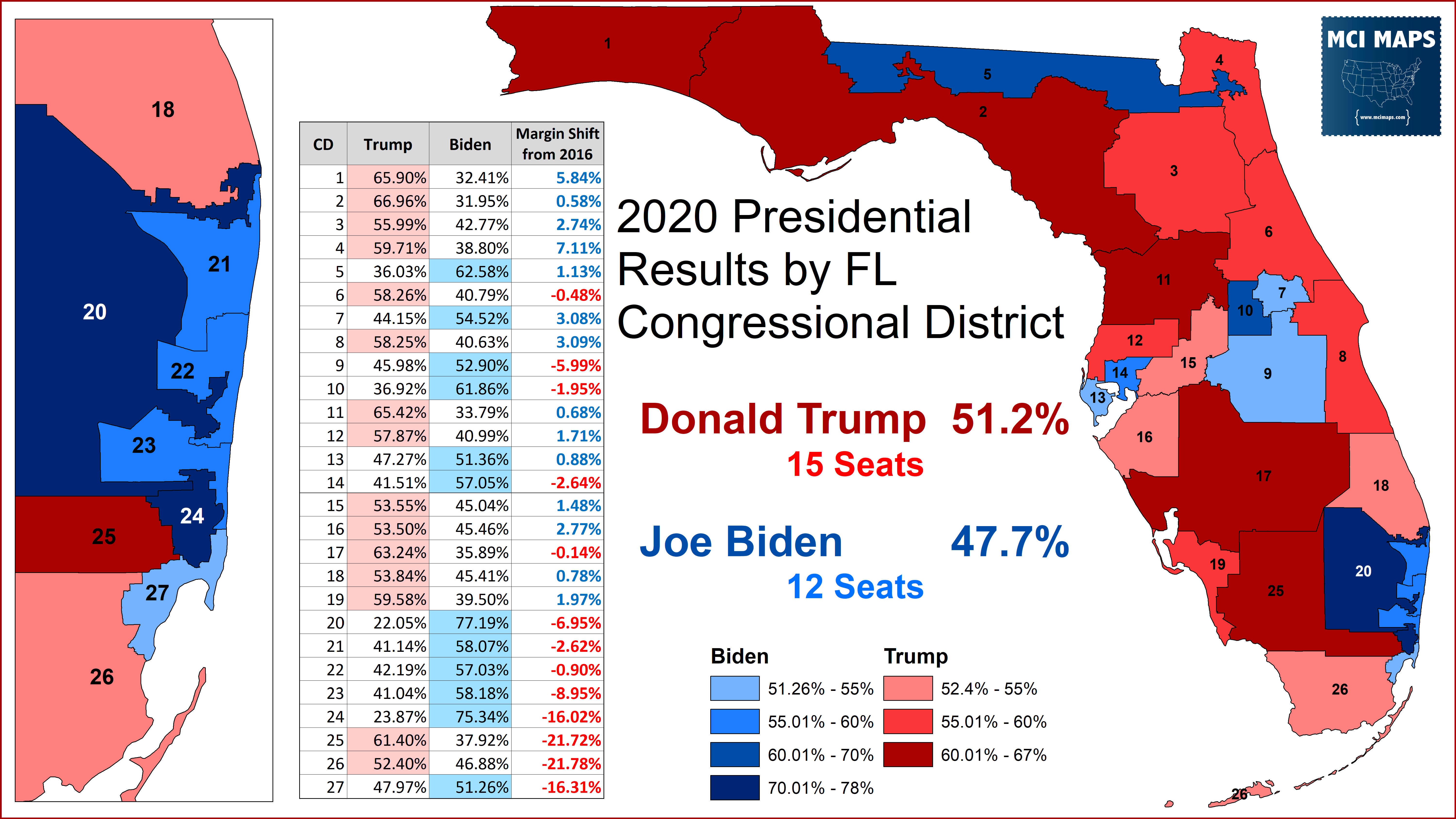
The combination of long-standing conservative strongholds, an influx of like-minded new residents, and effective Republican Party grassroots organization has, in recent years, tilted the state firmly towards the red side of the political spectrum. This shift is not just reflected in statewide elections but also in the legislative priorities and cultural discussions that shape life and travel within the state.
How Politics Intersects with Florida’s Tourism and Lifestyle Appeal
The political identity of a state can subtly, and sometimes overtly, influence its appeal to tourists and those considering a lifestyle change. In Florida, where tourism is a cornerstone of the economy, understanding this intersection is vital. The state’s political climate often sparks national headlines, which can, in turn, affect traveler perceptions and choices, shaping how different destinations are viewed and experienced.
Policy, Perception, and Tourist Choices
State-level policies, particularly those related to social issues, environmental protection, or public health, can significantly impact how Florida is perceived by various tourist segments. For instance, while some policies might resonate positively with conservative travelers seeking a particular kind of environment, others might deter more progressive individuals or groups, such as the LGBTQ+ community or those valuing strong environmental protections.
Florida’s pro-business stance, often associated with its Republican Party leadership, has historically attracted investment in infrastructure, hotels, and attractions, bolstering its tourism industry. This has led to the development of numerous world-class resorts, such as the Ritz-Carlton and Four Seasons properties scattered across the state, alongside extensive convention centers that draw significant corporate and business travel. For many, the focus on economic growth and development translates into high-quality facilities and amenities that enhance the travel experience, regardless of political affiliation.
However, the national spotlight on Florida’s social policies can create a dichotomy. While some visitors may be indifferent or even supportive, others might factor these policies into their travel decisions, seeking destinations that align more closely with their values. This creates a complex dynamic where Florida’s universal appeal as a sunny escape coexists with specific political leanings that resonate differently across diverse audiences.
Diverse Destinations, Diverse Appeals
The beauty of Florida lies in its incredible diversity, both geographically and culturally. This diversity often mirrors its varied political landscape, with different regions appealing to different demographics and, by extension, different political leanings.
- Miami and South Florida: Known for its vibrant nightlife, art deco architecture, and strong Latin American and Cuban American influences, Miami generally leans more liberal. Destinations like South Beach are renowned for their inclusivity, luxury lifestyle, and cutting-edge culture. Here, you’ll find iconic hotels such as the Fontainebleau Miami Beach, catering to a global, diverse clientele seeking sophisticated experiences. This region thrives on its cosmopolitan atmosphere, attracting travelers who appreciate cultural fusion and a lively, progressive environment.
- Orlando and Central Florida: As the theme park capital of the world, home to Walt Disney World Resort and Universal Orlando Resort, Orlando is a major draw for families globally. Politically, Orlando and its surrounding counties tend to be more moderate or even swing Democratic, reflecting its diverse workforce and constant flow of international visitors. The emphasis here is on family-friendly experiences, large-scale entertainment, and a generally welcoming environment for all. The accommodation options range from budget-friendly hotels near the parks to sprawling resorts designed for extensive family stays.
- Southwest Florida (Naples, Sarasota): This region is famous for its upscale retirement communities, pristine beaches, and world-class golf courses. Cities like Naples and Sarasota typically lean more conservative, attracting affluent retirees and those seeking a quieter, luxurious lifestyle. The tourism here often revolves around elegant dining, cultural arts, and outdoor activities in a more serene setting, with luxury villas and boutique hotels being popular accommodation choices.
- The Florida Panhandle (Destin, Panama City Beach): Often referred to as “North Florida” or the “Redneck Riviera,” this area maintains a strong conservative identity, reflecting its proximity to the Deep South. Its tourism is driven by beautiful white-sand beaches and emerald waters, popular with families and college students for spring break. The accommodation here often includes large condo rentals and beachfront hotels, catering to a more budget-conscious, family-oriented vacation.
- The Florida Keys (Key West): Stretching southwest into the Atlantic Ocean, the Florida Keys possess a unique, bohemian culture. Key West, in particular, is known for its liberal, eccentric, and welcoming atmosphere, attracting artists, free spirits, and LGBTQ+ travelers. The tourism here is focused on eco-adventures, historical charm, and a laid-back lifestyle, with boutique guesthouses and charming inns as preferred accommodation.
These regional distinctions illustrate that while the state as a whole may lean Republican Party, Florida’s diverse offerings ensure that there is a destination to suit every preference, lifestyle, and even political outlook.
Beyond the Headlines: Florida’s Unifying Attractions for Every Visitor
Despite the political shifts and regional variations, Florida’s magnetic appeal transcends partisan divides. The state continues to be one of the world’s premier travel destinations, drawing visitors with its unparalleled natural beauty, world-class attractions, and diverse lifestyle options. Its enduring allure lies in its ability to offer something truly unique for every type of traveler, making political labels seem less significant when confronted with its sheer range of experiences.
World-Class Attractions and Natural Wonders
Florida is synonymous with iconic landmarks and breathtaking natural landscapes. The state’s pristine beaches, stretching along the Atlantic Ocean and the Gulf of Mexico, are a major draw. From the lively shores of South Beach in Miami to the serene, powdery sands of Clearwater Beach on the Gulf Coast, beach lovers find endless opportunities for relaxation and water sports.
Beyond the coastlines, Florida is home to unique ecosystems like the Everglades National Park, a vast wetlands wilderness teeming with diverse wildlife, offering airboat tours and hiking trails for nature enthusiasts. Historical sites like St. Augustine, the oldest continuously inhabited European-established settlement in the United States, provide a glimpse into centuries of rich history and Spanish colonial architecture. For those seeking adventure and family fun, the theme parks of Orlando remain a top destination, offering thrilling rides and immersive experiences that appeal to all ages. These attractions serve as unifying forces, drawing people from all walks of life, regardless of their political leanings, to share in the wonder and excitement Florida has to offer.
Accommodation Choices Reflecting Florida’s Diverse Offerings
The breadth of Florida’s appeal is clearly reflected in its accommodation sector. From opulent five-star resorts and boutique hotels to family-friendly suites, budget-conscious apartments, and luxurious vacation villas, there’s an option for every preference and budget. Cities like Miami and Palm Beach boast an array of high-end hotels, offering unparalleled service and amenities for luxury travelers. Meanwhile, destinations around Orlando and the Space Coast provide extensive choices for families, including resorts with integrated water parks and kid-friendly facilities.
For those seeking a more personal or long-term stay, vacation rentals, from cozy Key West cottages to beachfront condos in Destin, offer home-away-from-home comforts. The competitive accommodation market means that visitors can find options that perfectly match their desired travel style, whether it’s a bustling resort experience, a quiet natural retreat, or a vibrant urban escape. Reviews and comparison sites make booking easier, ensuring that every traveler finds their ideal base to explore the Sunshine State.
A Lifestyle for Everyone: From Adventure to Relaxation
Florida’s lifestyle offerings are as varied as its landscapes. Adventure seekers can dive into the clear waters of the Florida Keys for snorkeling and scuba diving, explore the hidden springs of Central Florida by kayak, or challenge themselves with world-class golf on courses across the state. Nature lovers can birdwatch in the Everglades National Park or relax on the tranquil shores of Biscayne Bay.
For those who prefer a more relaxed pace, Florida offers endless opportunities for unwinding, from spa retreats in Naples to leisurely strolls through historic St. Augustine. The state’s culinary scene is a melting pot of global influences, reflecting its diverse population, offering everything from fresh seafood to authentic Cuban American cuisine. Whether for luxury travel, budget exploration, family trips, or business stays, Florida provides a canvas upon which every individual can paint their ideal lifestyle and travel experience, irrespective of the political climate.
In conclusion, while Florida has indeed gravitated towards being a Republican Party state in recent years, this political identity is just one facet of its complex character. Its enduring appeal as a global travel and lifestyle destination is a testament to its incredible diversity, offering a rich tapestry of experiences that transcend political affiliations. From its vibrant urban centers to its serene natural wonders, Florida remains a destination where every visitor can find their own slice of paradise, proving that the Sunshine State’s allure runs far deeper than any political label.
LifeOutOfTheBox is a participant in the Amazon Services LLC Associates Program, an affiliate advertising program designed to provide a means for sites to earn advertising fees by advertising and linking to Amazon.com. Amazon, the Amazon logo, AmazonSupply, and the AmazonSupply logo are trademarks of Amazon.com, Inc. or its affiliates. As an Amazon Associate we earn affiliate commissions from qualifying purchases.