
Puerto Rico, often dubbed the “Island of Enchantment,” offers a vibrant tapestry of culture, history, and breathtaking natural beauty. For many travelers planning a visit, one of the most common questions revolves around communication: what language do they speak in Puerto Rico? The simple answer is that Puerto Rico is officially bilingual, with both Spanish and English holding the status of official languages. However, the reality on the ground is far more nuanced and fascinating, deeply reflecting the island’s unique history and its close ties to both Latin America and the United States. Understanding this linguistic landscape is key to unlocking a richer, more immersive travel experience, whether you’re exploring the historic cobblestone streets of Old San Juan or relaxing on the pristine beaches of Vieques and Culebra.
This article will delve into the linguistic dynamics of Puerto Rico, providing travelers with practical insights into what to expect and how to navigate the island with ease. We’ll explore the historical roots of its bilingualism, the practical implications for visitors, and tips for enhancing your cultural immersion through language. From booking your ideal accommodation in a bustling city like San Juan to finding the best local eateries in a more remote town, a grasp of Puerto Rico’s linguistic reality will undoubtedly enrich your journey.
The Rich Linguistic Tapestry of Puerto Rico: A Historical Perspective
To truly appreciate the linguistic situation in Puerto Rico, one must understand its complex historical trajectory. The island’s story is one of confluence, where indigenous heritage, colonial rule, and modern political affiliations have all left an indelible mark on its identity, including its languages.
Indigenous Roots and Spanish Conquest
Before the arrival of Europeans, Puerto Rico was inhabited by the Taíno people, who spoke a language from the Arawakan family. While the Taíno language largely disappeared due to the devastating impact of Spanish colonization, its legacy persists in many place names across the island and in a handful of words integrated into everyday Puerto Rican Spanish, such as “hamaca” (hammock), “huracán” (hurricane), and “barbacoa” (barbecue). This serves as a subtle reminder of the island’s pre-colonial past, even as the dominant linguistic force quickly became Spanish.
The Spanish arrived in the early 16th century, and with them came their language. Over centuries, Spanish became the bedrock of Puerto Rican society, shaping its culture, institutions, and daily life. It evolved with its own unique inflections, influenced by the sounds and rhythms of the Caribbean and later, by its interactions with English. This long period of Spanish dominance cemented its role as the primary language of identity for Puerto Ricans, fostering a rich literary tradition, vibrant musical genres, and a distinct dialect that resonates with other Caribbean Spanish speakers.
The American Influence and the Rise of English
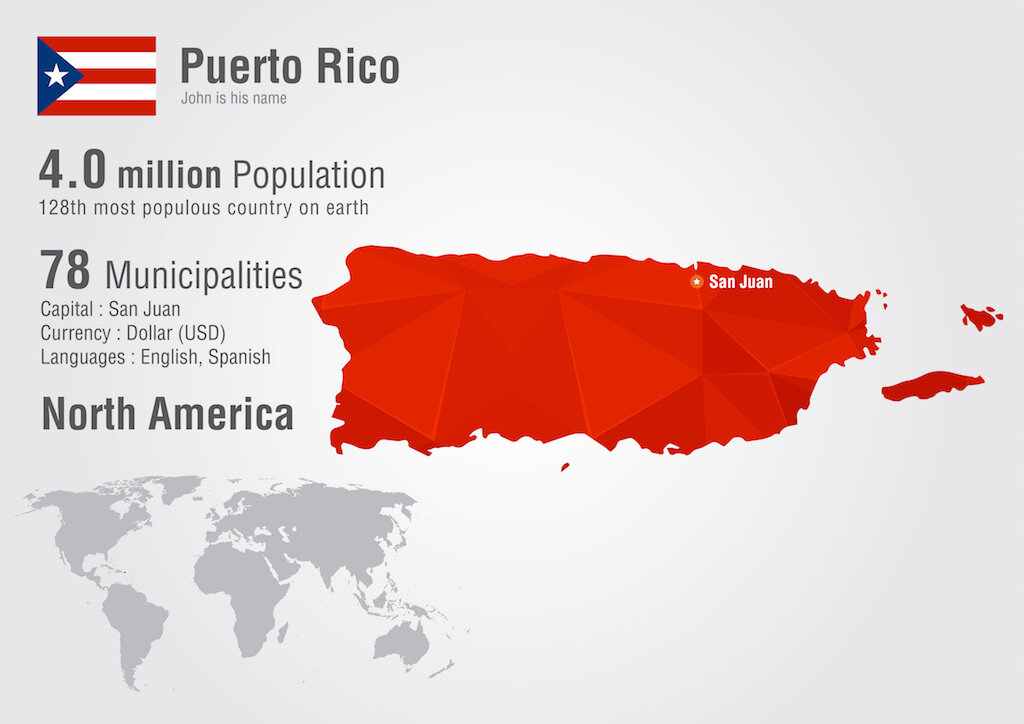
The landscape dramatically shifted in 1898 when Puerto Rico was ceded to the United States after the Spanish-American War. This marked the beginning of a new chapter, one that would introduce English into the island’s linguistic fabric. For decades, there were concerted efforts by the U.S. government to promote English as the primary language of instruction in schools, aiming to integrate Puerto Rico more closely into the American system. These efforts, however, met with significant resistance from the local population, who fiercely protected their Spanish language and cultural heritage.
Despite the political pushes and pulls, English gradually established itself, particularly in government, business, and higher education. Today, Puerto Rico’s status as a U.S. territory means that federal affairs are conducted in English, and many Puerto Ricans travel, work, and study in the mainland United States, further solidifying the language’s presence. This unique blend of historical influences has culminated in the officially bilingual status that defines Puerto Rico today, creating a fascinating environment for both residents and visitors alike.
The Dominant Duo: Spanish and English – Official Languages
While both Spanish and English are official languages, their prevalence and utility vary significantly across the island. Understanding where and when you’re likely to encounter each will greatly enhance your travel experience, particularly when interacting with locals, seeking accommodation, or exploring attractions.
Spanish: The Heartbeat of the Island
Spanish is undeniably the soul and everyday language of Puerto Rico. It is the language spoken at home, in schools, in local businesses, and in daily interactions. For the vast majority of Puerto Ricans, Spanish is their mother tongue, and it is the primary medium for cultural expression, music, and social life. When you visit Puerto Rico, you will hear Spanish everywhere: the lively conversations in town squares, the music playing from cars, the announcements in stores, and the impassioned discussions in local cafés.
Puerto Rican Spanish itself is a vibrant dialect, characterized by a fast pace, unique colloquialisms, and influences from its Caribbean neighbors, the Taíno language, and even American English. While it shares roots with Castilian Spanish, there are distinct differences in pronunciation, vocabulary, and rhythm. Learning a few basic Spanish phrases, such as “Hola” (Hello), “Gracias” (Thank you), “Por favor” (Please), “Disculpe” (Excuse me), and “Cuánto cuesta?” (How much does it cost?) will go a long way in demonstrating respect for the local culture and will often be met with warmth and appreciation from residents. It’s also invaluable for navigating menus, shopping at local markets, and engaging in authentic cultural experiences beyond the main tourist corridors.

English: The Language of Opportunity and Connection
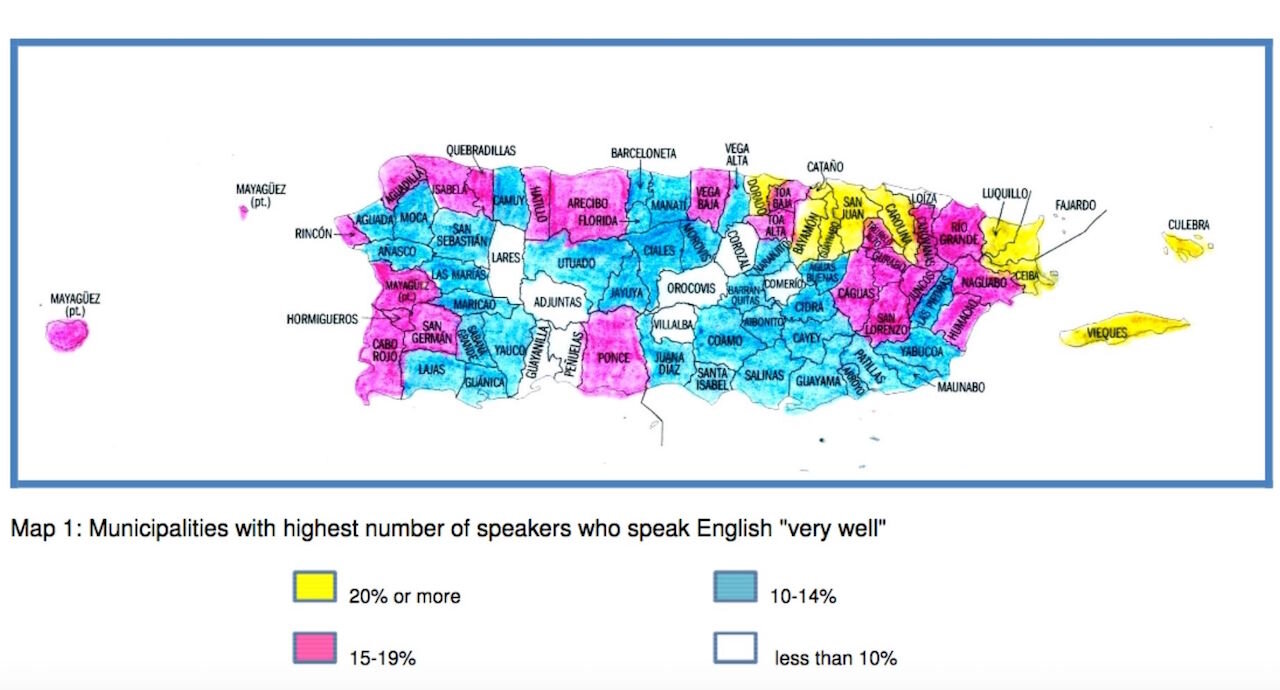
English, while official, is more of a second language for most Puerto Ricans, although proficiency levels vary widely. Its presence is most strongly felt in official government communications, larger businesses, and, crucially for travelers, in the tourism sector. Many Puerto Ricans who have studied abroad, work in international trade, or are involved in tourism speak English fluently, often with a distinct and charming accent.
You’ll find English to be particularly prevalent in metropolitan areas like San Juan and its surrounding tourist districts, including Condado and Isla Verde. Staff at major hotels, resorts like the luxurious Condado Vanderbilt Hotel or The St. Regis Bahia Beach Resort, popular restaurants, and tour operators are typically proficient in English to cater to international visitors. English signage is also common in these areas, as well as in major attractions and landmarks such as Castillo San Felipe del Morro and El Yunque National Forest. For many visitors from the United States and other English-speaking countries, Puerto Rico’s bilingual status makes it an incredibly accessible Caribbean destination, allowing them to enjoy the vibrant Latin American culture without a significant language barrier.
Navigating Puerto Rico as a Traveler: Language Tips for Visitors
Traveling through Puerto Rico is an adventure that blends relaxation with discovery, and understanding the linguistic landscape is a vital part of planning your journey. Depending on your itinerary and travel style, your language needs will vary.
Communication in Tourist Hubs and Upscale Accommodation
If your travel plans primarily involve staying in major tourist areas such as San Juan, Old San Juan, or coastal resort towns like Dorado and Fajardo, you will find that English is widely spoken and understood. Many hospitality professionals, including hotel staff at establishments like Dorado Beach, a Ritz-Carlton Reserve or El Conquistador Resort, often speak excellent English. Menus in popular restaurants are frequently bilingual, and tour guides conducting excursions to places like El Yunque National Forest or the bioluminescent bays are accustomed to communicating in English.
For those seeking luxury travel or premium accommodation, rest assured that communication will likely not be an issue. These establishments pride themselves on catering to an international clientele, and their staff are trained to assist guests in English. Booking processes, reviews, and amenities descriptions are almost always available in English, making the planning stage seamless. Even local vendors in high-traffic tourist zones are often equipped to handle transactions and provide information in English, recognizing the importance of international tourism to the local economy.
Venturing Off the Beaten Path: Embracing Local Culture
The experience changes slightly when you venture beyond the bustling tourist centers and into more rural areas or smaller towns like Ponce or Rincón. Here, Spanish becomes even more dominant, and English proficiency may be less common, particularly among older generations. This is where your efforts to speak even a little Spanish will be most appreciated and useful.
Exploring these areas offers a deeper dive into the authentic Puerto Rican lifestyle, from sampling local delicacies at a roadside stand to enjoying live music at a community gathering like those found in La Placita de Santurce. Don’t let a potential language barrier deter you, however. Puerto Ricans are generally warm, friendly, and patient. Even if your Spanish is rudimentary, attempting to communicate in their native language will often elicit smiles and helpful gestures. Many locals are also eager to practice their English, so you might find opportunities for mutually beneficial language exchanges.
Consider having a translation app on your phone as a helpful backup. Google Translate or similar tools can assist with quick translations of phrases or signs, making it easier to order food, ask for directions, or understand local customs. This approach to travel allows you to connect more intimately with the island’s vibrant culture, tasting its authentic cuisine, participating in its lively activities, and truly experiencing the unique rhythm of life outside the typical tourist bubble.
Cultural Immersion Through Language
Ultimately, learning a few phrases in Spanish is not just practical; it’s a gateway to genuine cultural immersion. It shows respect for your hosts and opens doors to interactions you might otherwise miss. Imagine ordering a “mofongo” or a “piña colada” in Spanish, or sharing a laugh with a local vendor at a farmers’ market. These small linguistic efforts can transform a simple trip into a memorable experience, enriching your understanding of Puerto Rico’s people and their way of life.
From a lifestyle perspective, engaging with the local language, even minimally, transforms your trip from a mere vacation into a truly enriching cultural exchange. Whether you’re on a luxury trip, a budget adventure, a family vacation, or a business stay, these interactions add depth and authenticity that no guidebook can fully convey.
Beyond Spanish and English: Other Linguistic Influences
While Spanish and English are the two official and dominant languages, Puerto Rico’s melting pot history means there have been minor influences from other languages. The echoes of the indigenous Taíno language are, as mentioned, still present in some vocabulary. Historically, due to the slave trade, some West African languages also had a limited influence on certain colloquialisms and musical traditions, though they did not establish a lasting linguistic presence.
In modern times, Puerto Rico is a diverse society, and like any other global hub, it hosts small communities of immigrants from various parts of the world, including other Latin American countries, Europe, and Asia. These communities often maintain their native languages within their homes and cultural centers, but their linguistic impact on the broader Puerto Rican society remains minimal compared to the profound influence of Spanish and English. For the typical traveler, these other languages will likely not factor into their communication needs or experiences.
In conclusion, Puerto Rico truly offers the best of both worlds when it comes to language. Its deep Spanish roots provide an authentic Latin American cultural experience, while the widespread understanding of English ensures accessibility and comfort for a broad range of international travelers. So, pack your bags, perhaps brush up on a few basic Spanish phrases, and prepare to be enchanted by the linguistic harmony and vibrant culture of Puerto Rico. Your adventure awaits, and communication will be just another fascinating facet of your unforgettable journey.
LifeOutOfTheBox is a participant in the Amazon Services LLC Associates Program, an affiliate advertising program designed to provide a means for sites to earn advertising fees by advertising and linking to Amazon.com. Amazon, the Amazon logo, AmazonSupply, and the AmazonSupply logo are trademarks of Amazon.com, Inc. or its affiliates. As an Amazon Associate we earn affiliate commissions from qualifying purchases.