
As a state synonymous with sunshine, pristine beaches, and world-class attractions, Florida consistently ranks as a premier travel destination. Millions flock to its shores and vibrant cities each year, seeking everything from luxurious resort stays to budget-friendly family adventures. However, with its stunning coastline comes the inherent risk of tropical weather systems, and the looming threat of Hurricane Milton has once again cast a shadow of uncertainty over the Sunshine State. For residents and prospective visitors alike, the critical question is: which parts of Florida are most likely to feel Milton’s wrath, and what does this mean for travel, tourism, accommodation, and the distinct lifestyle experiences Florida offers?
Understanding the potential impact of a hurricane like Milton requires a closer look at meteorological forecasts, geographical vulnerabilities, and the robust preparedness measures in place across the state. This article aims to provide a comprehensive overview, blending essential information with insights tailored to travelers and those involved in Florida’s dynamic tourism industry, from luxury resorts to charming local eateries. We will delve into how such a storm can disrupt meticulously planned itineraries, influence accommodation choices, and challenge the very fabric of local economies, all while highlighting the state’s remarkable resilience and the importance of informed decision-making.
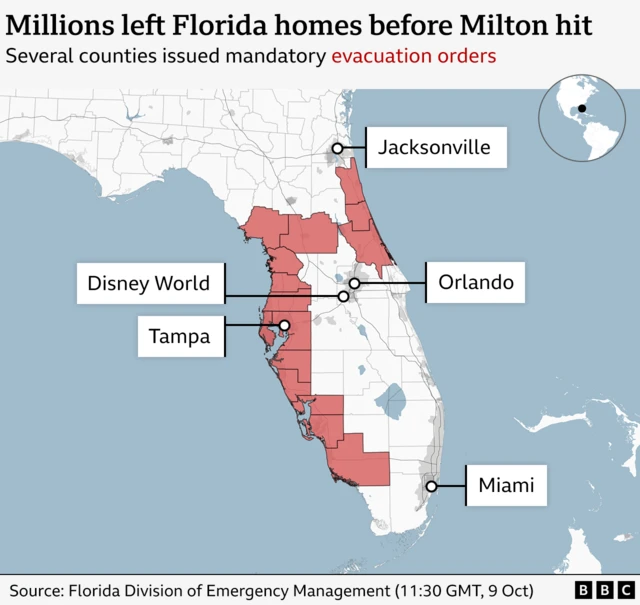
Understanding Hurricane Milton’s Potential Path and Intensity
Hurricane forecasting is an intricate science, relying on a confluence of satellite imagery, atmospheric data, and complex computer models to predict a storm’s trajectory and strength. As Hurricane Milton develops, understanding these dynamics is crucial for anyone planning to visit or residing in Florida.
The Dynamics of Tropical Systems and Initial Projections
Tropical cyclones are vast, rotating storm systems fueled by warm ocean waters. Their paths are influenced by a myriad of atmospheric steering currents, most notably high-pressure systems. Forecasters at the National Hurricane Center and the National Weather Service utilize various models, such as the Global Forecast System (GFS) and the European Centre for Medium-Range Weather Forecasts (ECMWF or Euro), to generate a “cone of uncertainty.” This cone, while narrowing as the storm approaches, always represents a probable track, not a definitive line, emphasizing the inherent unpredictability.
Initial projections for Hurricane Milton often indicate a threat to either Florida’s Gulf Coast or its Atlantic Coast. Storms originating in the Gulf of Mexico tend to target the western coastline, while those forming in the Atlantic Basin can threaten any part of the eastern seaboard. The intensity of Milton – whether it remains a tropical storm or rapidly intensifies into a major hurricane – also dictates the extent of potential damage from wind, storm surge, and inland flooding. Monitoring official updates from meteorological agencies is paramount, as even slight shifts in the forecast track can dramatically alter which communities are most at risk.

Key Regions Under Threat: From Panhandle to South Florida
Given Florida’s extensive coastline and diverse geography, different regions face distinct vulnerabilities.
-
Florida Panhandle: Often impacted by Gulf-born storms, this region includes popular destinations like Pensacola, Destin, and Panama City Beach. These areas, famed for their sugar-white sands and emerald waters, are particularly susceptible to storm surge and high winds. Iconic natural landmarks such as the Gulf Islands National Seashore could face significant erosion and ecological disruption. Resorts, vacation rentals, and the lively local tourism scene here would be directly in the crosshairs, necessitating early evacuation orders and significant preparations for infrastructure and accommodation facilities.
-
Southwest Florida: Stretching from Sarasota down to Naples and Fort Myers, this region is characterized by its numerous barrier islands, including the beloved Sanibel Island and Captiva Island. These low-lying islands are extremely vulnerable to storm surge, which can inundate homes, businesses, and critical infrastructure like causeways. The area’s affluent communities and luxury resorts, such as the Ritz-Carlton, Naples, would enact stringent hurricane protocols, potentially requiring guests to evacuate far in advance.
-
Central Florida: While largely inland, this region, encompassing the Tampa Bay Area (Tampa, St. Petersburg) and Orlando, is not immune. Heavy rainfall can lead to widespread flooding, and strong winds can cause significant damage to properties and extensive power outages. Orlando, home to the Walt Disney World Resort, Universal Orlando Resort, and SeaWorld Orlando, faces the unique challenge of ensuring the safety of millions of tourists. Theme parks often have robust hurricane policies, including closures and rebooking options, but the logistical challenges are immense.
-
Southeast Florida: This densely populated corridor from Palm Beach through Fort Lauderdale to Miami is a global hub for luxury travel, business, and cruise tourism. High-rise buildings face wind challenges, and coastal areas are vulnerable to storm surge. PortMiami and Port Everglades are major cruise ports, and a hurricane would necessitate cruise rerouting or cancellations, impacting thousands of travelers. Resorts like The Breakers Palm Beach would prioritize guest safety and asset protection.
-
Florida Keys: This string of islands, culminating in Key West, is arguably the most vulnerable part of Florida to hurricanes. Its low elevation and limited evacuation routes make it highly susceptible to catastrophic storm surge and complete inundation. Residents and visitors are typically among the first to receive mandatory evacuation orders, and recovery can be prolonged. The unique charm of places like Key West, with its historical architecture and vibrant local culture, faces constant threats from severe weather.
Impact on Travel, Tourism, and Accommodation
The approach of a significant storm like Hurricane Milton triggers a cascading series of effects across Florida’s intricate travel, tourism, and accommodation sectors. From disrupted transportation networks to altered booking landscapes, careful planning and communication become paramount.
Navigating Travel Disruptions and Safety for Visitors
Travelers headed to or within Florida during hurricane season must be prepared for potential disruptions. Airports, roads, and cruise lines are often the first to feel the impact.
-
Air Travel: Major hubs like Orlando International Airport, Miami International Airport, and Tampa International Airport may experience flight delays, cancellations, or even full closures. Airlines typically issue travel waivers allowing passengers to rebook without penalty, but it’s crucial for travelers to check their airline’s specific policies and flight status well in advance. Travel insurance that covers hurricane-related cancellations or delays is highly recommended, especially for those booking non-refundable trips.
-
Road Travel: As a hurricane approaches, evacuation routes, primarily Interstate 75, Interstate 95, and Florida’s Turnpike, become heavily congested. State authorities, like the Florida Department of Transportation, implement contraflow lane reversals and suspend tolls to facilitate rapid movement. However, traffic can be severe, and fuel availability can become an issue. Bridges to barrier islands are often closed once sustained winds reach a certain threshold, cutting off access. Travelers should monitor local news and traffic apps for real-time information.
-
Cruise Lines: Florida is the cruise capital of the world, with major ports including Port Canaveral, PortMiami, and Port Everglades. Approaching storms invariably lead to cruise reroutings, delayed departures, or outright cancellations to ensure passenger safety. Passengers should communicate directly with their cruise line for updates and understand their rebooking or refund options.
-
Safety Advice: The paramount advice for all visitors is to prioritize safety. Heed all warnings and evacuation orders from local emergency services. Have a clear plan, including an emergency kit with essentials, and know your designated shelter if you cannot evacuate. Local tourism boards and hotel staff are usually well-versed in emergency protocols and can provide guidance.
Hotels, Resorts, and Alternative Stays: Preparedness and Protocols
The accommodation sector in Florida plays a vital role in both emergency response and post-storm recovery.
-
Pre-Hurricane Protocols: Hotels and resorts in vulnerable areas have detailed hurricane preparedness plans. These often include securing outdoor furniture, boarding windows, preparing emergency generators, and stocking supplies. When evacuation orders are issued, properties are typically required to close and ask guests to leave. Cancellation policies usually become more flexible during hurricane threats, with many establishments offering full refunds or rebooking options. It’s always best for travelers to confirm with their specific hotel about their hurricane policy.
-
During and Post-Hurricane: During the storm, remaining hotel staff shelter in place. Immediately after, assessments are made regarding damage, power, and water availability. Only properties that are deemed safe and fully operational will reopen. In the aftermath, some inland hotels may serve as shelters or host emergency personnel, limiting availability for regular travelers.
- Luxury Resorts: High-end properties like The Breakers Palm Beach or the Ritz-Carlton, Naples have extensive resources for preparedness, often offering guests enhanced communication and assistance during potential evacuations. Post-storm, their recovery efforts can be swift, aiming to restore their high standards of service.
- Boutique Hotels and Vacation Rentals: Smaller operations, including independent hotels and vacation rentals booked via platforms like Airbnb or VRBO, may have varying levels of preparedness and communication. Guests booking these options should establish clear communication channels with hosts or property managers and inquire about hurricane policies. Long-term stays can be particularly impacted, requiring guests to find alternative temporary housing.
- Booking Tips: When planning a trip during hurricane season (June 1st to November 30th), travelers should always consider travel insurance. Opt for flexible bookings where possible and always verify cancellation and rebooking policies directly with the accommodation provider. After a storm, be patient, as recovery takes time, and resources may be strained.
Preserving Florida’s Landmarks and Lifestyle Amidst the Storm
Florida’s allure extends beyond its beaches, encompassing a rich tapestry of historical sites, natural wonders, and diverse lifestyle experiences. A hurricane threat forces communities to consider not just immediate safety but also the long-term preservation of these invaluable assets.
Protecting Iconic Landmarks and Natural Wonders
The state’s cultural and environmental treasures are often at the forefront of preservation efforts during a hurricane.
- Historical Sites: St. Augustine, the nation’s oldest continuously inhabited European-established settlement, faces constant threats. Its historic district, including the venerable Castillo de San Marcos, is vulnerable to storm surge and wind damage. Protective measures include temporary barriers, securing artifacts, and ensuring structural integrity. Efforts focus on documenting and protecting these irreplaceable pieces of history.
- Natural Landscapes: Everglades National Park, a designated UNESCO World Heritage Site, is a vast, low-lying wetland ecosystem. While resilient to natural cycles of water, severe storm surge and freshwater flooding can alter salinity levels, disrupt wildlife habitats, and cause extensive damage to visitor infrastructure. Florida State Parks across the state, from Clearwater Beach to Amelia Island, also implement measures to protect facilities, native flora, and fauna, often closing well in advance of a storm. Beach erosion is a common and persistent challenge after coastal storms, impacting the very sand that draws millions.
- Theme Parks and Attractions: While not historical in the traditional sense, major attractions like Walt Disney World Resort, Universal Orlando Resort, Busch Gardens Tampa Bay, and the Kennedy Space Center Visitor Complex are landmarks in their own right. They employ sophisticated hurricane plans, including ride shutdowns, securing outdoor elements, and ensuring guest safety in designated hurricane-hardened structures. These closures, while necessary, can cause significant disappointment for families whose long-anticipated trips coincide with the storm.
Lifestyle Adjustments: From Luxury Escapes to Budget-Conscious Travel
A hurricane’s approach necessitates significant adjustments across all strata of Florida’s diverse lifestyle and tourism experiences.
- Luxury Travel: Guests accustomed to luxury travel—private jet charters, exclusive resorts, and bespoke experiences—face immediate disruption. While these travelers often have access to more flexible travel arrangements and private options for evacuation, the experience of a storm can still be stressful. High-end dining establishments and exclusive boutiques in areas like South Beach or Naples may close, altering the typical opulent vacation.
- Budget Travel and Family Trips: For budget travelers and families, hurricanes pose unique financial and logistical challenges. Finding affordable last-minute accommodation during an evacuation can be difficult, and unexpected expenses can quickly deplete limited travel funds. Family trips, often planned months in advance to theme parks or coastal towns like Daytona Beach or Siesta Key, can be heartbreakingly canceled or cut short, impacting both vacation plans and family budgets. Preparedness, including an emergency fund and travel insurance, becomes even more critical for this demographic.
- Business Stays: Florida’s cities are also major hubs for business travel and conventions. Approaching hurricanes often lead to the cancellation of conferences, trade shows, and corporate events, affecting not only business travelers but also the local economies that rely on these gatherings. Hotels and convention centers shift their focus from hosting events to securing facilities and potentially sheltering people.
Regardless of the travel style, the overriding theme during a hurricane threat is community resilience. Locals and visitors alike are encouraged to look out for one another, support local businesses where possible (especially during recovery), and prioritize human safety above all else.
Post-Milton Recovery and the Enduring Spirit of Florida Tourism
The immediate aftermath of a hurricane is a period of intense activity, followed by a sustained commitment to recovery and rebuilding. Florida’s history is replete with examples of remarkable resilience, showcasing the enduring spirit of its communities and its tourism industry.
The Immediate Aftermath and Long-Term Rebuilding Efforts
Once Hurricane Milton passes, the immediate priority shifts to damage assessment, search and rescue, and restoring essential services.
- Immediate Response: Emergency services, supported by the Florida Division of Emergency Management, spring into action. This involves clearing roads, restoring power, and ensuring access to food and water. For tourists who sheltered in place, this period can be disorienting, with limited communication and travel options. Hospitals and medical facilities prioritize emergency care.
- Damage and Infrastructure: The extent of damage varies greatly depending on Milton’s intensity and direct path. Coastal infrastructure, from piers to roads, often bears the brunt. Beaches, such as Anna Maria Island or Clearwater Beach, may experience significant erosion, requiring extensive renourishment projects. Recovery efforts can span weeks, months, or even years, especially for severely impacted areas. The hospitality sector faces the immense task of repairing damaged properties, restocking supplies, and bringing staff back to work, often in challenging circumstances.
- Community and Economic Rebuilding: Beyond physical repairs, communities rally to support each other. Volunteering, charitable donations, and local government assistance are crucial. The economic impact on small businesses, particularly those reliant on tourism, can be devastating. Supporting these local enterprises through patronage during the recovery phase is essential for their survival and the broader economic health of the region.
Planning Future Florida Adventures with Resilience in Mind
Despite the challenges posed by hurricanes, Florida’s appeal as a travel destination remains undiminished. The state’s quick recovery and robust tourism infrastructure mean that disruptions are often temporary.
- Florida’s Resilience: Florida has a long history of bouncing back stronger after storms. Its tourism industry is adept at recovery, with attractions and accommodations often reopening swiftly after safety inspections and necessary repairs. The state government and local entities are deeply invested in maintaining Florida’s status as a premier destination, ensuring resources are mobilized for effective recovery.
- Future Travel Tips: For those planning future trips, especially during hurricane season, a few considerations can enhance peace of mind:
- Travel Insurance: Reiterate the importance of comprehensive travel insurance that includes hurricane coverage.
- Flexibility: Choose accommodations and flights with flexible cancellation or change policies.
- Stay Informed: Keep an eye on long-range forecasts, even before booking, and remain aware of weather patterns leading up to your trip.
- Support Local: When visiting post-storm, consciously support local businesses that may have been impacted. Your tourist dollars contribute directly to their recovery.
- The Enduring Allure: The fundamental attractions of Florida—its sun-drenched beaches, vibrant cultural scenes, world-class theme parks, and unique natural beauty—endure. Whether it’s the magical escapism of Walt Disney World Resort, the historical charm of St. Augustine, the pristine shores of Anna Maria Island, or the bustling energy of Miami, the reasons people choose Florida for their travel and lifestyle experiences remain powerful. The state’s readiness, the dedication of its communities, and the underlying beauty of its landscapes ensure that Florida will continue to welcome visitors, resilient and vibrant, long after Hurricane Milton has passed.