
Alaska, often dubbed “The Last Frontier,” is a land of unparalleled natural beauty, adventure, and a unique temporal rhythm that sets it apart from the rest of the United States. When planning a trip to this magnificent state, or even just curious about its daily pulse, one of the first questions that often arises is: “What time is it in Alaska?” The answer is more nuanced than a simple clock face, encompassing vast geographical expanses, a distinct time zone, and the dramatic interplay of seasons. Understanding Alaska’s time is crucial for seamless travel planning, effective communication, and fully appreciating the lifestyle and daily realities of its residents.
This comprehensive guide delves into the intricacies of Alaska’s time zones, their impact on travel and tourism, and practical tips for visitors and locals alike. From the strategic scheduling of flights and tours to adapting to the unique phenomenon of the Midnight Sun, navigating time in Alaska is an integral part of its allure. Whether you’re a first-time adventurer eager to explore its landmarks or a seasoned traveler planning a long-term stay, this insight will enrich your Alaskan experience.

Understanding Alaska’s Unique Temporal Landscape
At first glance, understanding time in Alaska might seem straightforward, but its sheer size and position on the globe introduce complexities that set it apart from other states. The primary time zone observed across most of Alaska is unique to the region, and its geographical spread presents interesting challenges and adaptations.
The Basics: Alaska Standard Time (AKST) and Alaska Daylight Time (AKDT)
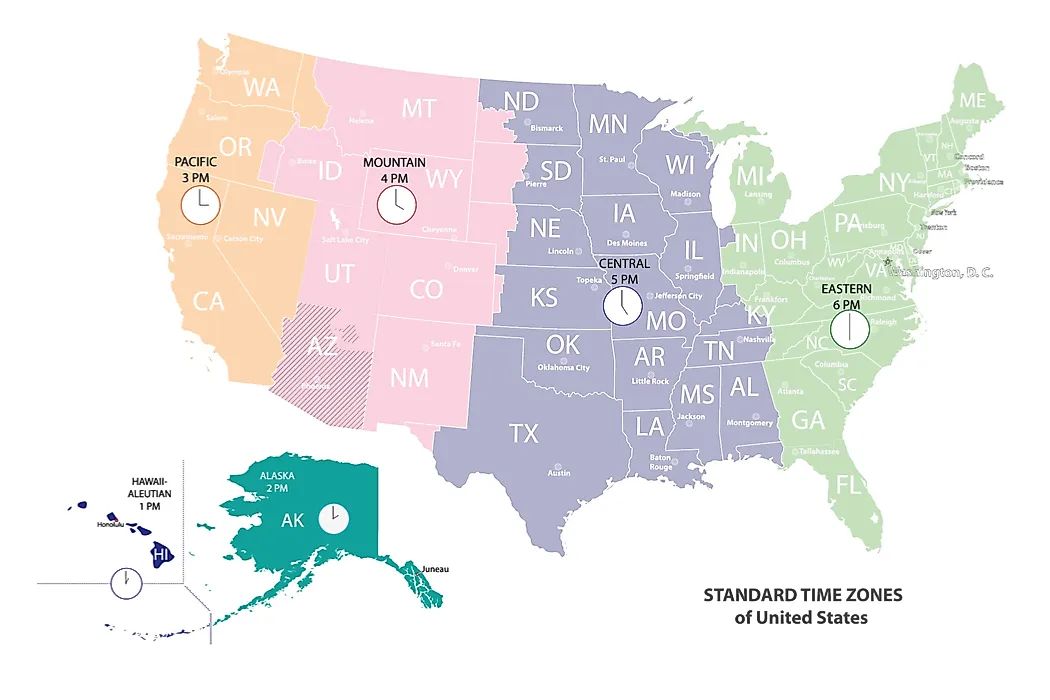
Most of Alaska operates on Alaska Standard Time (AKST) during the winter months, which is UTC-9 hours. This means that Alaska is nine hours behind Coordinated Universal Time. When daylight saving time begins in March, the state switches to Alaska Daylight Time (AKDT), moving forward one hour to UTC-8 hours. This adjustment aligns with the broader United States practice of “spring forward, fall back.”
To put this into perspective relative to the contiguous United States:
- Alaska is one hour behind the Pacific Time Zone (California, Washington, Oregon).
- Alaska is two hours behind the Mountain Time Zone (Colorado, Arizona, Utah).
- Alaska is three hours behind the Central Time Zone (Texas, Illinois).
- Alaska is four hours behind the Eastern Time Zone (New York, Florida).
This significant time difference, particularly with the east coast, can make communication and scheduling a logistical puzzle for those managing connections across the country.
There’s also a crucial exception: the far western reaches of the Aleutian Islands, specifically west of 172° W longitude, observe the Hawaii-Aleutian Time Zone. This places them at UTC-10 hours during standard time and UTC-9 hours during daylight saving time. This unique geographical twist means that these remote islands are an hour behind the rest of Alaska, highlighting the immense longitudinal spread of the state and its close proximity to the International Date Line.

The Geographical Conundrum: Spanning Vast Longitudes
The reason for Alaska’s unique time zone setup lies in its colossal size and geographical positioning. Alaska is the largest state in the United States by land area, encompassing more than 663,000 square miles. Its longitudinal extent is so vast that it technically crosses five standard time zones. However, for practical and administrative purposes, the state consolidated into mostly one time zone, with the aforementioned Aleutian Islands exception.
Consider the span from its eastern border near Canada to the westernmost tip of the Aleutian Islands, which actually extends into the Eastern Hemisphere. This extreme longitudinal spread brings Alaska remarkably close to the International Date Line, a theoretical line that marks the change of one calendar day to the next. In fact, a small portion of the Aleutian Islands (Attu Island) is technically across the International Date Line but is observed on the same calendar day as the rest of Alaska for practical reasons. This proximity means that when it’s noon in Anchorage, it might be late morning or early afternoon of the next day in parts of Asia directly across the Bering Strait. This geographical reality truly emphasizes Alaska’s role as a bridge between continents and its unique position on the world map.
Time’s Impact on Your Alaskan Travel Experience
For visitors, understanding Alaska’s time is more than just a matter of setting a watch; it profoundly influences the entire travel experience. From the practicalities of scheduling to the awe-inspiring natural phenomena, time shapes how one interacts with this incredible destination.
Planning Your Itinerary: Flights, Tours, and Attractions
When planning an Alaskan adventure, the time difference is a critical factor for orchestrating a smooth trip. Travelers flying into major hubs like Anchorage, Fairbanks, or Juneau from the Lower 48 will need to account for a significant time change. An early morning flight from New York might land in Anchorage in the late afternoon, but your body will feel like it’s much later. This immediate shift can lead to jet lag, which requires strategic planning to mitigate its effects. Hydration, light meals, and adjusting sleep patterns even before departure can help.
Booking accommodation such as hotels, lodges, or cabins should also factor in arrival times. Many resorts and apartments have standard check-in times that you’ll need to coordinate with your arrival after accounting for time zone shifts. Similarly, coordinating with tour operators for activities like wildlife viewing, fishing charters, or visits to landmarks like Glacier Bay National Park or Denali National Park requires careful attention to local time. A “9 AM departure” for an Alaskan cruise from Seward or Ketchikan is local time, and missing it due to a time zone miscalculation could significantly impact your entire experience. Many popular attractions and guided tours, especially those involving limited capacity or specific natural conditions (like tides for kayaking in Sitka), operate on strict schedules.
Embracing the Alaskan Day-Night Cycle: Midnight Sun and Polar Night
Beyond clock time, Alaska’s extreme latitudinal position results in dramatic seasonal variations in daylight hours, which profoundly influences the rhythm of life and tourism.
During the summer months, particularly north of the Arctic Circle in towns like Utqiaġvik (Barrow) or Nome, the sun can remain above the horizon for weeks or even months, giving rise to the famous Midnight Sun. This phenomenon extends daylight hours significantly even in southern cities like Anchorage and Fairbanks, where summer days can easily boast 18-20 hours of usable daylight. For travelers, this means more time for activities and exploration. You can hike in Chugach State Park late into the evening, fish at what feels like midnight, or enjoy extended sightseeing without the rush of impending darkness. However, adjusting sleep patterns can be challenging. Many hotels and accommodation providers, especially those catering to tourism, are well-equipped with blackout curtains to help guests simulate nightfall.
Conversely, winter brings the Polar Night, particularly in the Arctic regions, where the sun may not rise at all for extended periods. Even in more populous areas, winter days are short, with only a few hours of twilight. While this means fewer daylight hours for outdoor activities, it also creates optimal conditions for witnessing the breathtaking Northern Lights (Aurora Borealis). The long, dark nights provide ample opportunity to chase this celestial spectacle, turning winter into a unique and magical travel destination. Tourism guides often focus on specific timings for aurora viewing tours, emphasizing that even “late night” can feel like midday in summer’s endless light or early evening in winter’s perpetual twilight.
Practical Considerations for Visitors and Residents
Whether you’re a first-time visitor or considering a longer stay, adapting to Alaska’s temporal landscape involves more than just resetting your clock. It impacts communication, daily routines, and overall well-being.
Communication and Business Across Time Zones
For individuals on business stays or those trying to maintain contact with family and colleagues in the Lower 48, managing the time difference requires strategic planning. A typical 9-to-5 workday in New York is 5 AM to 1 PM in Anchorage, while a business meeting scheduled for 4 PM Pacific Time is 3 PM in Alaska. This can mean early morning calls for Alaskans or late evening communications for those outside the state. Setting up international calls or video conferences with clients in Europe or Asia introduces even greater complexity.
Businesses operating in Alaska, especially those with national or international connections, must factor these time differences into their operations. From supply chain logistics to customer service hours, the time zone can dictate the rhythm of commerce. Many Alaskan businesses adapt by setting specific windows for communications with other regions or by utilizing asynchronous communication methods. For remote workers or those on a long-term stay in Alaska, establishing a routine that respects both local time and external commitments is key to productivity and maintaining connections.
Adjusting to the Alaskan Rhythm: Health and Lifestyle Tips
Managing jet lag is perhaps the most immediate health consideration for travelers arriving in Alaska from other time zones. To minimize its impact, gradually adjust your sleep schedule a few days before your trip. Once you arrive, try to expose yourself to natural light during Alaska’s daytime hours and avoid heavy meals or excessive alcohol close to bedtime. Staying active and exploring local culture and food can help synchronize your internal clock with the new environment.
The extreme shifts in daylight also have a significant lifestyle impact. During summer’s endless days, it’s easy to lose track of time. Alaskans often find themselves being more active, scheduling outdoor activities late into the “night.” Conversely, the short, dark winter days can affect mood and energy levels. Many residents use light therapy lamps to counteract Seasonal Affective Disorder (SAD) and embrace winter activities like skiing, snowboarding, or ice fishing to stay active and engaged. For family trips, parents might find it challenging to get children to sleep during the Midnight Sun, making routines and blackout solutions essential. Whether experiencing the unique joy of a summer sunset at 1 AM or the contemplative beauty of winter’s long nights, embracing Alaska’s temporal uniqueness is a vital part of its charm.
Conclusion: Time, Travel, and the Alaskan Spirit
The question “What time is it in Alaska?” opens a door to understanding much more than just the hour of the day. It reveals the geographical marvels of this vast state, the practical considerations for travelers and residents, and the unique rhythms of life influenced by extreme daylight variations. From its primary observance of Alaska Standard Time and Alaska Daylight Time to the distinct time zone of the Aleutian Islands and the mesmerizing phenomena of the Midnight Sun and Polar Night, Alaska offers a temporal experience unlike any other.
Whether you are planning to embark on a luxury travel adventure, a budget travel expedition, or a simple family trip, paying close attention to Alaska’s time zones and seasonal light cycles will significantly enhance your journey. It allows for meticulous booking of accommodation and attractions, smooth communication, and a deeper appreciation for the local lifestyle and culture. As you pack your bags and prepare for the breathtaking landscapes and unforgettable experiences of Alaska, remember that understanding its time is your first step towards truly immersing yourself in this extraordinary frontier.
LifeOutOfTheBox is a participant in the Amazon Services LLC Associates Program, an affiliate advertising program designed to provide a means for sites to earn advertising fees by advertising and linking to Amazon.com. Amazon, the Amazon logo, AmazonSupply, and the AmazonSupply logo are trademarks of Amazon.com, Inc. or its affiliates. As an Amazon Associate we earn affiliate commissions from qualifying purchases.