
Hawaii, the shimmering jewel of the Pacific, often conjures images of pristine beaches, lush rainforests, and vibrant culture. It’s a dream destination for many, promising an escape to paradise. However, alongside these idyllic visions often comes a persistent question: “Is Hawaii expensive?” The short answer is yes, it can be. But like any premier travel destination, the true cost of a Hawaiian getaway largely depends on how you plan, what you prioritize, and the choices you make. This comprehensive guide delves into the various facets that contribute to the expense of a Hawaii trip, offering insights and strategies to help you navigate costs and make your dream vacation a reality, whether you’re seeking luxury or adventure on a tighter budget.
Hawaii’s allure isn’t just in its natural beauty; it’s also in its unique position as an isolated island chain, thousands of miles from any major landmass. This geographical reality inherently drives up the cost of goods and services, as nearly everything, from food to building materials, must be imported. Understanding these underlying factors is the first step in demystifying the perceived high price tag. We’ll explore everything from flights and accommodation to dining, activities, and transportation, providing a realistic breakdown and offering practical tips for every kind of traveler.
Understanding the Factors Behind Hawaii’s Costs
Before diving into specific expenses, it’s crucial to grasp why Hawaii commands a higher price point than many mainland U.S. destinations or even some international options. Its remote location is the primary driver. Situated in the middle of the Pacific Ocean, thousands of miles from the North American continent, means that almost all consumer goods, fuel, and many foodstuffs must be shipped or flown in. This adds significant transportation costs, which are then passed on to consumers, including visitors.
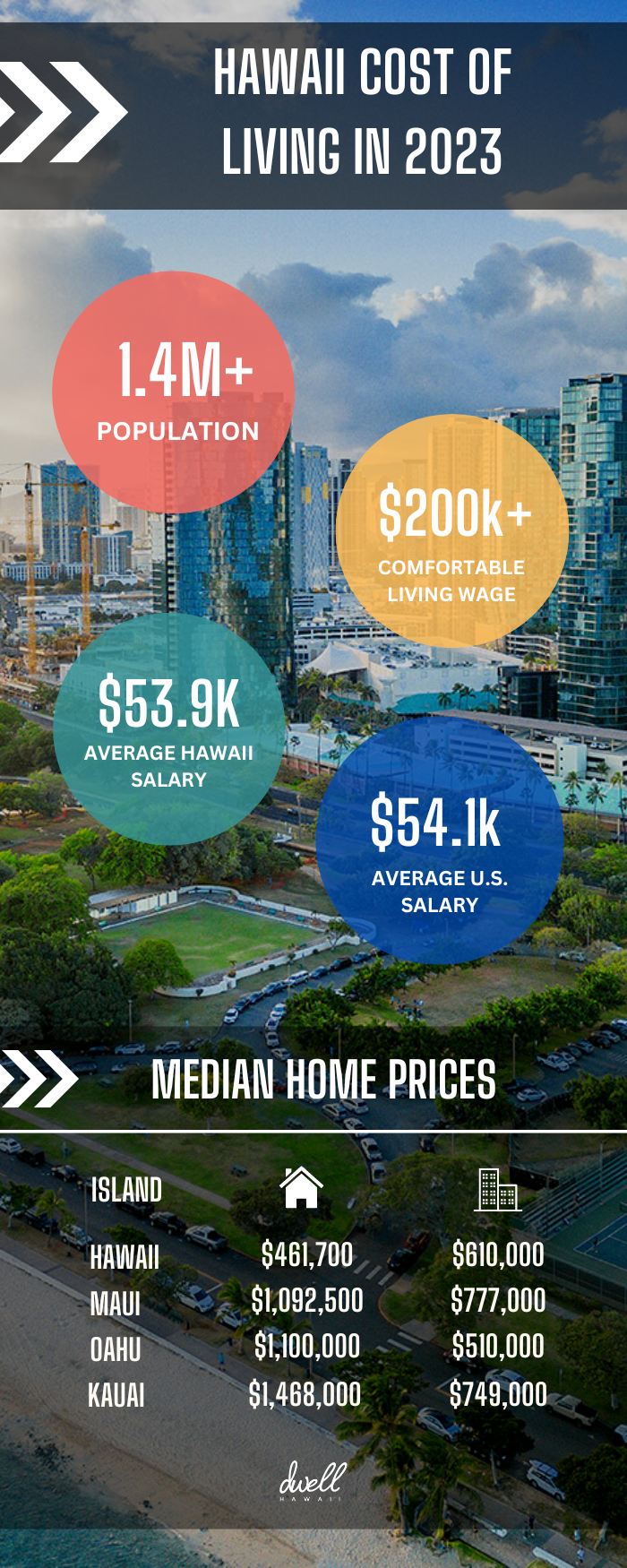
Furthermore, Hawaii’s robust tourism industry, while vital to its economy, also contributes to higher prices. High demand for limited resources, especially land and housing, inflates everything from hotel rates to rental car prices. The state also has a relatively high cost of living, which translates into higher wages and operational costs for businesses, further pushing up prices for goods and services. For example, a simple grocery run in Honolulu might be 20-30% more expensive than a comparable haul in a mainland city.

Despite these factors, Hawaii remains an incredibly popular destination, celebrated for its unique blend of American infrastructure and Polynesian culture. Its natural beauty, encompassing diverse landscapes from volcanic deserts to lush tropical valleys, offers unparalleled experiences. This combination of high demand, remote location, and exceptional natural appeal firmly places Hawaii in the premium travel category, yet savvy planning can still unlock its wonders without completely draining your bank account.
Peak Season vs. Off-Season Travel
One of the most significant variables in determining your Hawaii travel budget is the timing of your visit. Like many popular destinations, Hawaii experiences distinct peak and off-peak seasons, each with its own pricing implications.
The peak seasons typically align with major holidays and school breaks. These include:
- Winter (December to March): Many travelers escape colder climates for Hawaii’s warmth, especially around Christmas, New Year’s, and President’s Day. This period also coincides with whale-watching season, particularly off the coast of Maui.
- Summer (June to August): Family vacations dominate during school holidays, driving up demand for flights, accommodation, and activities across all islands, including Oahu and Kauai.
During these times, you can expect significantly higher prices for flights, hotels, and rental cars. Attractions may also be more crowded. Booking well in advance (6-12 months for peak travel) is essential to secure reasonable rates and availability.
The off-peak or shoulder seasons offer a sweet spot for budget-conscious travelers. These include:
- Spring (April to May): After the winter rush and before summer breaks, this period offers pleasant weather, fewer crowds, and lower prices.
- Fall (September to November): Post-summer and pre-winter holidays, this is another excellent time for deals. The weather remains fantastic, and the islands are noticeably less crowded.
Traveling during the shoulder seasons can yield substantial savings on flights and accommodation, often making a luxurious trip more affordable or allowing a longer stay for the same budget. Flexibility with your travel dates is your greatest asset in managing costs.

Breaking Down the Major Expenses in Hawaii
A trip to Hawaii involves several key expense categories. Understanding the potential costs for each will help you build a realistic budget.
Flights to Paradise
The cost of airfare is often the largest single expense for a Hawaii vacation, especially for travelers coming from the U.S. mainland, Canada, Europe, or Asia. Prices fluctuate wildly based on your departure city, time of year, airline, and how far in advance you book.
- From the West Coast (e.g., Los Angeles, San Francisco, Seattle): Flights can range from $300-$600 round trip during shoulder seasons, but can easily climb to $800+ during peak times.
- From the Midwest or East Coast: Expect prices to start around $600-$800, potentially soaring to over $1,200 round trip during high demand periods.
Airlines like Hawaiian Airlines, Alaska Airlines, United Airlines, Delta Air Lines, and American Airlines offer direct flights from various mainland cities. Budget carriers like Southwest Airlines have also entered the market, sometimes offering competitive fares, especially if you’re willing to fly to less common airports or accept fewer amenities.
Tips for saving on flights:
- Book in advance: Aim for 3-6 months out, especially for peak travel.
- Be flexible with dates: Use flight comparison websites with flexible date options to find the cheapest days to fly. Mid-week travel (Tuesday-Thursday) is often cheaper.
- Consider flying into different airports: While Daniel K. Inouye International Airport (HNL) in Honolulu on Oahu is the main hub, flying directly to Maui’s Kahului Airport (OGG) or Hawaii Island’s Kona International Airport (KOA) might sometimes be cheaper, depending on your itinerary.
- Utilize loyalty programs and credit card points: Accumulate points for free or discounted flights.
Accommodation: From Budget to Boutique Resorts
Accommodation is another significant budget item, with a wide spectrum of options and price points. The island you choose also plays a role, with popular areas like Waikiki on Oahu or Wailea on Maui typically being pricier.
- Luxury Resorts: Expect to pay $500-$1,500+ per night at high-end properties like the Four Seasons Resort Maui at Wailea, The Ritz-Carlton, Kapalua, or Aulani, A Disney Resort & Spa. These often include extensive amenities, multiple pools, fine dining, and prime beachfront locations.
- Mid-Range Hotels: A comfortable 3-4 star hotel or a well-regarded chain like the Hyatt Regency Waikiki Beach Resort and Spa might cost $250-$500 per night. These offer good service and amenities without the top-tier price tag.
- Vacation Rentals (Airbnb/VRBO): Airbnb and VRBO can be excellent options, especially for families or longer stays. Prices vary widely based on location, size, and amenities, but you might find a decent apartment or home for $150-$400 per night. They often come with kitchens, allowing for food cost savings.
- Budget Accommodation: Hostels (mostly on Oahu) offer dorm beds for $40-$80 per night. Some budget hotels or guesthouses can be found for $100-$200, though they might be further from major attractions or offer fewer amenities.
Hidden costs to consider:
- Resort Fees: Many resorts and hotels charge a daily resort fee (often $30-$50 per night) that covers things like Wi-Fi, pool towels, and fitness center access. This is usually mandatory and added to your bill.
- Parking Fees: If you rent a car, hotel parking can be expensive, ranging from $20-$60 per day.
- Taxes: Factor in local and state taxes on accommodation.
Food and Dining: From Plate Lunches to Fine Cuisine
Eating in Hawaii can be a delightful, but costly, experience. Due to import costs, groceries are more expensive than on the mainland, and restaurant prices reflect this.
- Fine Dining: A dinner for two at a high-end restaurant with drinks can easily exceed $150-$300+. Locations like Lahaina on Maui or Ko Olina on Oahu host numerous world-class culinary experiences.
- Mid-Range Restaurants: Casual sit-down restaurants might charge $40-$80 per person for an entree and a drink.
- Casual Dining/Local Eateries: This is where you can find great value and authentic Hawaiian flavors. Plate lunches, food trucks, and poke bowls can be had for $10-$25 per person. Don’t miss trying local favorites at spots like Leonard’s Bakery for malasadas or various shrimp trucks on the North Shore of Oahu.
- Groceries: A week’s worth of basic groceries for two people could cost $150-$250+, depending on your choices.
Tips for saving on food:
- Cook some meals: Stay in accommodation with a kitchen and make breakfast, packed lunches, or even some dinners.
- Embrace local food trucks and plate lunches: These are delicious, authentic, and budget-friendly.
- Happy Hour deals: Many restaurants offer discounted drinks and appetizers during happy hour.
- Buy alcohol at grocery stores: Restaurant markups on drinks can be substantial.
Activities and Attractions: Experiences in Paradise
Hawaii offers a plethora of activities, from free beach days to high-adrenaline adventures. The cost varies significantly.
- Free Activities: Enjoying the beach, hiking numerous trails (like the Diamond Head trail on Oahu), snorkeling in accessible spots, or simply watching the sunset are all free. Visiting landmarks such as the Pearl Harbor National Memorial has free components (though certain tours or museums within it may charge a fee).
- Mid-Range Activities: Snorkeling tours, surf lessons, entry to botanical gardens, or visits to places like Kualoa Ranch can range from $50-$150 per person.
- High-End Experiences: Helicopter tours, submarine tours, luxury sunset cruises, or a traditional Luau (often including dinner and entertainment) can cost $150-$500+ per person.
- National Parks: Entry to Hawaii Volcanoes National Park on Hawaii Island (Big Island) or Haleakala National Park on Maui requires a fee, typically around $30 per vehicle for a 7-day pass. If you plan to visit multiple national parks, an America the Beautiful Pass might be worthwhile.
Tips for saving on activities:
- Mix free and paid activities: Balance your itinerary with plenty of free beach time and hikes.
- Look for package deals: Some tour operators offer discounts when booking multiple activities.
- Book in advance online: Sometimes, booking directly through the attraction’s website can offer a slight discount compared to walk-up prices.
- Consider a pass: If available, a multi-attraction pass for a specific island might save money.
Transportation: Getting Around the Islands
Unless you plan to stay exclusively in a walkable area like Waikiki, you’ll likely need to factor in transportation costs.
- Rental Cars: Essential for exploring most islands like Maui, Kauai, and the Big Island. Prices for rental cars can be surprisingly high, especially during peak season, ranging from $60-$150+ per day, not including gas (which is also more expensive in Hawaii). Book well in advance.
- Ride-sharing/Taxis: Uber and Lyft are available in major areas, particularly on Oahu and Maui. Taxis are also an option but generally more expensive.
- Public Transportation: Oahu’s “TheBus” is an excellent and affordable option for getting around Honolulu and surrounding areas. Other islands have limited public transport, primarily connecting major towns.
- Inter-island Flights: If you plan to hop between islands, budget for inter-island flights. These are typically operated by Hawaiian Airlines or Mokulele Airlines and can cost $50-$150+ per segment, per person.
Tips for saving on transportation:
- Evaluate necessity: Do you really need a car for your entire trip, or just for certain days?
- Combine forces: If traveling with a group, split rental car costs.
- Utilize public transport on Oahu: “TheBus” is a fantastic deal.
- Book rental cars early: Especially if traveling during peak season, prices can skyrocket last minute.
- Consider airport shuttles: For airport transfers, shared shuttles can be cheaper than taxis or ride-shares.
Experiencing Hawaii on a Budget: Smart Saving Strategies
While Hawaii has a reputation for being expensive, it is entirely possible to experience its magic without breaking the bank. Strategic planning and smart choices can significantly reduce your overall costs.
Choose Your Island Wisely
Each Hawaiian island offers a distinct experience and, importantly, a different price tag.
- Oahu: Often the most affordable for flights (as Honolulu is the main hub) and offers the widest range of accommodation, from hostels to luxury resorts. Public transportation is also the most extensive here.
- Hawaii Island (Big Island): Generally offers more affordable lodging outside of the main resort areas of Kailua-Kona and Waikoloa. Its vastness means car rental is essential, but it offers many free natural attractions like Punalu’u Black Sand Beach and the Volcanoes National Park (entry fee applies).
- Maui: Known for luxury and romance, it tends to be one of the pricier islands for accommodation and dining, particularly in areas like Wailea and Ka’anapali.
- Kauai: While stunningly beautiful, Kauai can be on the higher end due to fewer accommodation options and its reputation for upscale visitors. However, it offers incredible free natural sights like Waimea Canyon and sections of the Kalalau Trail.
- Molokai and Lanai: These smaller, less developed islands cater more to niche travelers and can be very expensive, especially Lanai with its luxury resorts.
For budget travelers, starting on Oahu or the Big Island often provides the most bang for your buck.
Smart Accommodation Choices
Beyond choosing an island, your specific lodging can make a huge difference.
- Vacation Rentals (VRBO, Airbnb): Renting a condo or house, especially one with a kitchen, can cut down on food costs significantly. This is especially good for families or groups. Look for properties slightly away from the main tourist hubs for better deals.
- Hostels/Guesthouses: If you’re a solo traveler or on a very tight budget, a hostel dorm bed offers the cheapest per-night rate.
- Camping: For the adventurous, camping in state or county parks can be a very affordable way to experience Hawaii’s natural beauty. Permits are required and should be booked in advance.
- Consider a long-term stay: For stays of a month or more, some vacation rentals or apartments offer discounted monthly rates, making the per-night cost much lower.
Prioritize Free and Low-Cost Activities
Hawaii’s greatest treasures are its natural landscapes, and many of these are free to enjoy.
- Beach Days: Spend countless hours on world-famous beaches like Lanikai Beach or Hapuna Beach.
- Hiking: Explore stunning trails like the Diamond Head Summit Trail or portions of the Hana Highway on Maui.
- Snorkeling/Swimming: Grab your own snorkel gear and explore accessible coral reefs.
- Sunrise/Sunset Watching: Iconic spots like the summit of Haleakala or any west-facing beach offer breathtaking views for free (park entry fee applies for Haleakala).
- Window Shopping and Strolling: Enjoy the ambiance of towns like Lahaina or Kapaa without spending a dime.
- Local Markets: Visit farmers’ markets for fresh produce and local snacks, which can be cheaper than grocery stores.
Be Smart About Food and Drink
Eating out regularly will quickly deplete your budget.
- Grocery Store Savvy: Stock up on snacks, drinks, and breakfast items at local grocery stores like Foodland, Safeway, or Costco (especially useful for bulk items if you have a kitchen).
- Embrace Local Grinds: Seek out plate lunch spots, food trucks, and hole-in-the-wall eateries for delicious and affordable meals. You can find incredible poke, kalua pig, and other local specialties this way.
- Hydrate for Less: Bring a reusable water bottle and refill it. Bottled water quickly adds up.
- Limit Alcohol: Alcoholic beverages, especially at resorts, come with a steep markup. Buy your own from a liquor store if you want to enjoy a drink.
Minimize Inter-island Travel
If your budget is tight, consider focusing on just one island. Each island offers enough diversity and attractions to fill an entire vacation. Every inter-island flight adds to your cost and reduces your time on the ground. If you must island-hop, book your flights well in advance.
Consider Travel Packages
Sometimes, booking a package deal that includes flights and accommodation can offer better value than booking each component separately. Work with reputable travel agents or use online travel agencies to compare package prices. Just be sure to compare the total cost to what you’d pay booking everything à la carte.
Is Hawaii Worth the Investment?
Ultimately, the question “Is Hawaii expensive?” is often followed by “Is it worth it?” For many, the answer is an resounding yes. Hawaii offers a truly unique travel experience that combines stunning natural beauty, a rich cultural heritage, and a wide array of activities suitable for all ages and interests.
The feeling of stepping onto a black sand beach, witnessing lava flow into the ocean (on the Big Island), hiking through a bamboo forest to a hidden waterfall, or simply relaxing on a pristine white sand beach with the sound of the Pacific Ocean as your soundtrack is, for many, priceless. The warmth of the aloha spirit, the vibrant local culture, and the consistent tropical climate create an unparalleled vacation atmosphere.
While the costs can be substantial, the memories and experiences gained from a trip to Hawaii often outweigh the expenditure. By understanding the factors that influence pricing, planning diligently, and employing smart budgeting strategies, you can tailor your Hawaiian adventure to fit your financial comfort zone. Whether you splurge on a luxury resort stay or opt for a more adventurous, budget-friendly exploration, Hawaii has the capacity to deliver an unforgettable journey. It’s an investment in an experience, a chance to connect with nature, culture, and relaxation unlike anywhere else in the world. So, while it may demand a higher price, the unique beauty and profound tranquility of the Hawaiian islands often prove to be worth every penny.
LifeOutOfTheBox is a participant in the Amazon Services LLC Associates Program, an affiliate advertising program designed to provide a means for sites to earn advertising fees by advertising and linking to Amazon.com. Amazon, the Amazon logo, AmazonSupply, and the AmazonSupply logo are trademarks of Amazon.com, Inc. or its affiliates. As an Amazon Associate we earn affiliate commissions from qualifying purchases.