
Nestled in the heart of the United States, Oklahoma is a state that often sparks curiosity. Its evocative nickname, the “Sooner State,” hints at a rich history of pioneering spirit and rapid development, while its diverse landscapes and vibrant culture offer a unique blend of experiences for any traveler. For those wondering, “Where exactly is Oklahoma, and what makes it a compelling destination?”, this guide provides an in-depth look at its geographical location, historical significance, cultural highlights, and practical travel insights, all designed to help you plan an unforgettable journey.
Oklahoma represents a fascinating crossroads of American identity, bridging the Midwestern United States with the Southwestern United States. It’s a place where cowboy culture meets Native American heritage, where bustling metropolitan areas stand alongside vast natural beauty. From its compelling historical narrative to its thriving arts scenes and culinary delights, Oklahoma offers a robust tapestry of attractions that cater to a wide range of interests, whether you’re seeking adventure in the great outdoors, a deep dive into American history, or a taste of authentic local life.
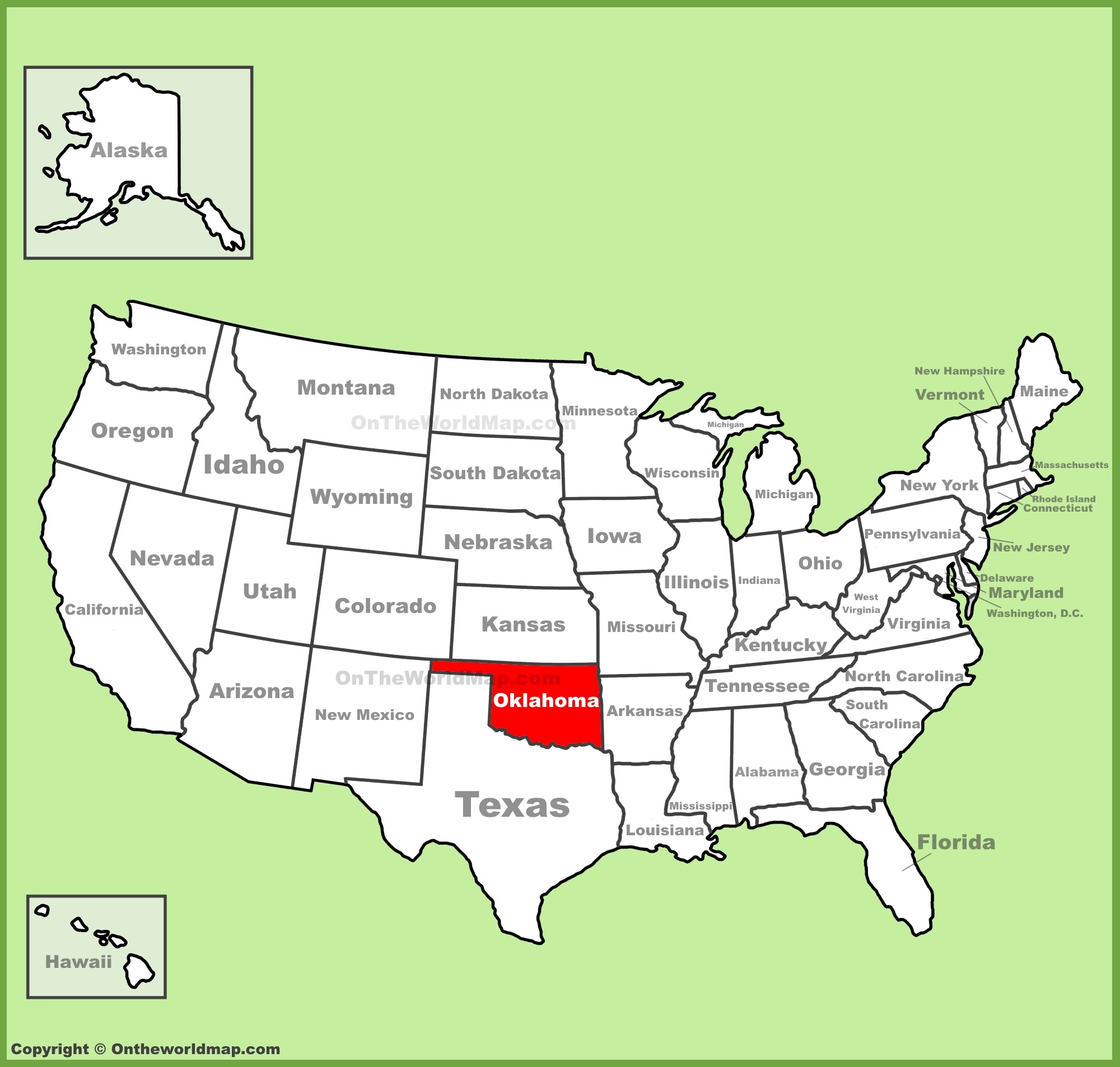
The Geographical Heart of America: Pinpointing Oklahoma
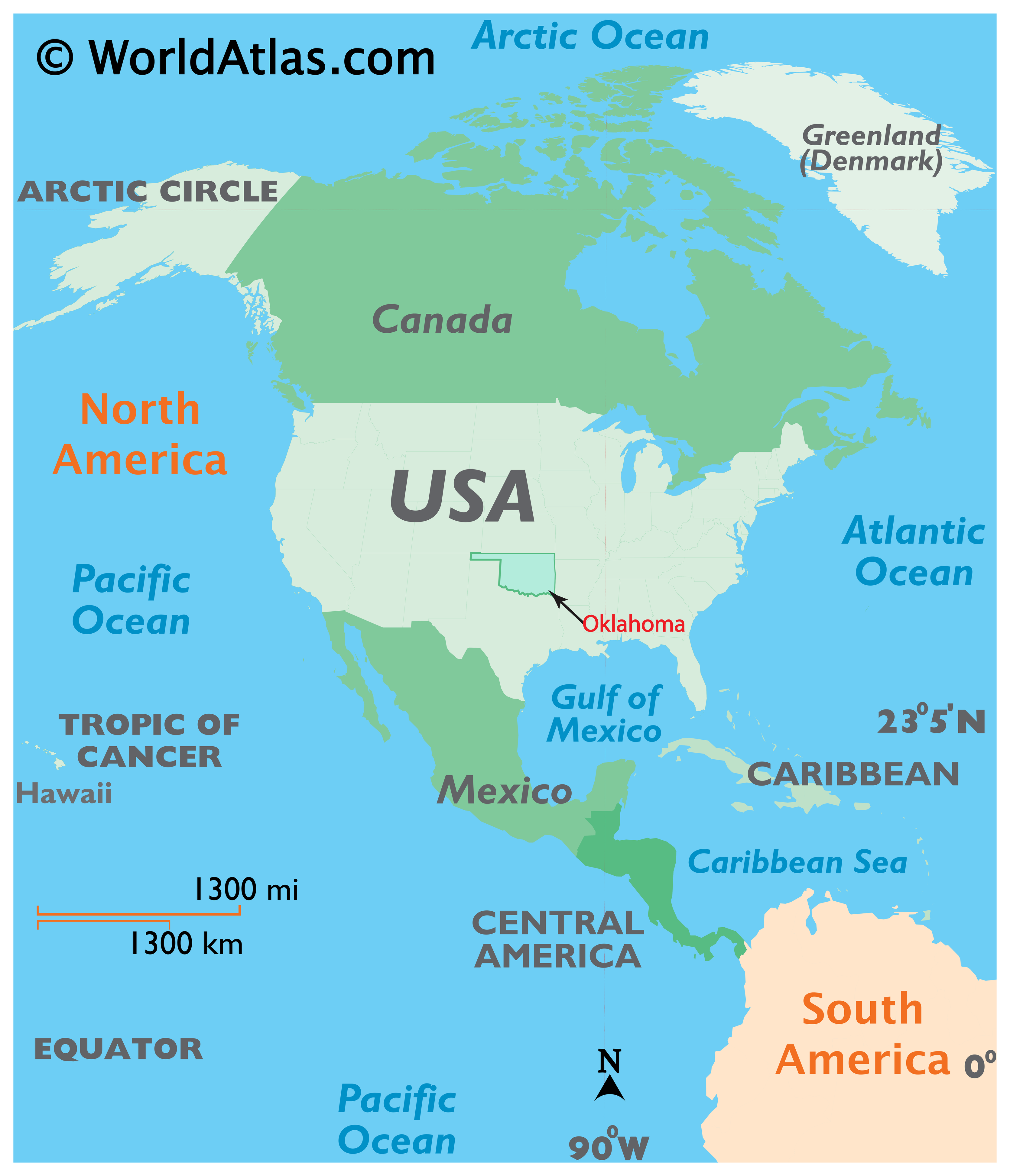
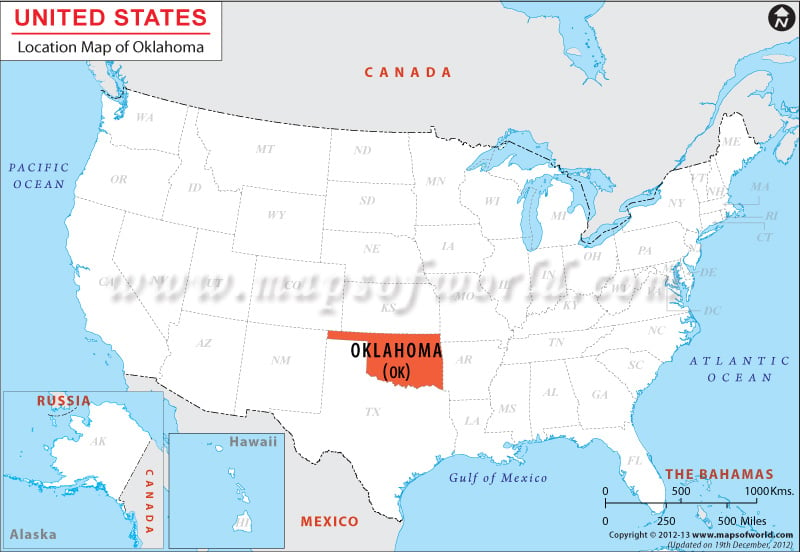
Understanding Oklahoma’s location is key to appreciating its unique character and the diversity of its offerings. Situated squarely in the south-central region of the United States, it occupies a significant portion of the country’s interior, making it accessible from many major hubs.
Location and Borders
Oklahoma shares borders with six other states, contributing to its diverse cultural and geographical influences. To its north lie Kansas and Missouri, while Arkansas is to its east. The mighty Texas forms its southern border, extending across a considerable length. To the west, Oklahoma borders New Mexico, and a sliver of its northwestern panhandle touches Colorado. This central positioning means that Oklahoma acts as a gateway, reflecting influences from the Great Plains, the Deep South, and the Southwest. Its capital and largest city, Oklahoma City, is a key transportation hub, further solidifying the state’s role as a regional connector.
A Land of Diverse Landscapes
One of Oklahoma’s most surprising aspects is its incredible geographical diversity. Despite often being stereotyped as flat prairie land, the state boasts a remarkable variety of topographies. The western and central parts of Oklahoma are indeed dominated by the gently rolling hills and vast expanses characteristic of the Great Plains, offering breathtaking sunsets and expansive skies. However, moving eastward, the landscape transforms dramatically. The northeastern corner of the state is touched by the lush, forested hills of the Ozark Mountains, while the southeastern region is home to the rugged, timber-covered Ouachita Mountains. These mountainous areas provide stunning scenic drives, challenging hiking trails, and abundant opportunities for outdoor recreation.
Furthermore, Oklahoma is one of the most water-rich states in the nation, boasting over 200 man-made lakes – more than any other state. Major rivers like the Red River along its southern border and the Arkansas River carving through its eastern half contribute to fertile lands and provide extensive opportunities for boating, fishing, and watersports. This unique blend of plains, mountains, and water bodies makes Oklahoma an ideal destination for those who appreciate diverse natural beauty and a wide array of outdoor activities, ranging from exploring wildlife refuges to enjoying peaceful lake retreats.
A Tapestry of History and Culture: Oklahoma’s Unique Heritage
Oklahoma’s identity is deeply intertwined with its rich and often complex history, shaping a cultural landscape that is distinctively American yet globally unique. Understanding this heritage is crucial to appreciating the state’s depth and character.
From Native American Roots to Statehood
The history of Oklahoma is a powerful narrative, perhaps most notably recognized for its profound connection to Native American tribes. Originally designated as Indian Territory in the 19th century, it became home to numerous tribes forcibly relocated from other parts of the United States, including the “Five Civilized Tribes” (Cherokee, Chickasaw, Choctaw, Creek, and Seminole). This forced migration and subsequent resilience have left an indelible mark on Oklahoma’s cultural fabric, with a significant Native American population and a vibrant preservation of their traditions, languages, and arts.
The late 19th century brought another pivotal moment: the Land Run of 1889, where vast tracts of land were opened to non-Native settlers, leading to the rapid establishment of towns and the iconic “Sooner” nickname, referring to those who crossed the starting line “sooner” than allowed. This period of intense settlement paved the way for Oklahoma’s statehood in 1907. Today, this dual heritage—Native American and pioneer—is celebrated and explored in museums, cultural centers, and historical sites across the state, offering visitors a profound understanding of American expansion and the enduring legacy of its indigenous peoples. Visitors can delve into this history at institutions such as the Cherokee Nation Cultural Grounds or the National Cowboy & Western Heritage Museum in Oklahoma City.
Vibrant Cultural Experiences
Oklahoma’s cultural scene is as diverse as its history. The state boasts a thriving arts community, with numerous galleries, theaters, and music venues. From traditional Western art to contemporary installations, there’s a dynamic blend of expressions. Music is a cornerstone of Oklahoma’s identity, with genres ranging from country and folk to jazz and blues having deep roots here. Legendary musicians have hailed from Oklahoma, and live music venues continue to showcase local and national talent.
Culinary experiences in Oklahoma are equally rich. The state’s food scene offers everything from authentic Native American dishes and classic Southern comfort food to innovative farm-to-table restaurants. BBQ is a particular specialty, with unique regional variations that reflect both Texas and Kansas City influences. Food festivals throughout the year celebrate everything from chili to pecans, providing a true taste of local flavor. For those interested in local culture, exploring the vibrant districts of its major cities, attending a rodeo, or visiting one of the many tribal cultural centers offers an authentic glimpse into the Oklahoma way of life.
Top Destinations and Attractions: What to See and Do
Oklahoma’s cities and natural spaces offer a wealth of attractions, blending urban sophistication with rugged charm. Whether you’re a history buff, an art enthusiast, an outdoor adventurer, or a family looking for fun, the Sooner State has something to captivate every traveler.
Exploring Oklahoma City
As the state capital and largest city, Oklahoma City is a vibrant metropolitan hub that perfectly encapsulates Oklahoma’s blend of history, culture, and modern development. Its downtown core has undergone significant revitalization, notably the Bricktown Entertainment District, a former warehouse area transformed into a bustling canal-side destination featuring restaurants, bars, shops, and a water taxi service.
Key attractions include the poignant Oklahoma City National Memorial & Museum, a powerful tribute to the victims of the 1995 bombing, offering a deeply moving and educational experience. Art lovers will appreciate the galleries in the Paseo Arts District and Plaza District, known for their unique boutiques, murals, and vibrant community events. For outdoor relaxation and family fun, Scissortail Park offers sprawling green spaces, a lake, and a playground, often hosting concerts and events. Sports enthusiasts can catch an Oklahoma City Thunder NBA game at the Paycom Center, experiencing the electric atmosphere of a passionate fan base.
Discovering Tulsa
Located in northeastern Oklahoma, Tulsa is another jewel in the state’s crown, renowned for its stunning Art Deco architecture, thriving arts scene, and rich musical heritage. Once known as the “Oil Capital of the World,” Tulsa’s downtown area boasts an impressive collection of meticulously preserved Art Deco buildings, making it a dream destination for architecture enthusiasts.
The city’s crown jewel is arguably Gathering Place, an award-winning riverside park that has been recognized as one of the best new attractions in the country. This expansive park offers something for everyone, from incredible playgrounds and skate parks to serene gardens, walking trails, and diverse dining options. Art and history buffs will find plenty to explore at the Philbrook Museum of Art, housed in a historic villa with extensive gardens, and the Gilcrease Museum, which houses one of the world’s most comprehensive collections of art and artifacts of the American West. Tulsa’s musical legacy can be explored at the Woody Guthrie Center and by catching a live show at the historic Cain’s Ballroom, a legendary venue that has hosted countless music icons.
Natural Wonders and Outdoor Adventures
Beyond its urban centers, Oklahoma truly shines with its natural beauty and abundant opportunities for outdoor recreation. The state’s diverse landscapes provide a playground for adventurers of all ages.
The Wichita Mountains Wildlife Refuge in southwestern Oklahoma is a must-visit, offering breathtaking granite mountains, pristine lakes, and the chance to spot free-ranging bison, elk, and longhorn cattle. It’s a fantastic spot for hiking, wildlife viewing, and photography. In the southeastern part of the state, the rugged beauty of the Ouachita Mountains comes alive at Beavers Bend State Park near Broken Bow and Hochatown. This popular destination is famed for its crystal-clear rivers, dense forests, and opportunities for cabin rentals, fishing, kayaking, and scenic drives.
For water sports enthusiasts, Lake Texoma, straddling the Oklahoma-Texas border, is one of the largest reservoirs in the United States, offering fantastic fishing, boating, and swimming. Another unique natural attraction is Robbers Cave State Park, known for its sandstone cliffs and caves, which historically provided refuge for outlaws. Hiking, rock climbing, and equestrian trails are popular activities here. Finally, for a nostalgic road trip, a significant portion of historic Route 66 winds through Oklahoma, dotted with charming small towns, classic diners, and quirky roadside attractions that offer a glimpse into America’s past.
Accommodation and Travel Planning: Your Stay in the Sooner State
Planning your trip to Oklahoma involves considering various accommodation options and practical travel tips to ensure a seamless and enjoyable experience. Whether you’re looking for luxury, budget-friendly stays, or unique lodging, Oklahoma has something for every preference.
Choosing Your Perfect Stay
Oklahoma offers a wide spectrum of accommodation choices to suit every budget and travel style. In major cities like Oklahoma City and Tulsa, you’ll find a range of renowned hotel chains, boutique hotels, and extended-stay apartments. For a luxurious experience in Oklahoma City, consider the Omni Oklahoma City Hotel, offering upscale amenities and prime downtown access, or the historic elegance of the Skirvin Hilton Oklahoma City. The Renaissance Waterford Oklahoma City Hotel provides a comfortable resort-like atmosphere.
In Tulsa, the historic The Mayo Hotel offers Art Deco grandeur and modern comforts, while the Ambassador Hotel Tulsa, Autograph Collection provides a boutique luxury experience. For those seeking entertainment and comprehensive amenities, resort hotels like the Cherokee Casino Resort near Tulsa combine gaming, dining, and upscale stays.
Beyond the cities, Oklahoma excels in unique accommodations. Cabin rentals are particularly popular in areas like Beavers Bend State Park and Hochatown, offering rustic charm with modern conveniences, perfect for family trips or romantic getaways amidst nature. Bed and breakfasts can be found in quaint towns like Guthrie, providing personalized service and a taste of local hospitality. For budget-conscious travelers, numerous motels and campgrounds are available, especially near state parks and along key routes. When booking, it’s always advisable to check reviews and compare options, particularly for long-term stays or specific amenities like pet-friendliness or business facilities.
Navigating Oklahoma: Transportation, Tips, and Seasonal Travel
Getting around Oklahoma is primarily facilitated by car. The state has an extensive network of interstates and highways, making road trips a popular and convenient way to explore. Renting a car at one of the major airports (Will Rogers World Airport in Oklahoma City or Tulsa International Airport) is highly recommended for flexibility. Public transportation options are more limited outside of the major urban centers.
When planning your visit, consider the seasons. Spring (April-May) and Fall (September-October) offer the most pleasant weather for outdoor activities, with mild temperatures and beautiful foliage. Summers can be hot, especially in July and August, but are ideal for lake activities and water sports. Winters are generally mild but can bring occasional cold snaps and, rarely, snow, particularly in the panhandle.
For those interested in specific events, Oklahoma hosts numerous festivals throughout the year, celebrating everything from Native American heritage and jazz music to chili cook-offs and aviation. Checking local event calendars for cities like Norman, home of the University of Oklahoma and its vibrant college scene, or Oklahoma City’s Bricktown district, can enrich your travel experience. Don’t forget to sample local delicacies like “onion burgers” and “chicken-fried steak” for a true taste of Oklahoman cuisine.
In conclusion, Oklahoma is far more than just a dot on the map; it’s a vibrant, diverse, and historically rich state that offers a wealth of experiences for every type of traveler. From its unique geographical position at the crossroads of America to its deep Native American and pioneer heritage, its bustling cities, and its stunning natural landscapes, Oklahoma invites exploration. Whether you’re seeking a historical journey, an urban adventure, or a serene retreat into nature, the Sooner State promises a travel experience that is both engaging and unforgettable.
LifeOutOfTheBox is a participant in the Amazon Services LLC Associates Program, an affiliate advertising program designed to provide a means for sites to earn advertising fees by advertising and linking to Amazon.com. Amazon, the Amazon logo, AmazonSupply, and the AmazonSupply logo are trademarks of Amazon.com, Inc. or its affiliates. As an Amazon Associate we earn affiliate commissions from qualifying purchases.