
Las Vegas, often synonymous with glittering casinos, world-class entertainment, and a vibrant nightlife, is undeniably one of the globe’s premier travel destinations. Millions flock to this desert oasis in Nevada each year, drawn by its unique blend of luxury travel experiences, iconic landmarks, and an atmosphere unlike any other. However, beneath the dazzling spectacle of the Las Vegas Strip lies a thriving residential community, a city where people live, work, and raise families. The question of “how many people live in Las Vegas?” is therefore multifaceted, revealing the fascinating interplay between its identity as a global tourism hub and a dynamic American city. Understanding this demographic landscape is key to appreciating the city’s unique charm, its infrastructure, and the diverse lifestyles it supports.

Unpacking the Numbers: Residents vs. Visitors
When discussing the population of Las Vegas, it’s crucial to distinguish between the city’s permanent residents and the colossal influx of tourists it hosts annually. The sheer volume of visitors often overshadows the genuine community that calls this place home, making it seem as though the city exists purely for entertainment.
The Heart of the City: Las Vegas Proper
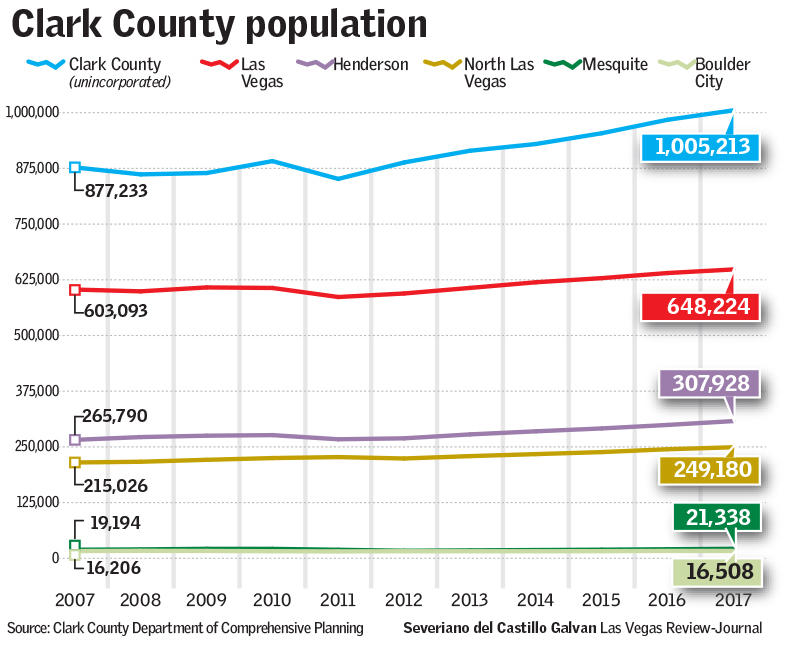
The City of Las Vegas refers to the incorporated municipality, which covers a specific geographical area. According to recent estimates from the U.S. Census Bureau, the population within the official city limits hovers around 650,000 residents. This figure represents a significant increase over the decades, as Las Vegas has consistently ranked among the fastest-growing cities in the United States. Factors contributing to this growth include economic opportunities, particularly within the booming tourism and hospitality sectors, a relatively affordable cost of living compared to major coastal cities like those in California, and the allure of a vibrant, sun-drenched lifestyle. The city proper encompasses not only parts of the famous Strip but also numerous residential neighborhoods, schools, parks, and local businesses that cater primarily to its inhabitants.
Beyond the Strip: The Las Vegas Metropolitan Area
While the city proper population provides a baseline, a more comprehensive understanding of the community comes from examining the greater Las Vegas Metropolitan Area. This broader region includes the City of Las Vegas along with surrounding incorporated cities like Henderson and North Las Vegas, as well as numerous unincorporated towns and census-designated places within Clark County. The metropolitan area’s population is considerably larger, approaching 2.4 million people. This expansive region functions as a single economic and social unit, with residents often commuting between different municipalities for work, leisure, and shopping.
The growth of the metro area has been exponential, transforming what was once a relatively isolated desert town into a sprawling urban center. This rapid expansion has naturally led to challenges in infrastructure development, water management, and urban planning. However, it has also fostered a diverse array of communities, each with its own character, contributing to the rich tapestry of life in Southern Nevada. Many residents choose to live in master-planned communities in cities like Henderson or Summerlin, which offer a suburban lifestyle with amenities like golf courses, parks, and reputable schools, often far removed from the bustling energy of the Strip.
The Dynamic Interplay: Tourism’s Influence on Residency
It is impossible to discuss the population of Las Vegas without acknowledging the colossal influence of its primary industry: tourism. Millions of visitors flock here annually, and their presence profoundly shapes not only the city’s economy but also the very fabric of residential life and the types of accommodation available.
A City Built on Hospitality: Jobs and Economy
Las Vegas’s identity as a global tourism destination means that its job market is heavily skewed towards hospitality, entertainment, and service industries. Resorts like the Bellagio, Caesars Palace, The Venetian Resort, MGM Grand, and Wynn Las Vegas are not just places for tourists to stay; they are massive employers, offering tens of thousands of jobs ranging from chefs and entertainers to hotel managers, concierges, and security personnel. This vibrant job market acts as a powerful magnet, attracting workers from across the United States and even internationally, contributing significantly to the city’s population growth and its diverse cultural makeup.
Beyond the direct employment in hotels and casinos, a vast ecosystem of supporting businesses thrives. This includes transportation, retail, food and beverage suppliers, event production companies, and various tourism-related services. The economic engine of tourism fuels development and creates opportunities that extend far beyond the Strip, benefiting residents across the entire metropolitan area. While efforts are continually made to diversify the economy into areas like technology, healthcare, and professional sports (with landmarks like Allegiant Stadium and T-Mobile Arena now hosting major teams), hospitality remains the bedrock of Las Vegas’s prosperity and a primary driver of its population.
Infrastructure and Lifestyle: Catering to Two Populations
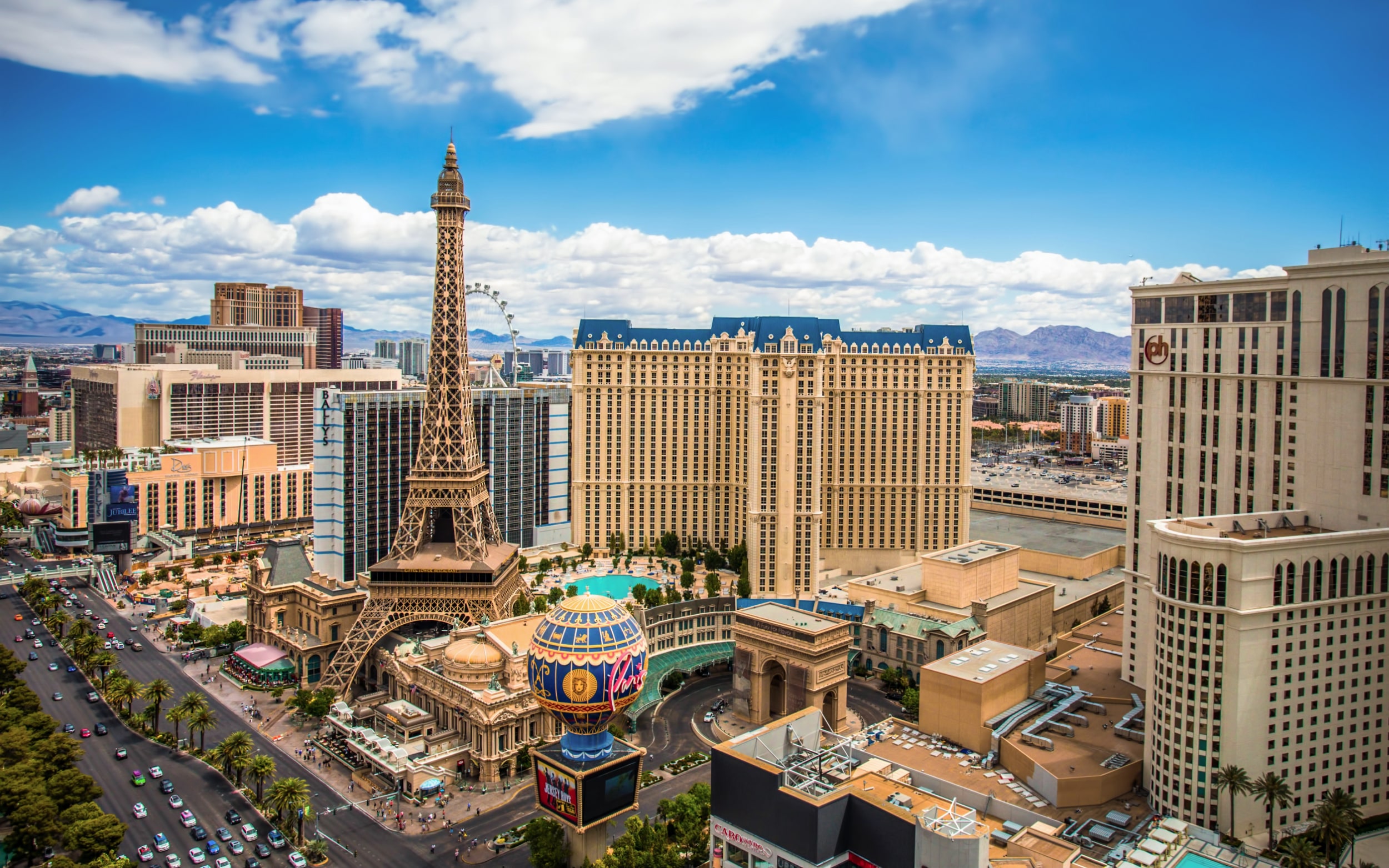
The constant flow of millions of visitors—often exceeding 40 million annually—presents unique challenges and characteristics for the resident population. The city’s infrastructure, from its roads and public transportation to its water and energy systems, must be designed to accommodate not just its 2.4 million residents but also a fluctuating tourist population that can swell by hundreds of thousands on any given weekend.
For residents, daily life often means navigating areas that are simultaneously tourist attractions and local thoroughfares. While locals generally avoid the most congested parts of the Strip during peak times, the city’s overall rhythm is undeniably influenced by its visitor economy. This duality creates a fascinating lifestyle experience. Residents enjoy unparalleled access to world-class entertainment, dining, and shopping, often at discounted “locals’ rates.” They also benefit from a robust array of amenities, including a major international airport (Harry Reid International Airport) and a diverse culinary scene that caters to every taste and budget, from Michelin-starred restaurants to authentic ethnic eateries.
However, this also means contending with increased traffic, especially on weekends and during major conventions, and a higher demand on certain public services. The housing market, while more accessible than some other major cities, experiences fluctuations influenced by the overall economic health of the tourism sector. This unique environment shapes how local culture is experienced, often distinct from the perception tourists might have.
Living in Las Vegas: Beyond the Neon Glow
Beyond the immediate excitement of the casinos and shows, Las Vegas offers a surprisingly rich and diverse living experience for its permanent residents. The city and its surrounding areas provide a full spectrum of lifestyles, far removed from the perpetual party image often portrayed.
Diverse Communities and Accommodation Options
Residential Las Vegas is a sprawling mosaic of communities, each offering different amenities and price points. From the bustling urban environment of Downtown Las Vegas, which has seen significant revitalization with new apartment complexes and vibrant arts districts, to the quiet, tree-lined streets of established suburban neighborhoods, there’s a place for almost everyone.
Master-planned communities like Summerlin and Green Valley in Henderson are popular choices for families, offering extensive parks, top-rated schools, community centers, and retail developments that cater to daily needs. These areas provide a traditional suburban lifestyle, complete with local restaurants, movie theaters, and recreation options, creating a stark contrast to the tourist-centric accommodations of the Strip.
Accommodation options for residents are equally varied. Single-family homes, ranging from modest starter houses to sprawling luxury estates, dominate the suburban landscape. The market also includes a significant number of apartments, condominiums, and townhouses, particularly in newer developments and around urban centers. For those seeking a more opulent lifestyle, high-rise luxury condos offer stunning views of the city and access to exclusive amenities, blurring the line between long-term stay accommodation and resort-style living. The rental market is dynamic, reflecting the constant influx of new residents and the demand for housing driven by the city’s economic growth.
Lifestyle and Amenities for Residents
The day-to-day lifestyle for residents of Las Vegas often involves activities that have little to do with gambling or show tickets. The city and Clark County boast an impressive network of parks, recreational facilities, and sports complexes. Families enjoy access to numerous public and private schools, and higher education is provided by institutions like the University of Nevada, Las Vegas (UNLV), which contributes to the city’s intellectual and cultural life with its performing arts center and public events.
Outdoor recreation is a significant draw for many residents. The stunning natural landscapes surrounding Las Vegas offer endless opportunities for adventure. Red Rock Canyon National Conservation Area, just a short drive from the city, is a popular spot for hiking, rock climbing, and scenic drives, offering a dramatic escape from urban life. Lake Mead National Recreation Area provides opportunities for boating, fishing, and swimming, while the Spring Mountains and Mount Charleston offer cooler temperatures, pine forests, and even skiing in winter, a stark contrast to the desert floor. Further afield, landmarks like the Hoover Dam and the Grand Canyon are accessible for weekend excursions, reinforcing the travel appeal of the region for locals.
Culturally, Las Vegas has much to offer beyond its famous shows. The Arts District in Downtown Las Vegas features galleries, studios, and a monthly “First Friday” event that draws thousands. Museums, performing arts venues, and a diverse culinary scene—including many local-favorite restaurants tucked away from the tourist zones—provide a rich cultural experience. The city embraces both luxury travel experiences and budget travel options, catering to a wide range of visitor and resident preferences. For residents, this means access to world-class entertainment without necessarily having to navigate the crowds or expense of the Strip. The Fremont Street Experience in downtown is a popular attraction that blends tourism with local appeal.
The Future of Las Vegas: Sustainable Growth and Evolution
The ongoing growth of Las Vegas’s population poses both opportunities and challenges, pushing the city to innovate in how it manages resources and shapes its identity.
Managing Growth and Resource Challenges
With its continued appeal, Las Vegas is projected to see its population continue to rise. This growth necessitates careful urban planning and strategic resource management, particularly regarding water in the arid desert environment. Initiatives focusing on conservation, sustainable development, and investing in renewable energy are crucial for ensuring the city’s long-term viability and quality of life for its residents. The city has made significant strides in water conservation, demonstrating a commitment to adapting to its natural surroundings. Infrastructure expansion, including roads, public transit, and schools, must keep pace with the increasing population to maintain accessibility and services.
Evolving Identity: More Than Just a Tourist Destination
While tourism will always be central to Las Vegas’s identity, the city is actively diversifying its economic base and refining its image. The development of tech industries, the relocation of major companies, and the arrival of professional sports teams like the Las Vegas Raiders and Vegas Golden Knights signify a deliberate shift towards becoming a more multifaceted urban center. This evolution not only strengthens the economy but also enhances the lifestyle offerings for residents, creating more diverse job opportunities and entertainment options beyond the traditional casino model. The city is increasingly seen as an attractive relocation destination for families and businesses looking for a dynamic environment with a lower cost of living than coastal metropolitan areas. This continued evolution promises a future where Las Vegas remains a world-class travel destination while simultaneously flourishing as a vibrant, sustainable, and growing home for millions.
In conclusion, while the glimmering facade of Las Vegas is designed to attract visitors from around the globe, underneath it lies a bustling, complex city home to approximately 650,000 people within its municipal boundaries and a sprawling metropolitan area housing nearly 2.4 million residents. These numbers are continuously growing, reflecting the city’s enduring appeal as a place to live, work, and thrive, far beyond the allure of its famous Strip.
LifeOutOfTheBox is a participant in the Amazon Services LLC Associates Program, an affiliate advertising program designed to provide a means for sites to earn advertising fees by advertising and linking to Amazon.com. Amazon, the Amazon logo, AmazonSupply, and the AmazonSupply logo are trademarks of Amazon.com, Inc. or its affiliates. As an Amazon Associate we earn affiliate commissions from qualifying purchases.